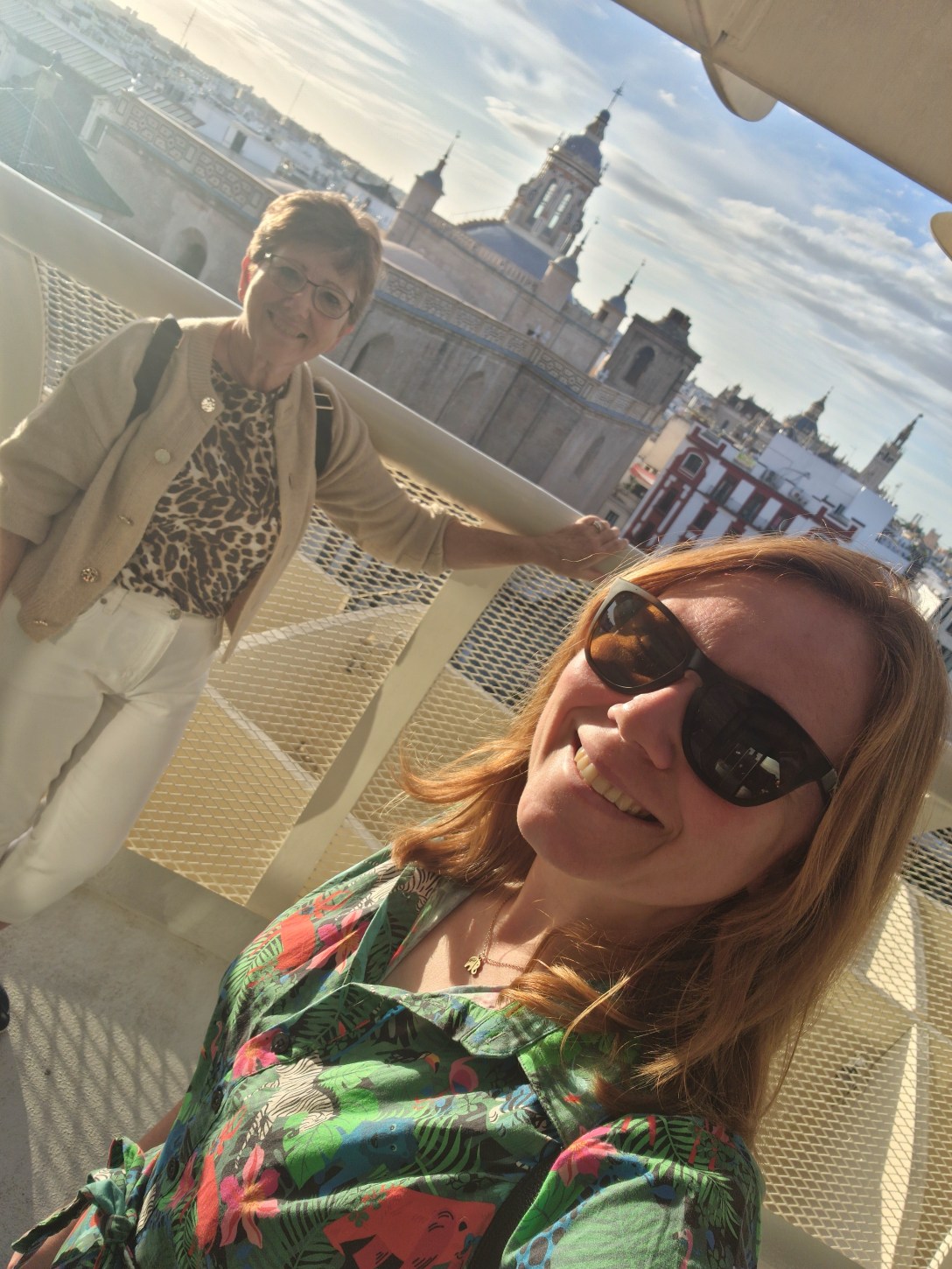
Seville 🇪🇸

After our winter sun trip to Porto last year, we decided to catch some November sunshine again, this time in Seville. We had an early morning flight from Luton, and by 14:30 we were checked into our hotel and ready to explore the city. Over the next two and a half days, we walked nearly 12 miles each day, and despite some weather related disappointment (it wouldn’t be a me holiday without it!), we saw most of what Seville has to offer.

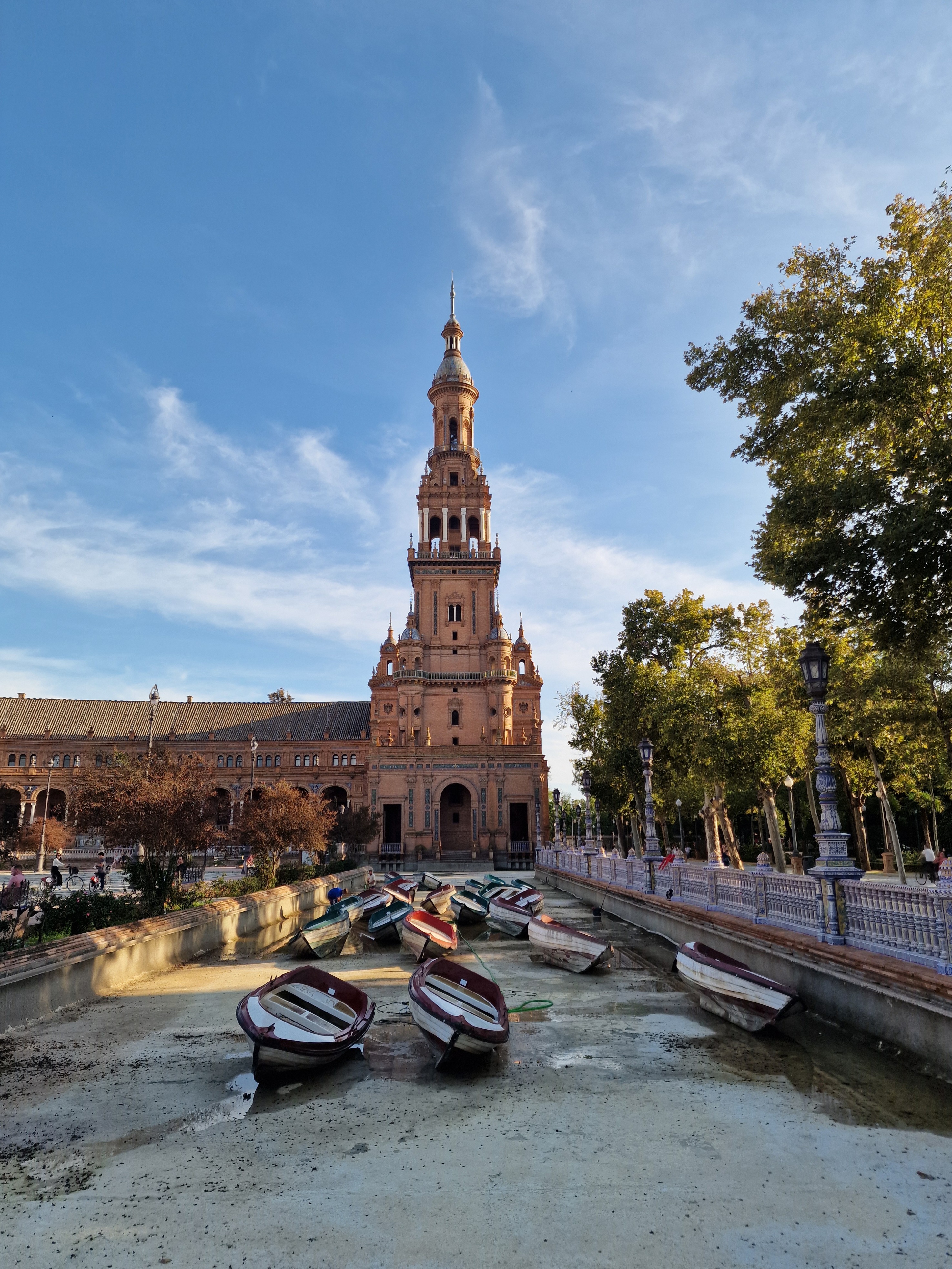
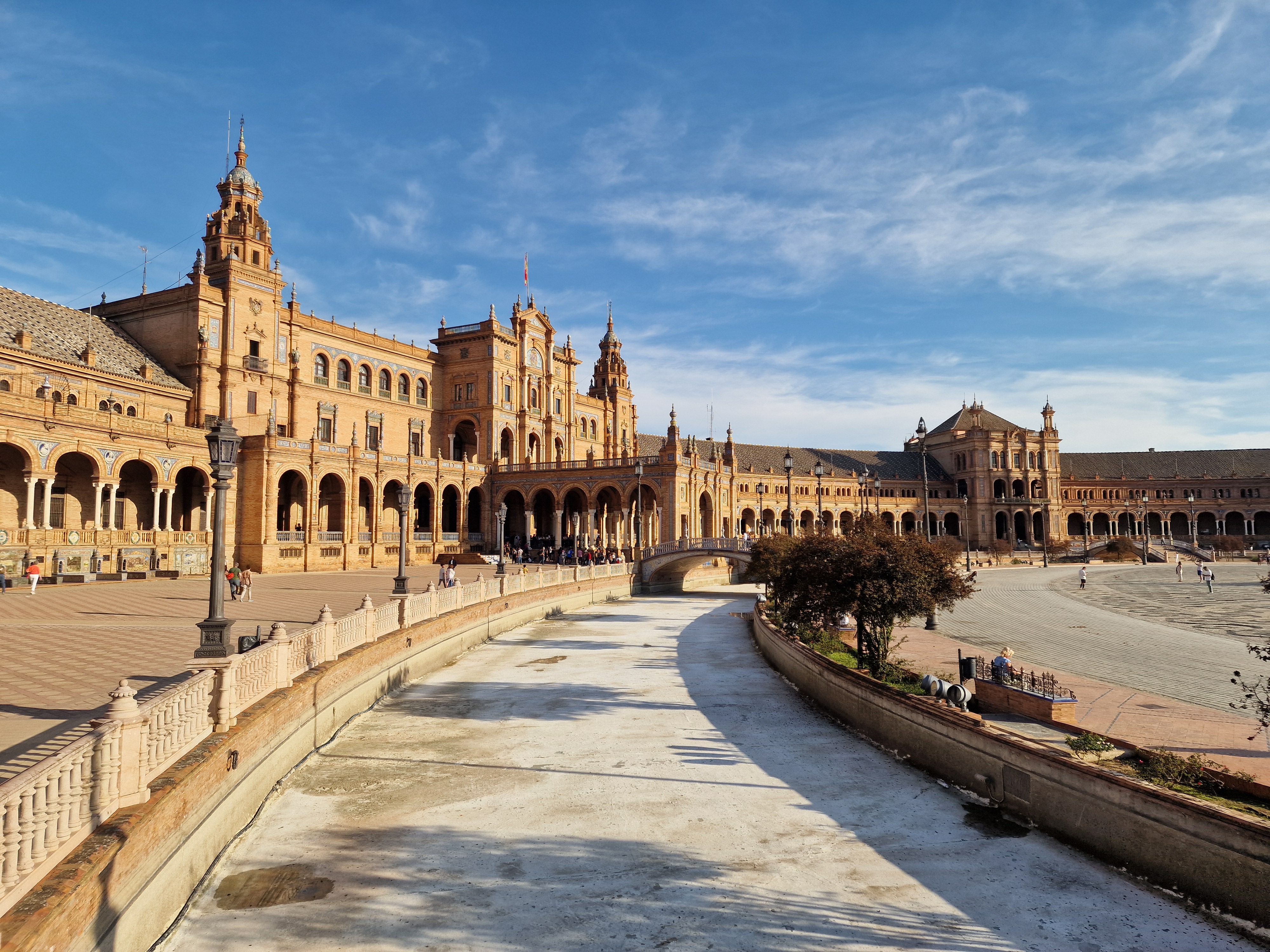
Plaza de España One of the most popular spots in Seville, Plaza de España was built in 1928 and underwent a major restoration in 2010. Its sweeping semi-circular design symbolizes Spain embracing its former colonies, and the canal represents the ocean connecting Spain to the Americas. Normally, you’ll see people lazily rowing boats along the water, with gorgeous reflections dancing everywhere. Unfortunately for us, they drained it for cleaning, so we were left with concrete and duck poo. Despite that, stunning detail covers almost every inch of the plaza, blending Moorish, Renaissance and Spanish architectural styles. You can easily spend hours here listening to musicians and watching Tiktokers in the wild.
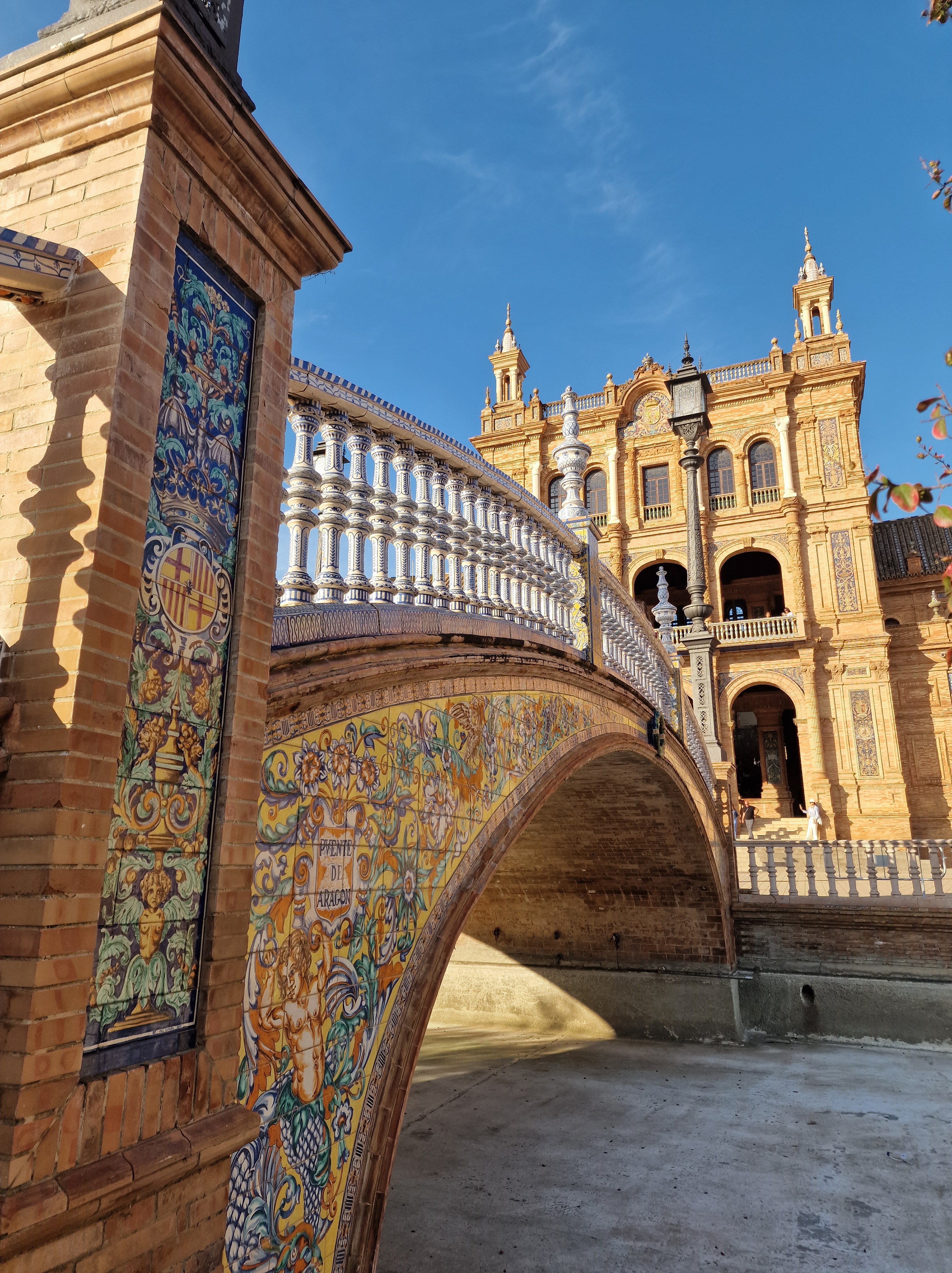
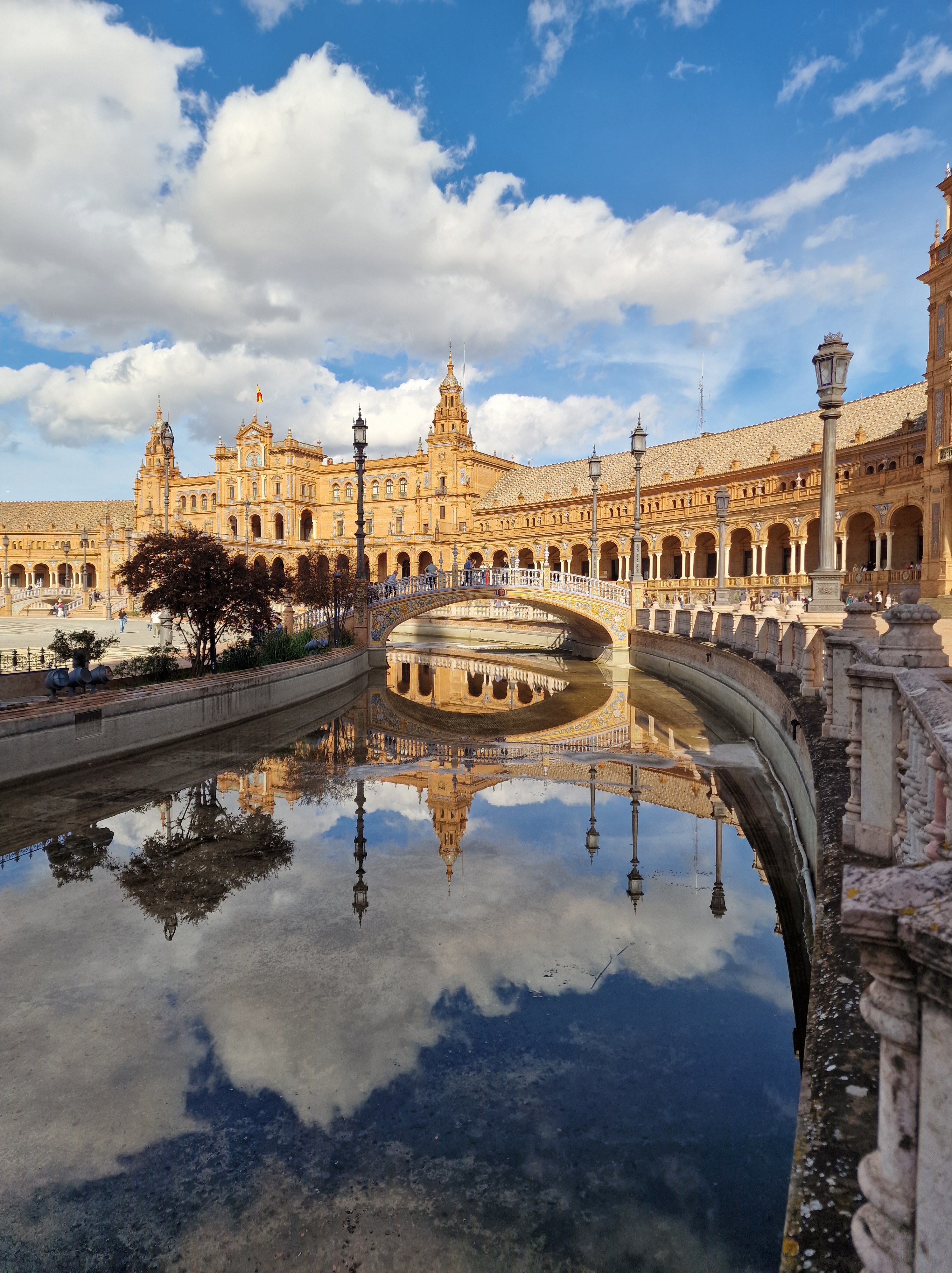
On our second day we had a huge downpour, but that meant we could return and use the remaining rainwater to capture some beautiful reflections. 
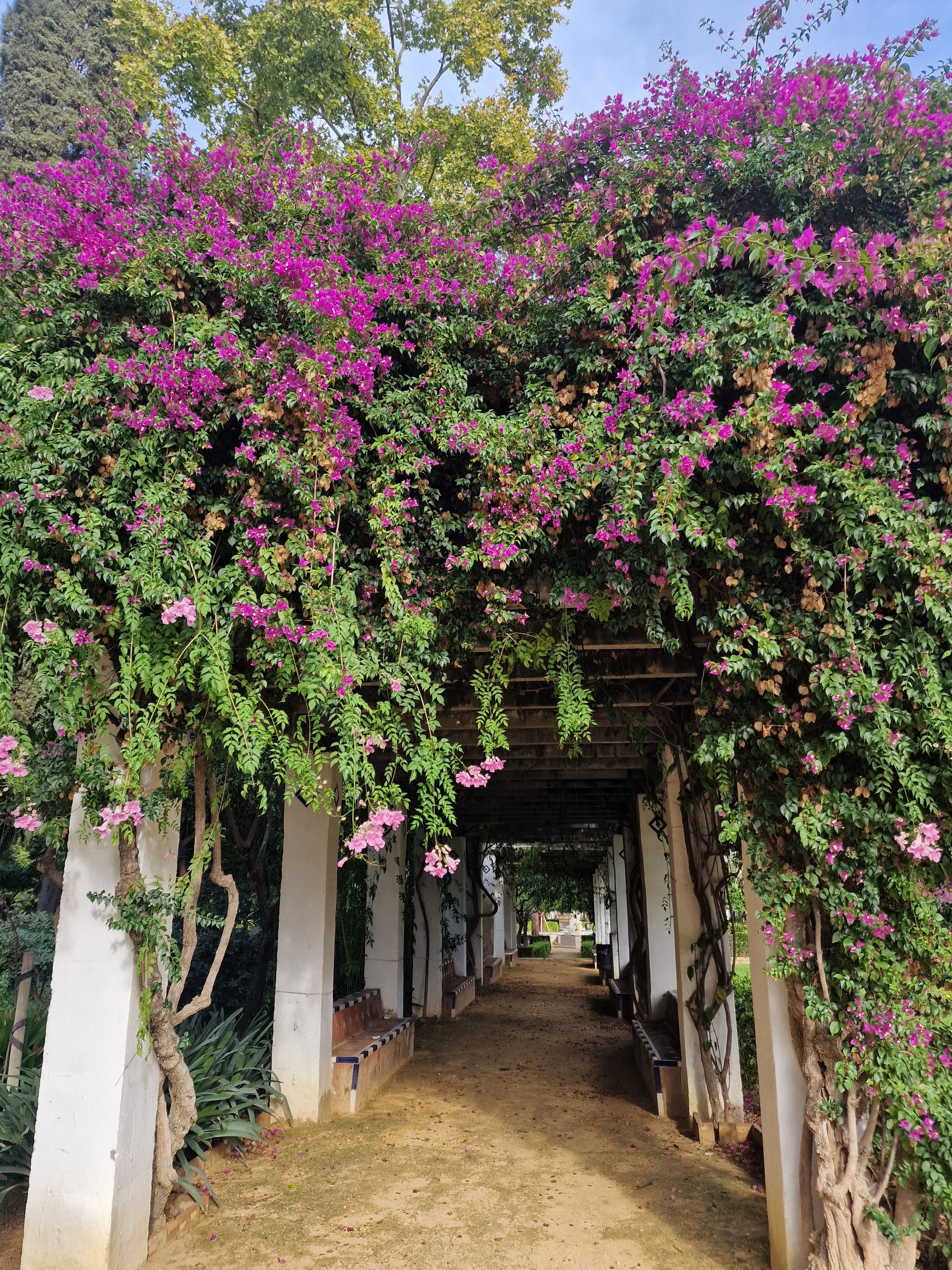
Maria Luisa Park It’s not just about Plaza de España, there are so many other things to see in the park.

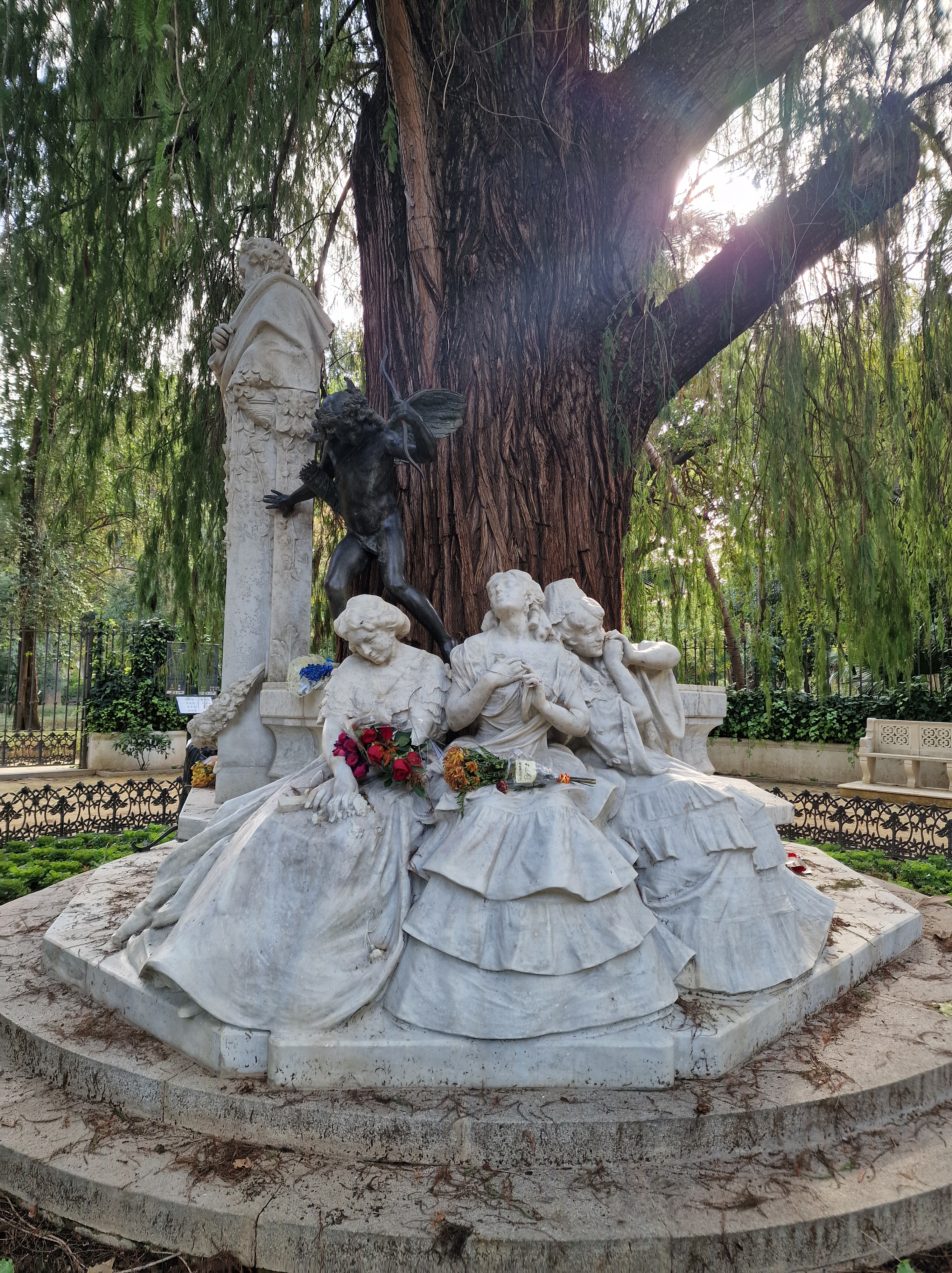
  • Gustavo Adolfo Becquer Monument – representing the different aspects of love. Locals and tourists leave love letters, prayers, dreams, and poems in the marble bookshelf.
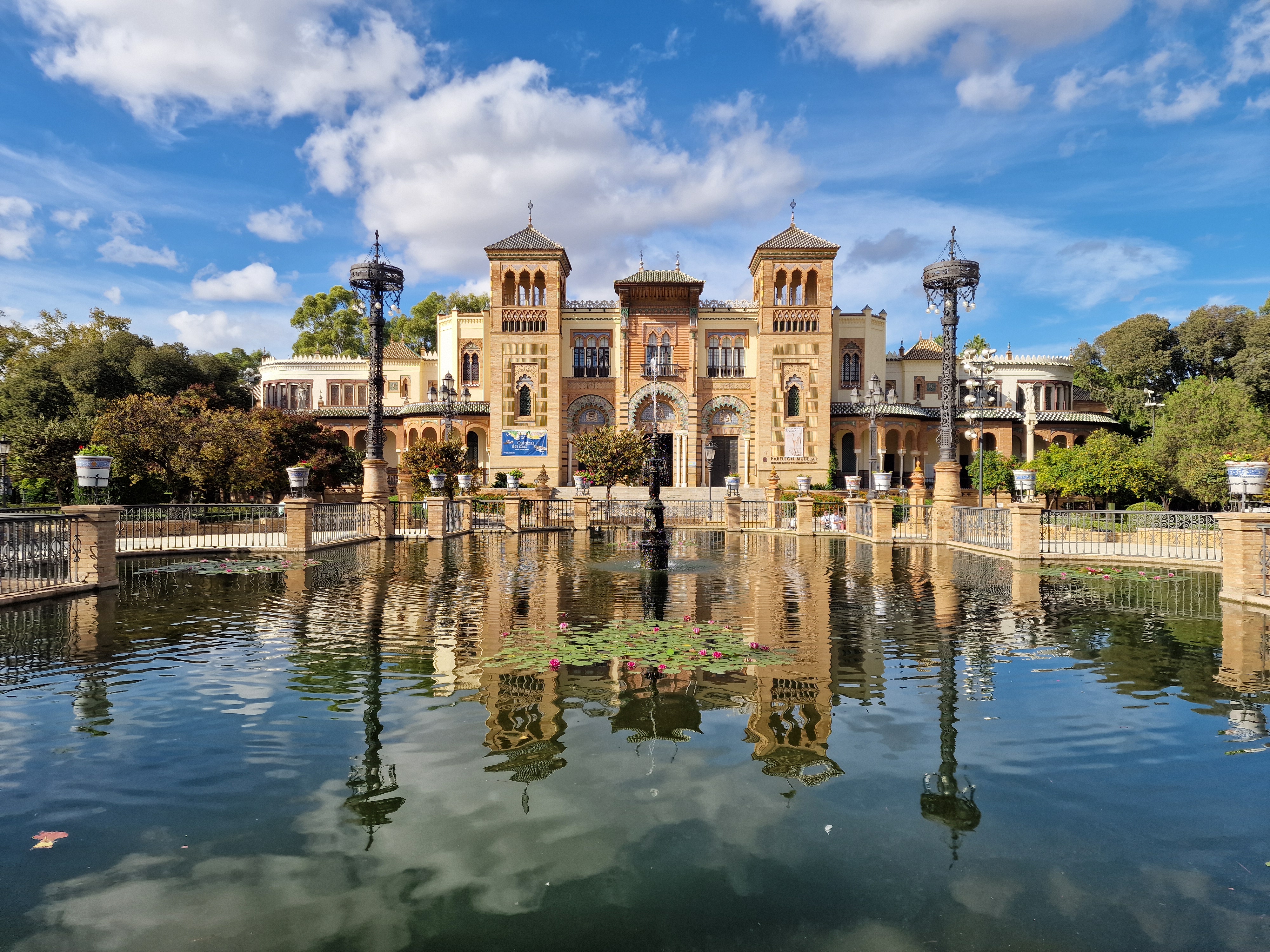
  • Plaza de America – featuring neo-Gothic, neo-Mudejar, and neo-Renaissance buildings. There are also a few cafes at this end of the park.
  • Jardín De Los Leones – pretty walkways and water features, as well as the Gurugú Mount Waterfall.
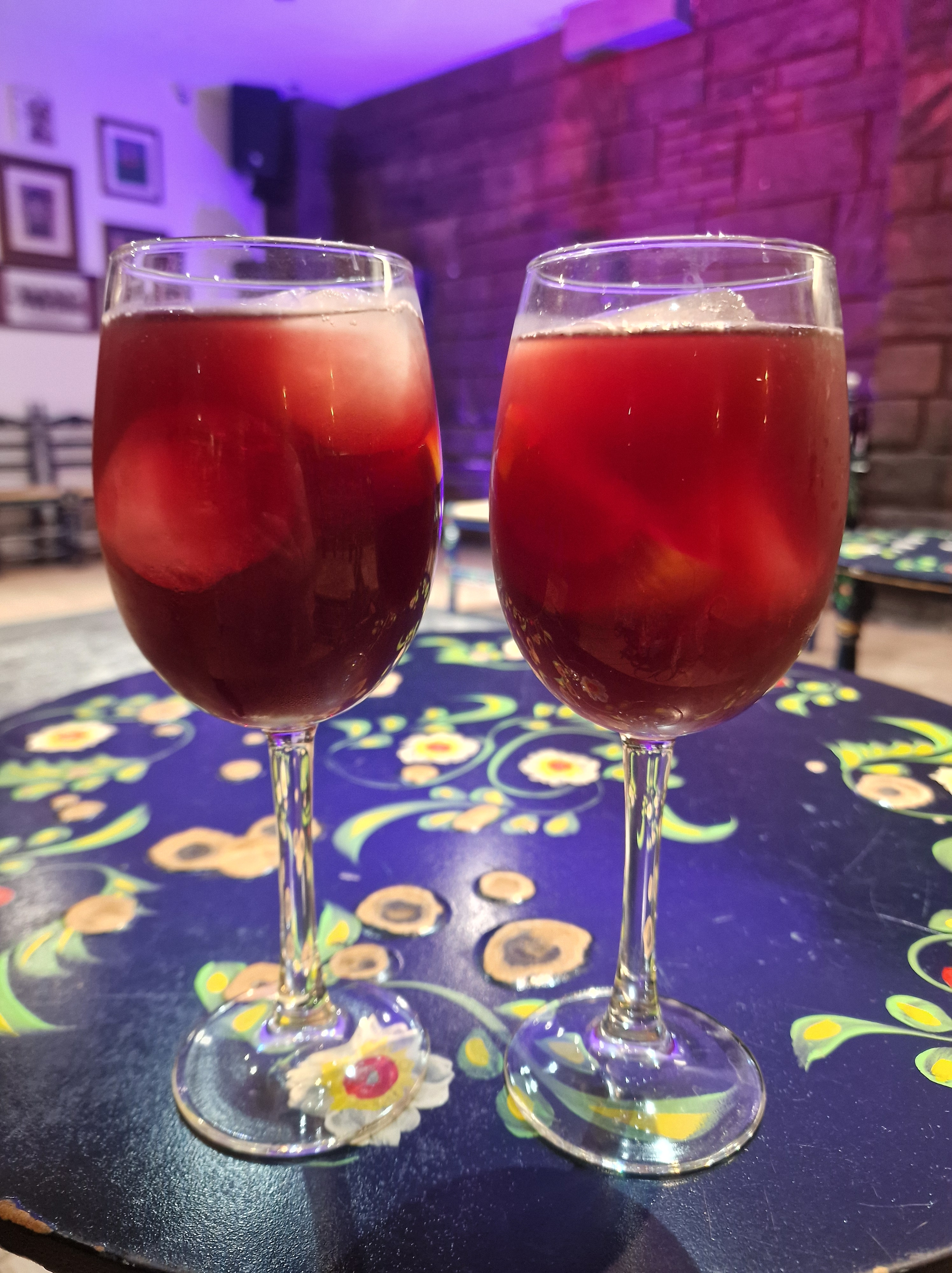
Flamenco Seville, and especially the neighborhood of Triana, is considered the birthplace of flamenco, so seeing a show here is basically non-negotiable. There are loads of options, from casual street performances to intimate shows in dedicated flamenco venues. We chose Baraka in Triana because it had lots of 5* reviews and, crucially, included a glass of sangria.
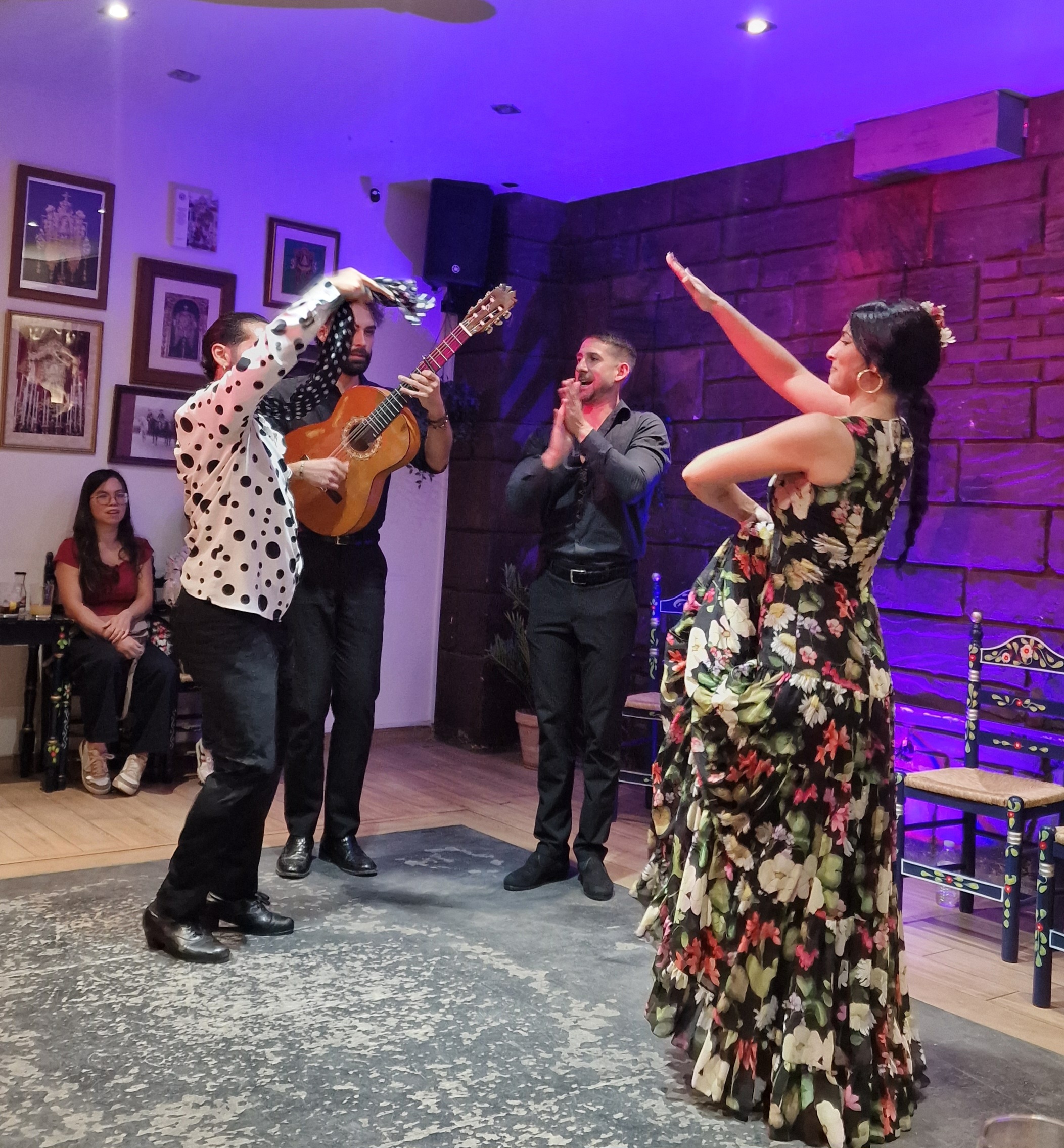
The performance was incredible. The dancer is accompanied by a singer, a guitarist, and sharp, rhythmic clapping. No microphones, no amplifiers, just pure, powerful sound and emotion. Even though we couldn’t understand the lyrics, the story of love, loss, and longing came through so clearly. At one point a group of people started talking, and the guitarist literally stopped mid-performance and stared them down until they went silent.
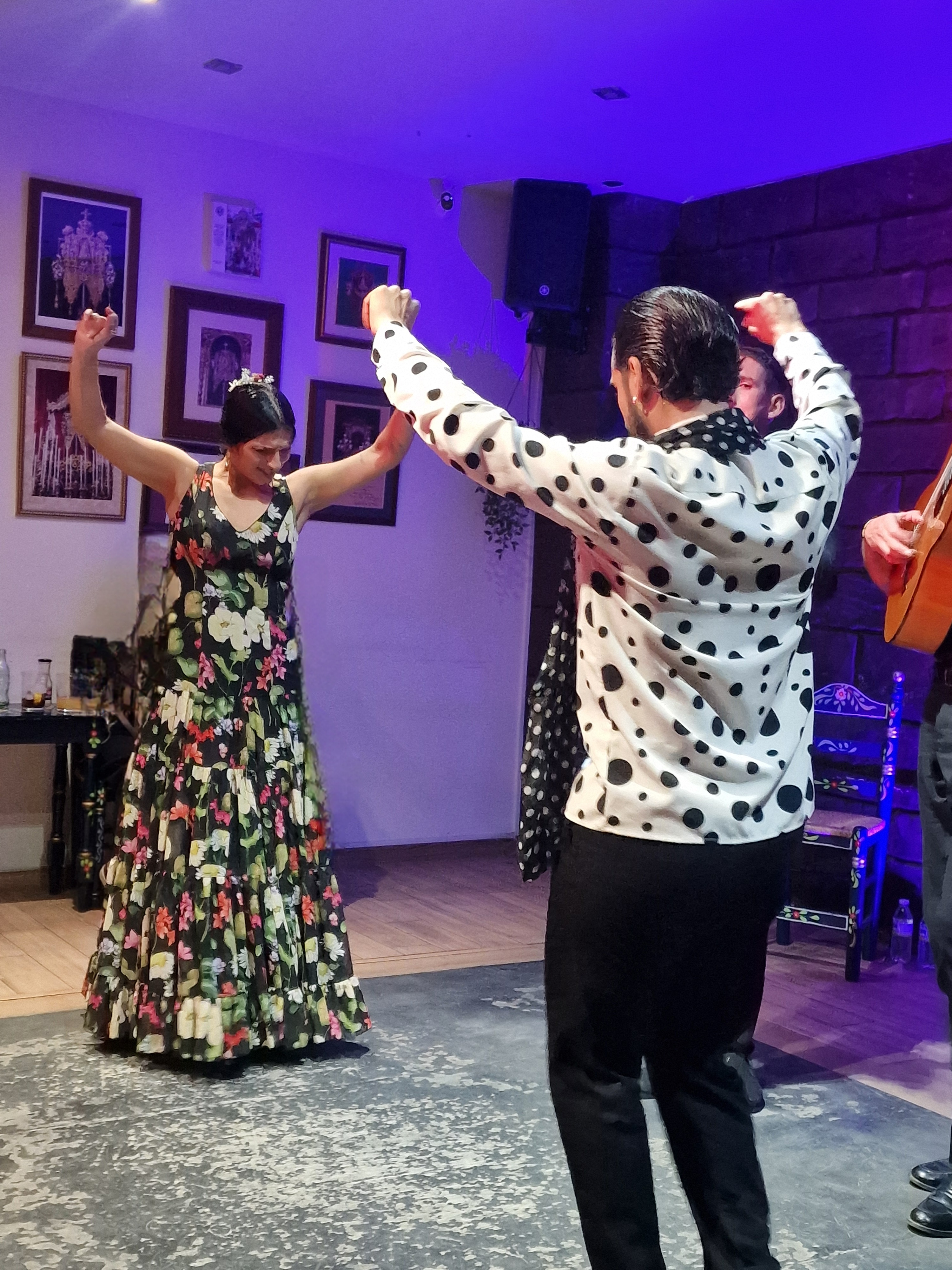
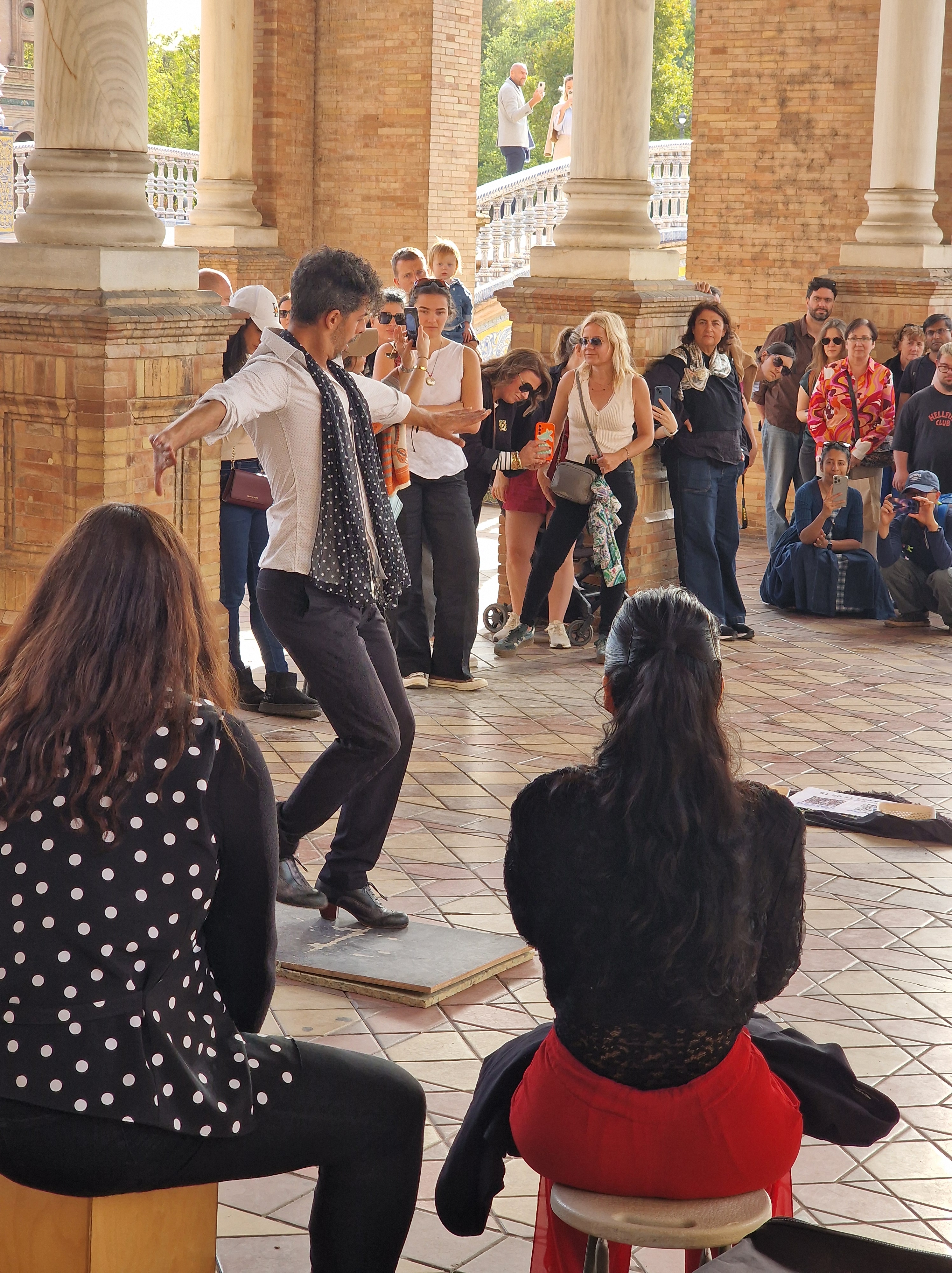
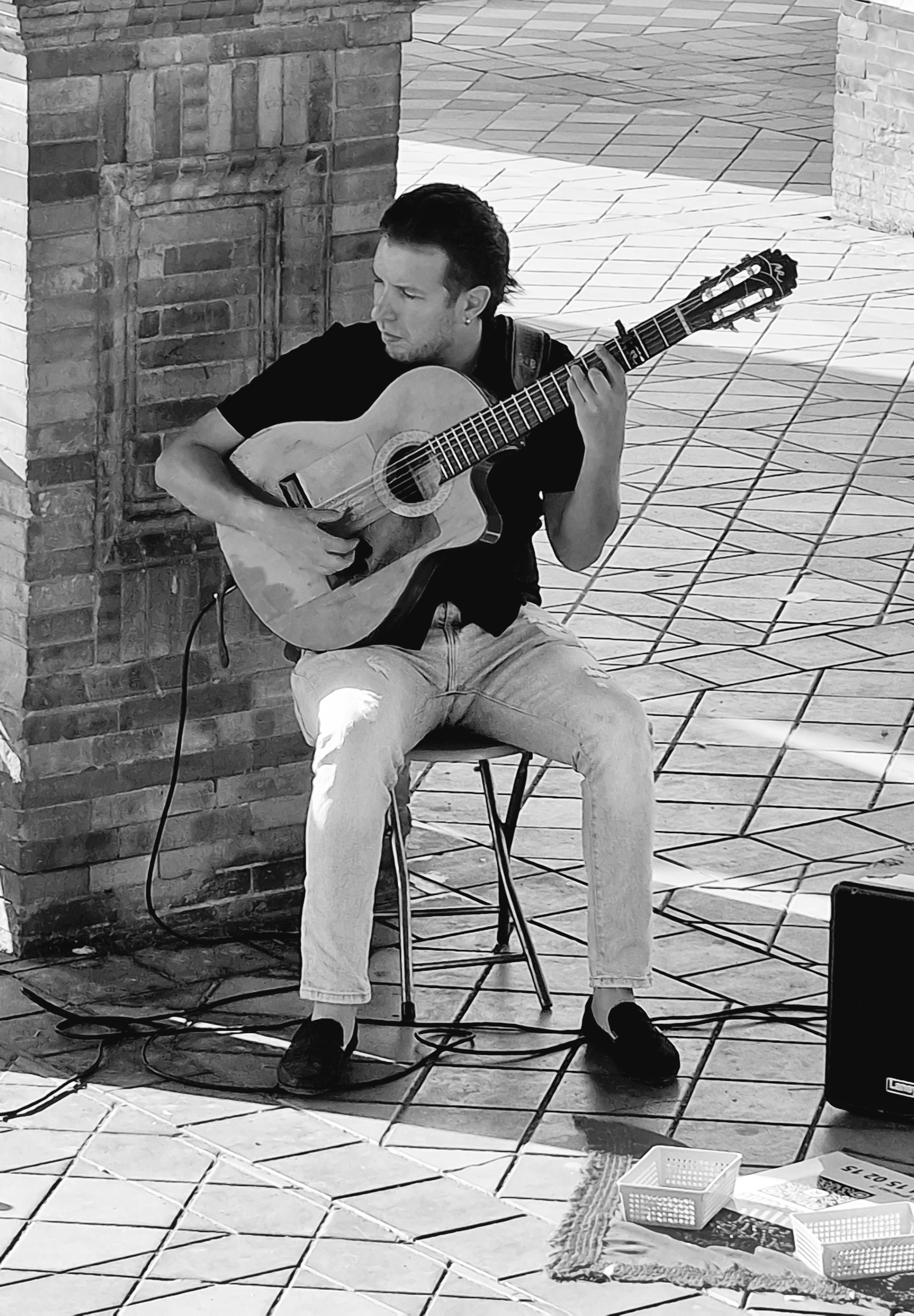
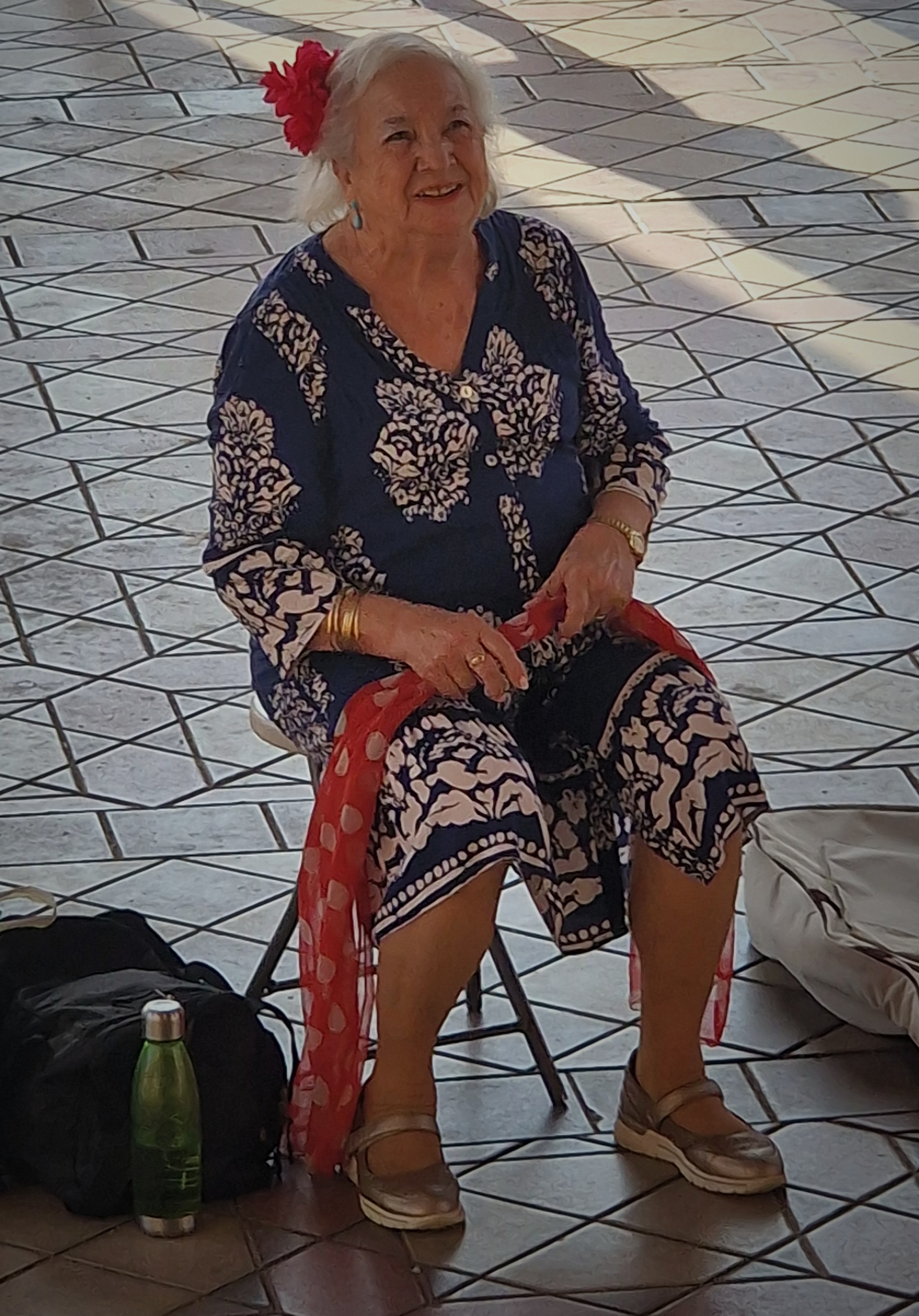
We also caught some flamenco performers at Plaza de España, which is a great option if you’re short on time. Just make sure to throw a few euros their way.
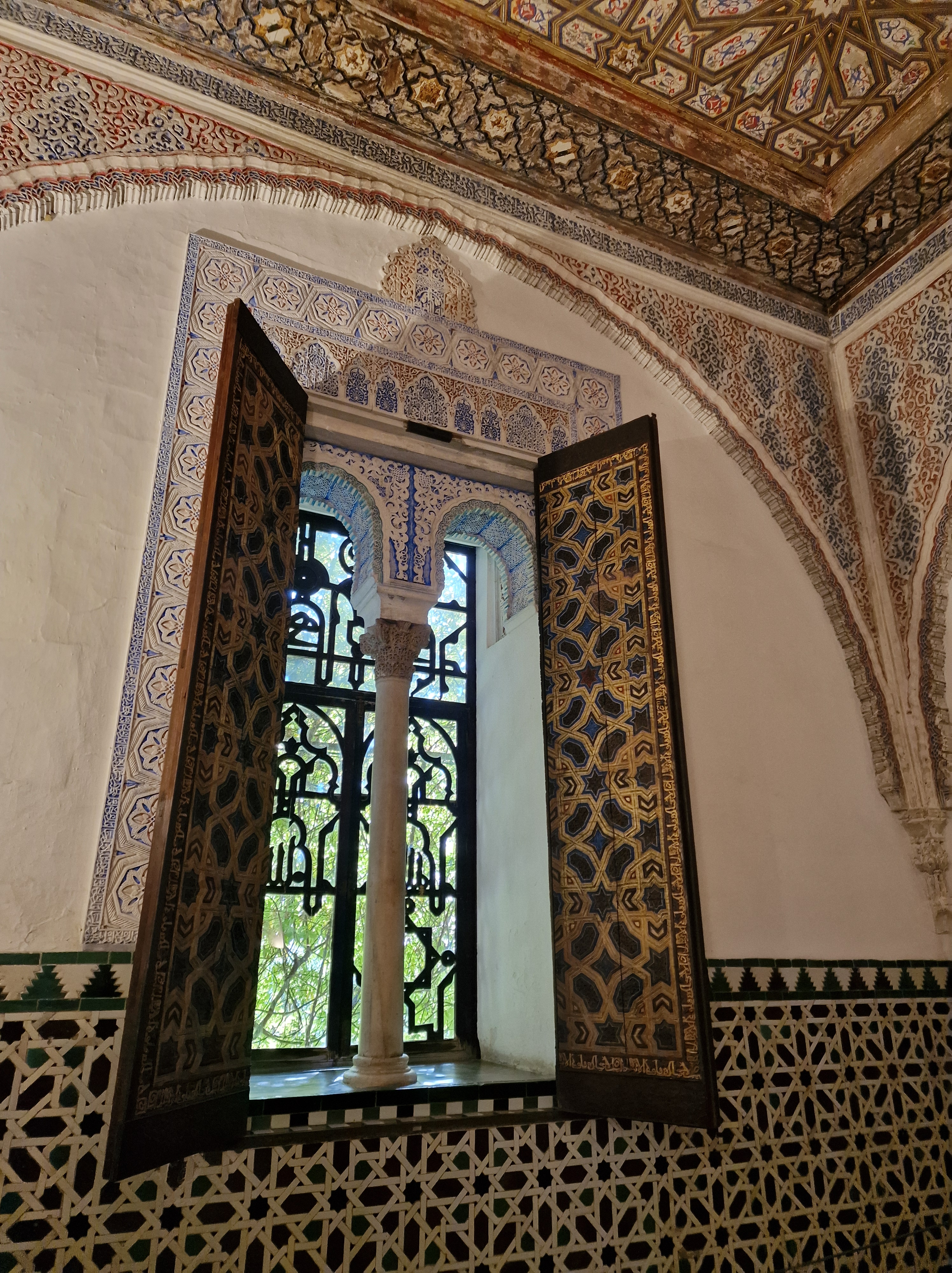
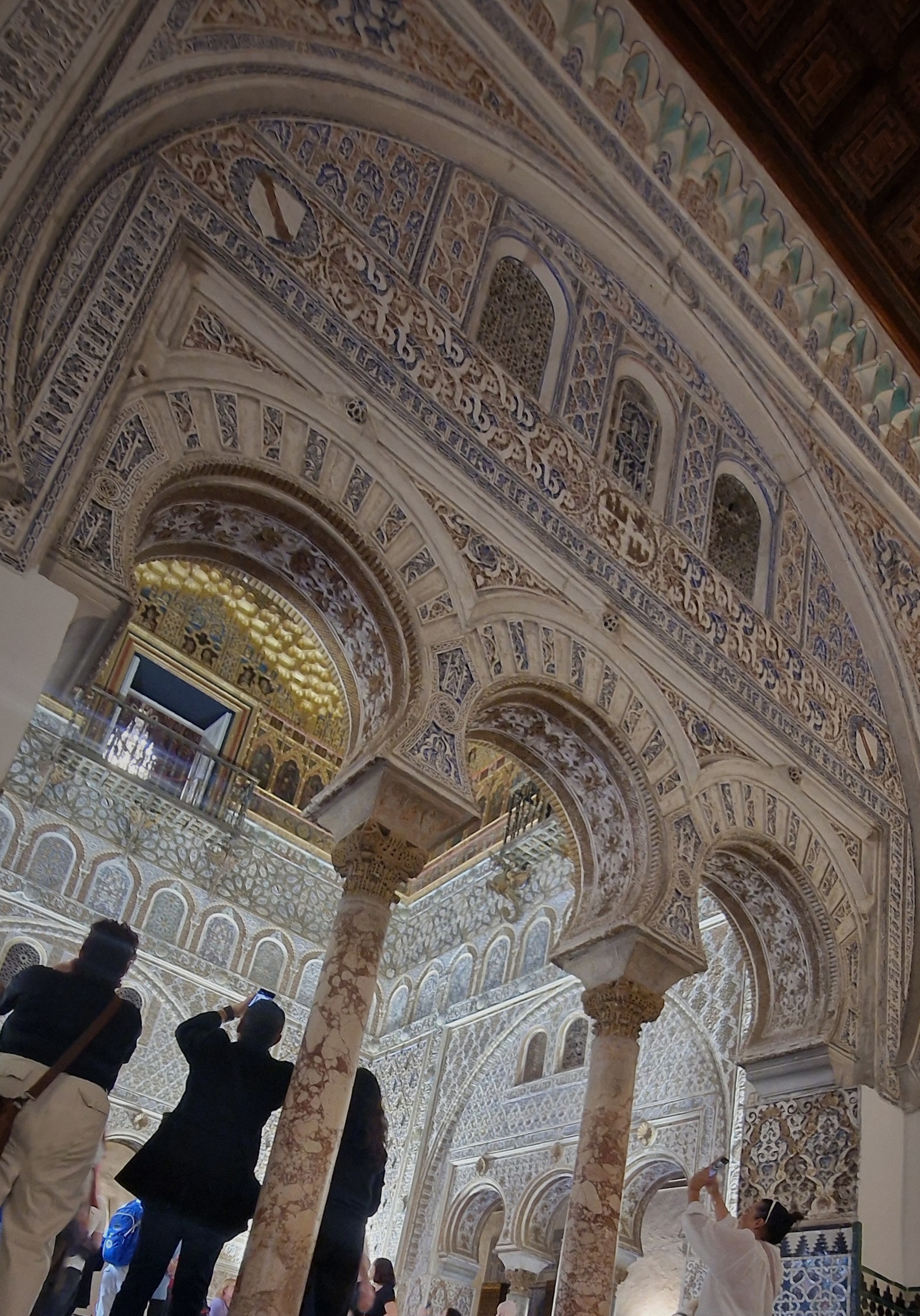
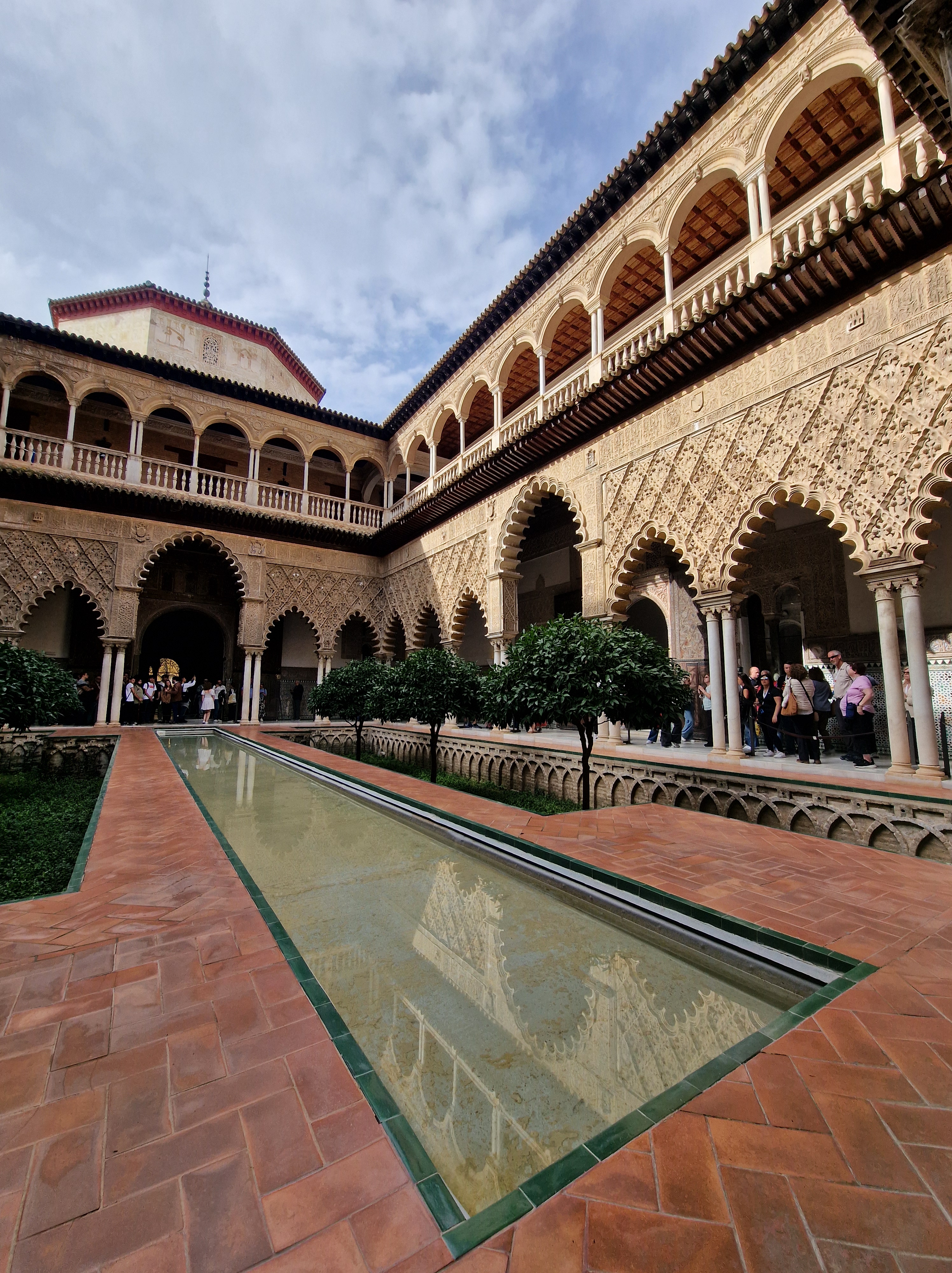
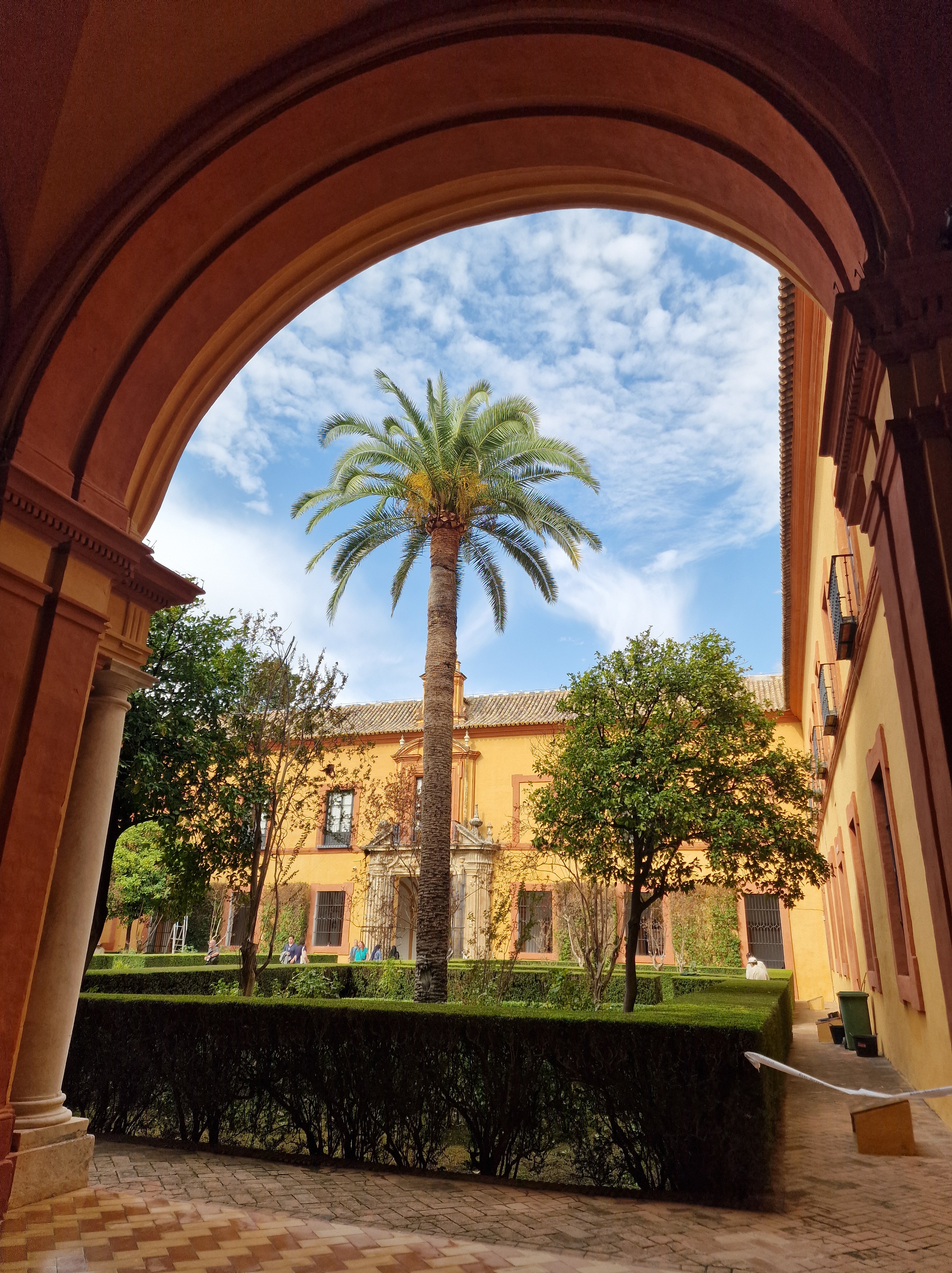
Real Alcázar The Real Alcázar is the oldest royal palace in Spain that’s still in use today, and it’s been a UNESCO World Heritage Site since 1987. It’s one of Seville’s most popular attractions, so pre-booking tickets is essential.

Think stunning gardens, water features and peacocks roaming the grounds. Unfortunately, on the day we visited, there was a storm forecast for later in the afternoon, so they decided to close the entire garden area. They also didn’t mention this until you were already inside, and the only notice was a sign on an A4 sheet of paper. Cue many bewildered and mildly furious visitors. And because tickets were sold out for the next five days, most people didn’t have the option to come back.
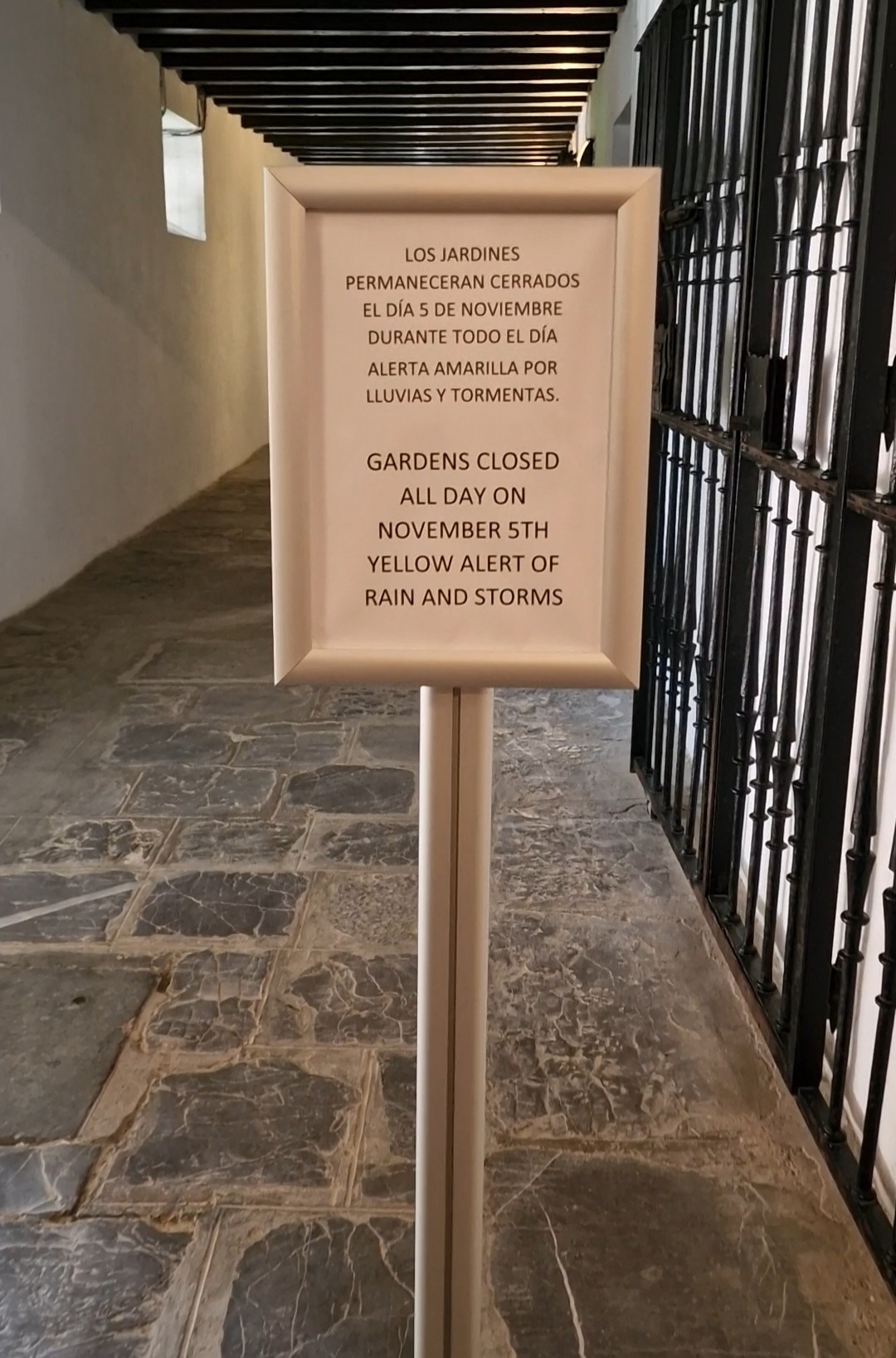
Even so, there’s still plenty to explore inside, and you can access some outdoor courtyards. Which makes the garden closure even more confusing, especially since the rain didn’t show up until much later.. Palace politics! I thought I’d try my luck with a cheeky complaint to Get Your Guide, and they very kindly gave us a partial refund.
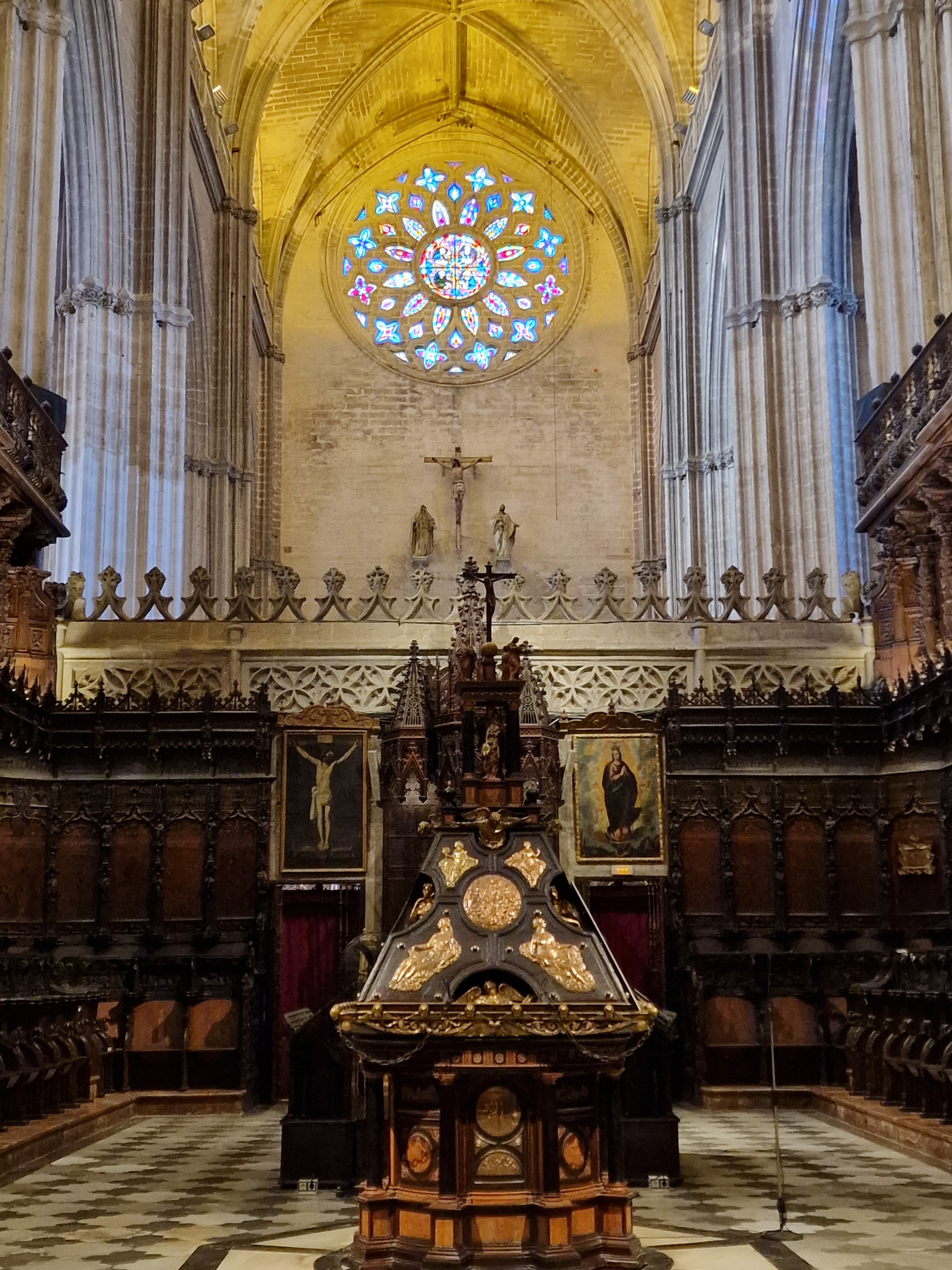
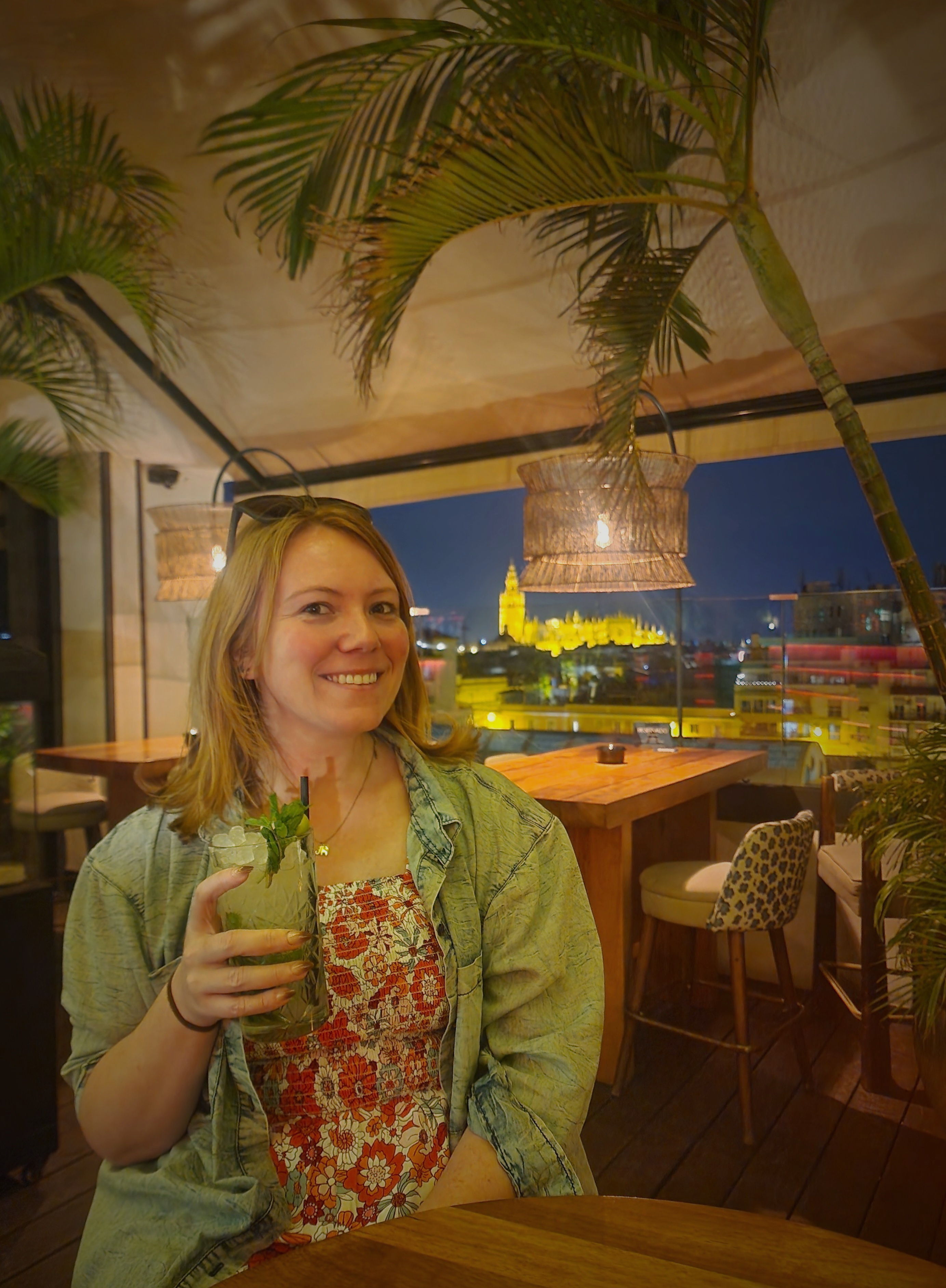
Cathedral  Seville Cathedral is the world’s largest Gothic cathedral and a UNESCO World Heritage Site, and is home to the iconic La Giralda bell tower.
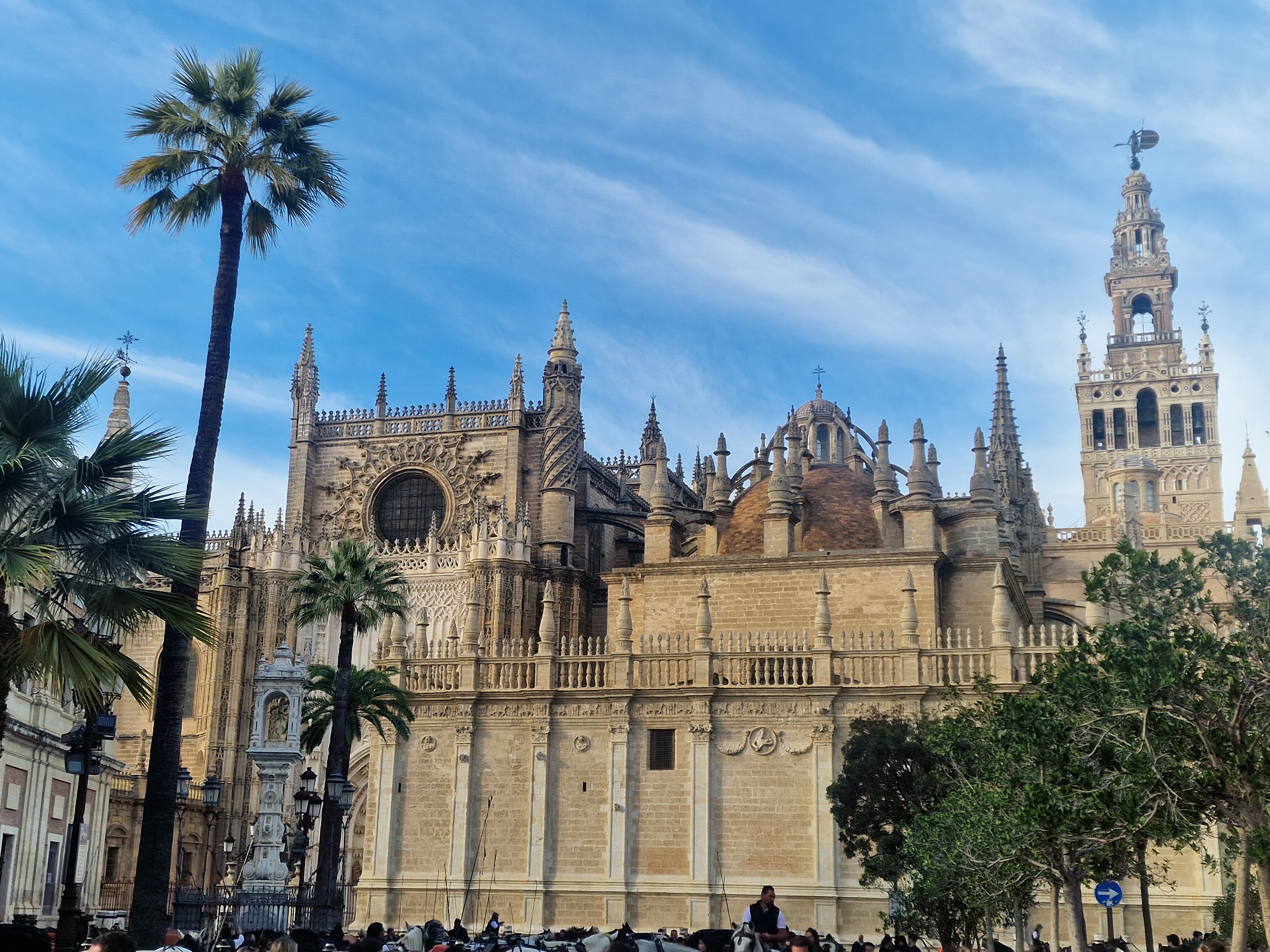
We started our visit by climbing La Giralda, and to our surprise, it wasn’t the usual endless spiral staircase. Instead, it’s a series of sloping ramps leading all the way to the top. This design allowed the muezzin, who once called the faithful to prayer, to ride up on horseback. A much more dignified way of arriving than being sweaty and out of breath.
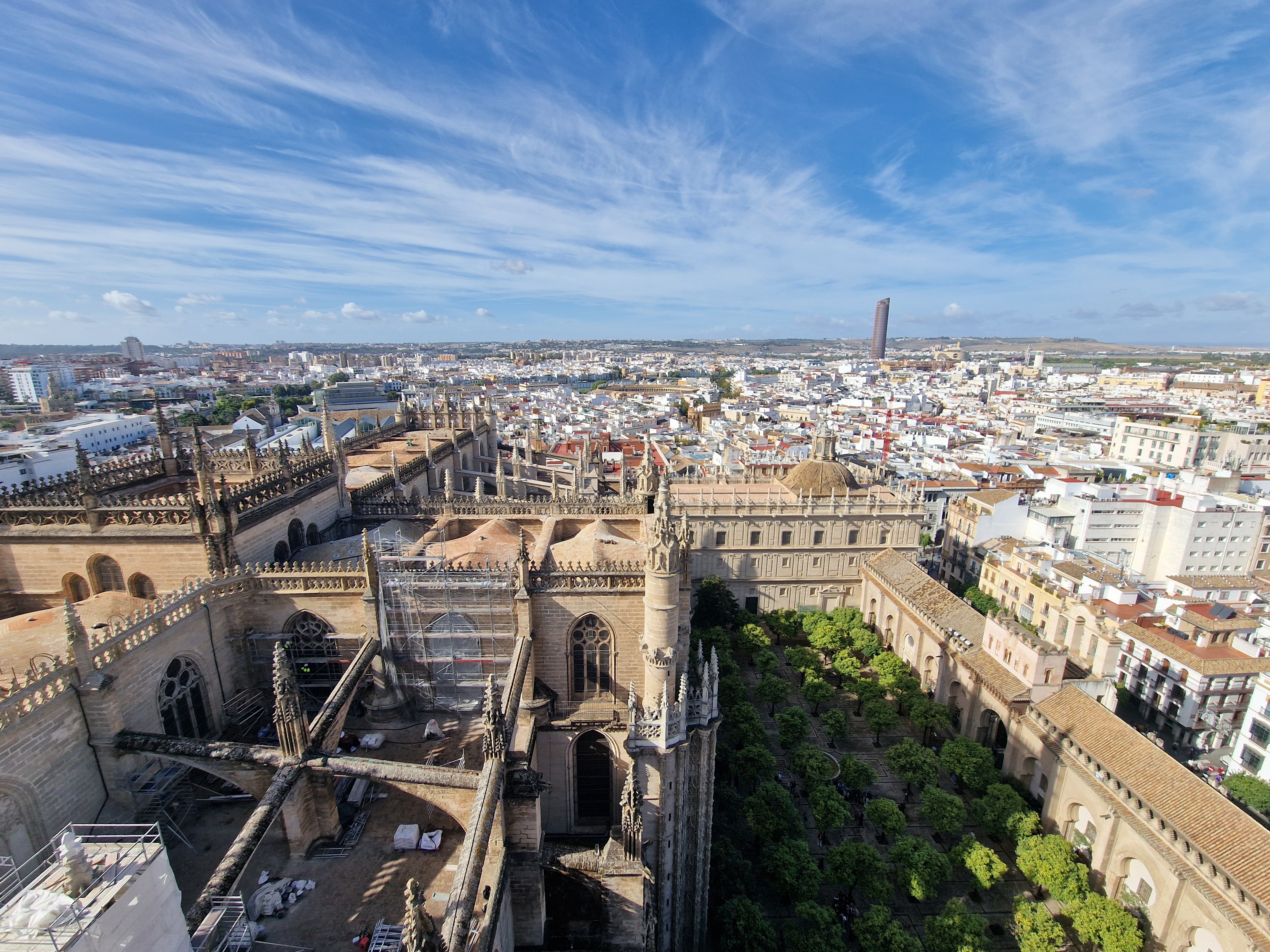
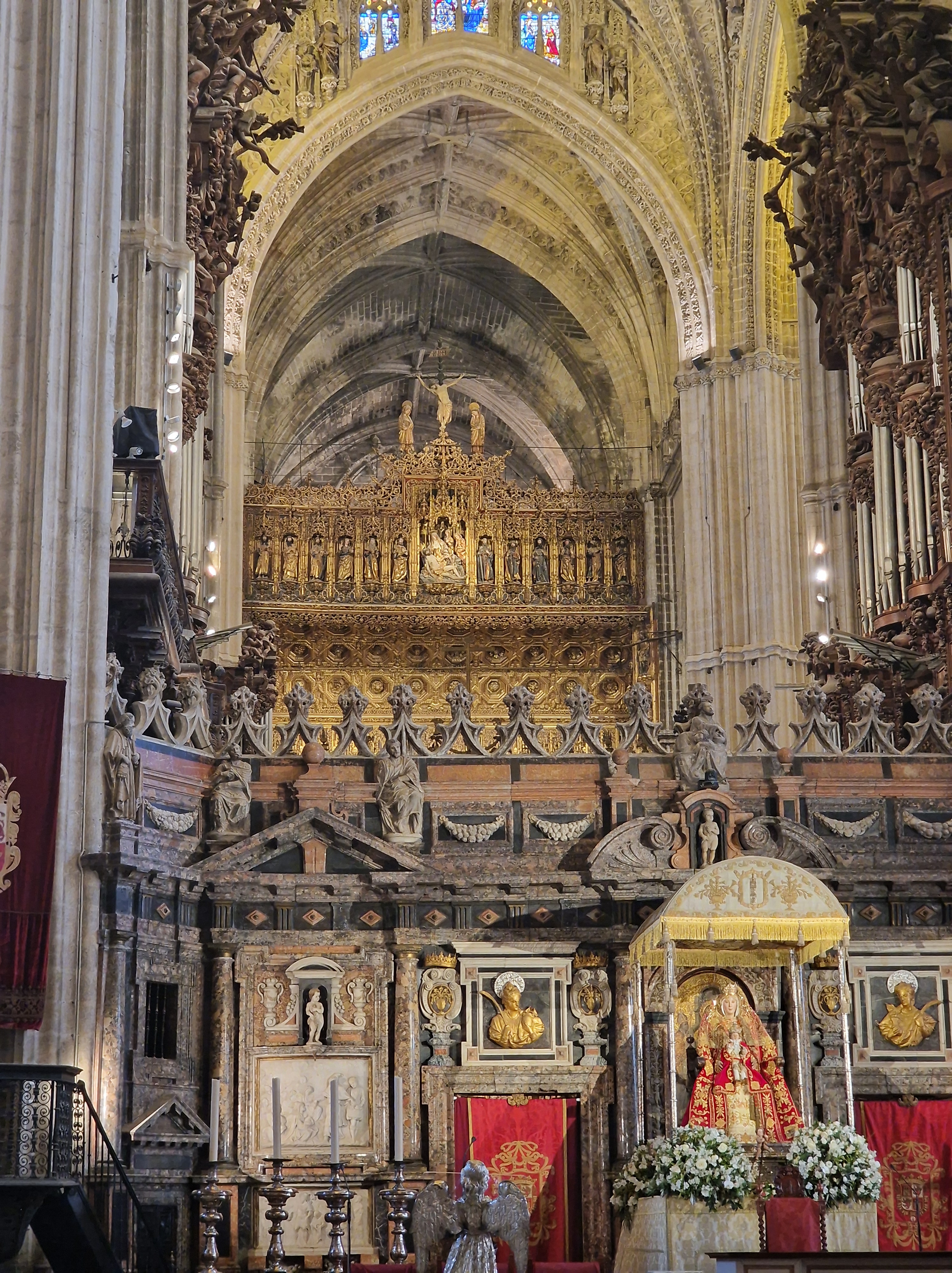
Inside the cathedral, you’ll find the remains of Christopher Columbus, the vast main chapel with the largest altarpiece in the world, an orange tree courtyard (although not actually orange for us), and the Royal Chapel where Spanish monarchs are laid to rest.
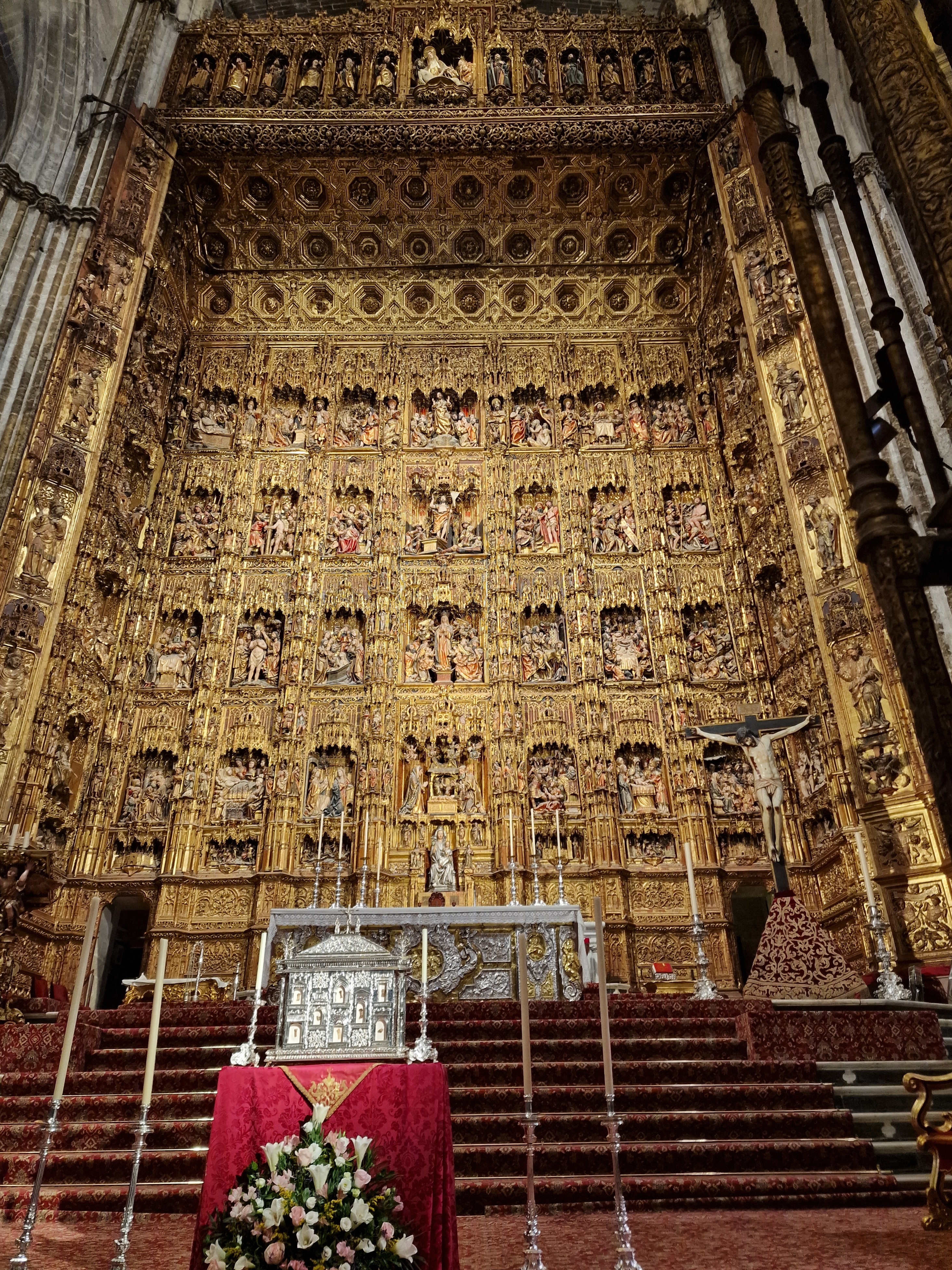
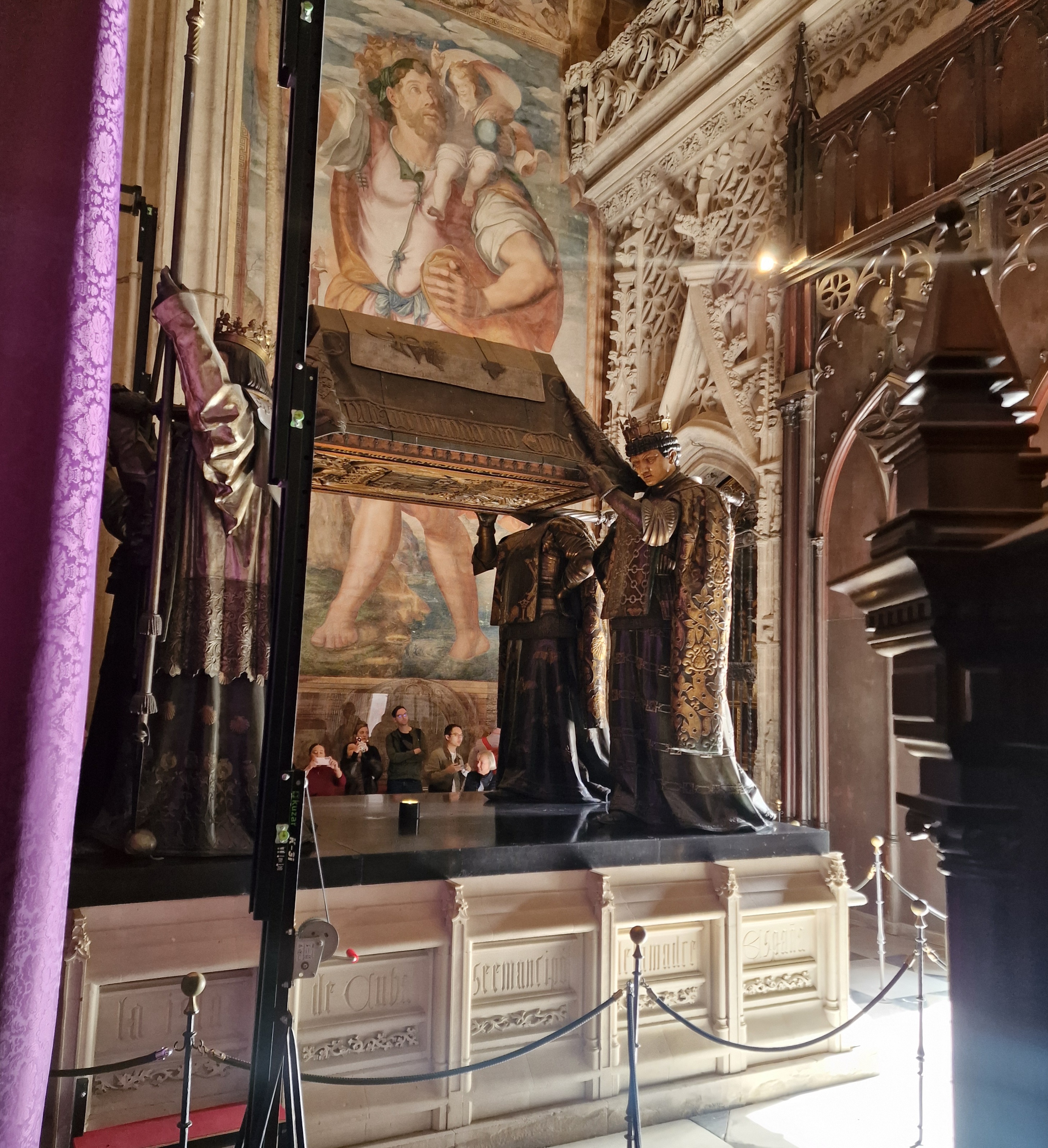
There’s also a strict dress code, which is why we were very baffled to see someone wandering around wearing a t-shirt with “The F Word” printed boldly across the back.

Setas de Sevilla

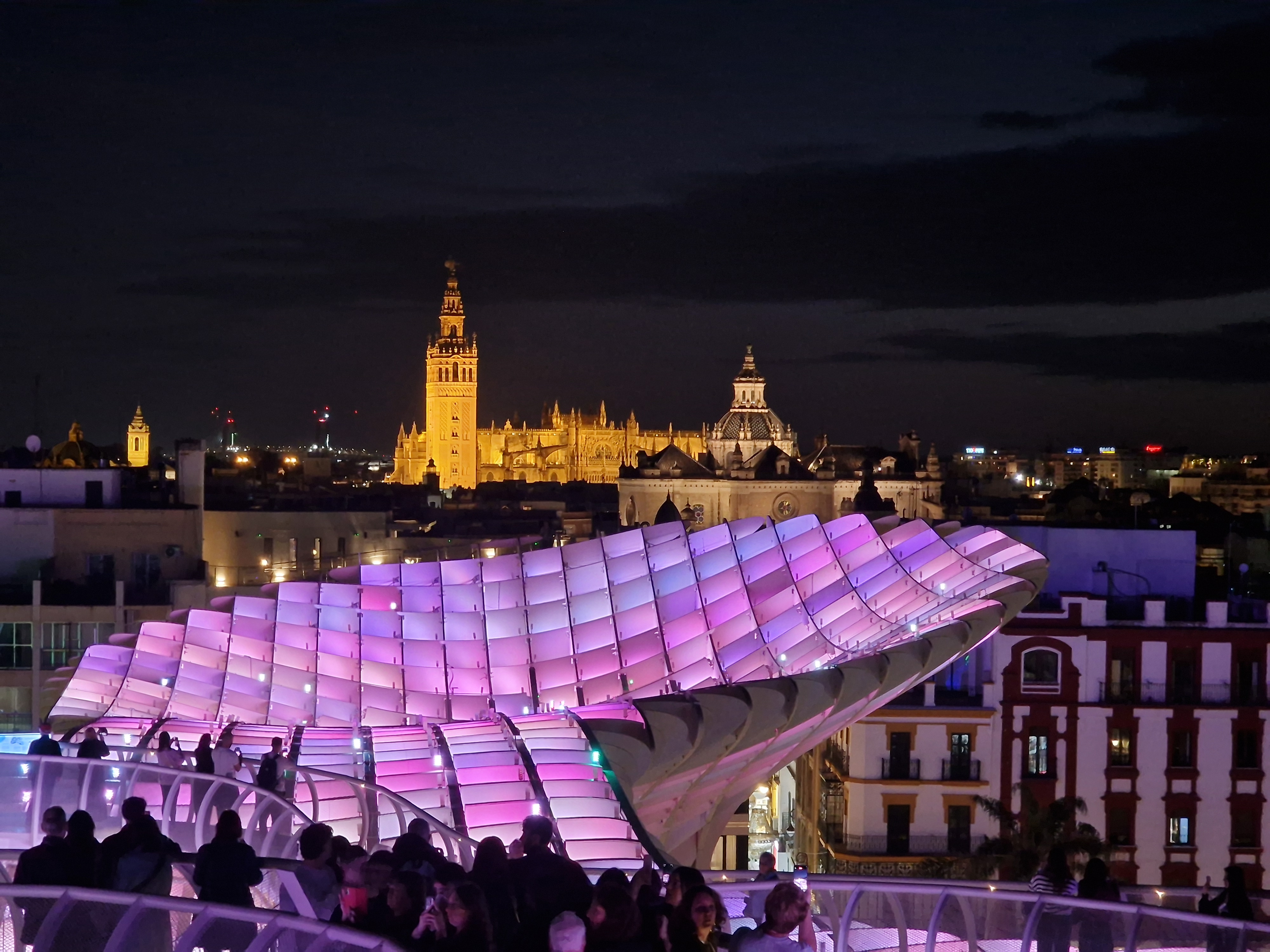
Nicknamed the mushroom of Seville, Las Setas opened in 2011 and is the largest wooden structure in the world. On top, there’s a winding walkway and terrace that offer panoramic views across the city, making it one of the best spots to watch the sunset.
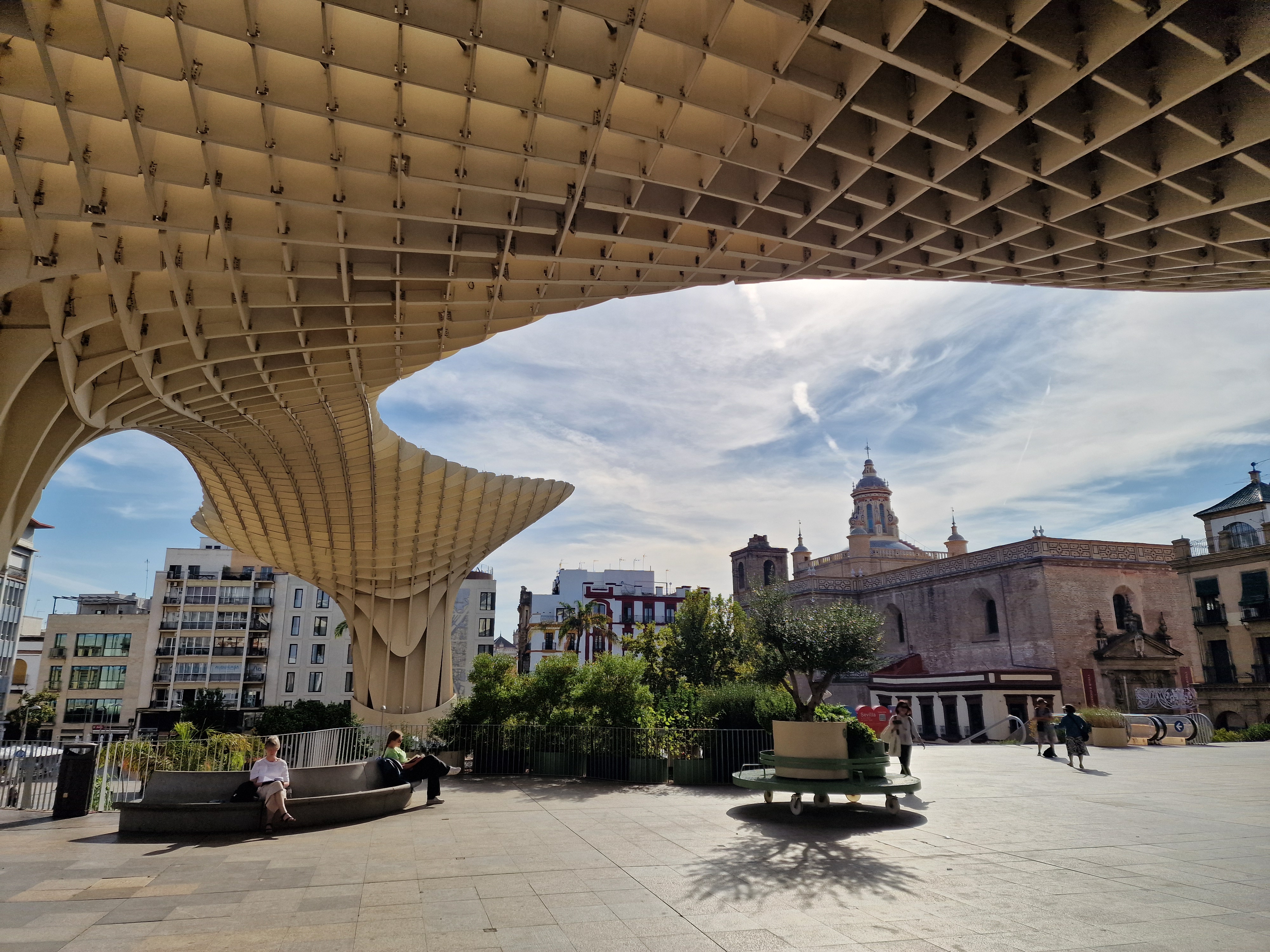
We timed our visit so we could see the skyline in daylight, then at sunset, and finally at night during the Aurora light show. The only hiccup was actually finding the entrance, which turned out to be -1 level, and not level 1 as the ticket suggested. We ended up wandering around the plaza in circles and nearly missed our time slot.
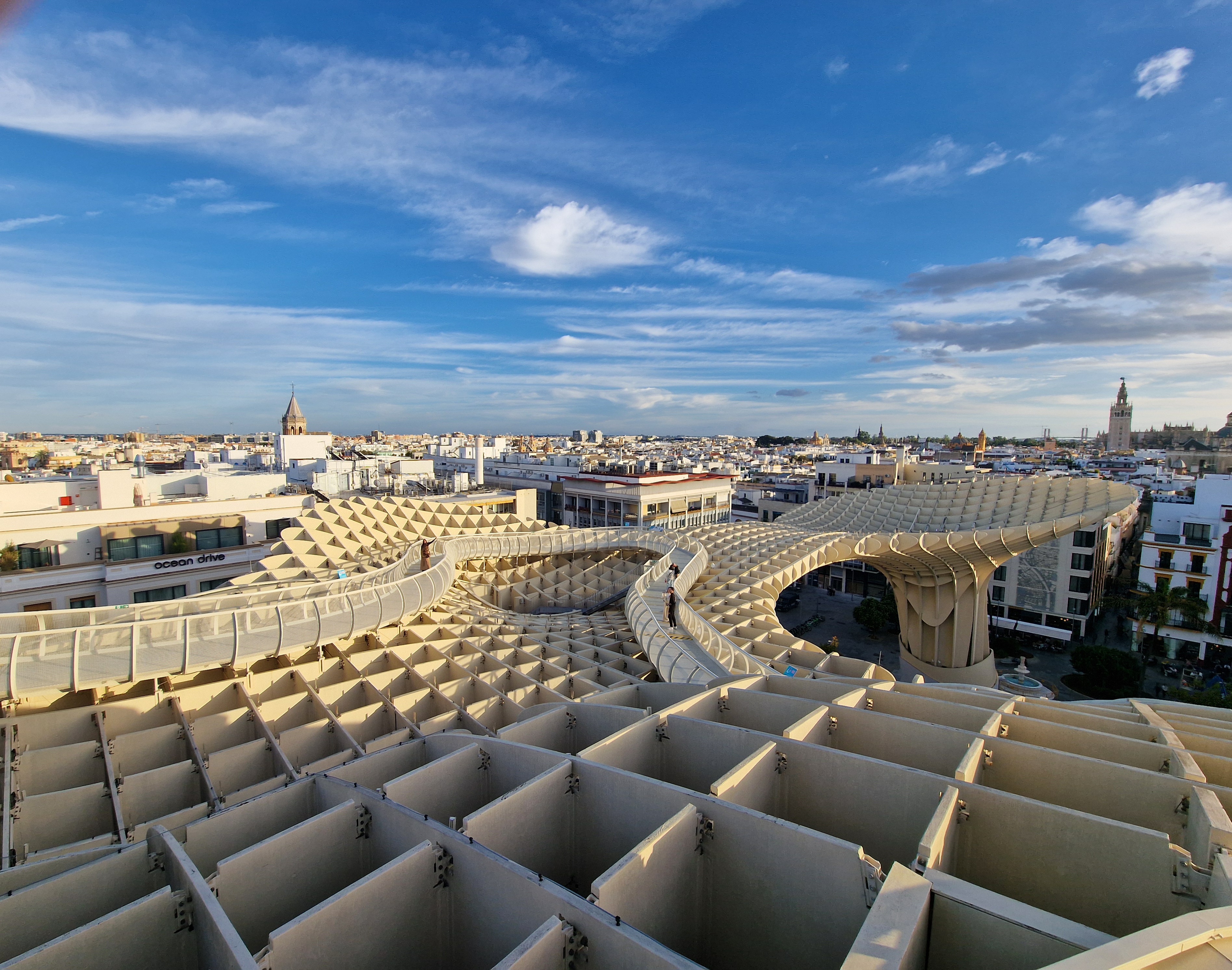
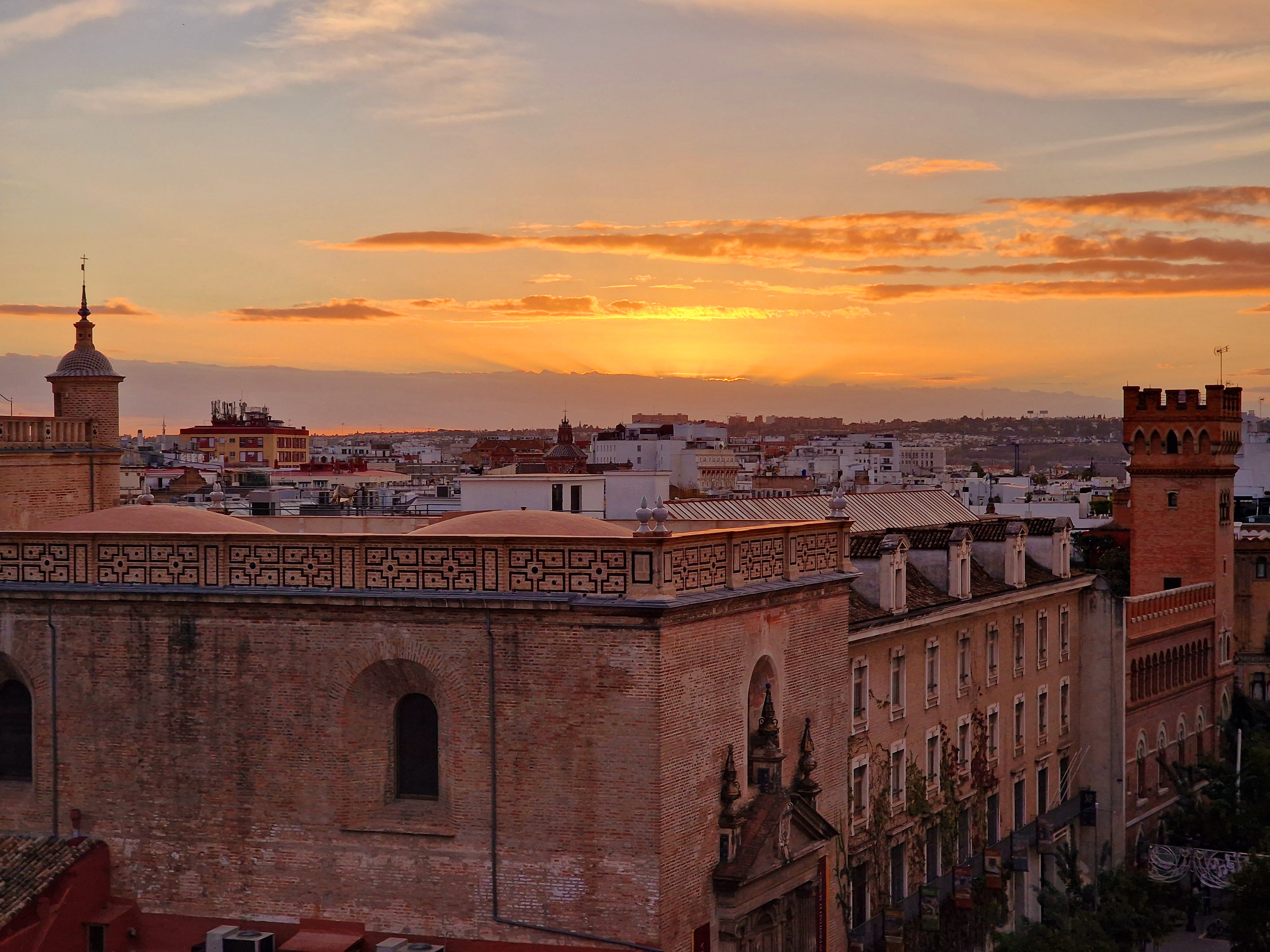
Our hotel was right next to Las Setas, so we got to admire the giant shroom every day.

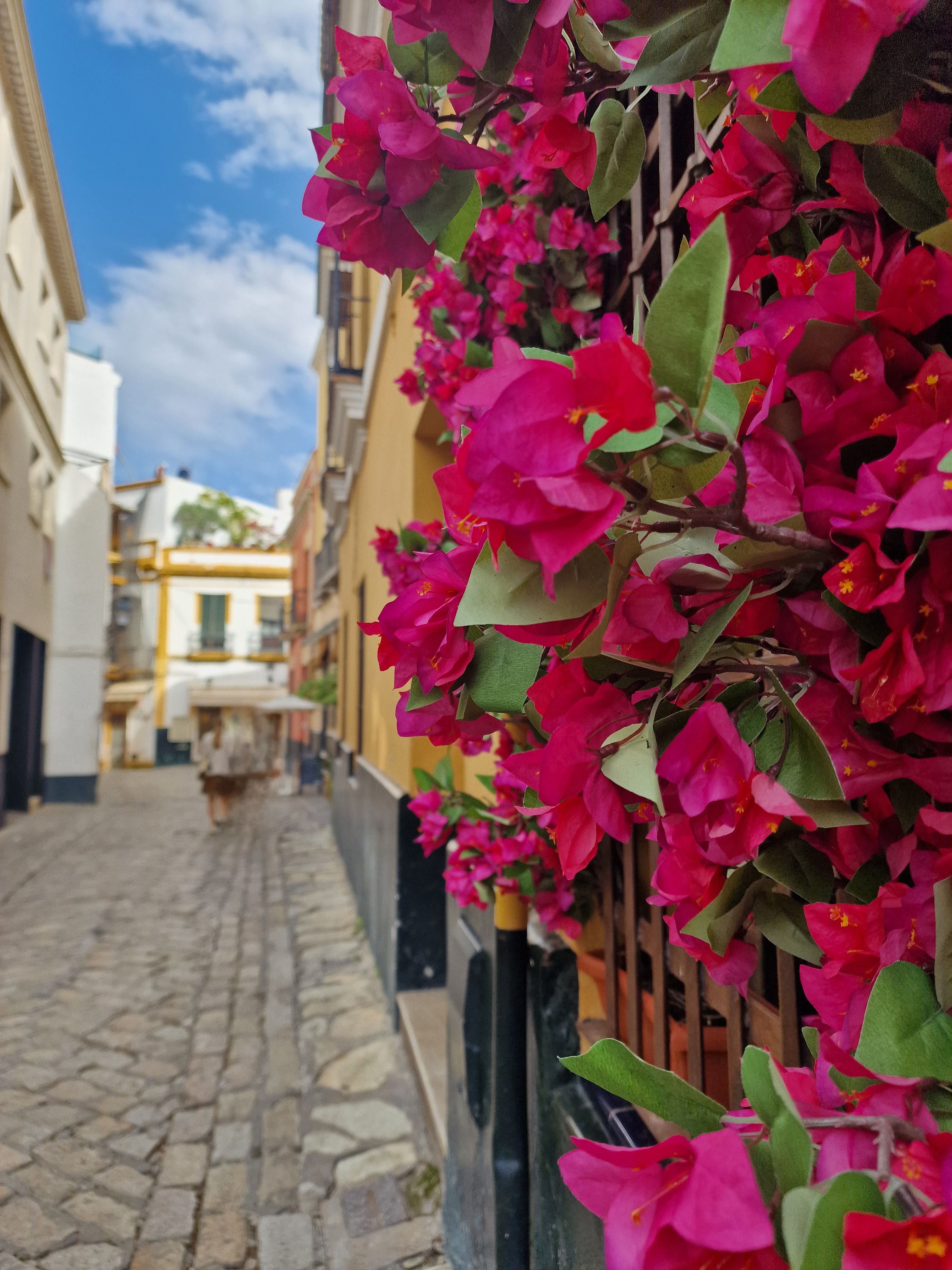
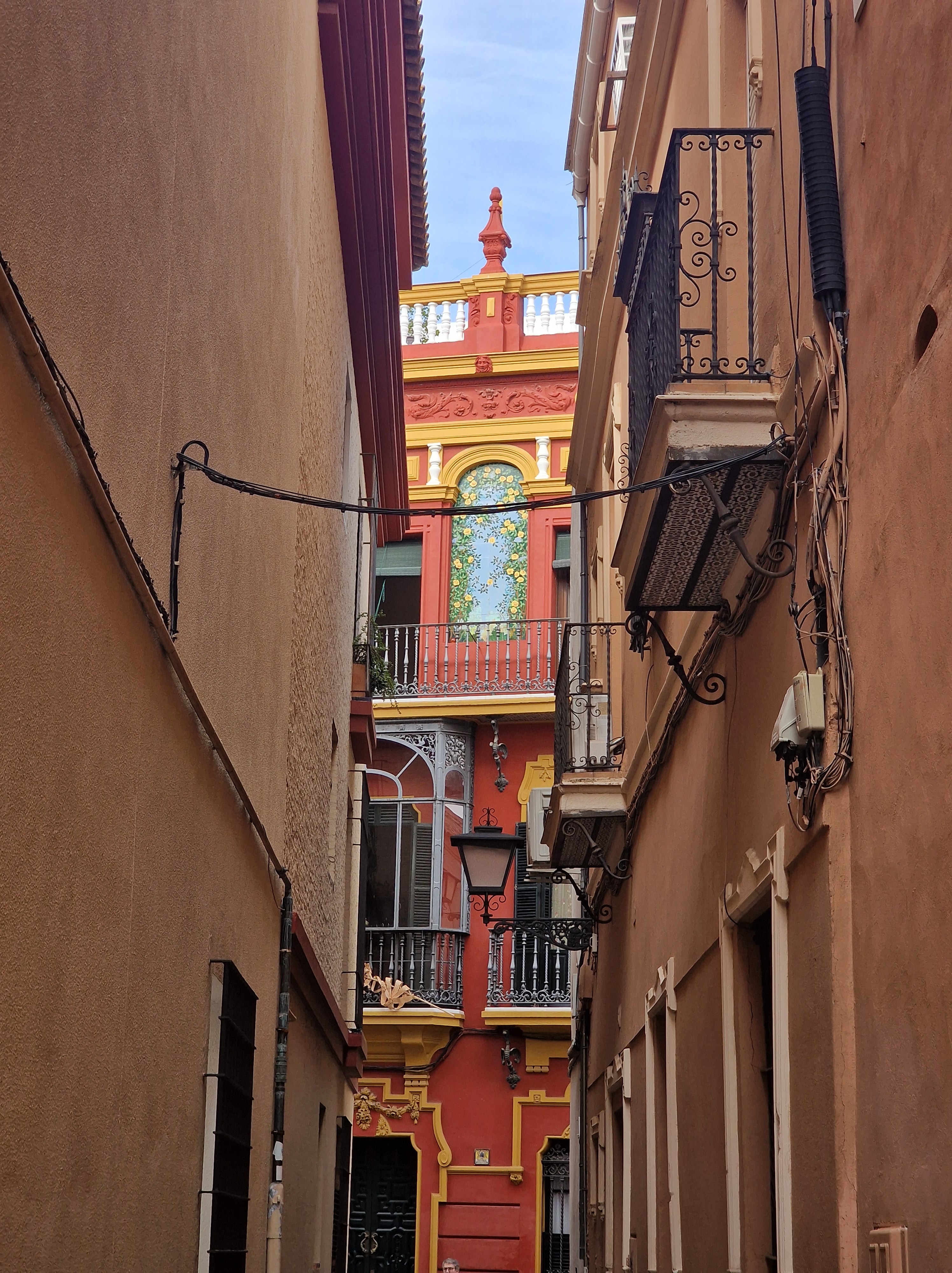
Get lost Like most European cities, the best way to experience Seville is simply to wander and get lost in its maze of streets. You’ll find picture-perfect cobblestones, tapas bars on nearly every corner, murals painted on shuttered shop fronts, and balconies overflowing with flowerpots. Always remember to look up.
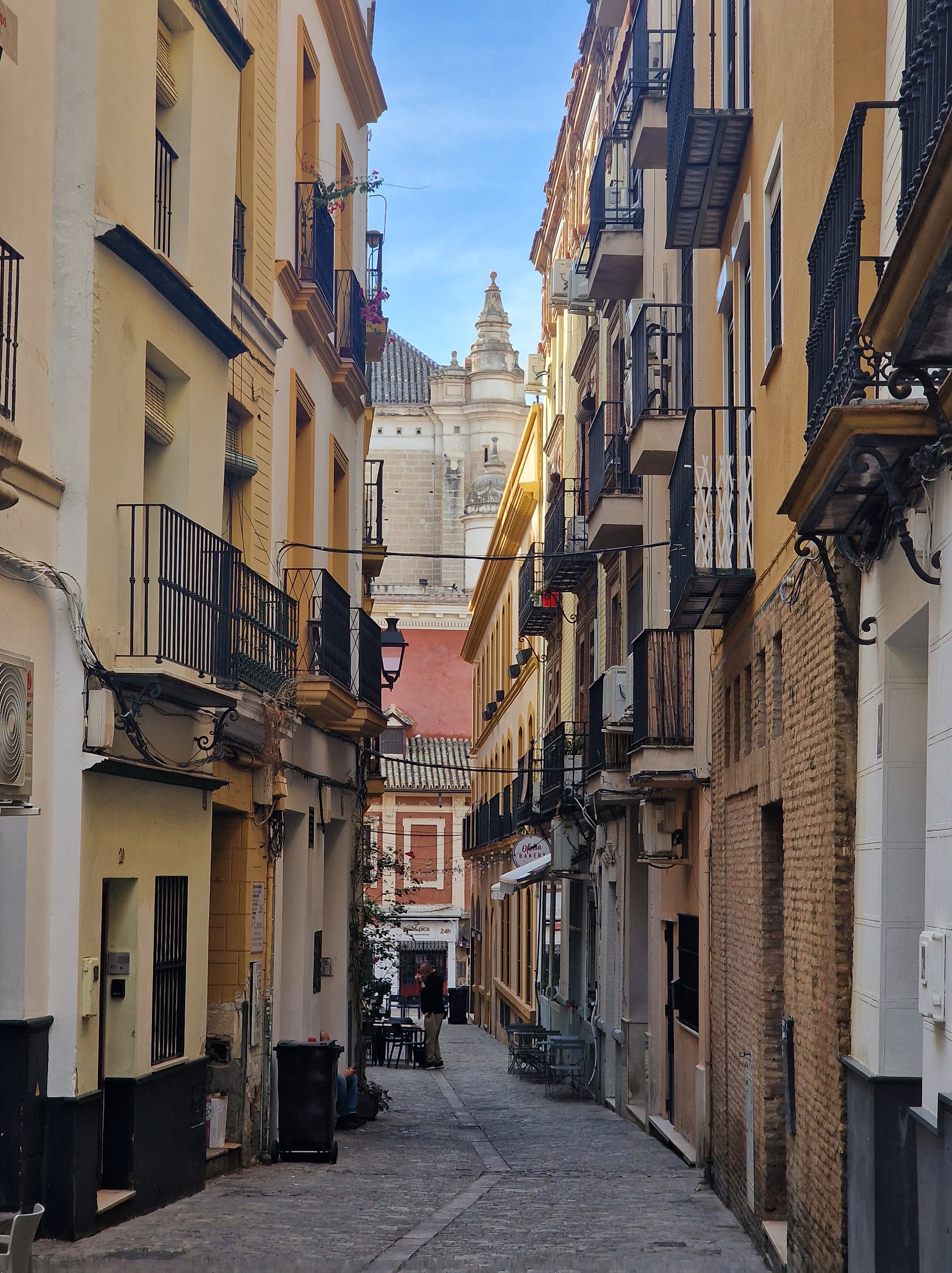
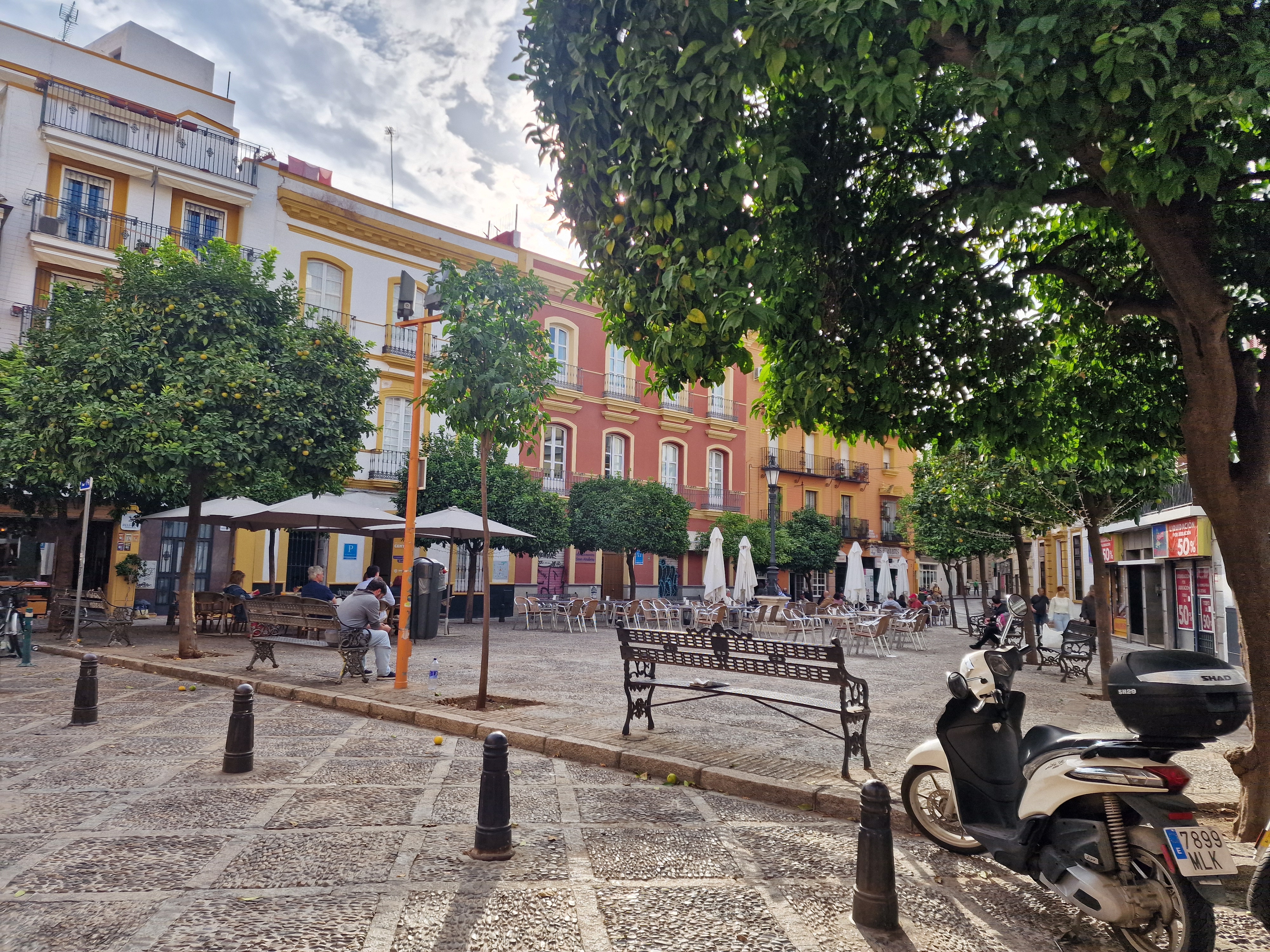
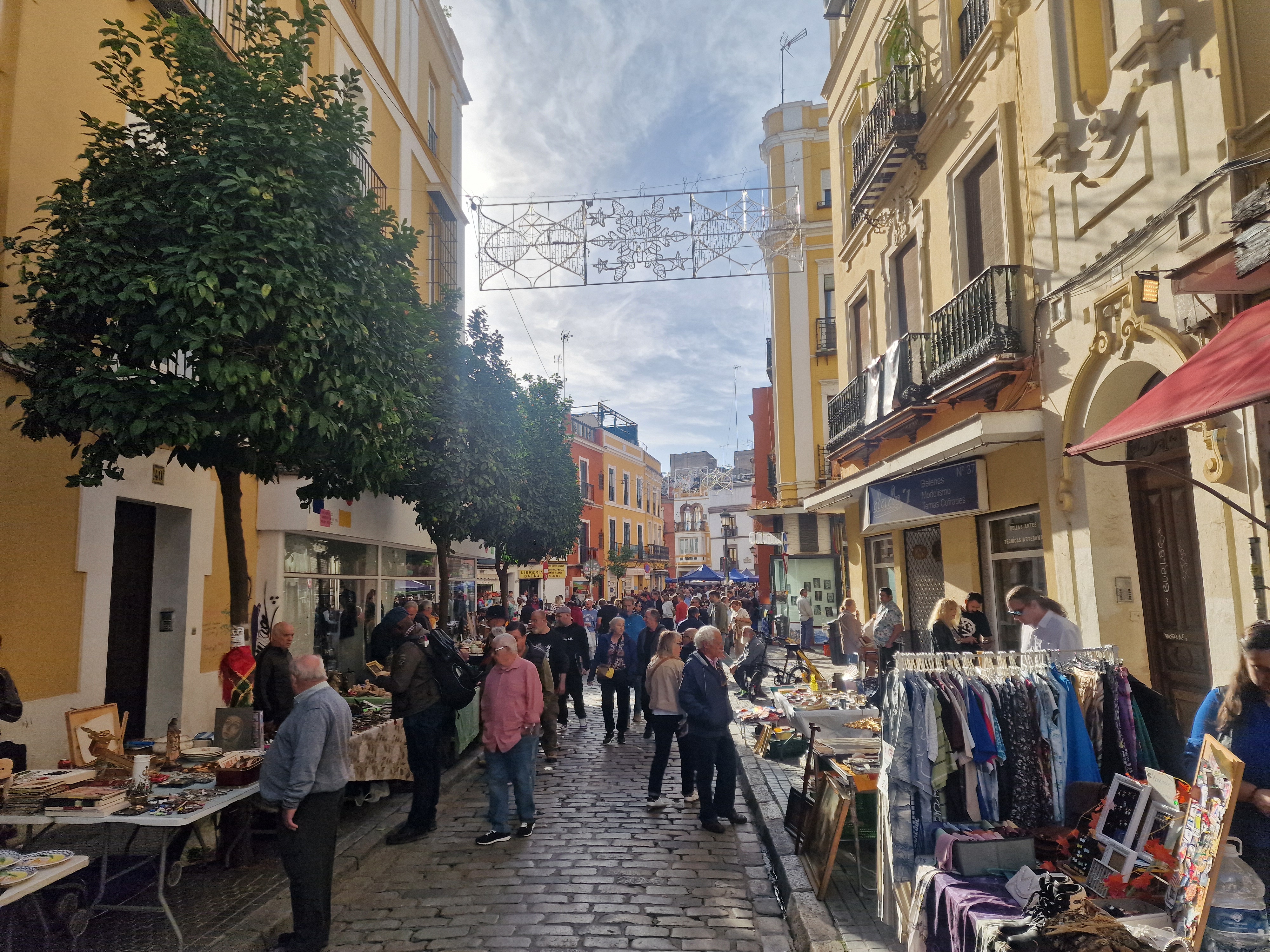
Because we were there on a Thursday, we were able to explore the local flea market. It was genuinely painful to be travelling with only hand luggage, because we could have bought so much. And if flea markets aren’t enough temptation, Seville is packed with vintage shops too, each one luring you in with that distinctive smell and window displays.
Food and drink  Seville has so many tapas bars that trying to recommend specific ones feels impossible. We ended up in one right opposite Las Setas, and another tucked away in a small square. Both were great… aside from the “sucking lamb” ravioli, which unfortunately looked like the chef had chewed it first and then lovingly spat it back in. The flavour was intensely lamb-y. I didn’t mind it, but Mum gagged.
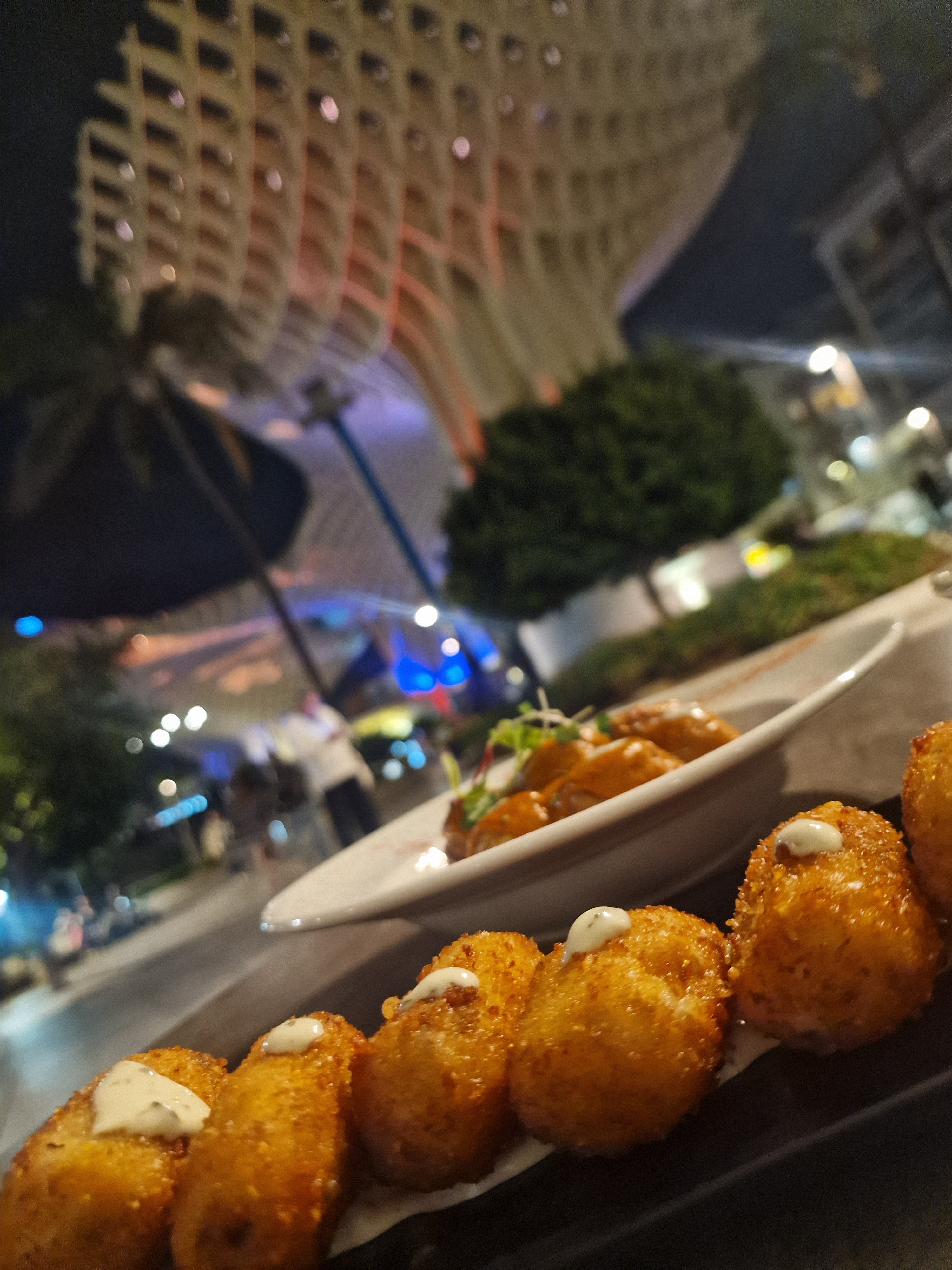
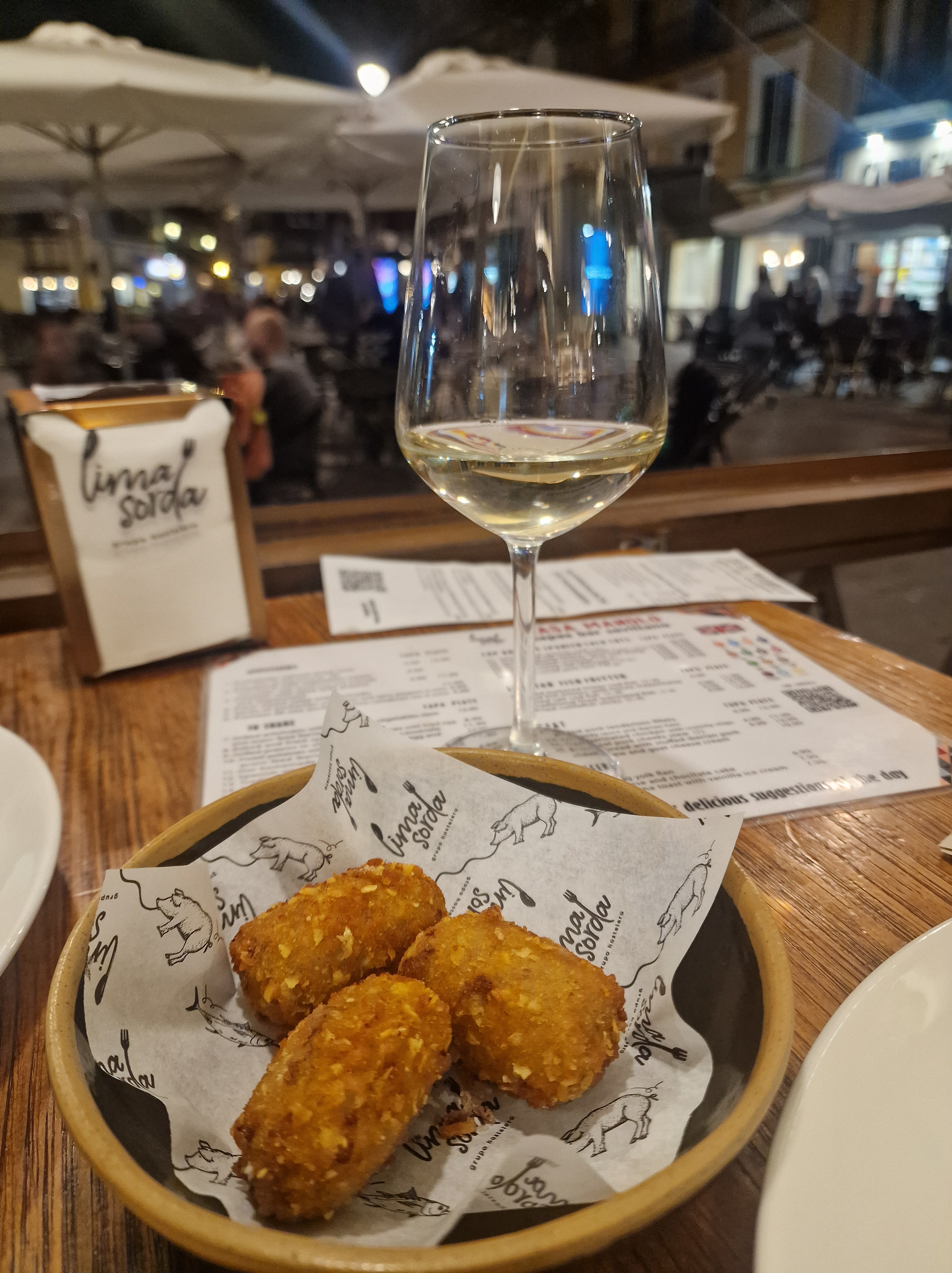
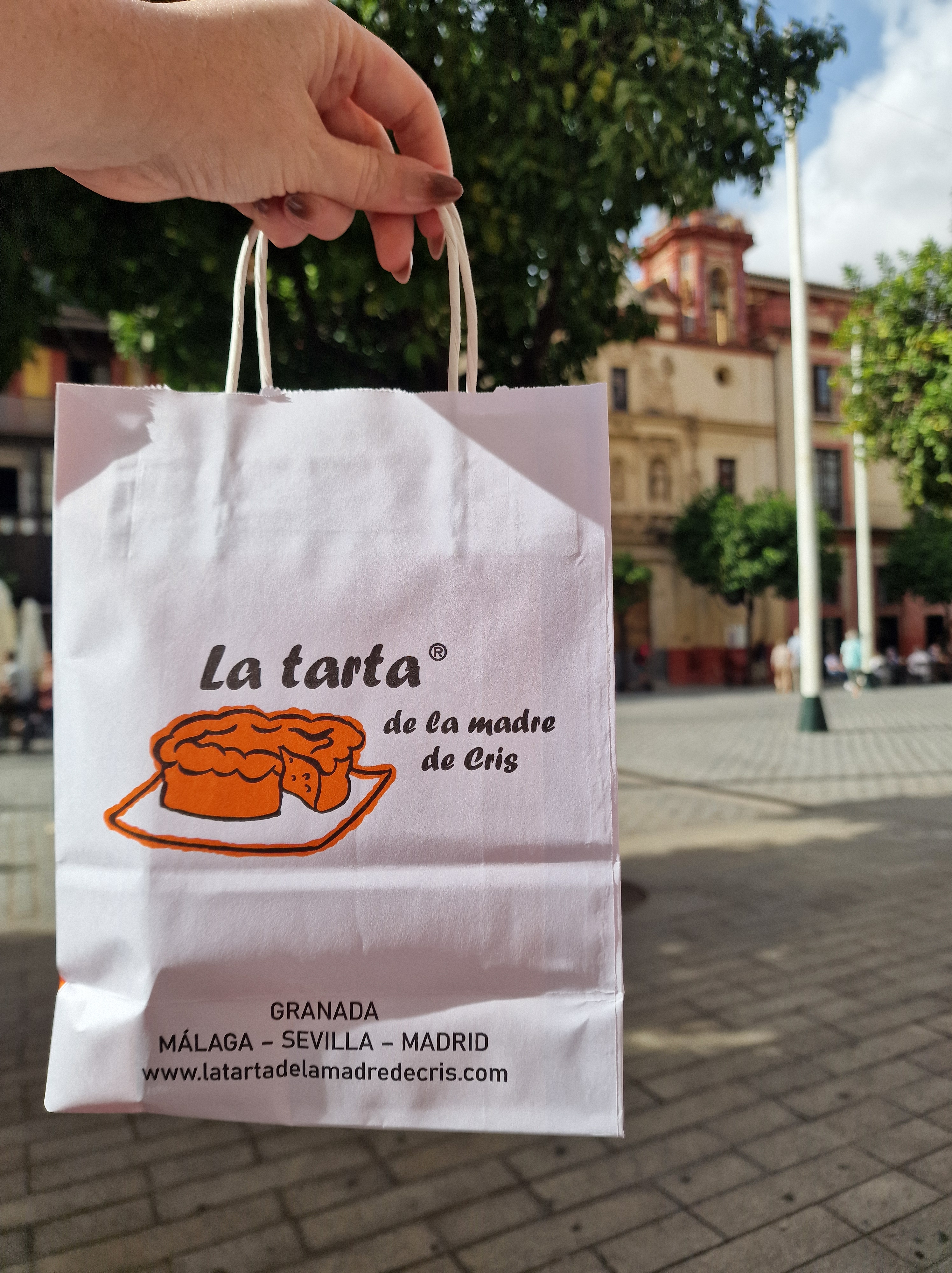
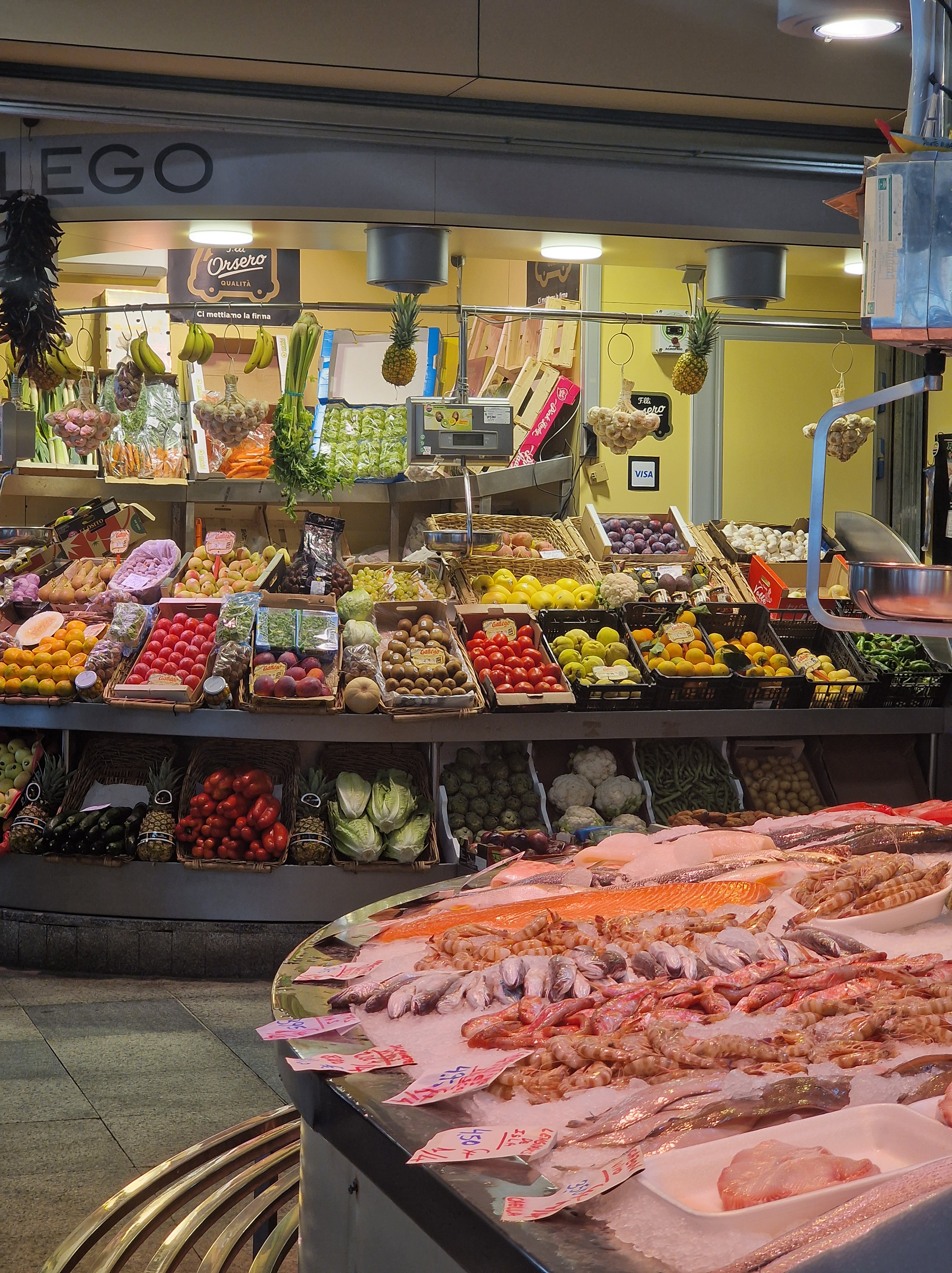
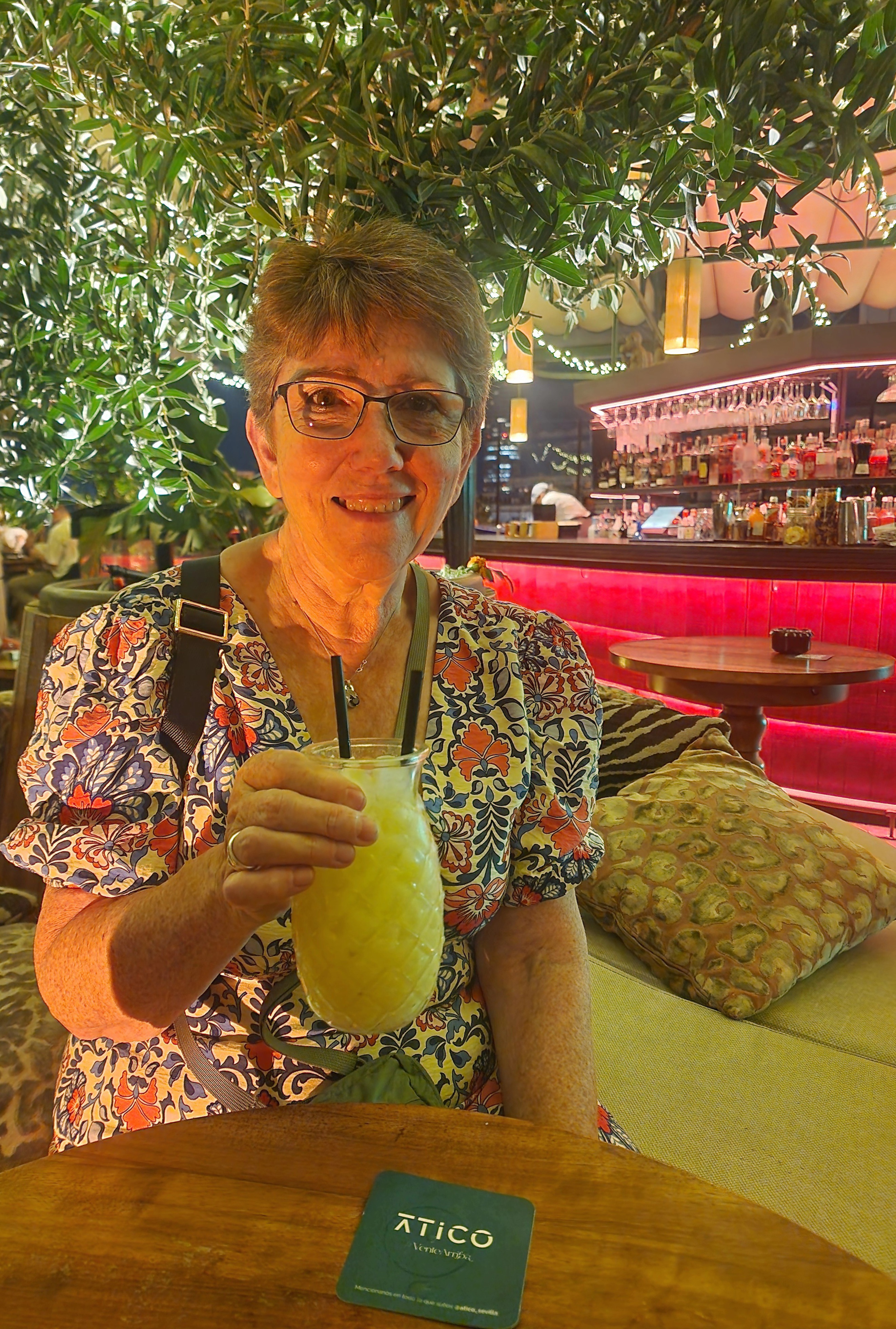
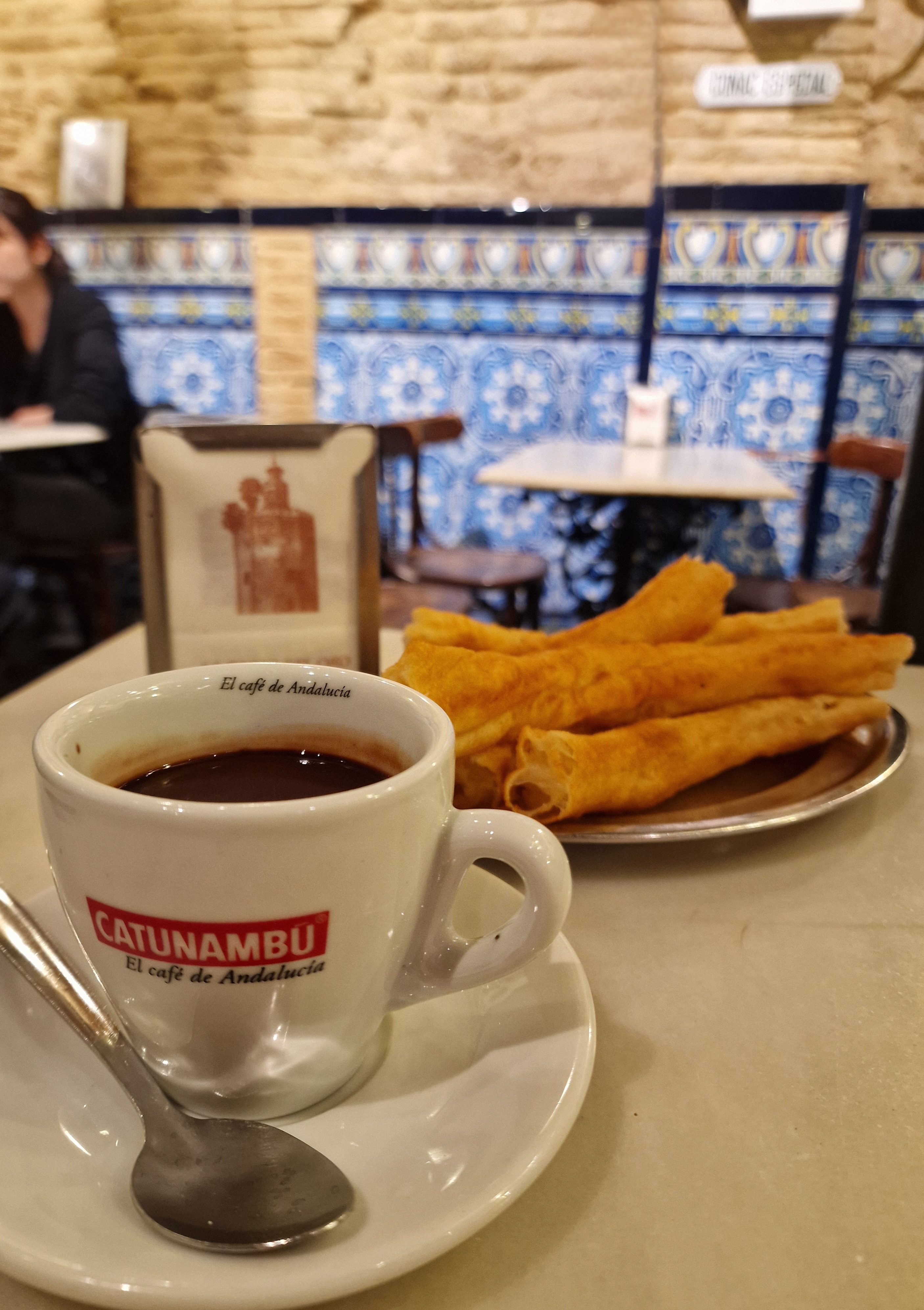
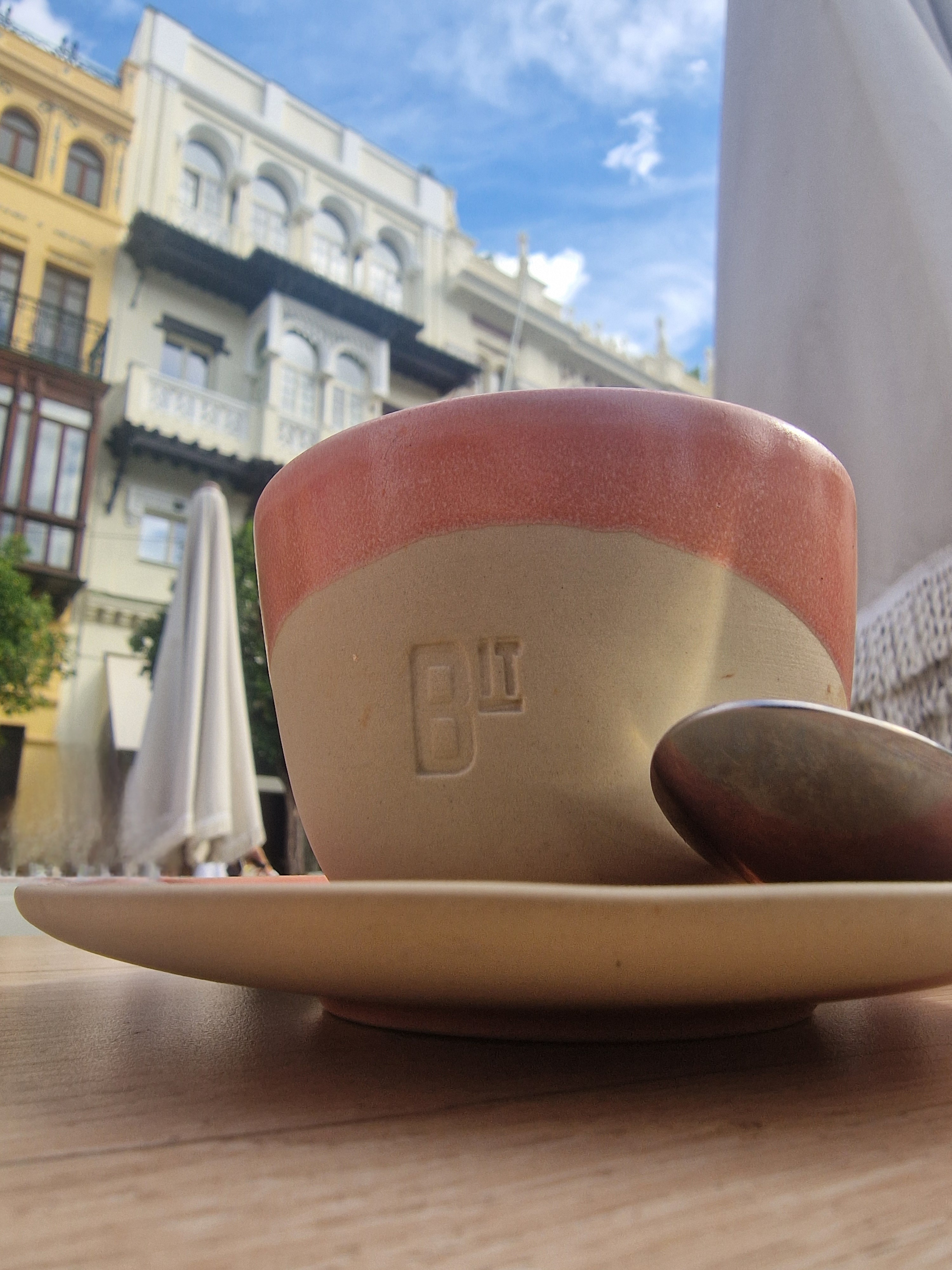
We also enjoyed chocolate and churros, and found some lovely cafés for coffee, cake, and brunch. You’re truly spoilt for choice here. There are food markets too, where we grabbed an outrageously cheesy pizza, and rooftop bars perfect for sipping cocktails while taking in the city views.
Helsinki 🇫🇮

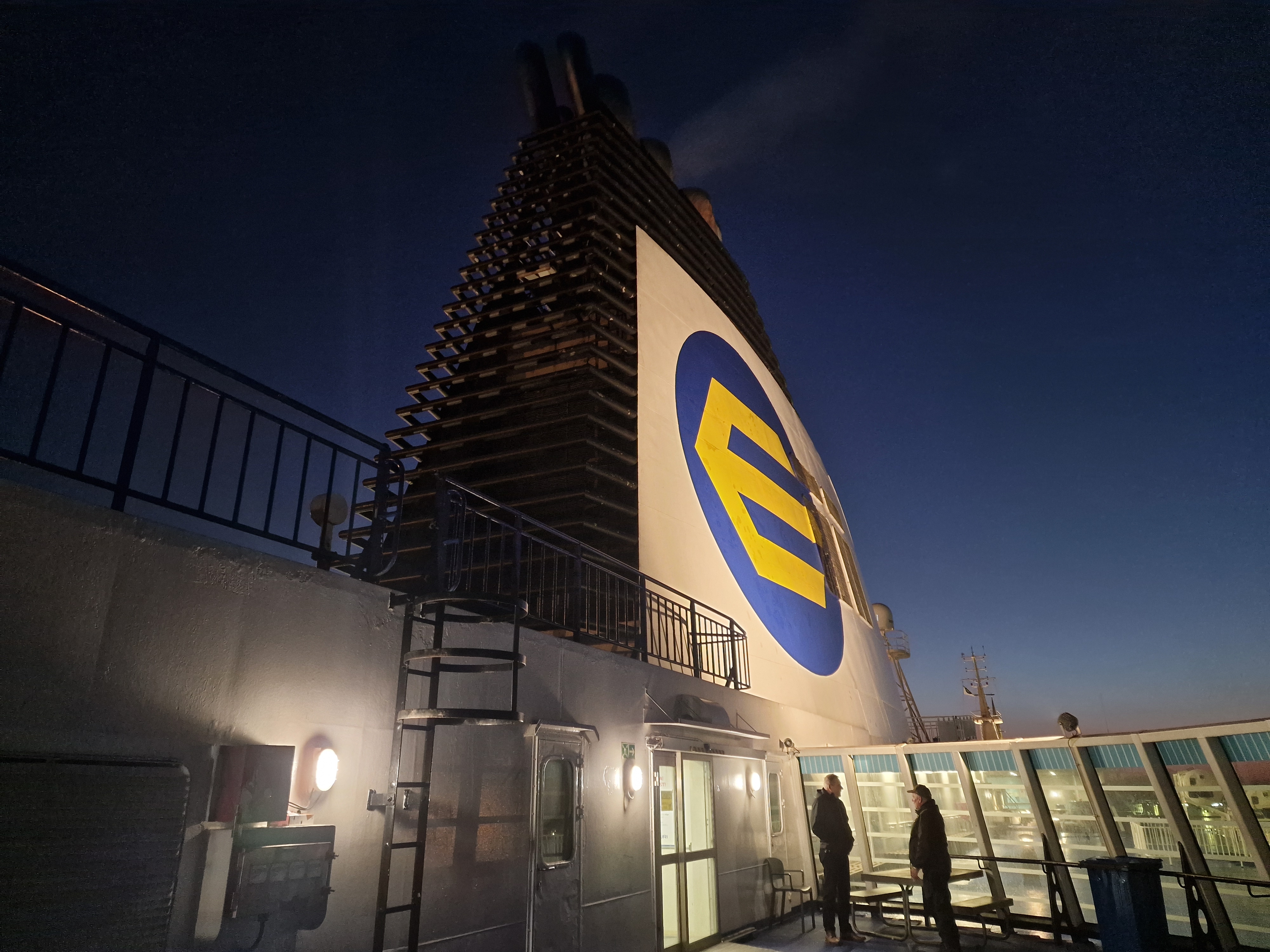
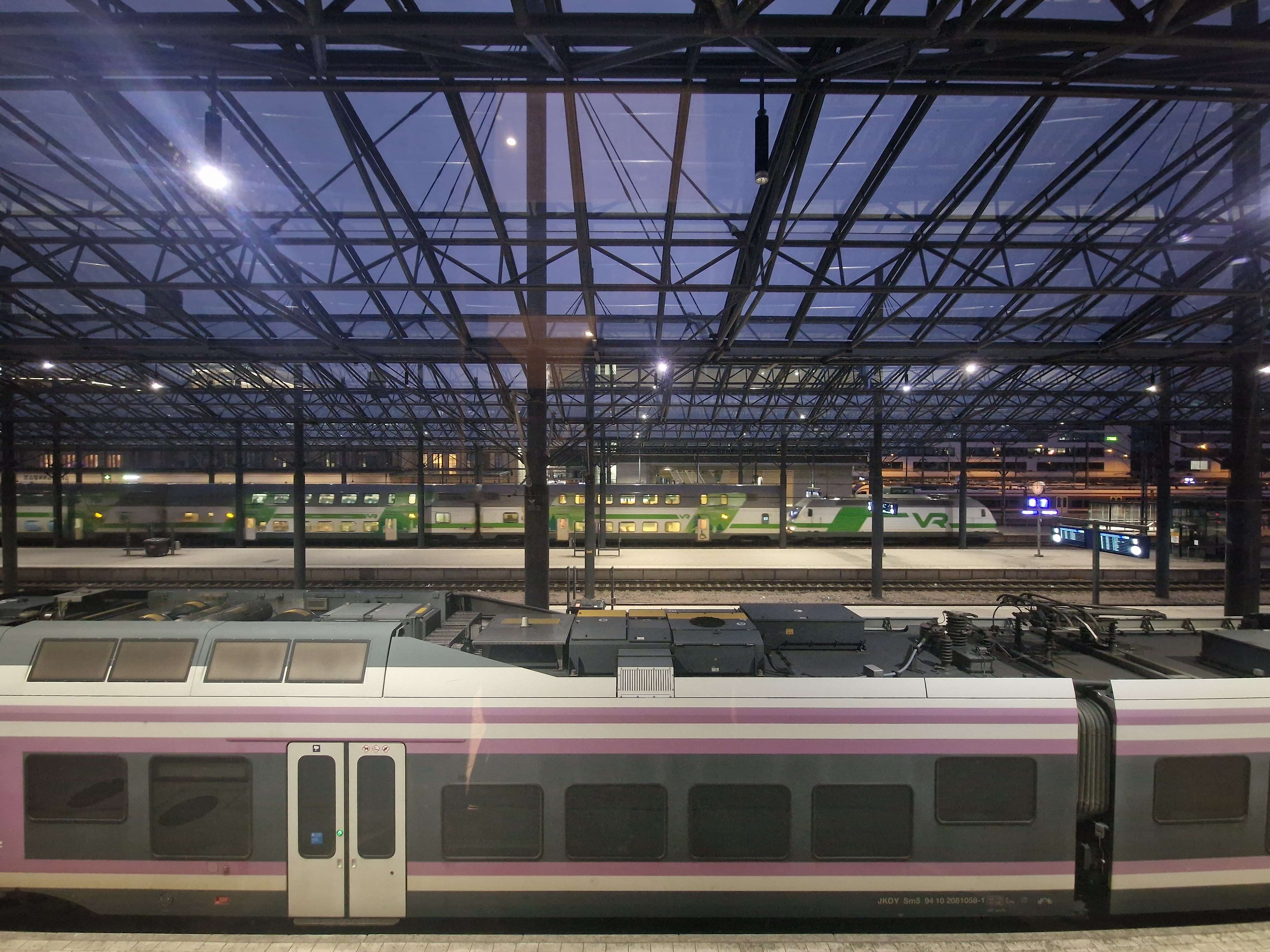
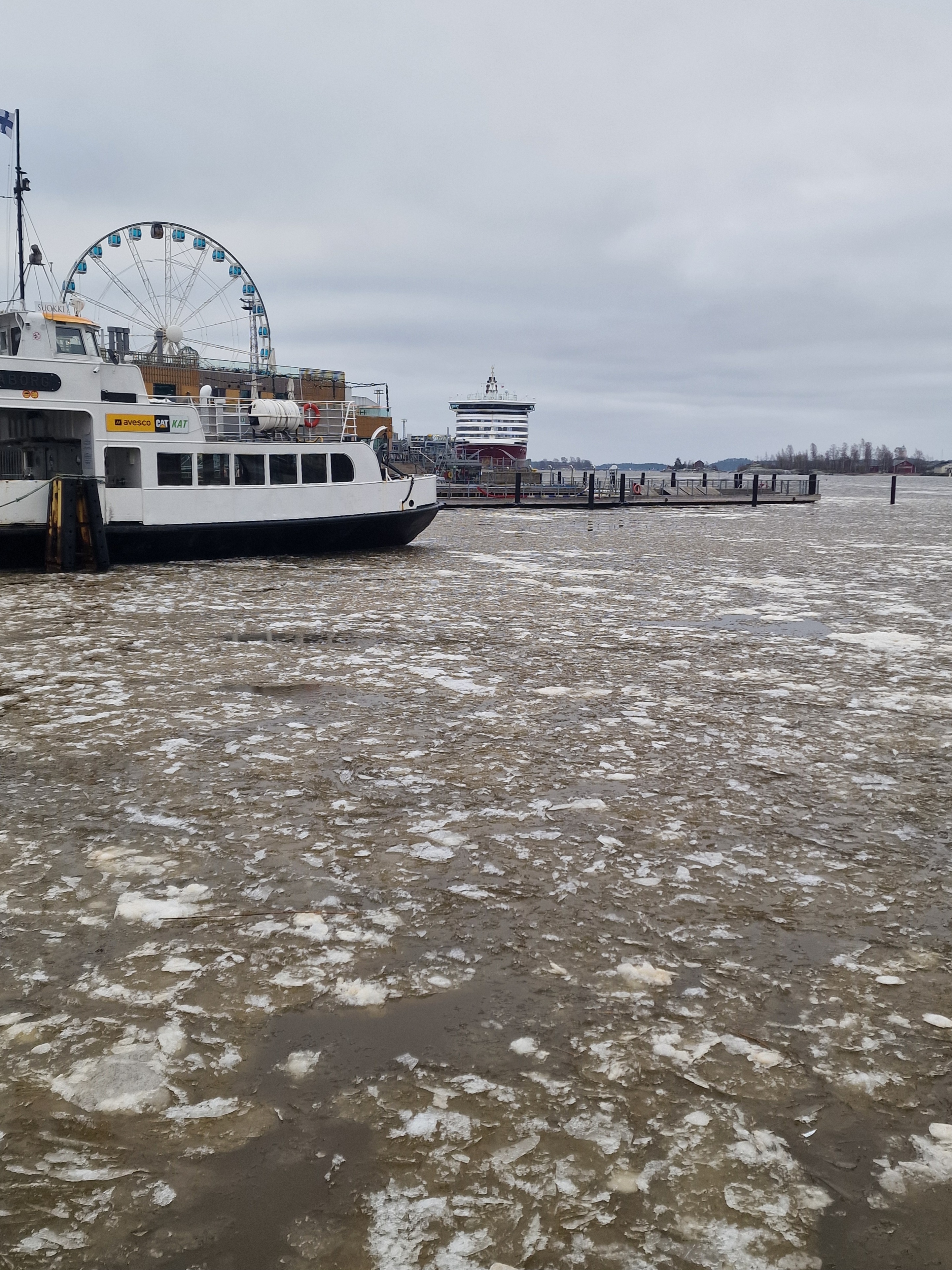
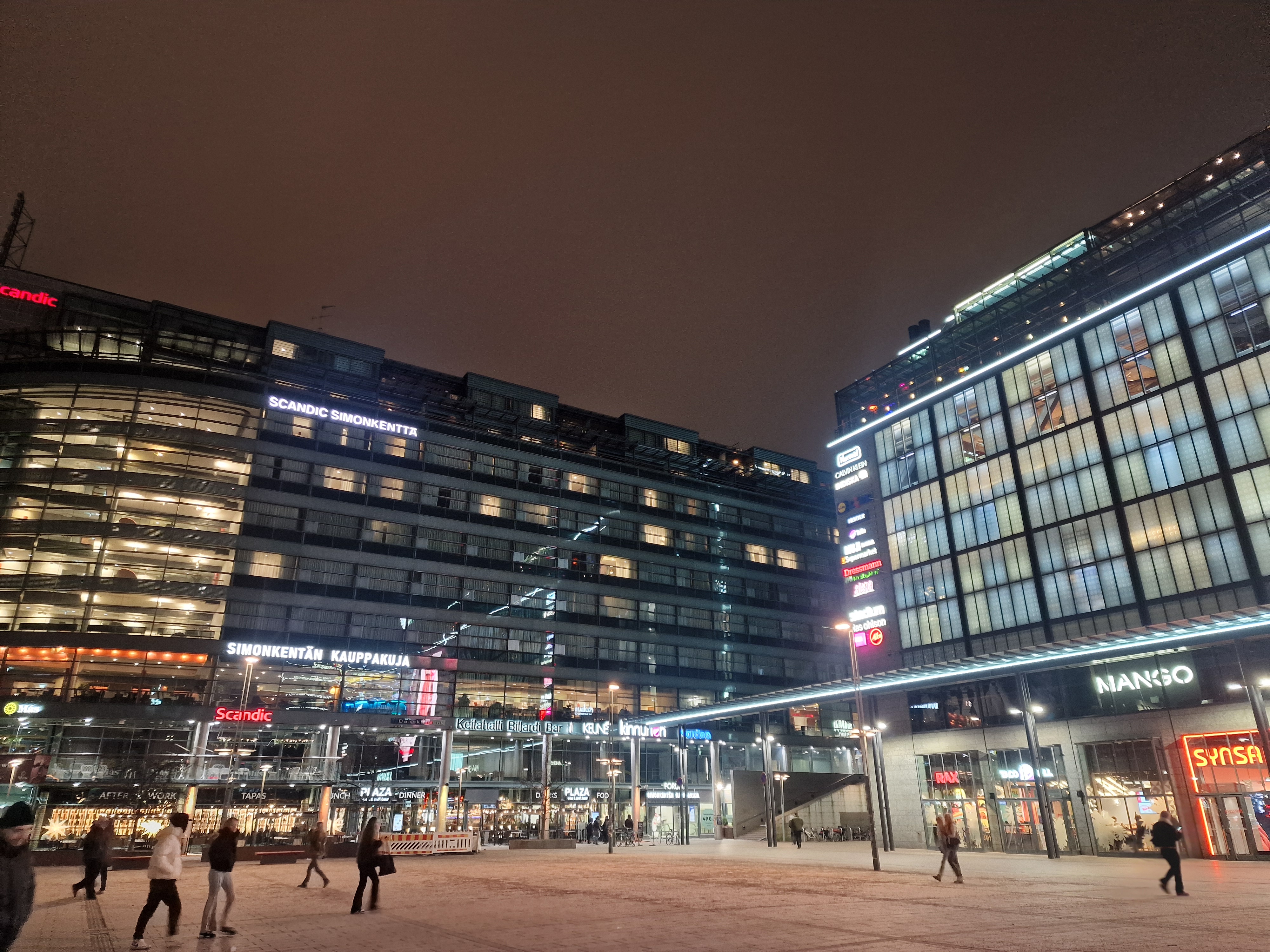
We arrived late in the evening after the ferry ride from Tallinn. The ferry was huge, with plenty of bars and shops, as well a live band and karaoke! We jumped in a Bolt to our last hotel of the stay – we knew it was close proximity to the station, but didn’t expect to look out the window straight onto the train platform. So for the 2nd hotel of the trip, complimentary earplugs were supplied. That being said, we weren’t disturbed by them at all!

Breakfast was a rowdy affair, as this hotel was much bigger and busier than any we had stayed in for the last week. But there was still plenty of options, and we took advantage of all the freshly baked breads and pastries, ready for a day of exploring.

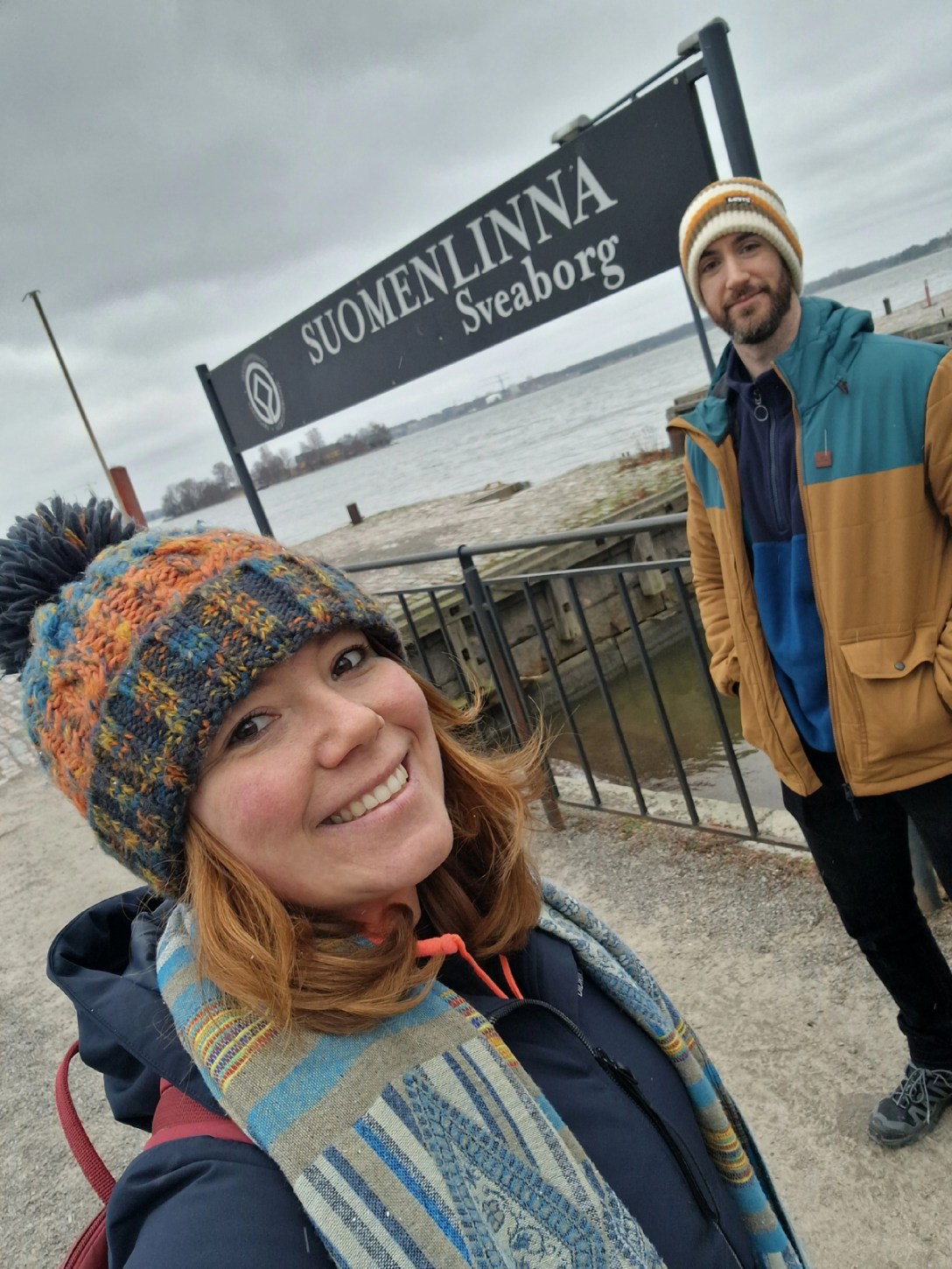
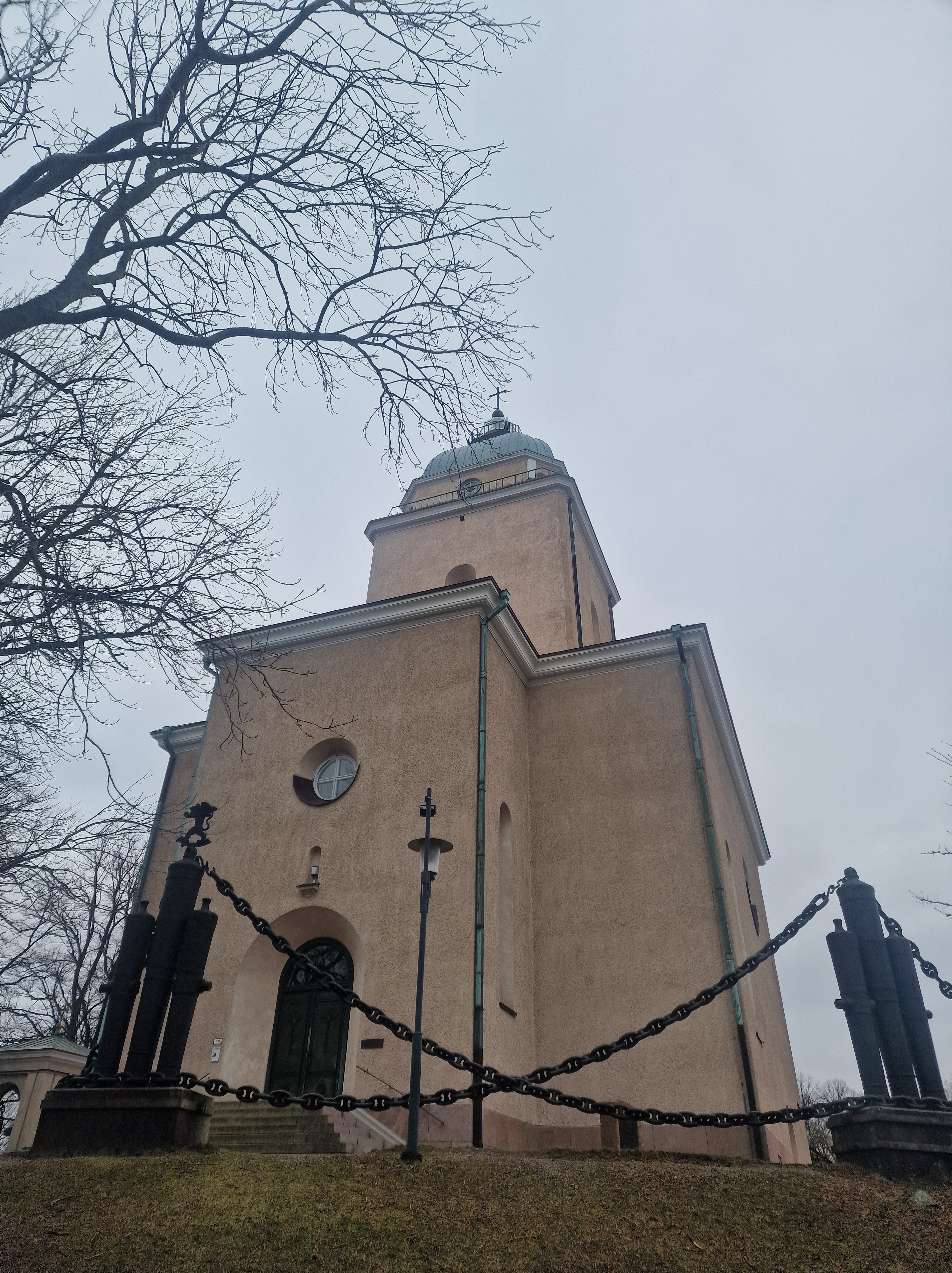
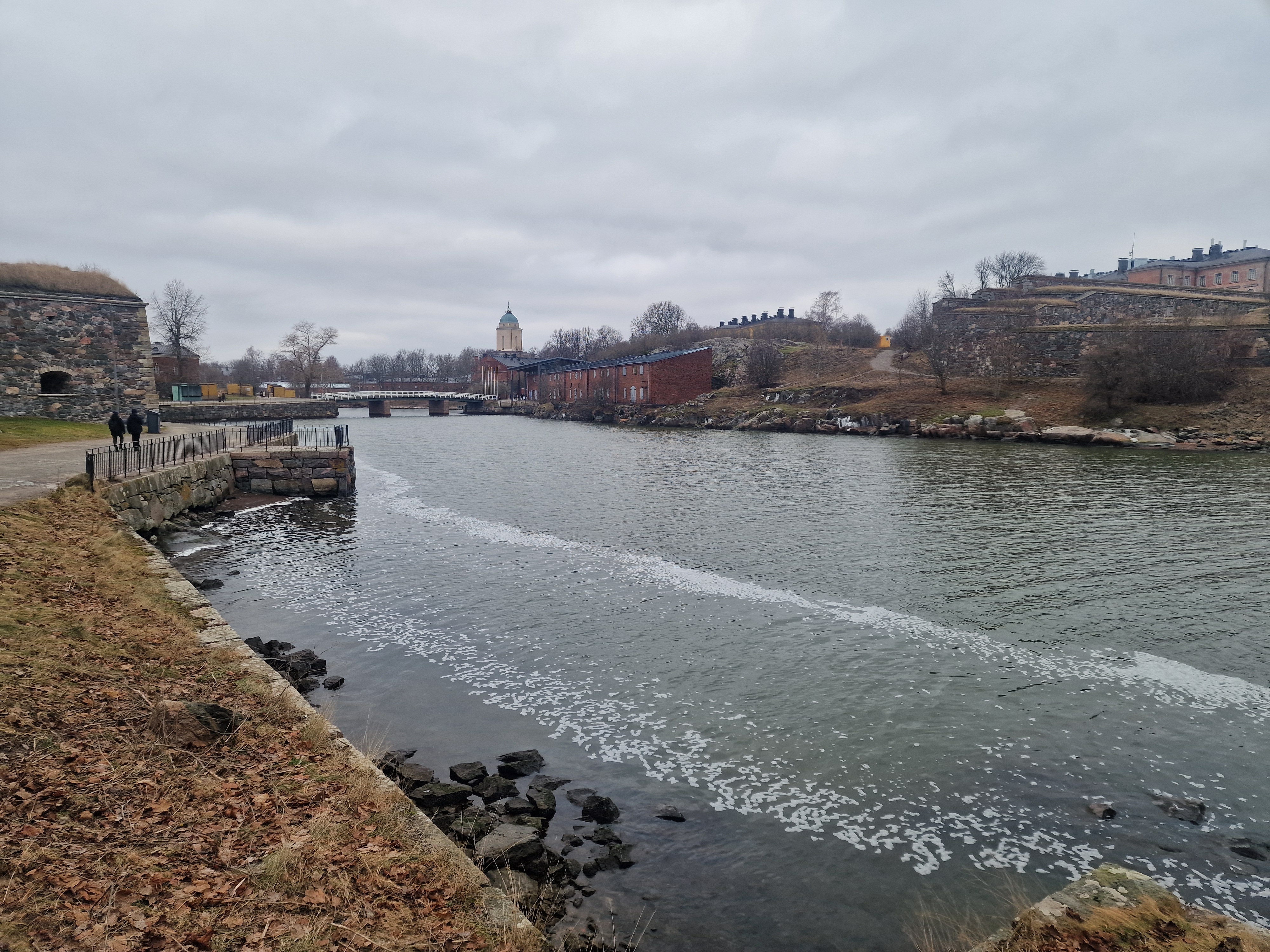
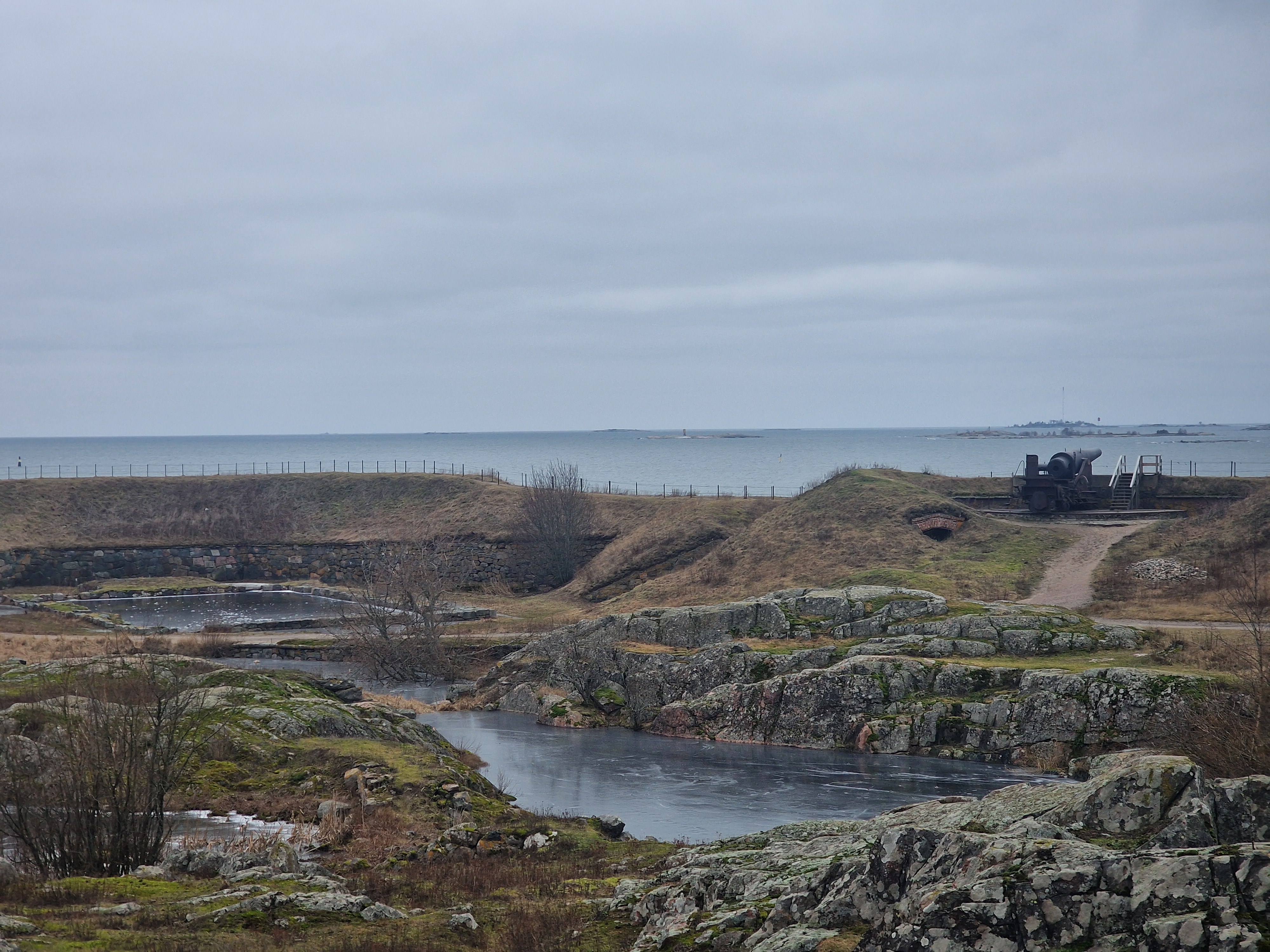
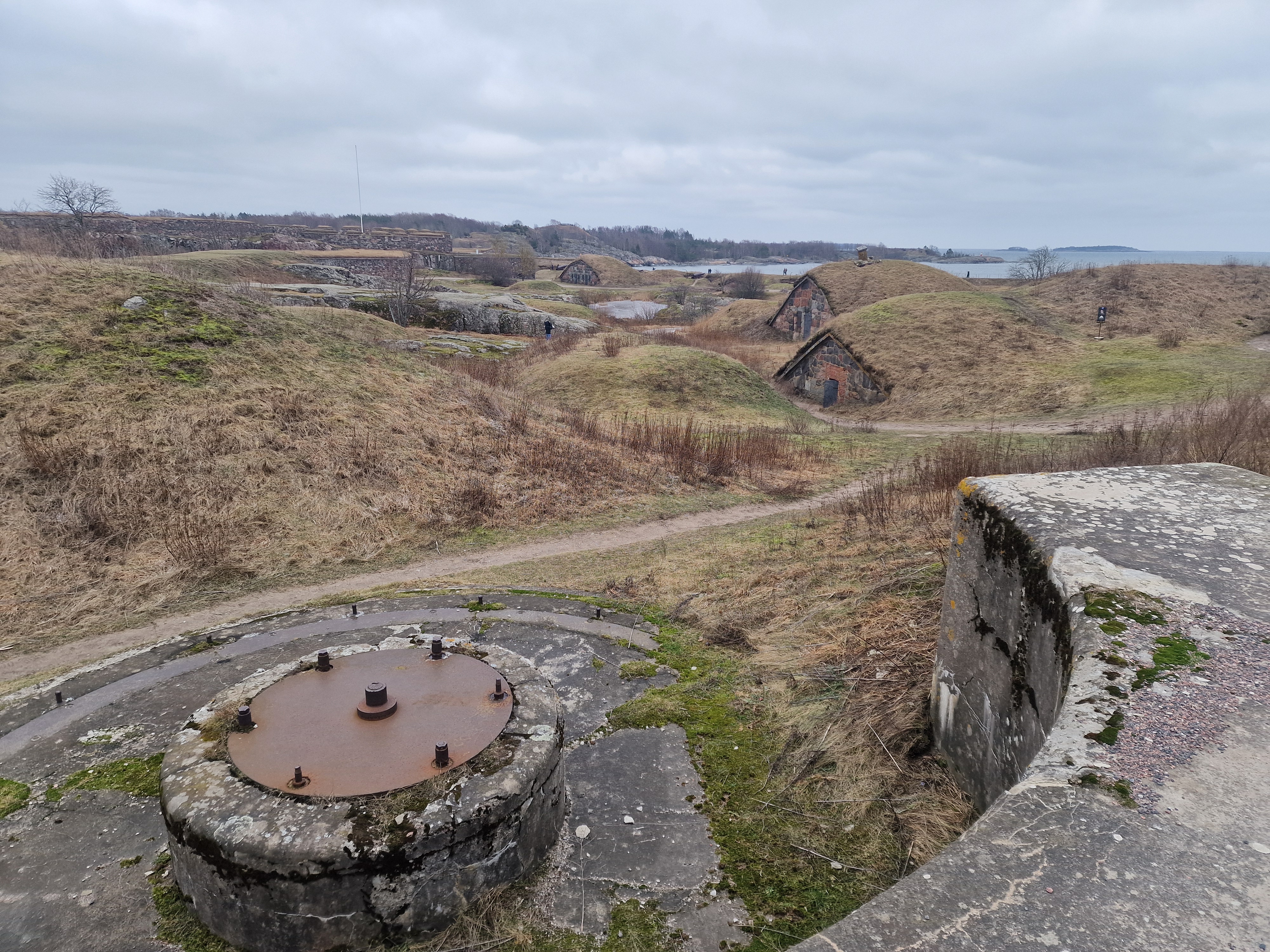
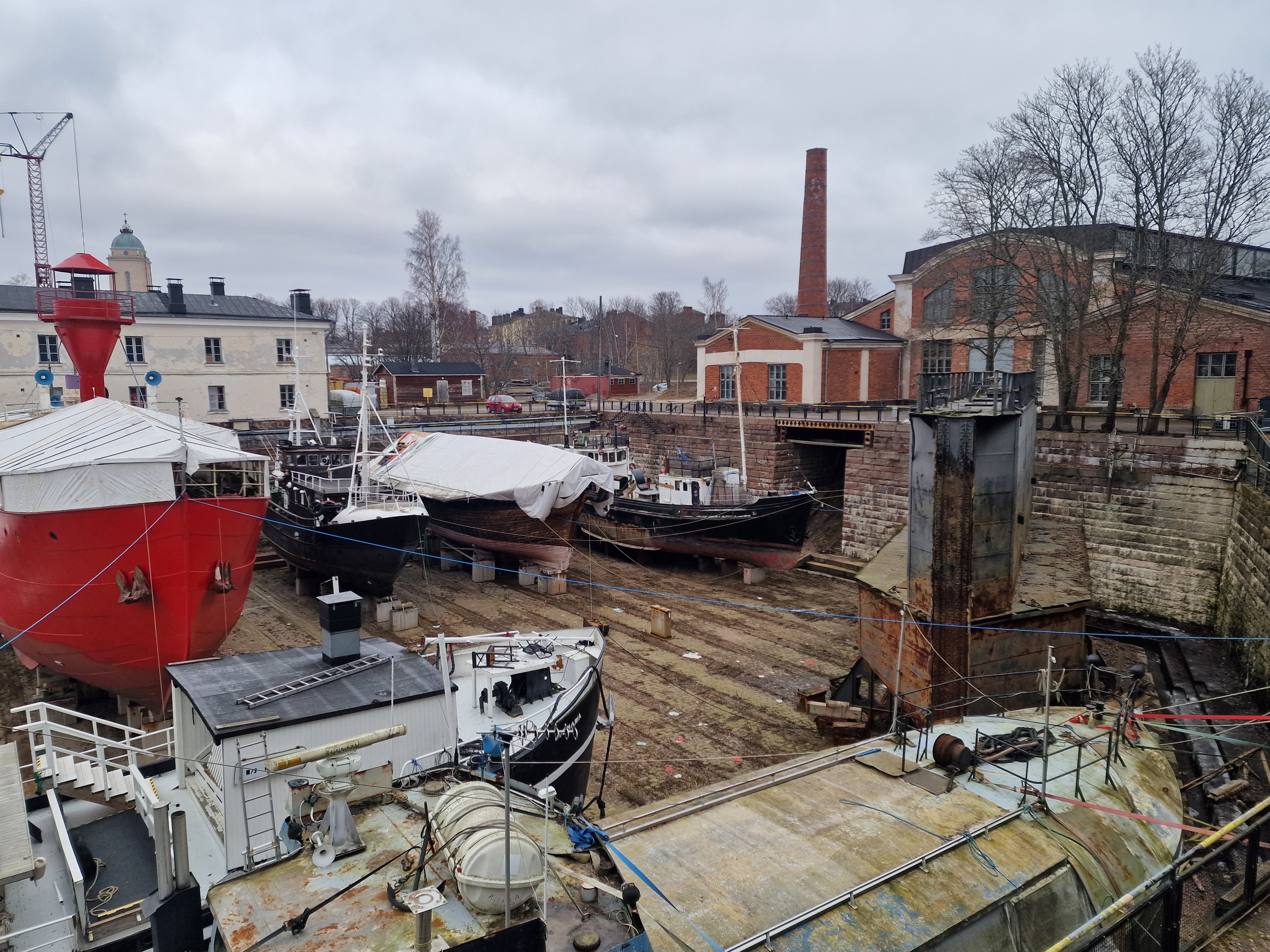
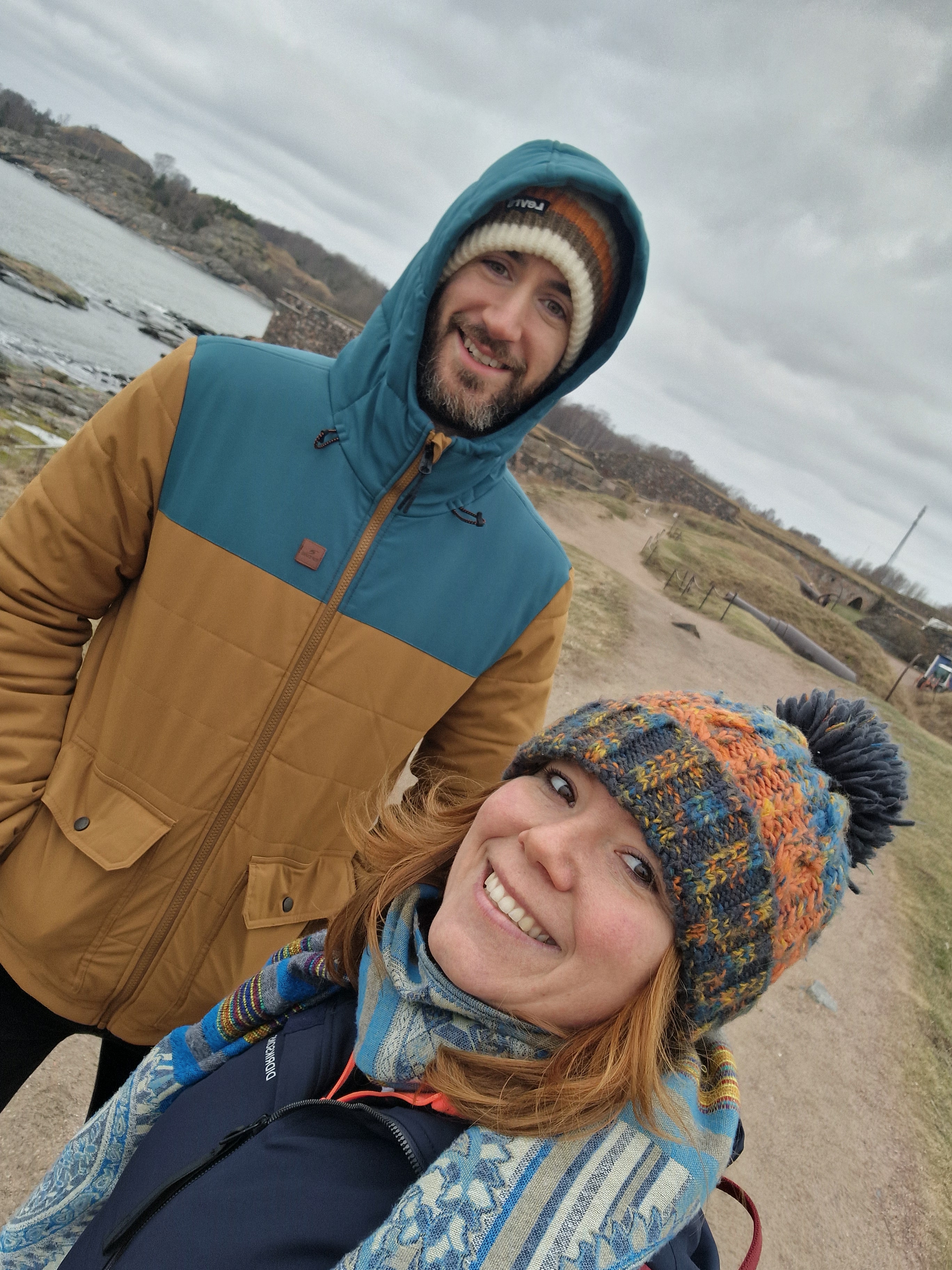
We started by getting a ferry over to Suomenlinna – a must see when in Helsinki. A UNESCO World Heritage site, it’s made up of a group of eight islands that together form a sea fortress.  We got off the boat, grabbed a map from the visitors centre, and headed out to see what the island had to offer.  One of the first things you come to is Suomenlinna church, which also functions as a lighthouse, making it one of the only dual purpose churches in the world. The rest of the first section of the island we found quite underwhelming, and it would definitely look better with a bit more green on the trees. Once we got to the Kustaanmiekka sand banks and artillery however, the scenery became a lot more intertesting, and definitely worth coming for. Most of the cafes on the island were shut due to being out of season, but I can imagine Suomenlinna gets absolutely rammed during the summer months. 
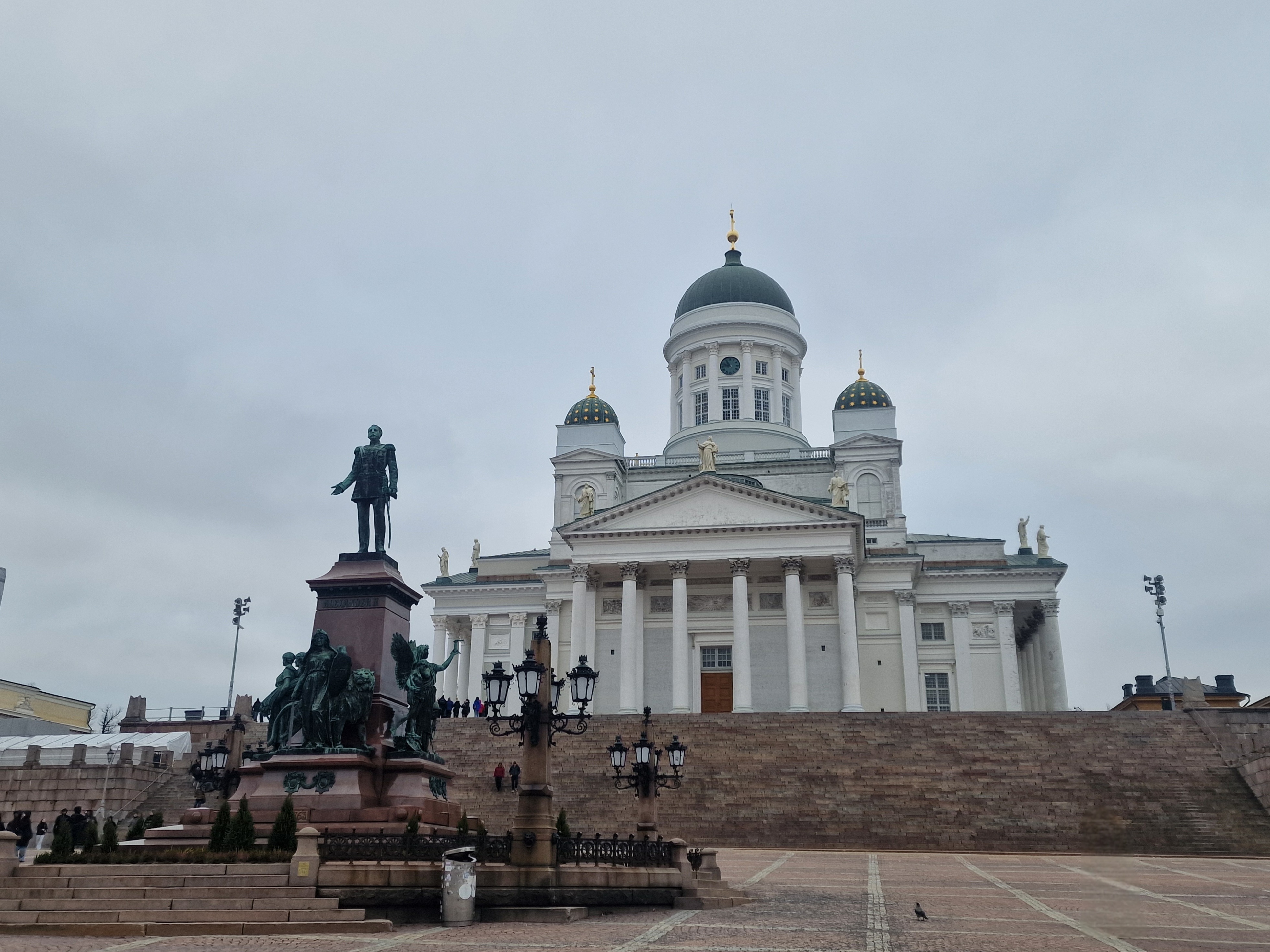
Helsinki Cathedral – The church is built in the shape of a Greek cross and the central dome of the Cathedral rises to more than 80 metres above sea level.

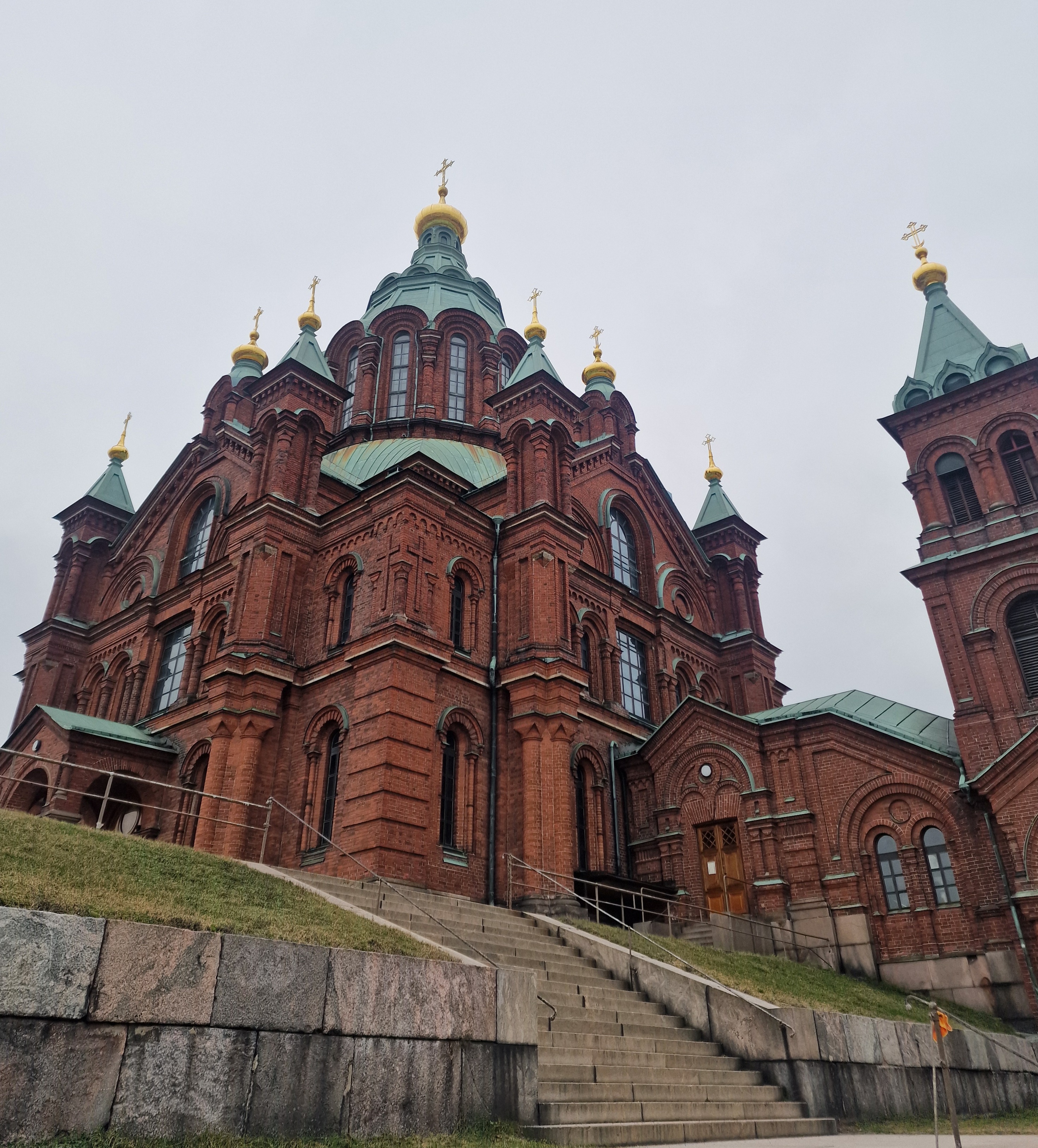
Uspenski Cathedral – Considered to be the largest Orthodox temple in Northern and Western Europe. The central cupola of the cathedral is 33 meters high. 

Old Market Hall – Relatively small inside, but full of local produce, and is perfect for those who love fish. Also check out the Market Square – look out for the orange tents (which are heated in the winter months). It sells produce, treats, crafts and souvenirs. It is opposite here that you catch the ferry to Suomenlinna.

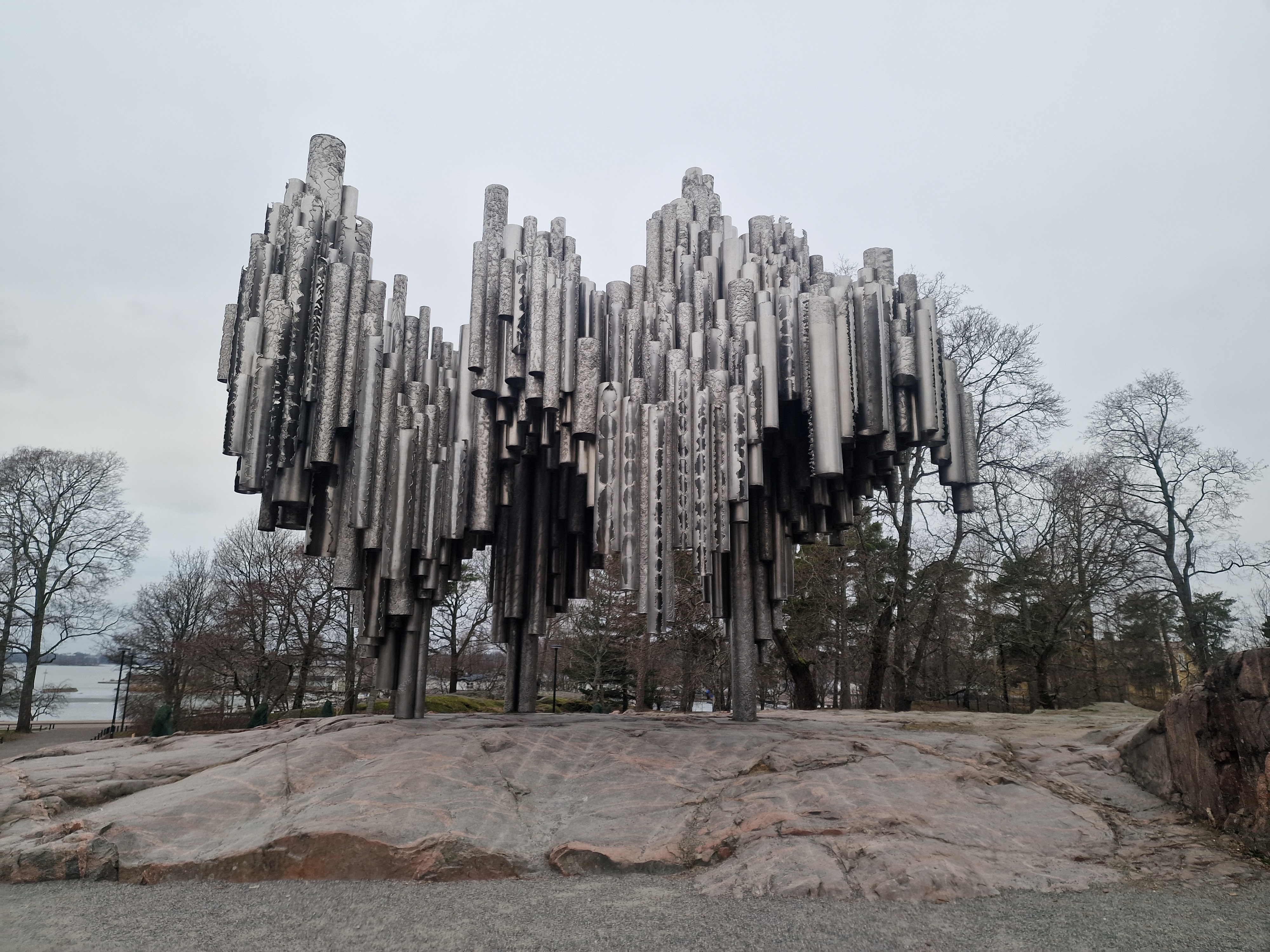
Sibelius Monument – Perfect to pop by on your way to Regatta Cafe. It resembles large church organ pipes and is dedicated to the Finnish composer – Sibelius. 

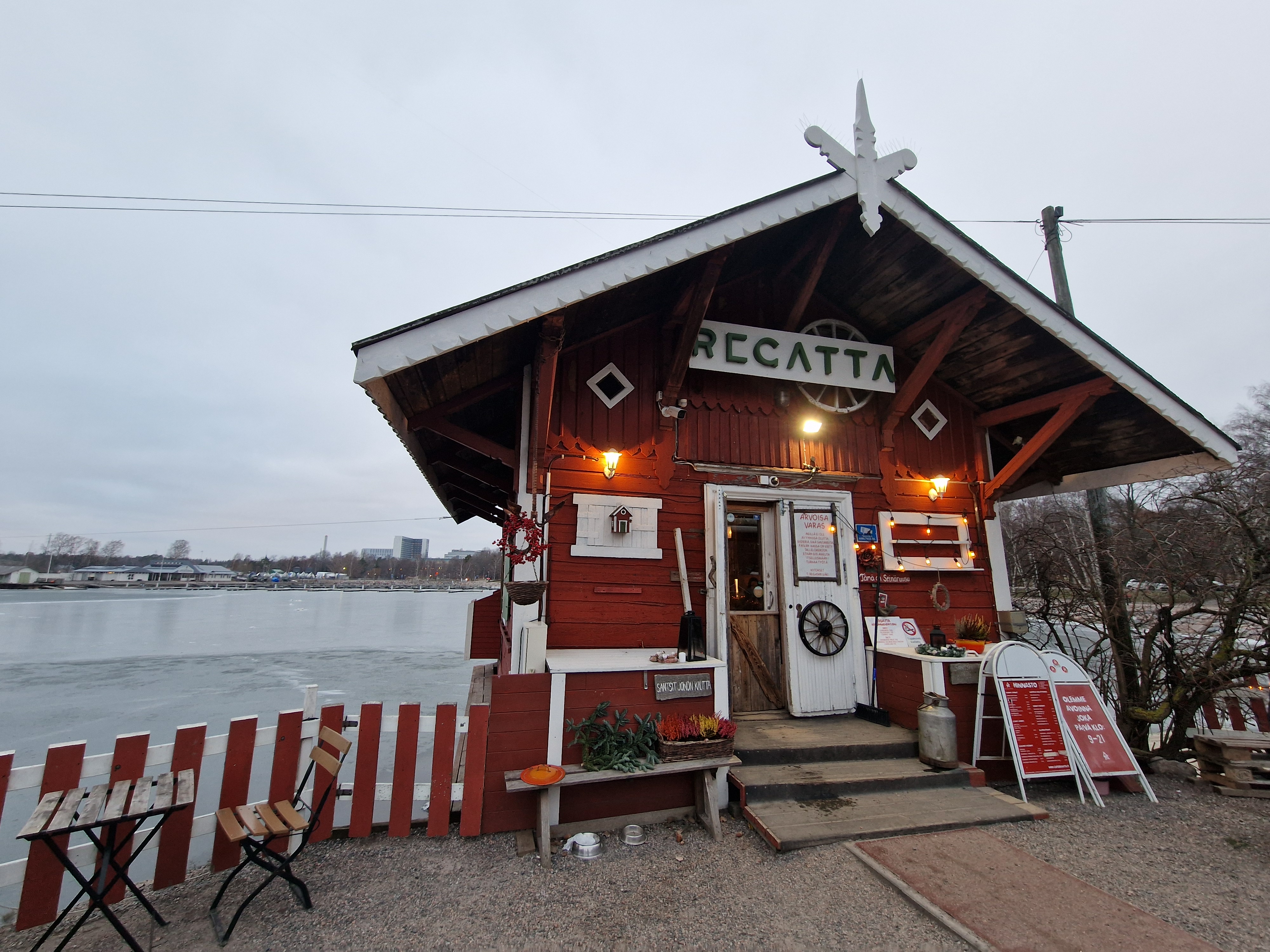
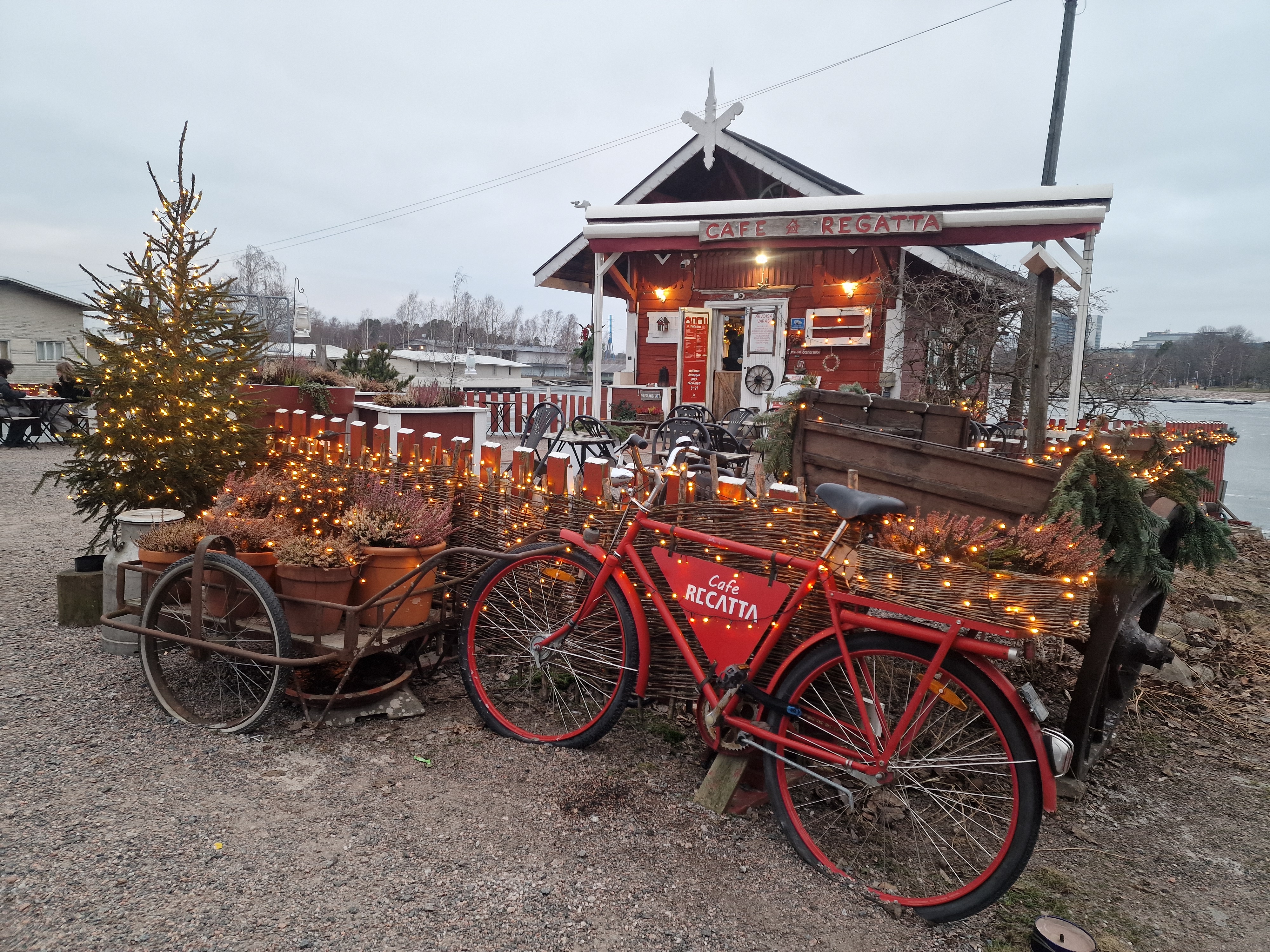
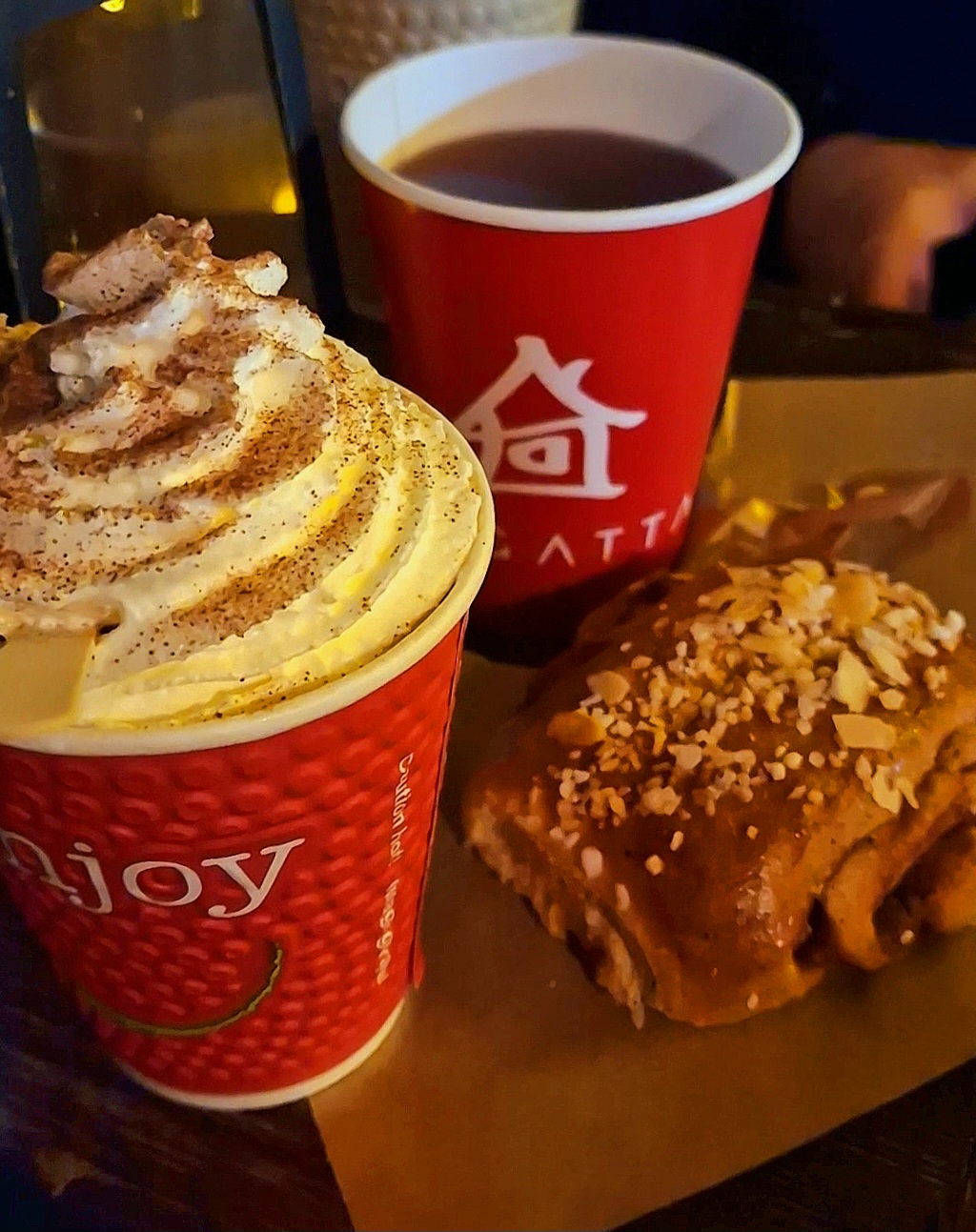
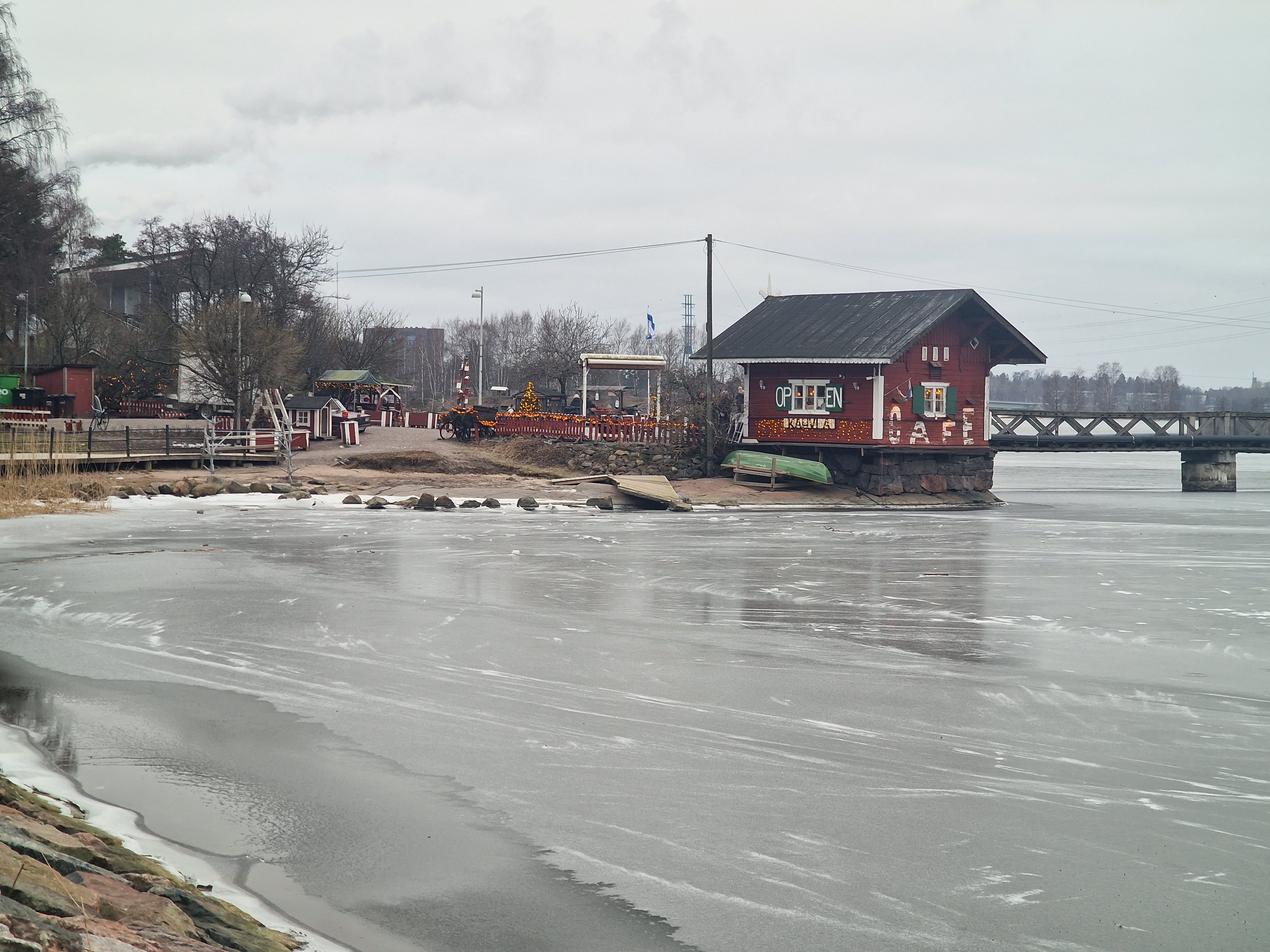
Regatta Cafe – The ‘must visit’ cafe.  The traditional red cottage cafe has brought a part of the Finnish countryside to Helsinki, and is famous for their cinnamon buns and hot chocolate. We tried both, and have to say they were delicious. Expect a queue as its very popular. We were lucky and were able to get one of the few seats inside. 

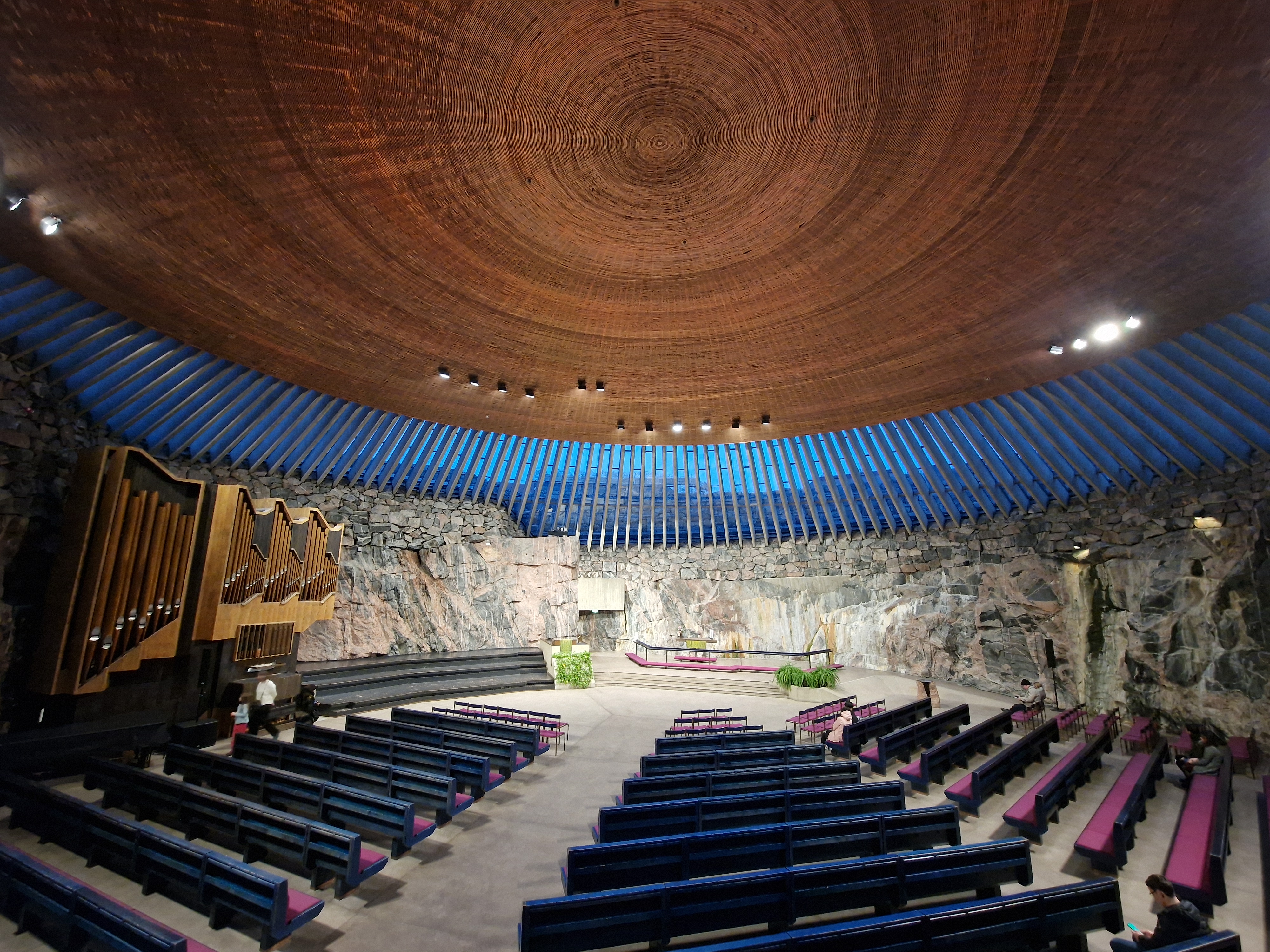
Temppeliaukio Church – Built directly into solid rock, it’s also known as The Rock Church. Very interesting to see the architecture, but at €8pp it was way too expensive for what it was. I was expecting guides and access to a toilet – unfortunately you don’t get either.

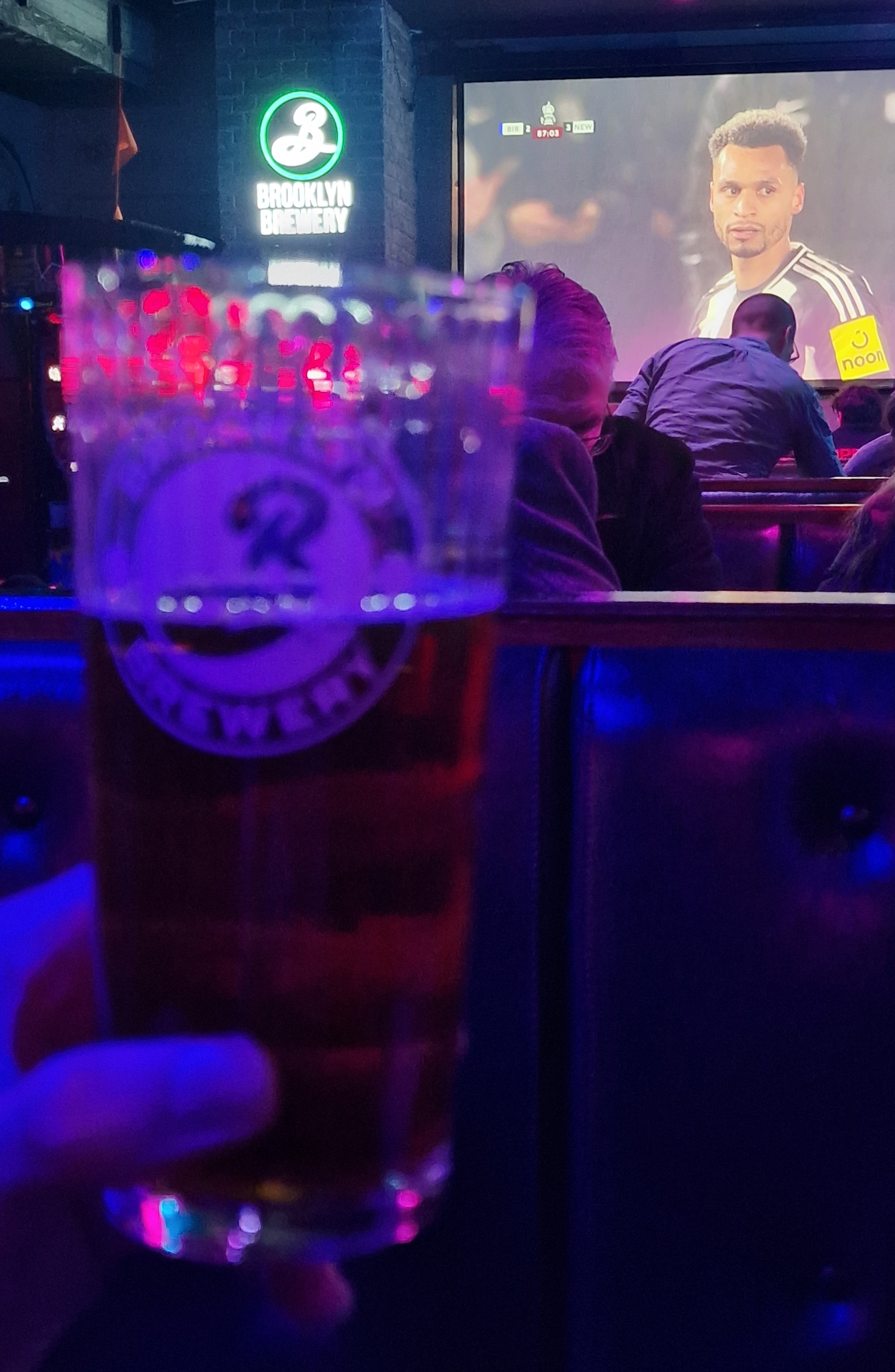
We finished off our day in Helsinki with yet another Newcastle game. We found a sports bar, got settled in, and then they changed the game for NHL instead 🤣 the next nearest option was an Irish bar. It was smelly and sticky, with dirty glasses (we were told that’s all they had 🤷🏼‍♀️) and strange people.. but it had the game on, and that meant Mark got to see them beat Blues. A perfect end to the trip!

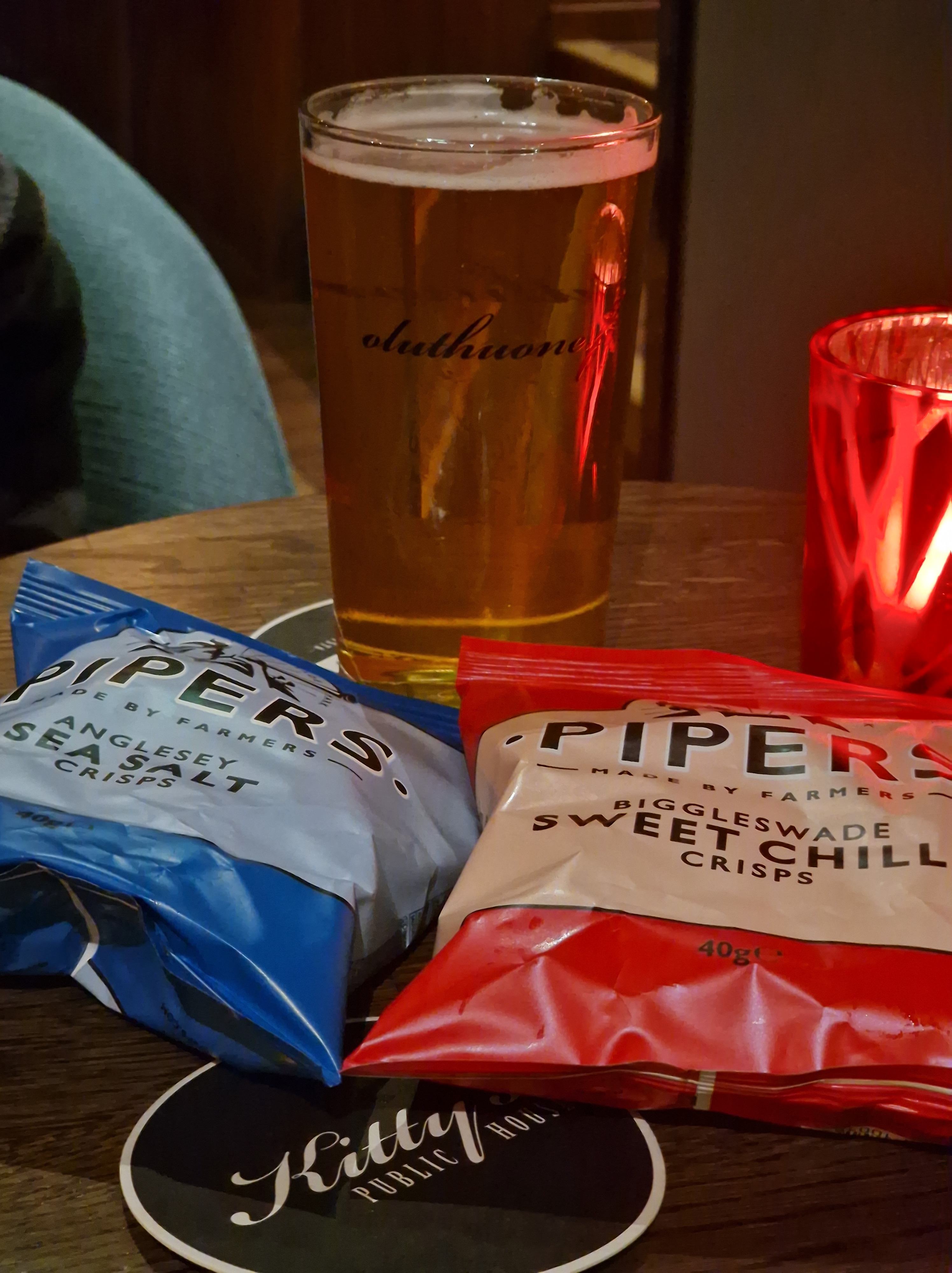
So, was Helsinki worth it? We definitely wouldn’t recommend it as a stand-alone trip. However, the flights here can be super cheap, so it is a perfect place for 24 hours before going onto Tallinn. Being Finland, it’s obviously a lot more expensive. We went to another bar after the Irish Bar, and a pint & 2 packets of crisps cost €18!! There’s certainly no ‘old town vibe’, it’s just another busy and modern city. 

Riga 🇱🇻

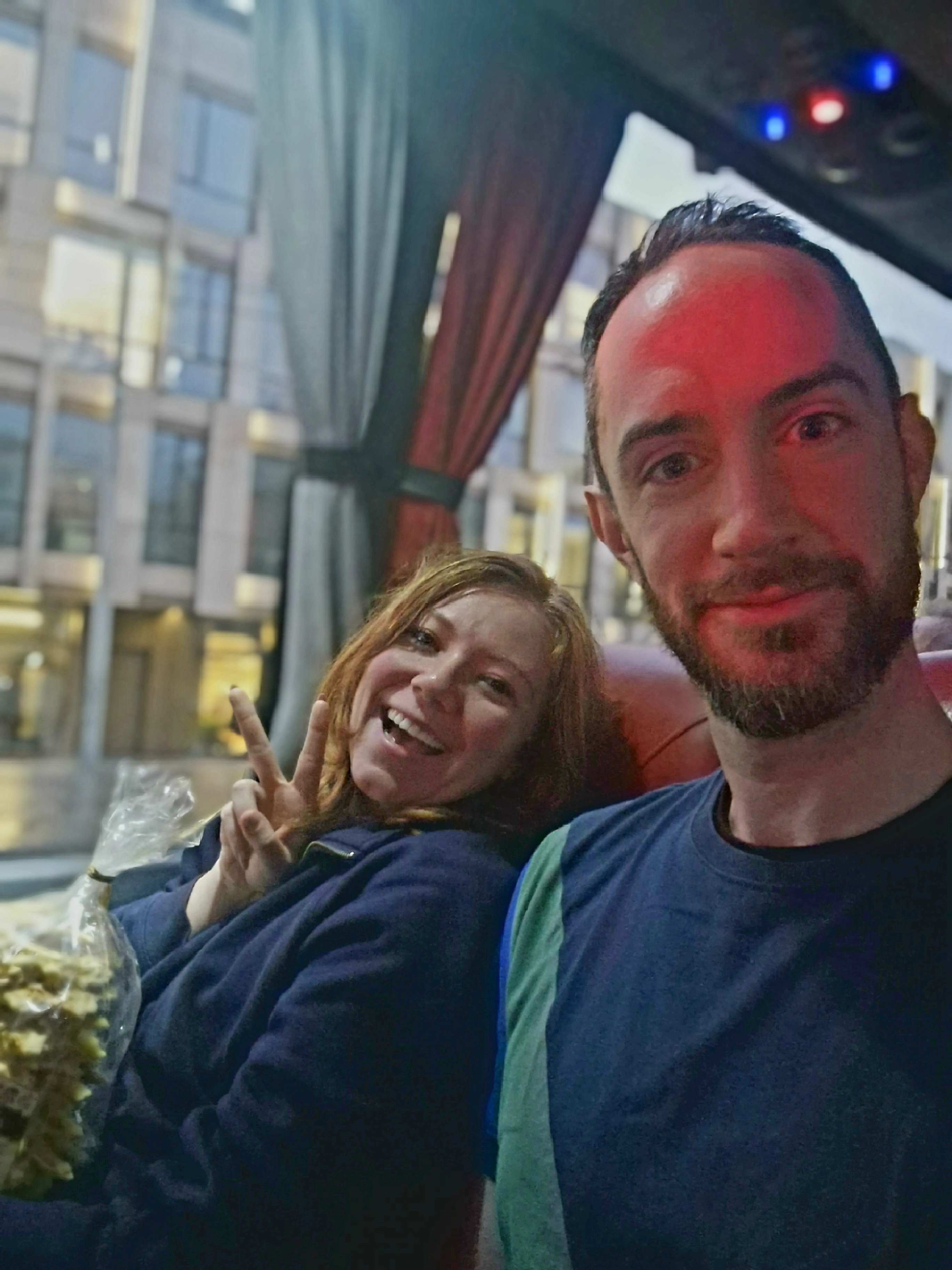
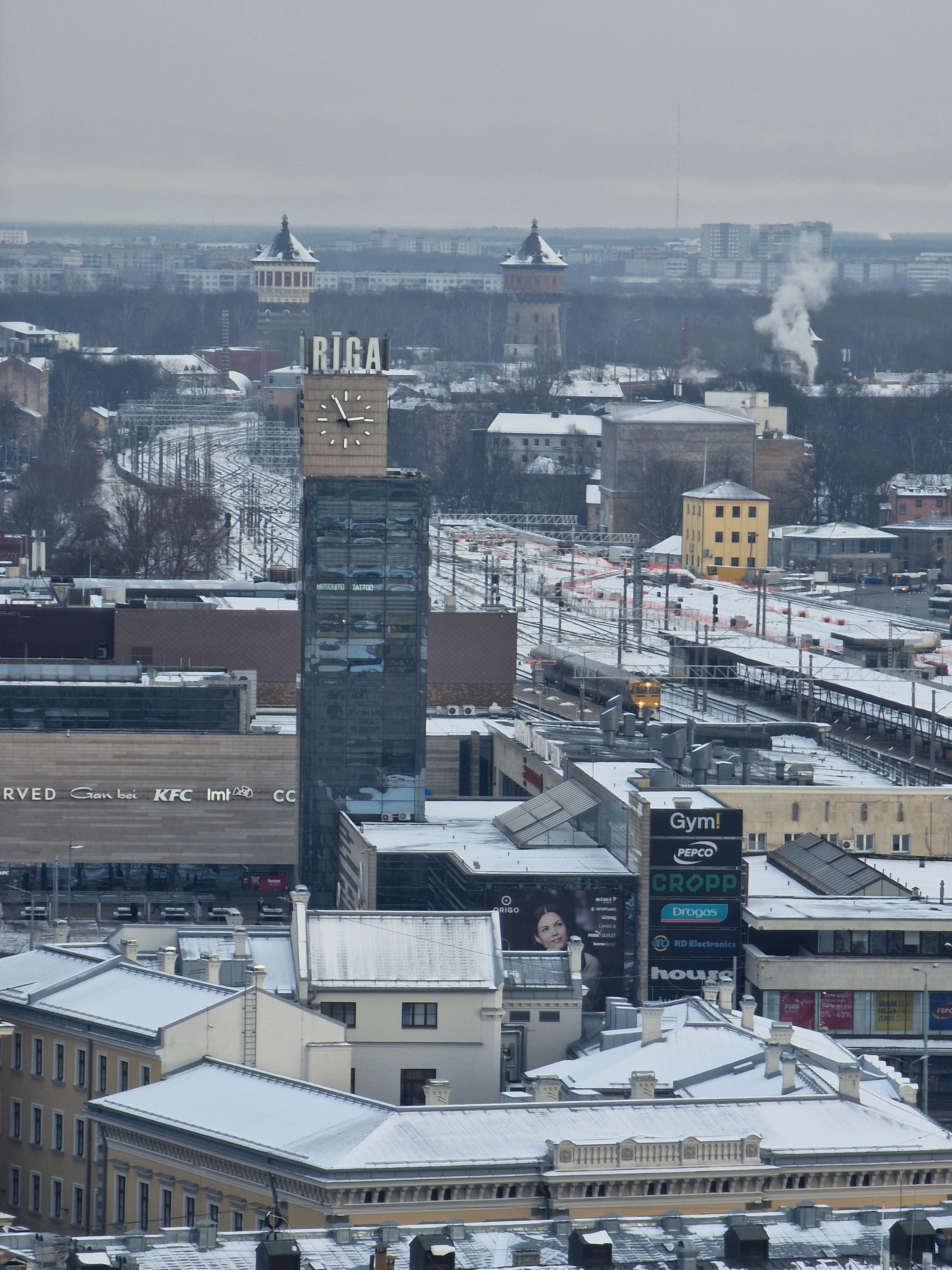
The journey to Riga on the Flixbus was surprisingly comfortable, although despite it being advertised, it didn’t come with charging points, WiFi or a toilet.. We did get the quickest wee stop at a Circle K, however I’m also not convinced he even checked everyone was back on-board 😂 in 4 hours we arrived, and got our first feel for Riga. The bus station had an interesting vibe, with some rather questionable characters hanging around, making our five-minute trek to the hotel feel a bit twitchy arse — late-night subway walks are never the most reassuring! But as soon as we stepped into our hotel lobby, we were welcomed by a glorious fragrance, and we headed up to check out our room for the next 2 nights. It was huge, with a separate room for clothes and cases, and floral wallpaper reminiscent of the early 00s. The only hiccup was discovering how close we were to the train line, with each passing train shaking the room like a mini earthquake. Despite this, we had a great sleep. 

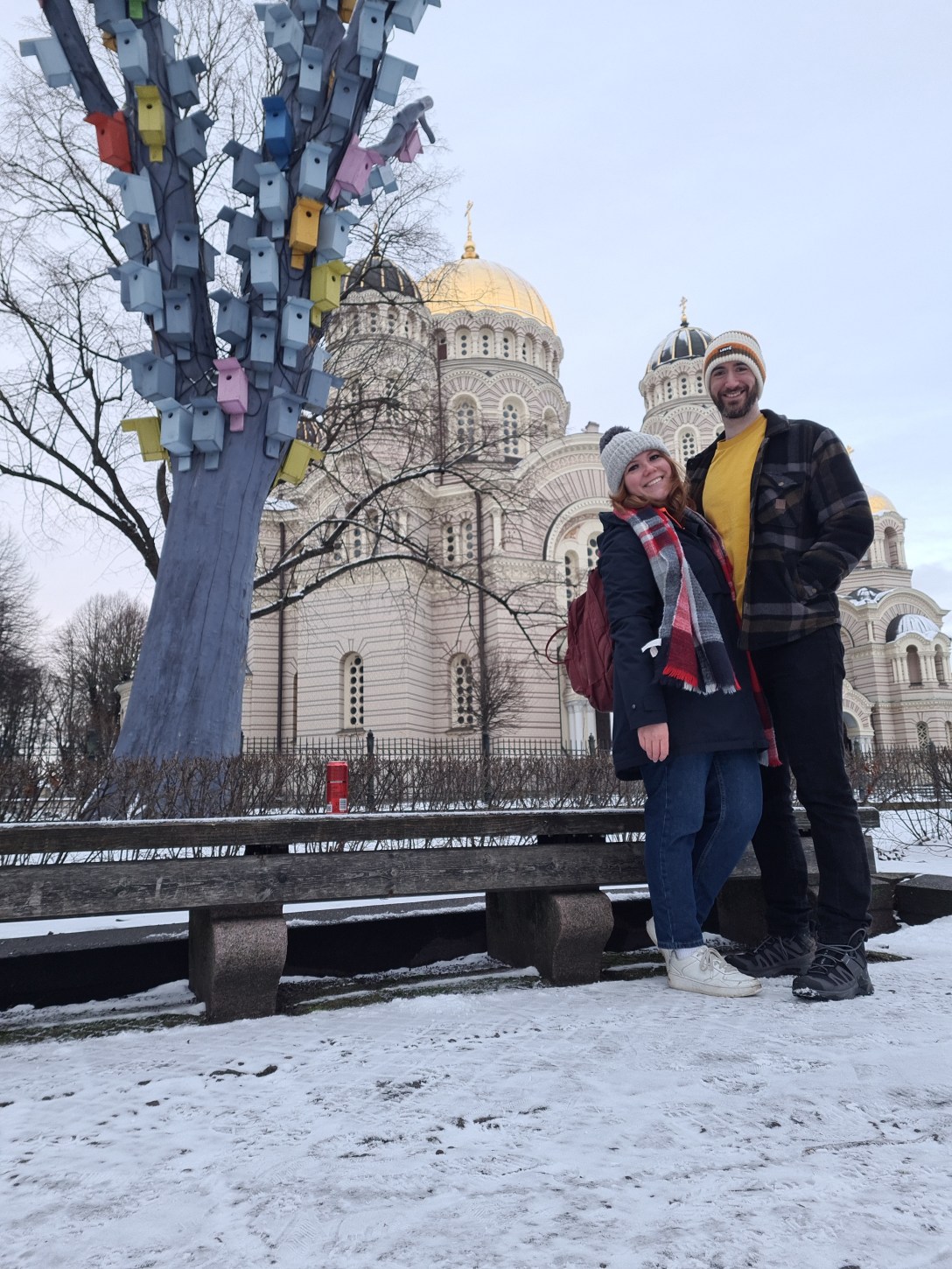
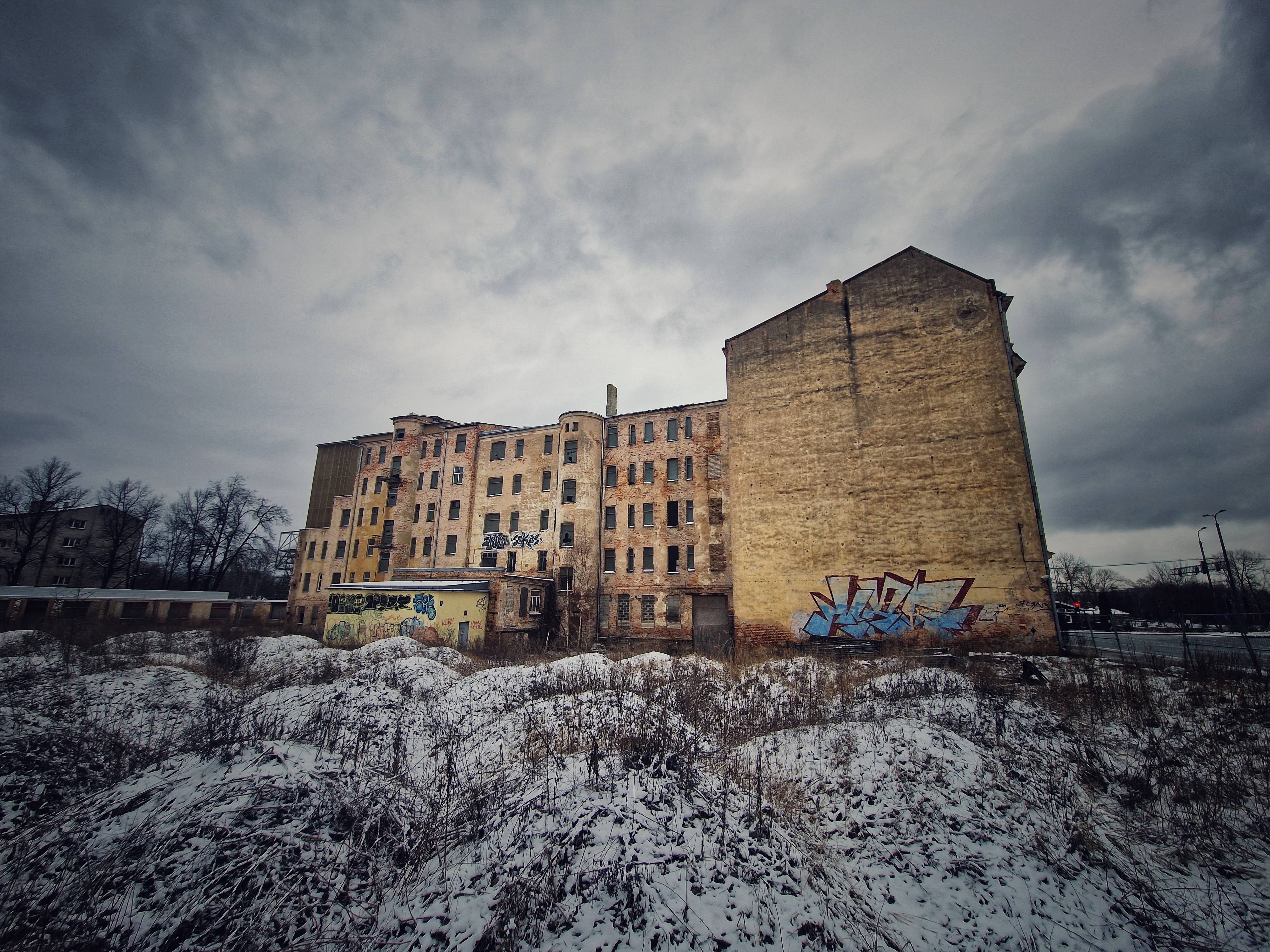
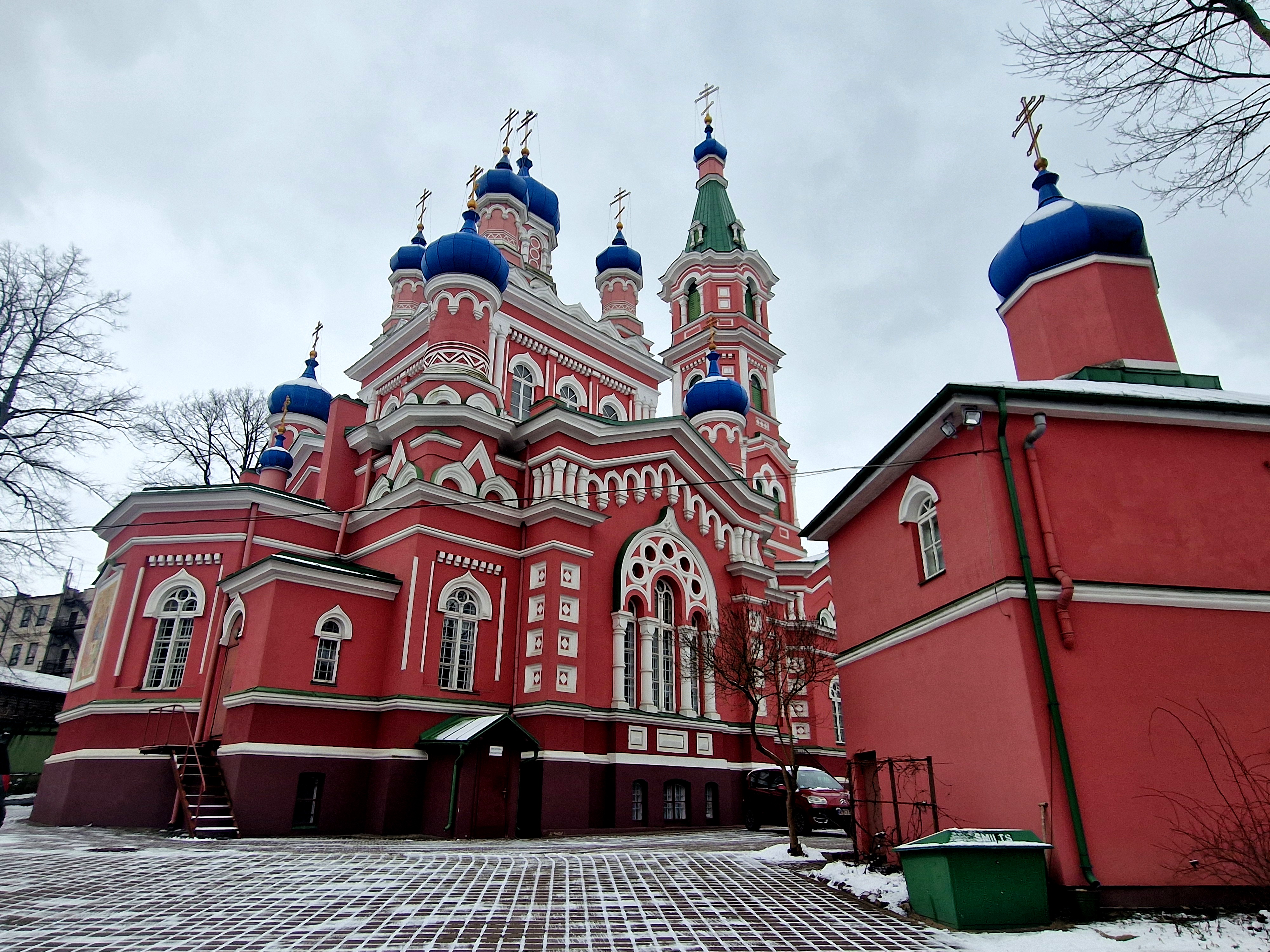
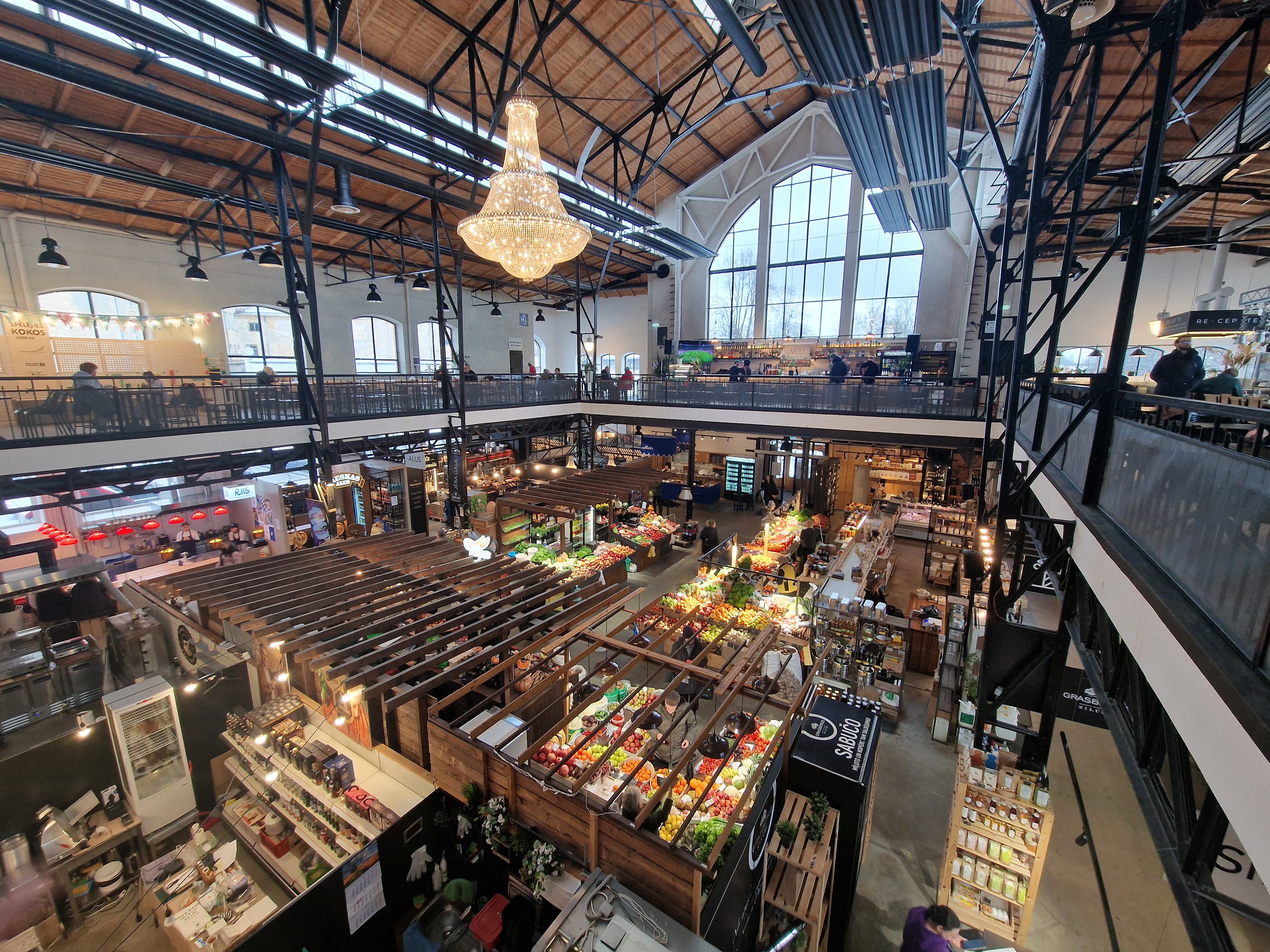
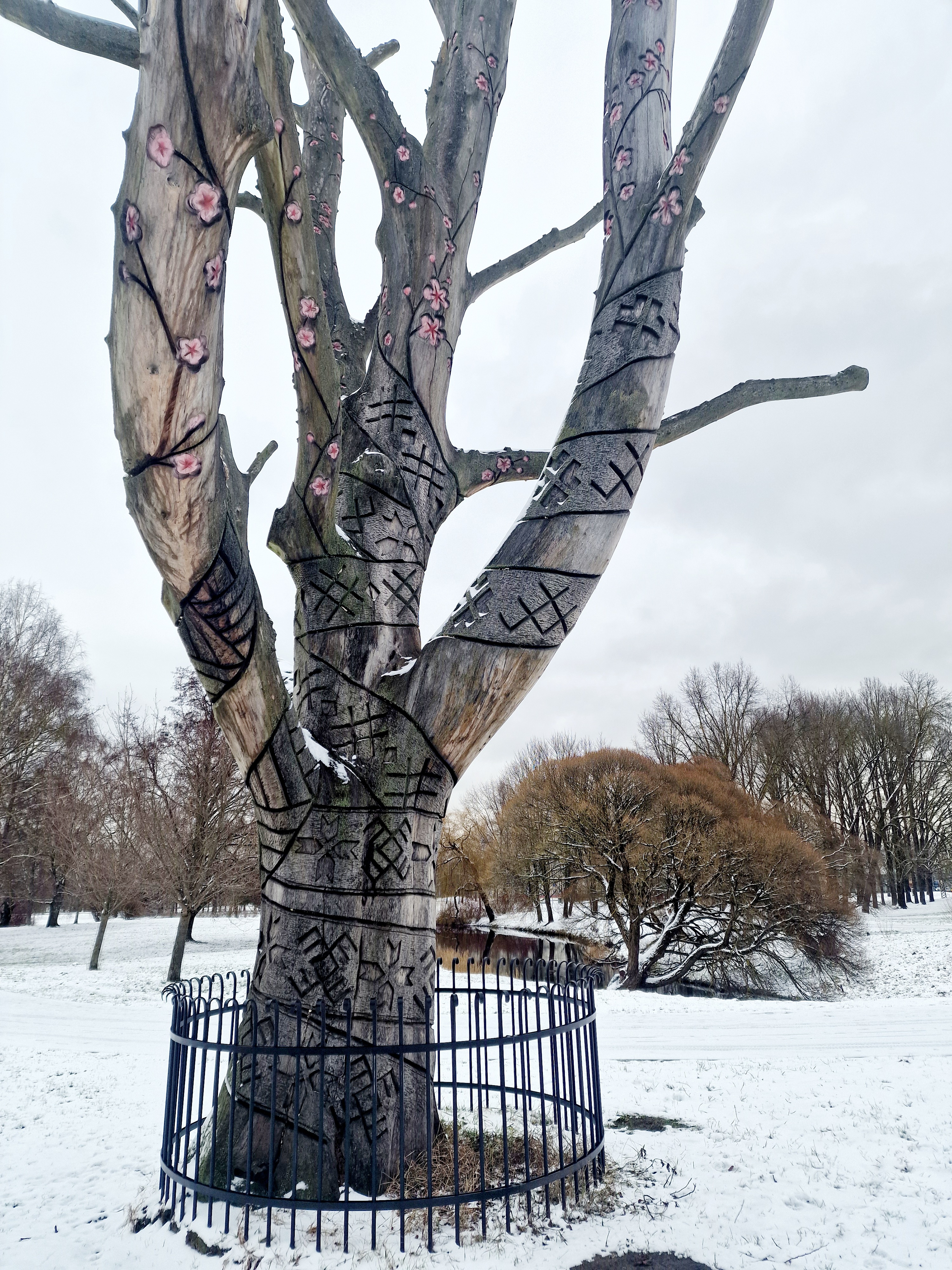
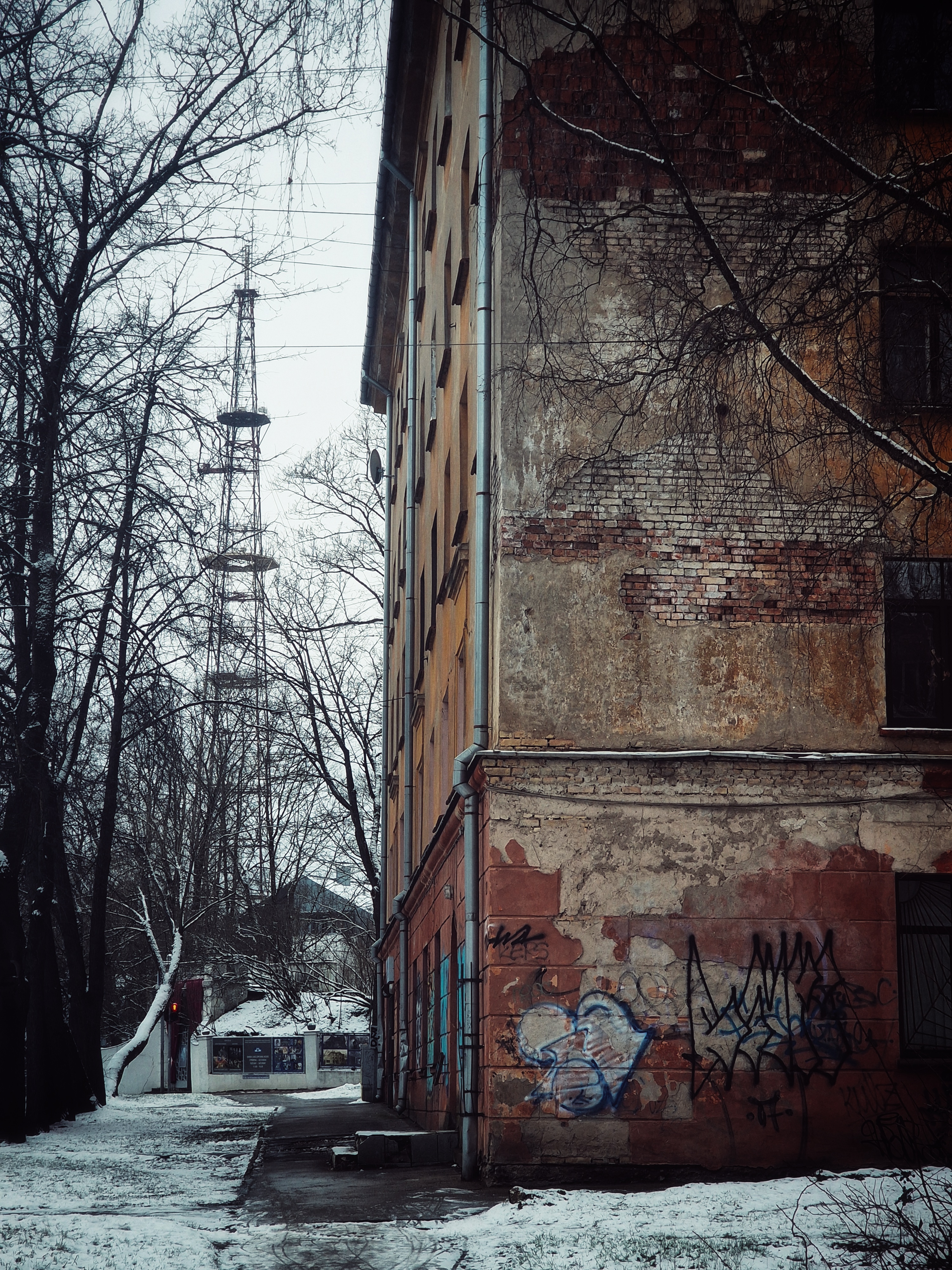
We started off our day in Riga, not in the old town, but heading over the river to the Holy Trinity Orthodox Church. The route here is definitely not touristy and very much off the beaten track, but we actually loved that. It was abandoned and eerie at times, but it gave us a taste of local life. The church was completed in 1893, and the red belfry with striking blue domes can be seen from a fair distance away.  A short stroll from the church brought us to the Āgenskalns Market, the largest and oldest market in the neighbourhood, bustling with the rhythms of daily life. Split across two vibrant floors, the market was filled with an array of local produce, from fresh vegetables to artisanal bread, showcasing the best of Latvian ingredients. We had some delicious coffee, paired perfectly with a slice of wood-fired pizza. We walked back through the snow-covered Uzvaras (victory) park, which stands as a reminder of Latvia’s complex historical journey. Here is the ‘carved tree’ which is adorned with an array of intricate carvings, each telling a unique story that reflects the rich history and folklore of the region.

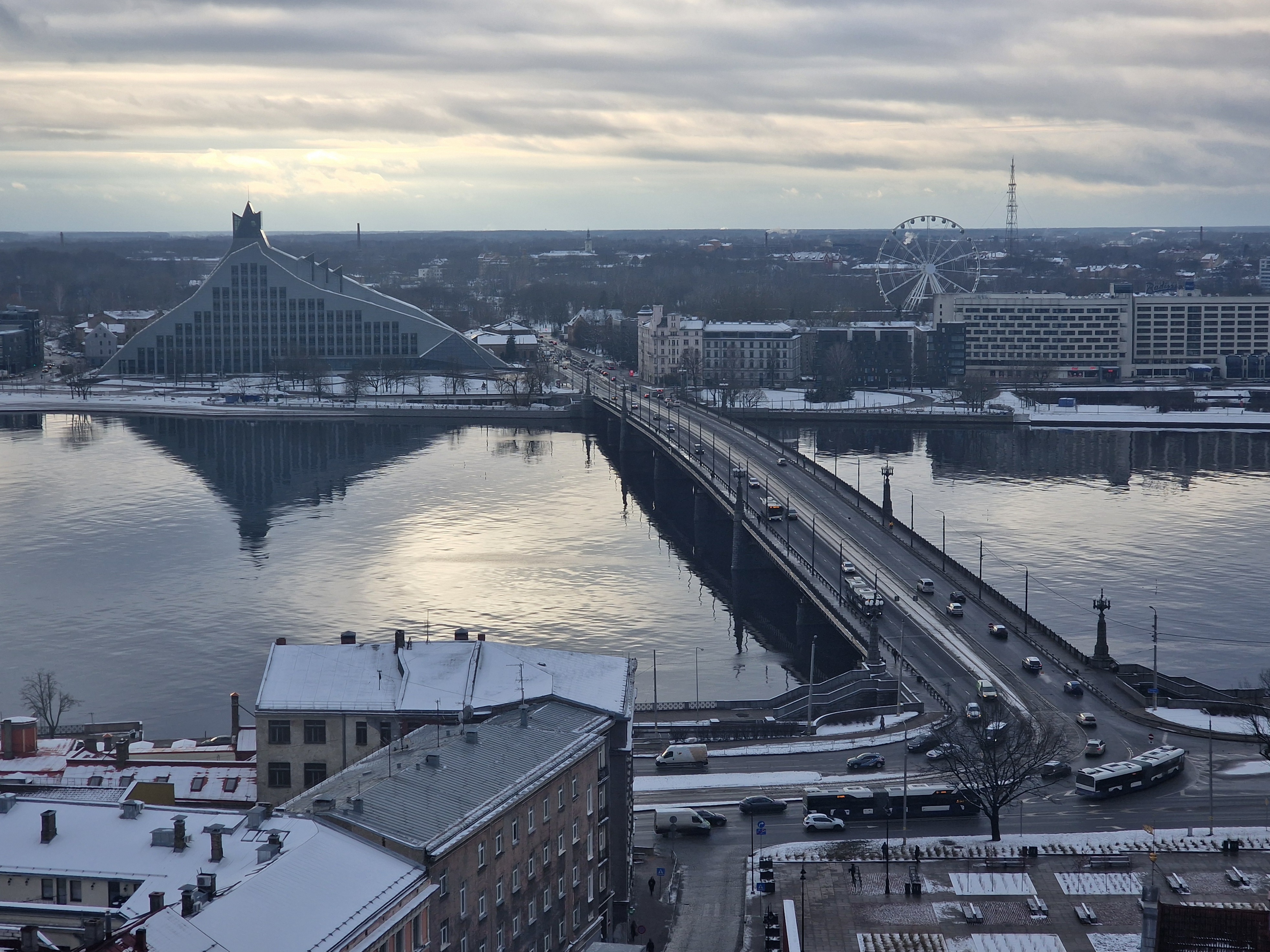
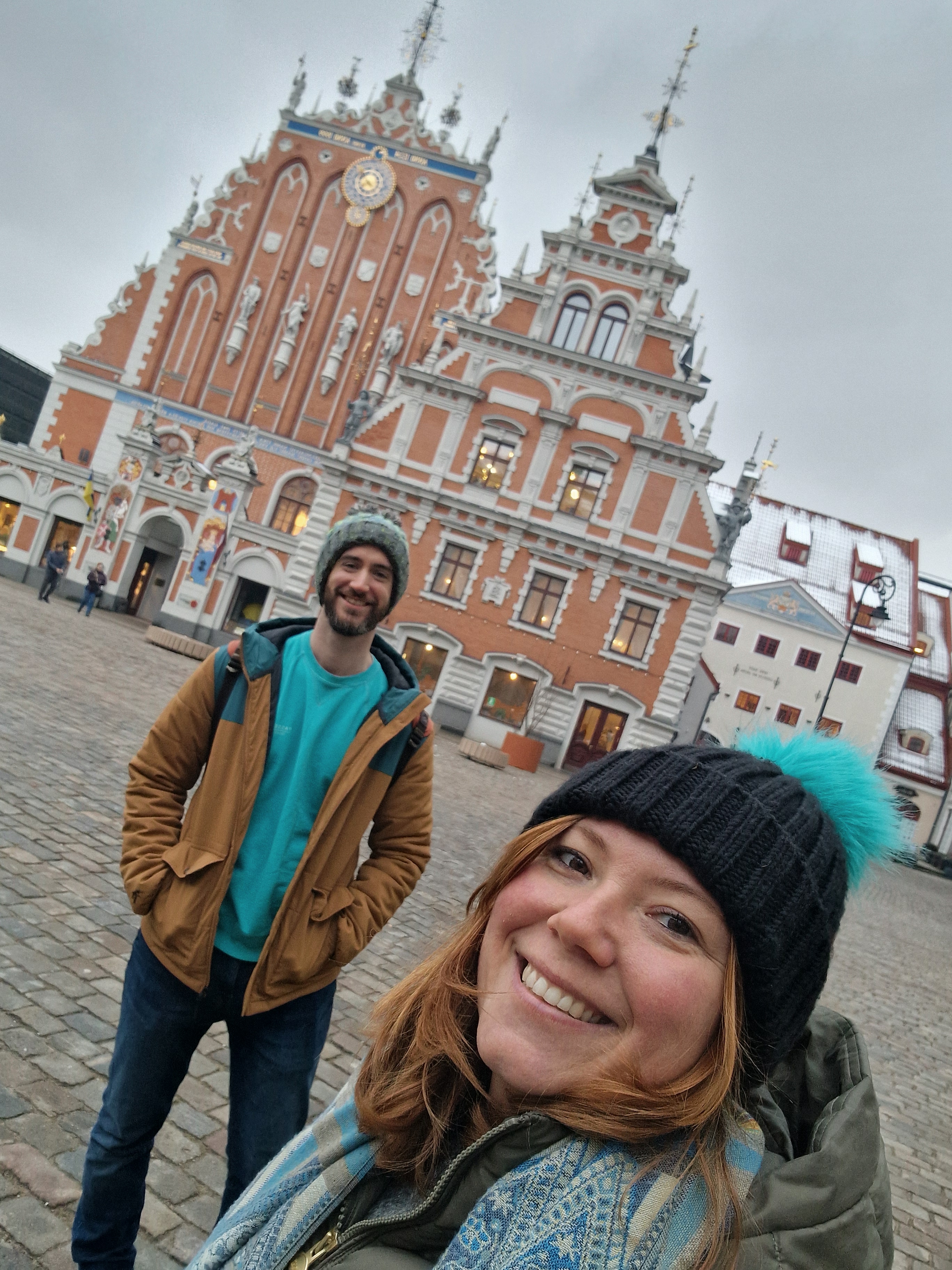
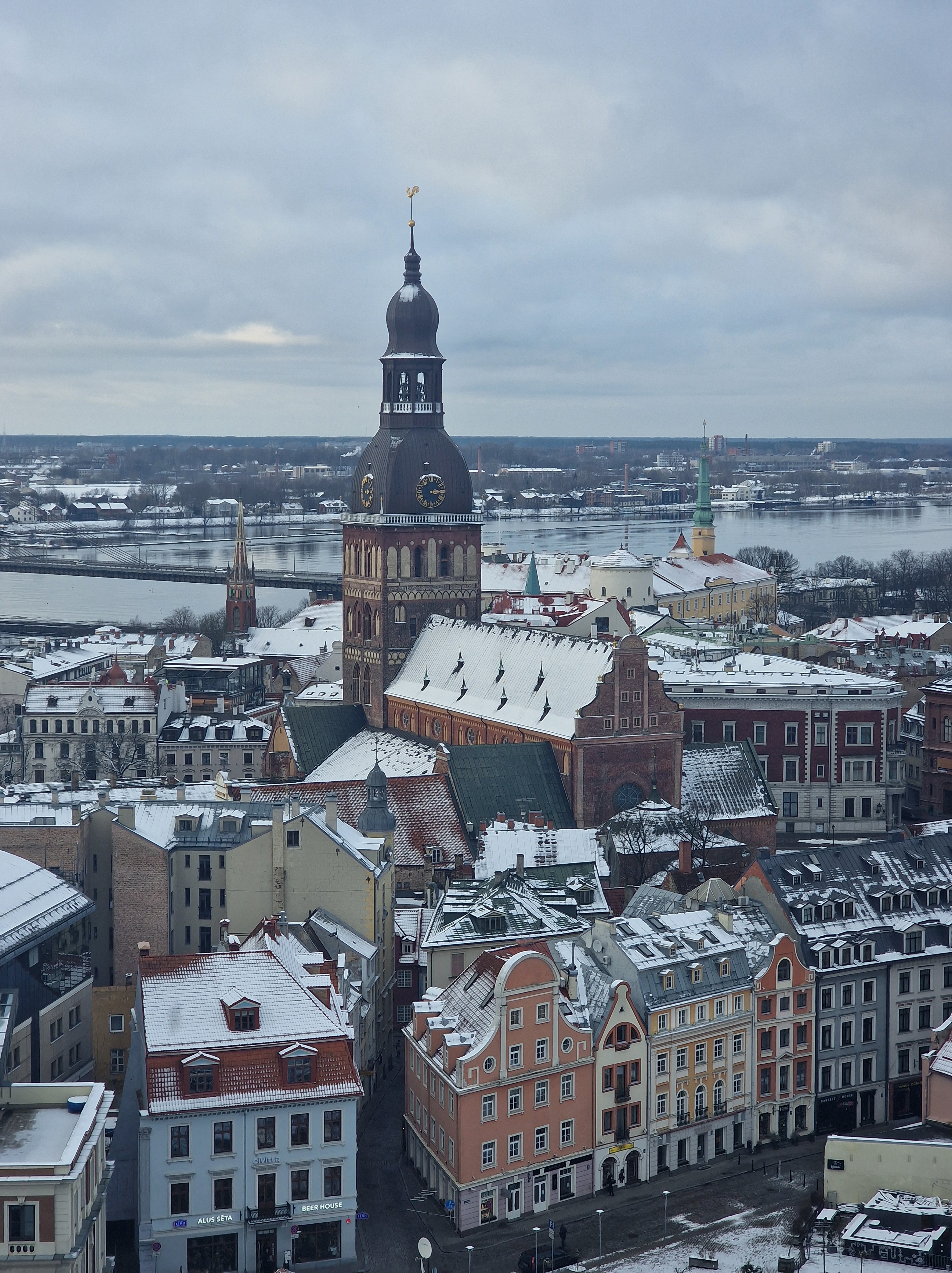
After crossing back across the river, we were eager to dive into the charm of the old town, only to discover it was completely deserted! So, we headed to one of the best viewpoints
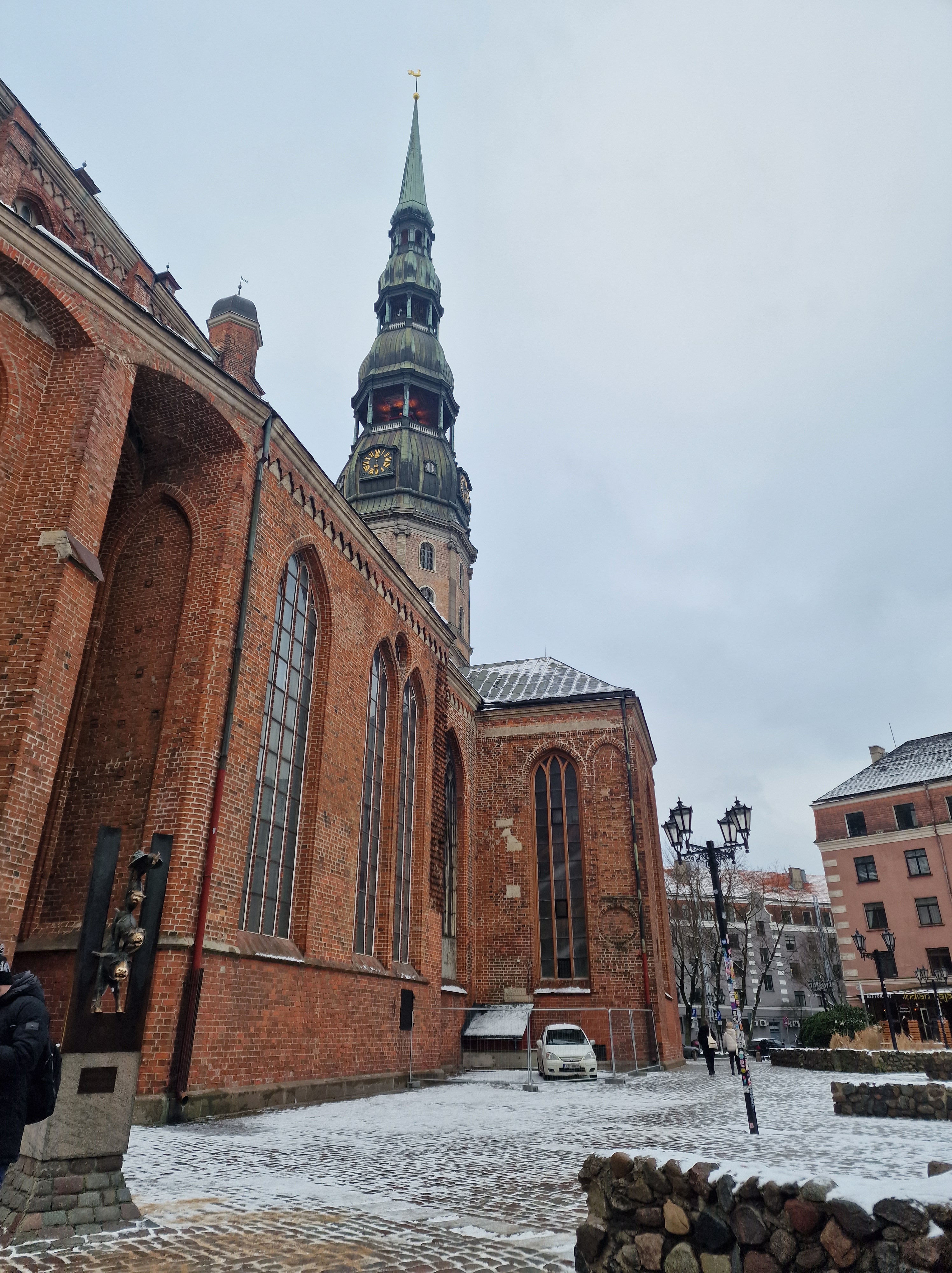
at the top of St Peter’s Church. Although quite pricey at €9pp (the church itself isn’t worth spending time looking around), it’s definitely worth it for the retro staircase to the lift and the 360° views across the city. Plus, there’s no glass or mesh obstructing
your view, so you can capture those perfect photos without any hassle. The lift attendant however couldn’t be any less arsed about his paying guests 😂 Facebook is much more important. 

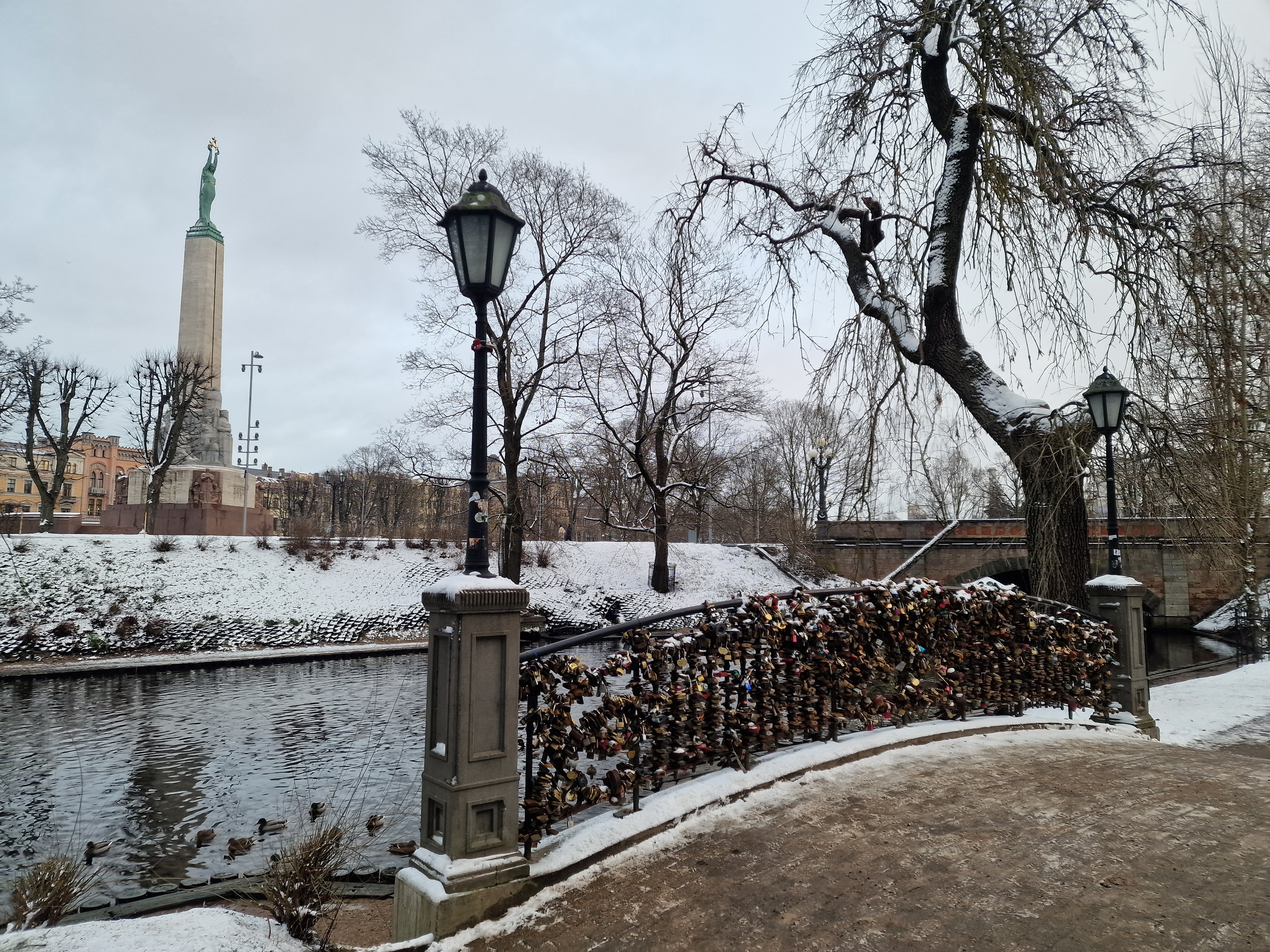
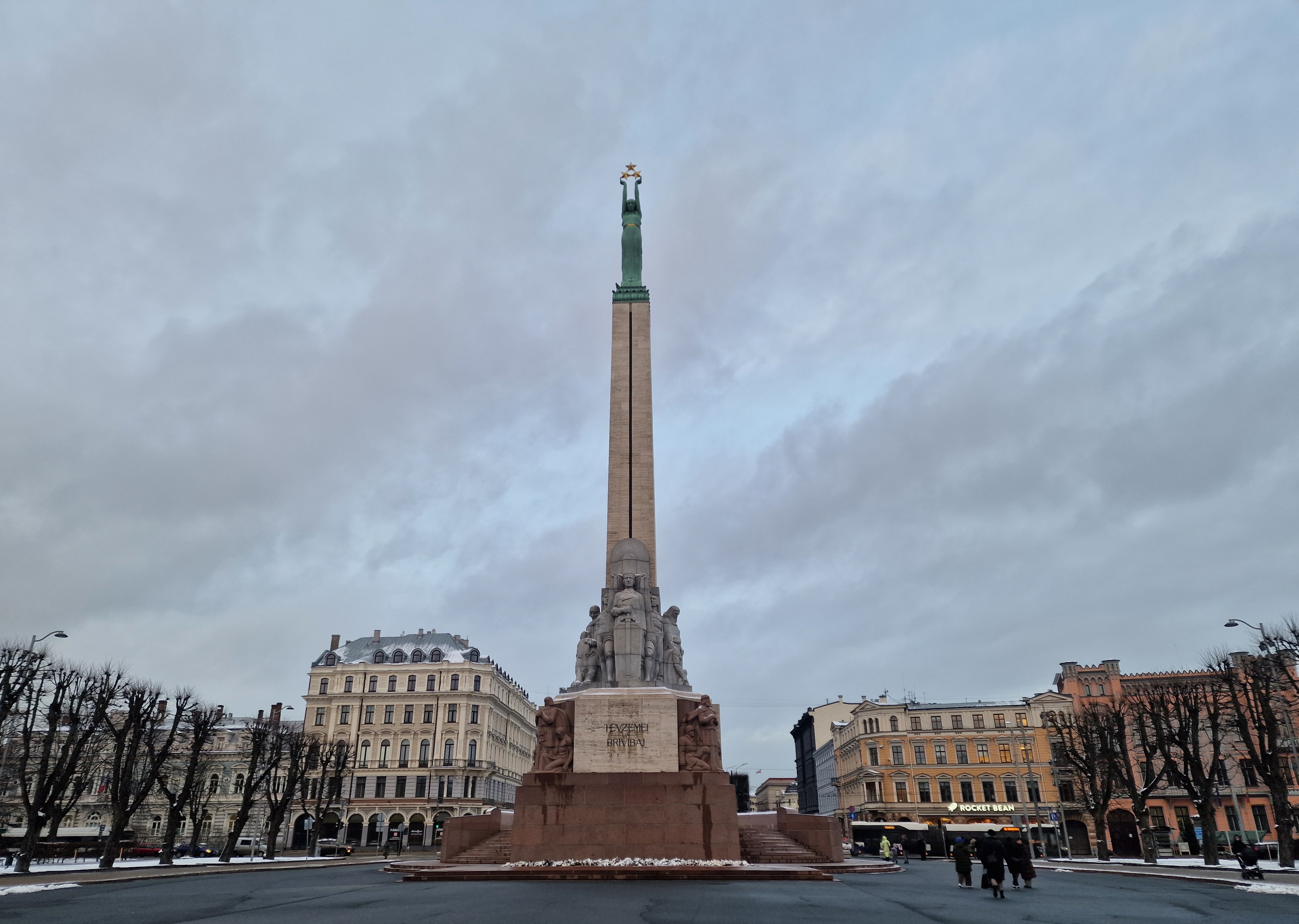
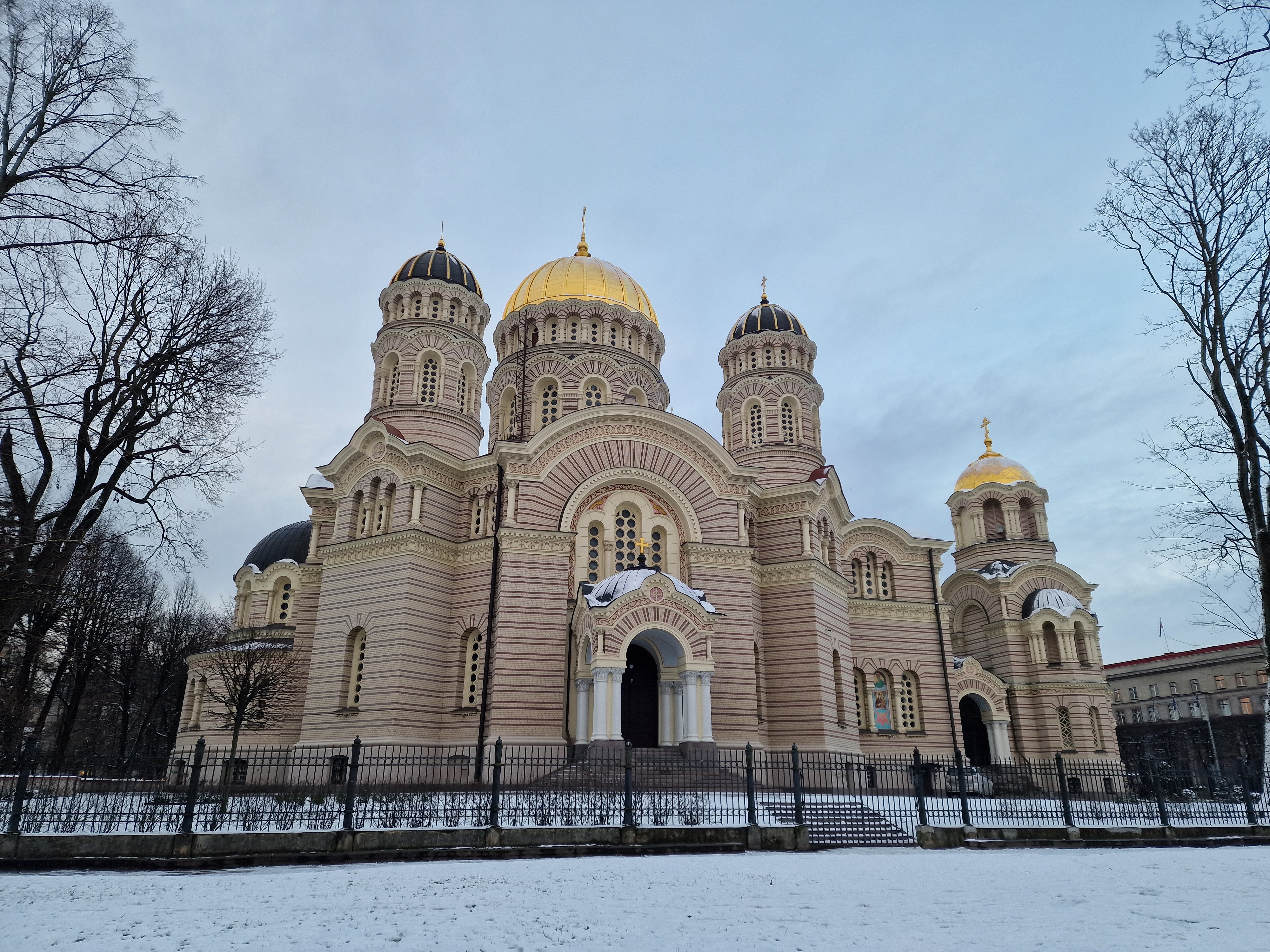
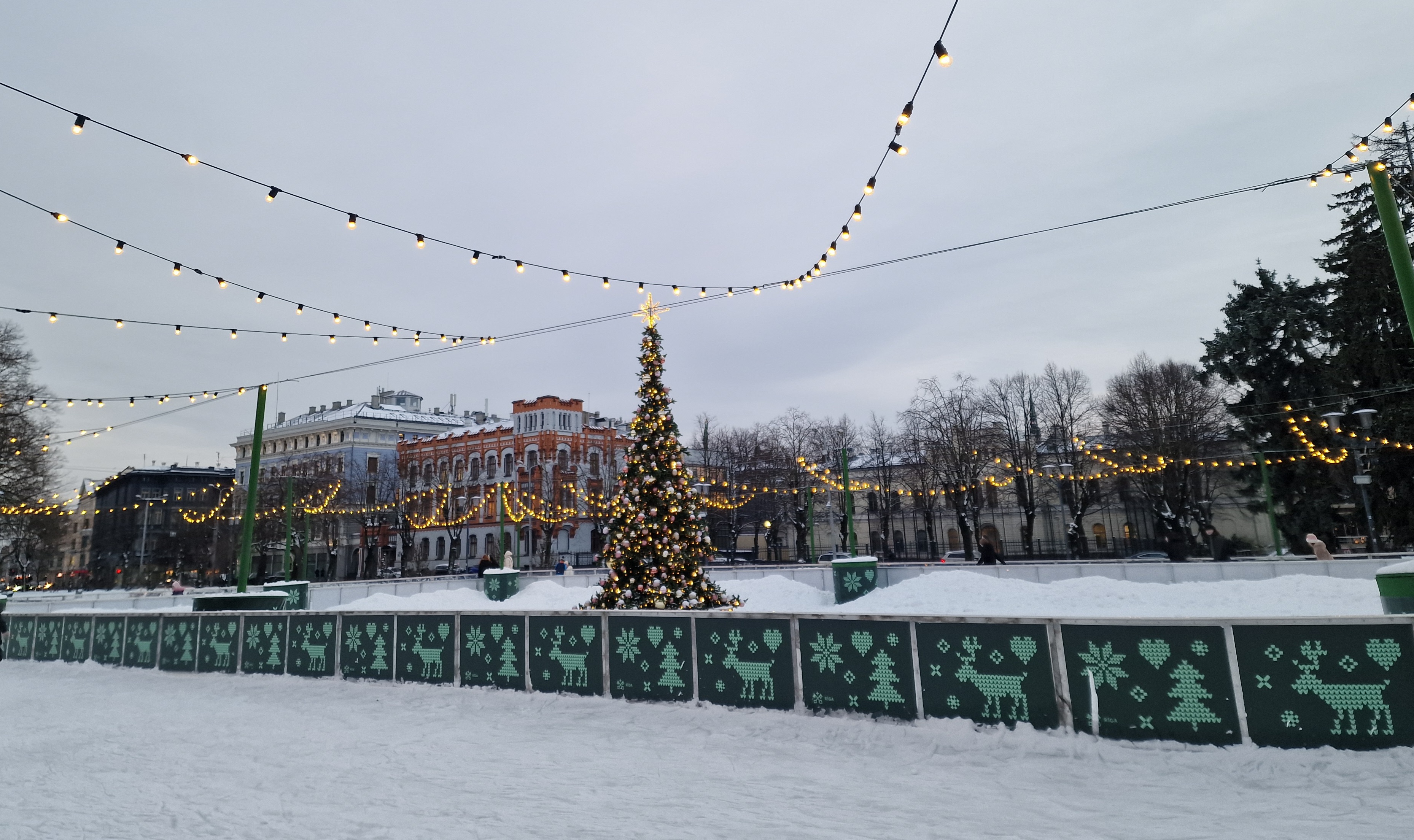
We strolled through another park to the Freedom Monument, prominenly situated at the entrance to the old town. It serves as a powerful symbol of Latvian statehood, reflecting the enduring values of national unity, independence, and freedom. At the base of the monument, a two-man honour guard stands vigil, a poignant representation of Latvia’s sovereignty and pride. We continued further to the gold domes of Nativity of Christ Orthodox Cathedral, the largest Orthodox cathedral in the Baltic provinces. It survived the Soviet era, and restoration efforts began in the 1990s, driven by a strong desire within the community to reclaim their heritage and spirituality, allowing it to become a sacred sanctuary once more. Despite the bitter cold cutting through our layers, we stayed to watch the locals do their tricks on the ice rink next to the cathedral, before heading back into town to find something to eat.

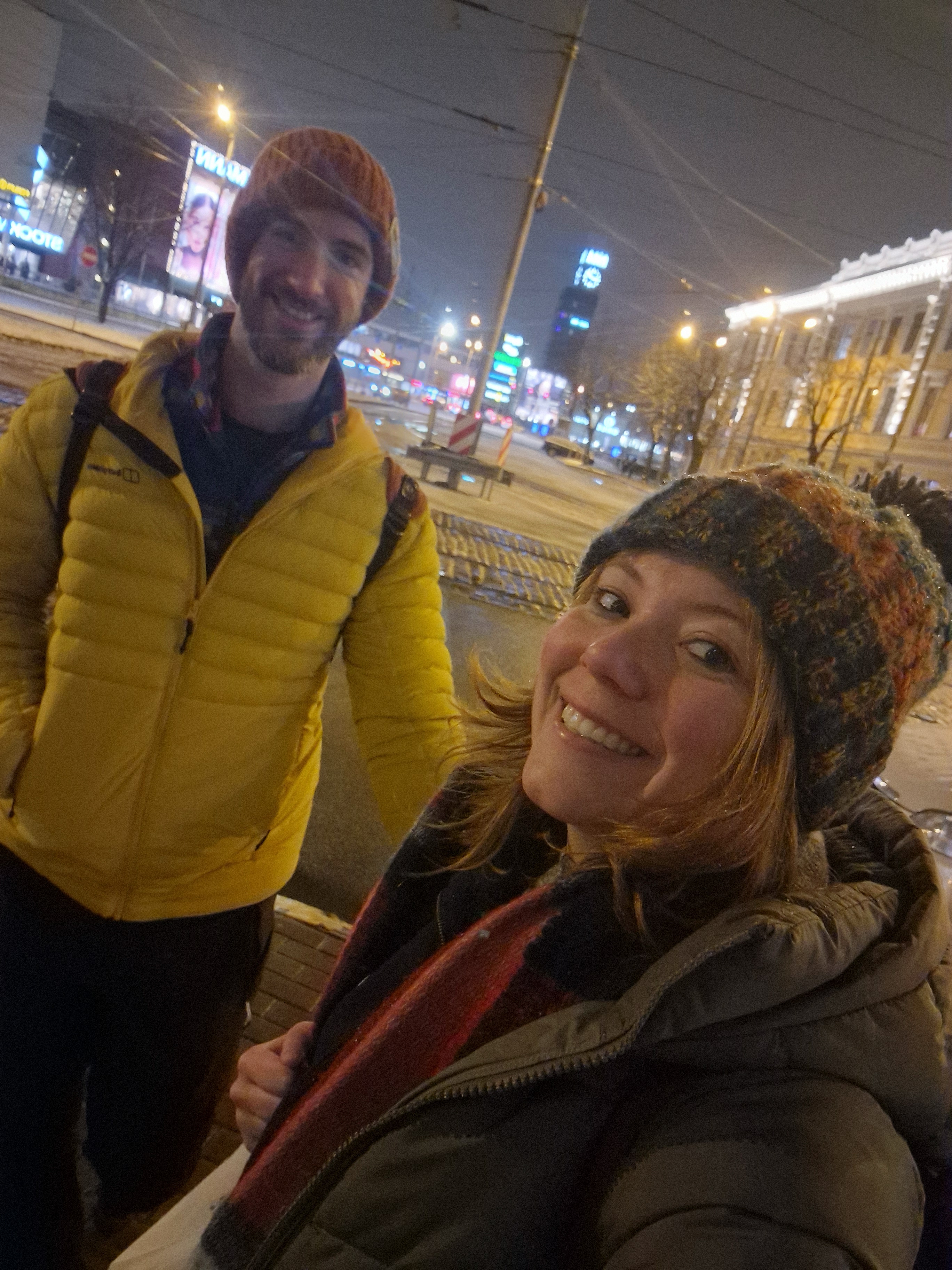
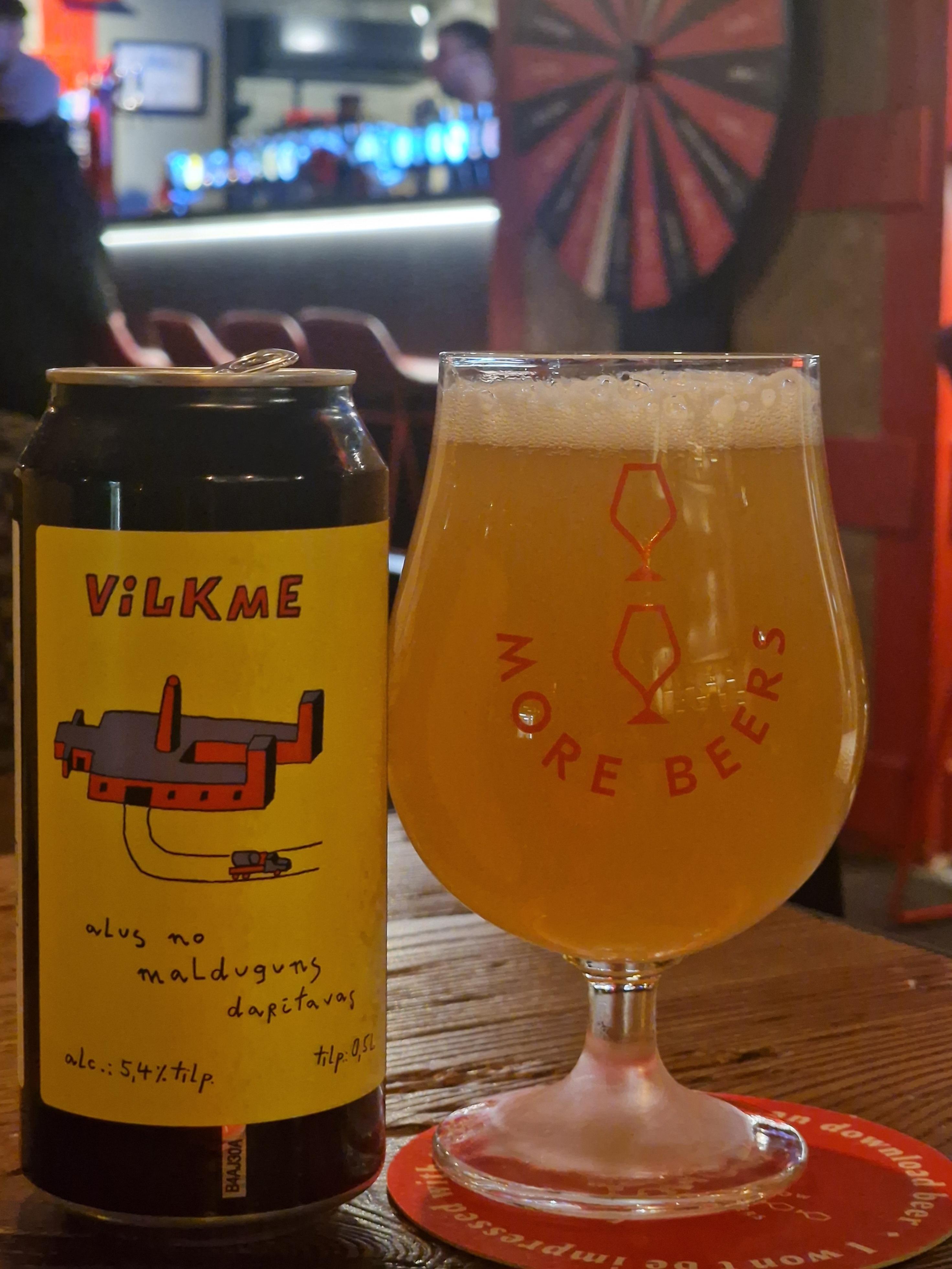
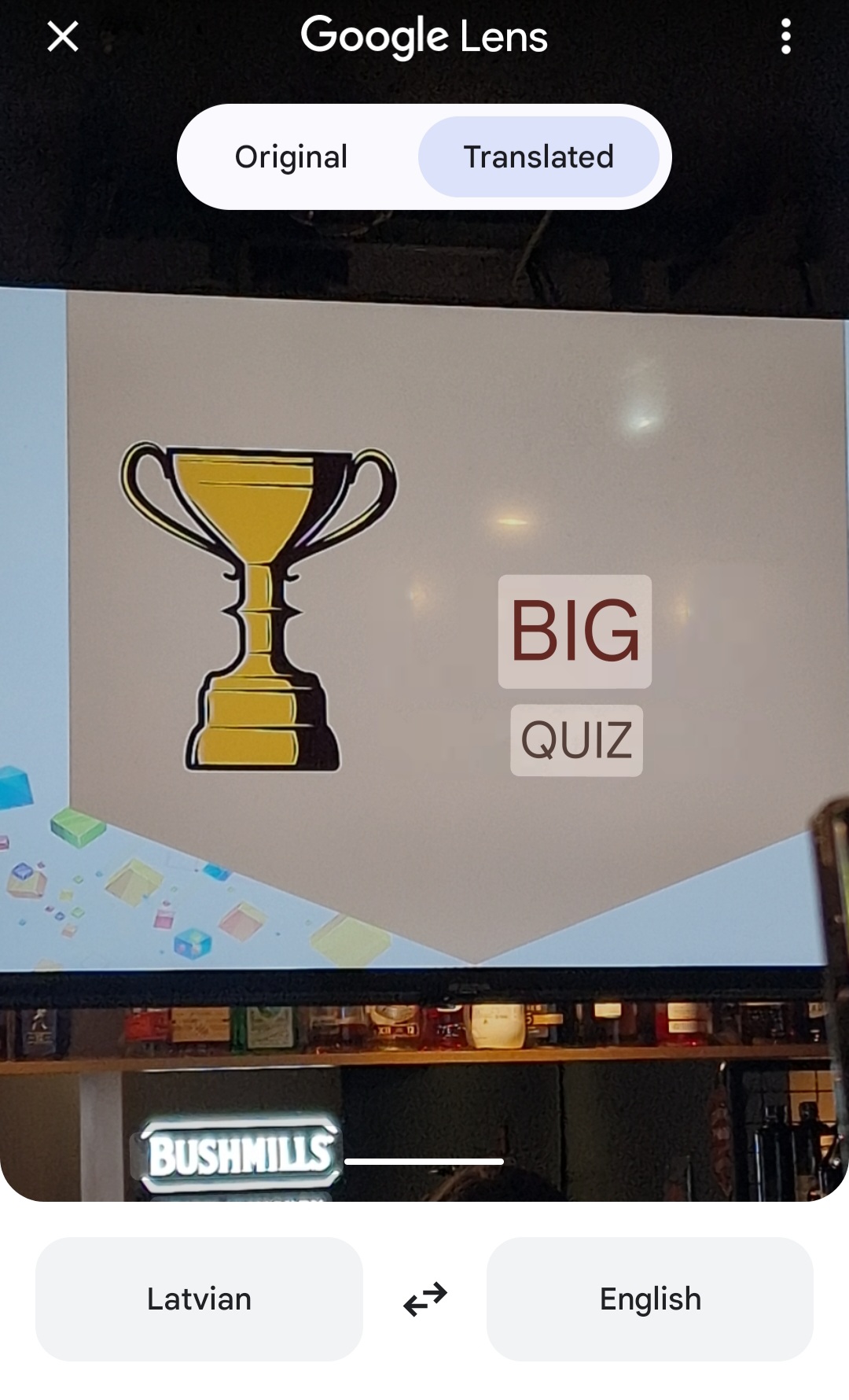
We had planned to just have drinks in ‘Two More Beers’, as a lot of the menu was very I’m a Celebrity (think pigs ears and bulls penis) but we managed to find ‘normal burgers’ on the menu, and ended up staying for nearly 3 hours whilst Mark made his way through their extensive beer selection. Due to the time of year, most of the pubs were dead, with only a small handful of people in them. We spotted a bar that was absolutely rammed, so decided to check out what was occurring. Turns out they were in the middle of a pub quiz, and we joined during the all important music round (between us, we got them all correct!). 

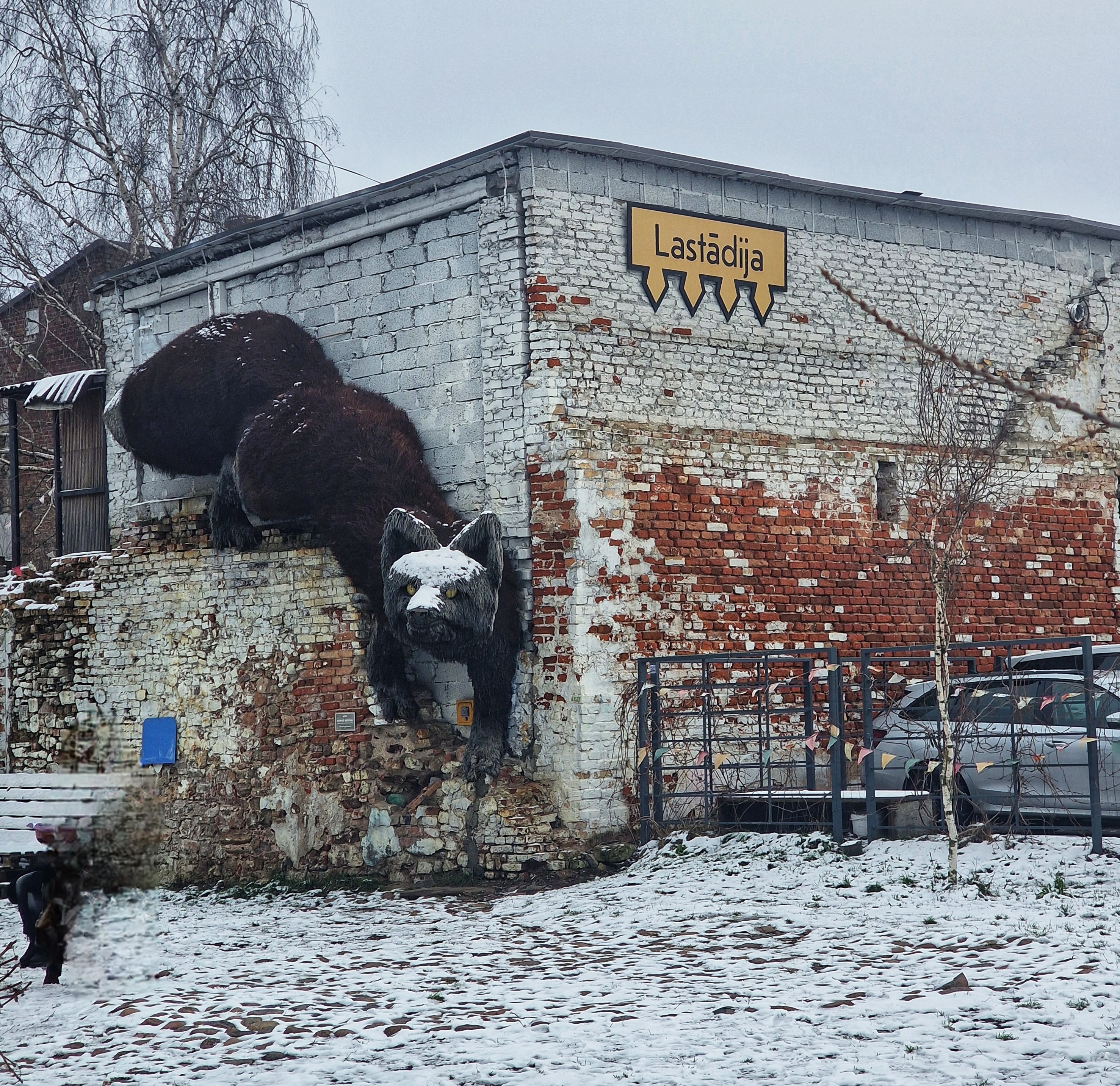
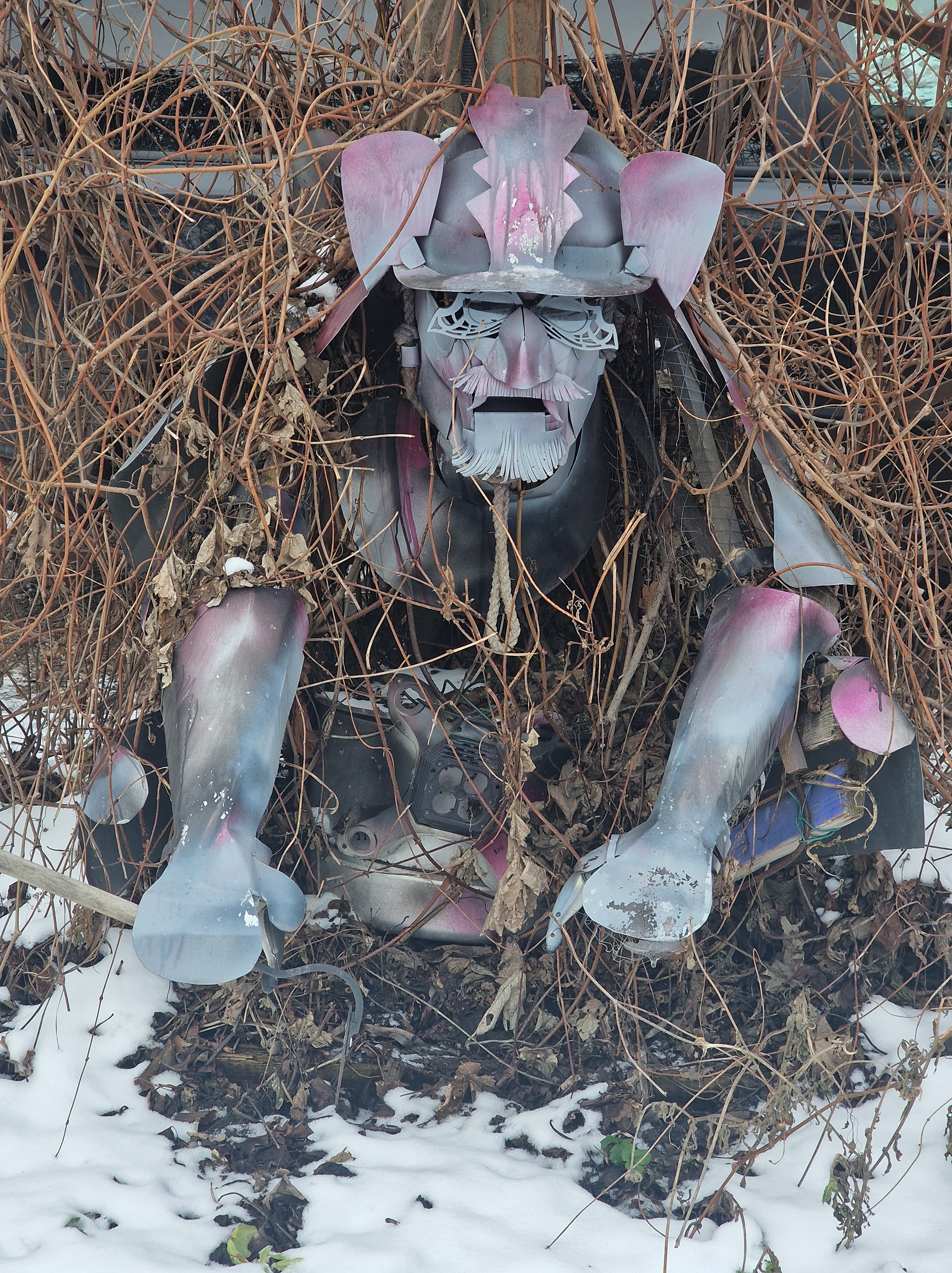
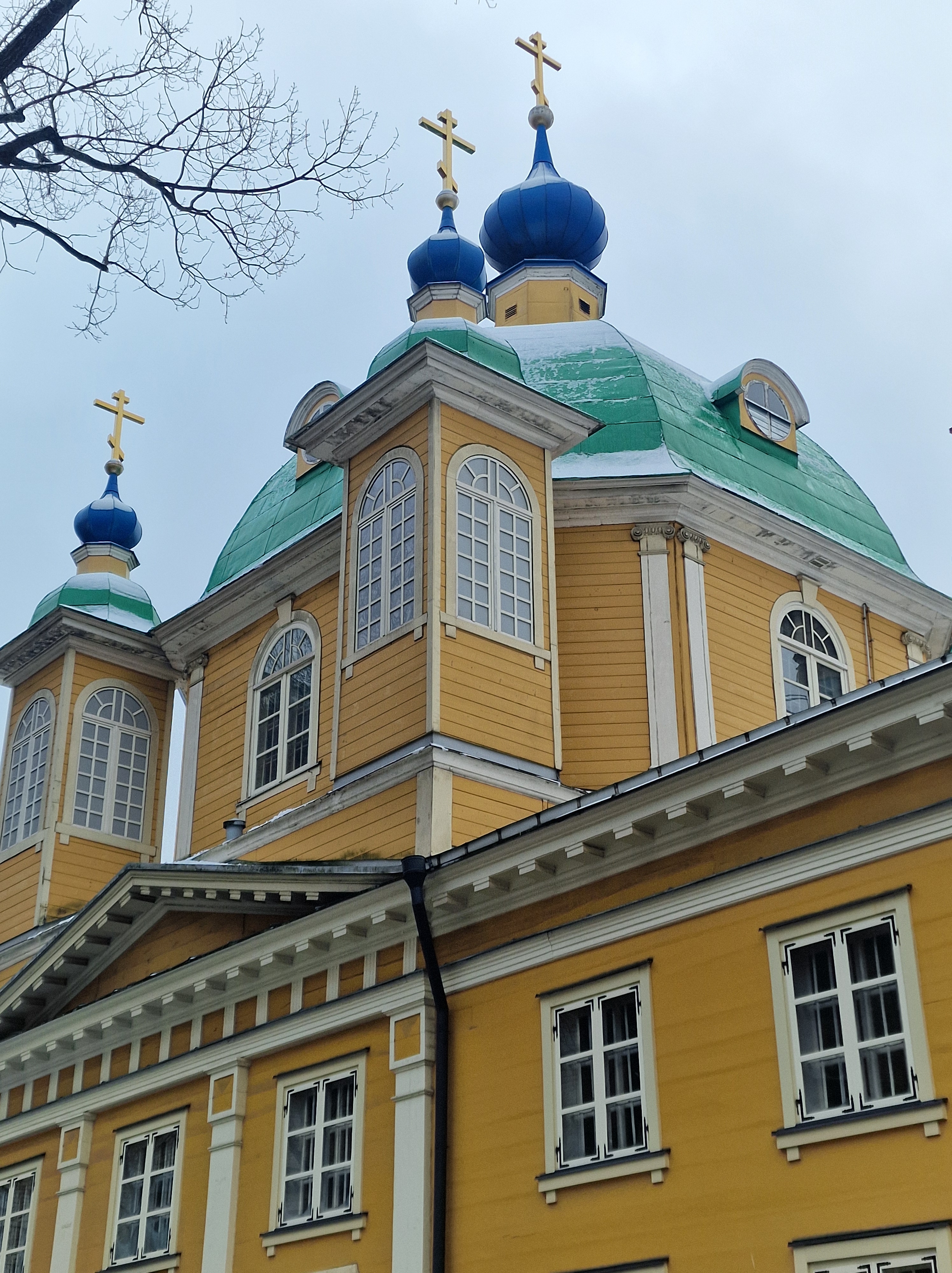
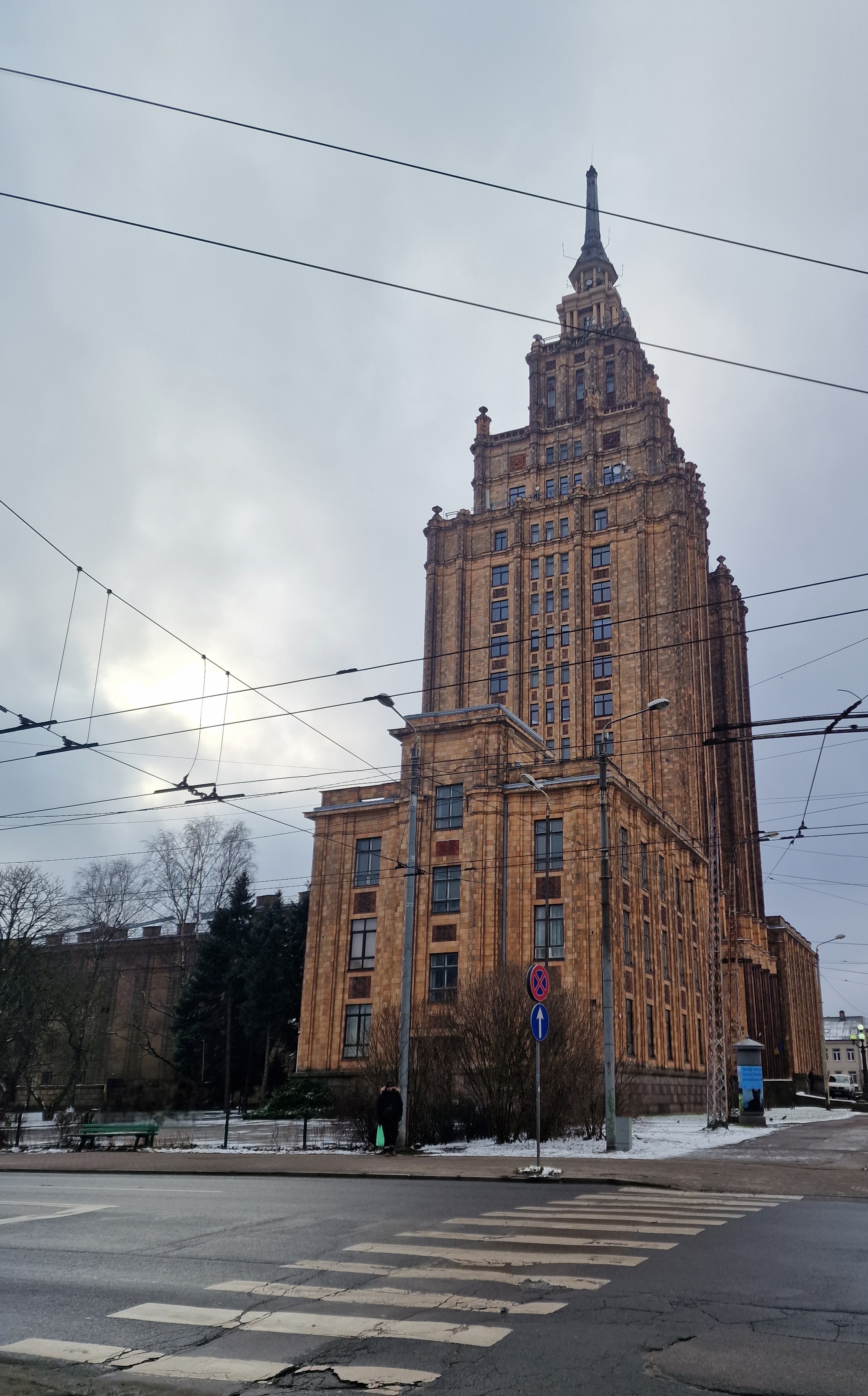
The following morning we spent exploring another neighbourhood. Lastadija is known as the artistic quarter and is a project of the Free Riga union – dedicated to breathing new life into abandoned houses and transforming them into hubs for cultural and artistic endeavors, as well as residential spaces. Just down the road is the Latvian Academy of Science building. This striking example of Soviet architecture that dominates the skyline is hated by the locals, as they refer to it as Stalin’s Birthday Cake. In contrast to this is the Annunciation of Our Most Holy Lady Church, with its exterior of gold and green. As this area is just a short walk from the central market, it’s definitely worth the detour. 

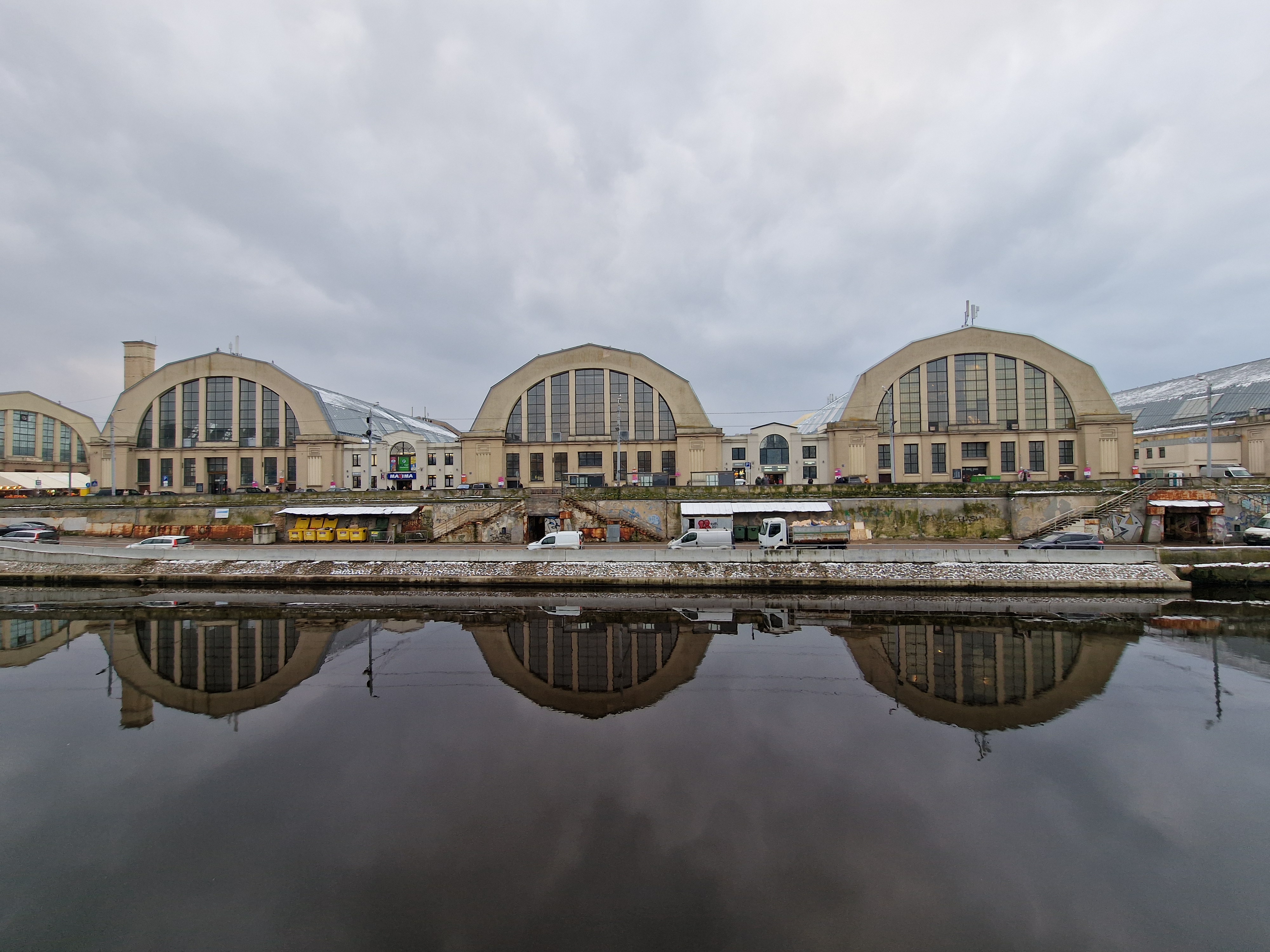
The Central Market is one of the largest in Eastern Europe, and the building was originally used as military airship hangars. It’s full of diverse and colourful produce, and I was looking forward to the smell of the fresh fruit and veg section. Unfortunately this is also shared with the fishmongers 🤢 potential unpopular opinion.. we preferred the Āgenskalns Market, but central is still worth the visit.

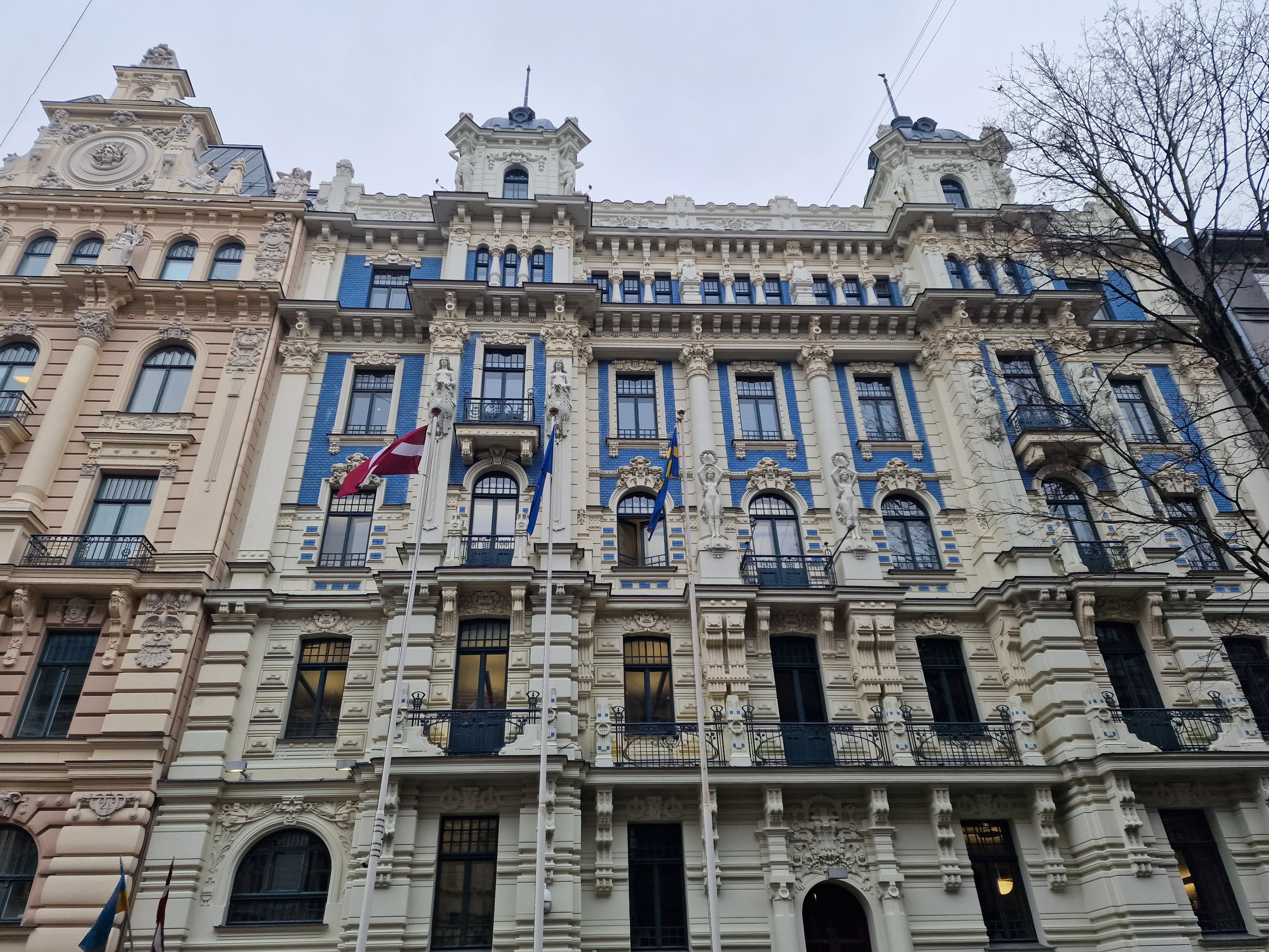
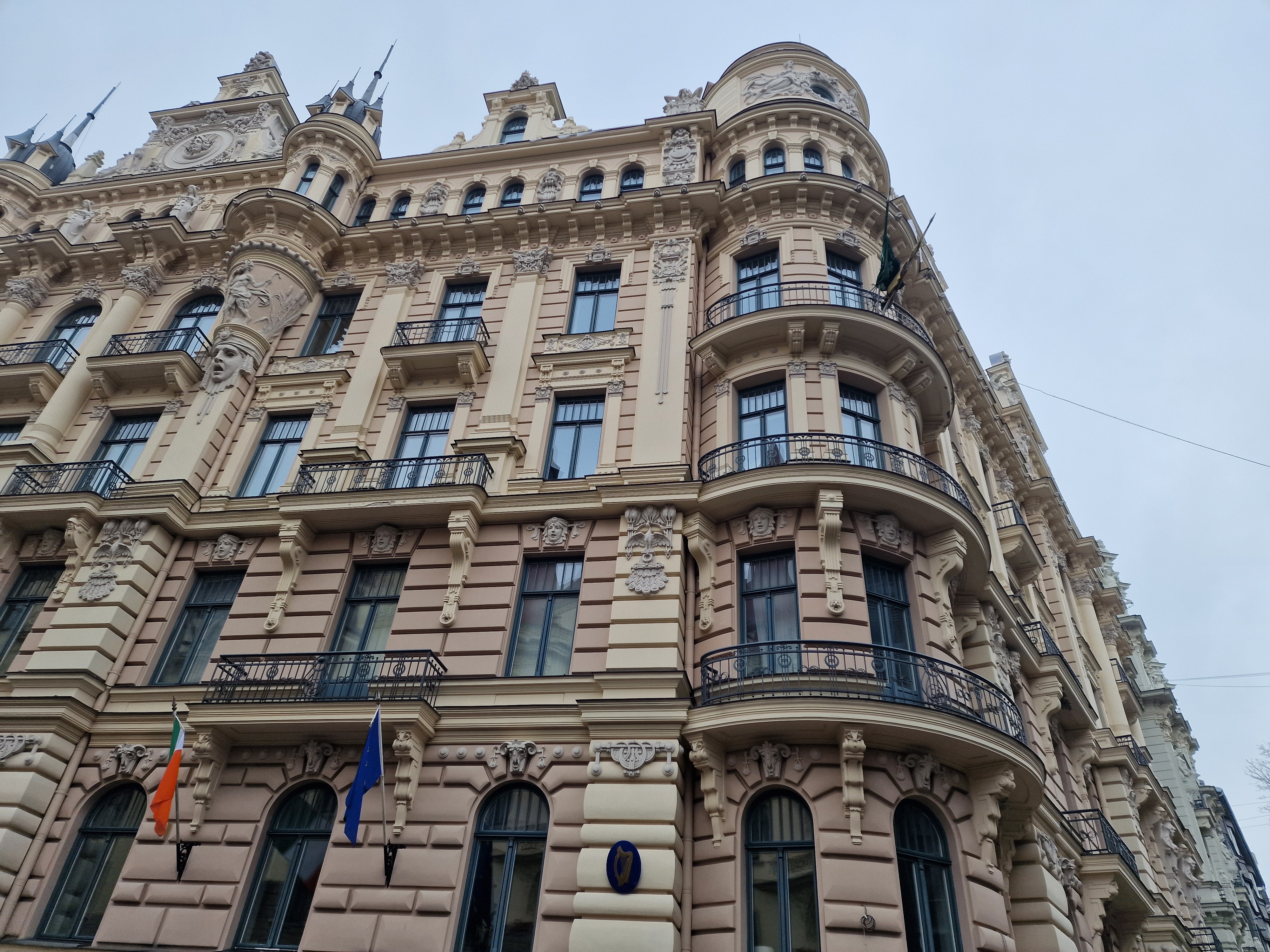
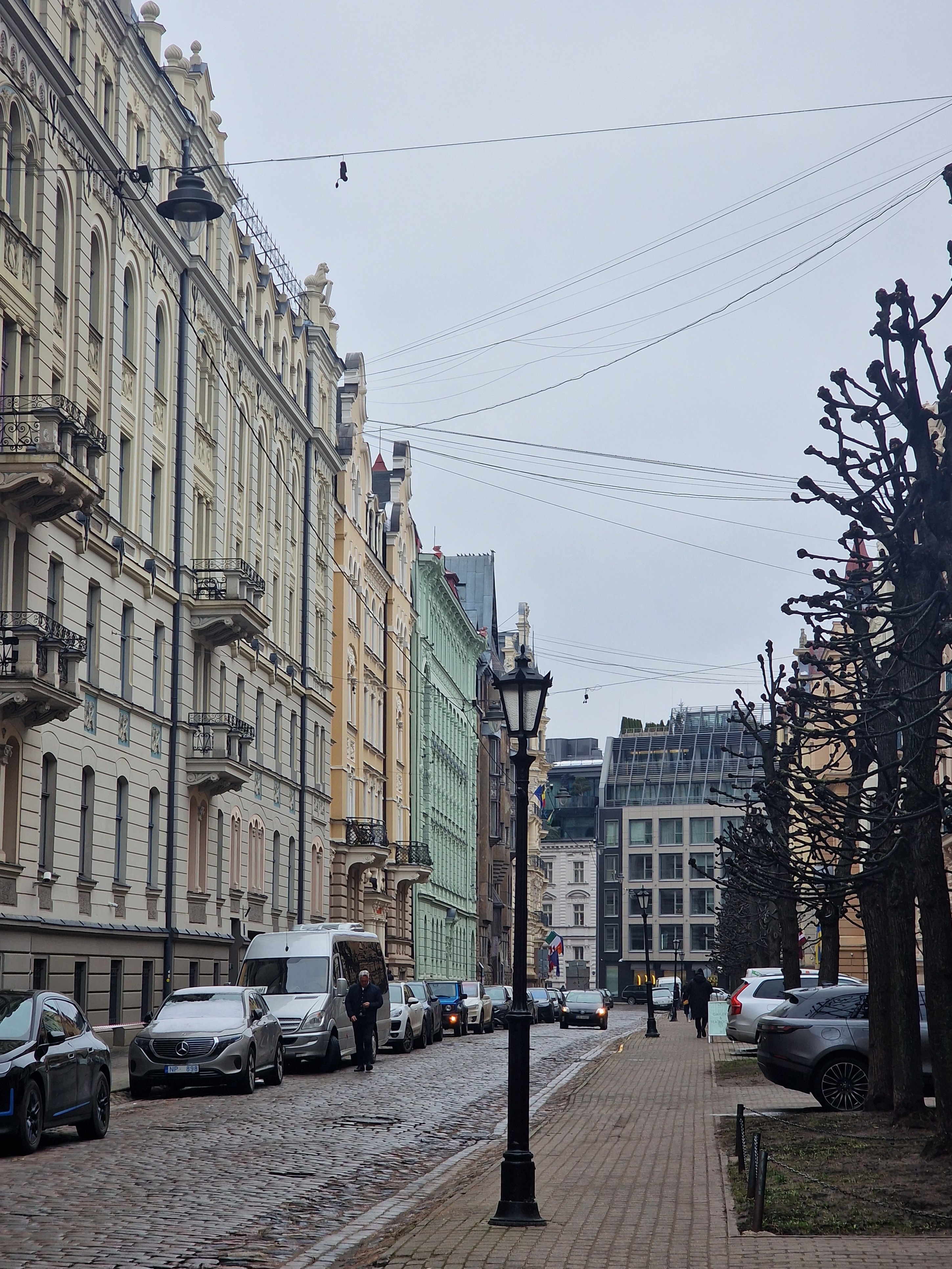
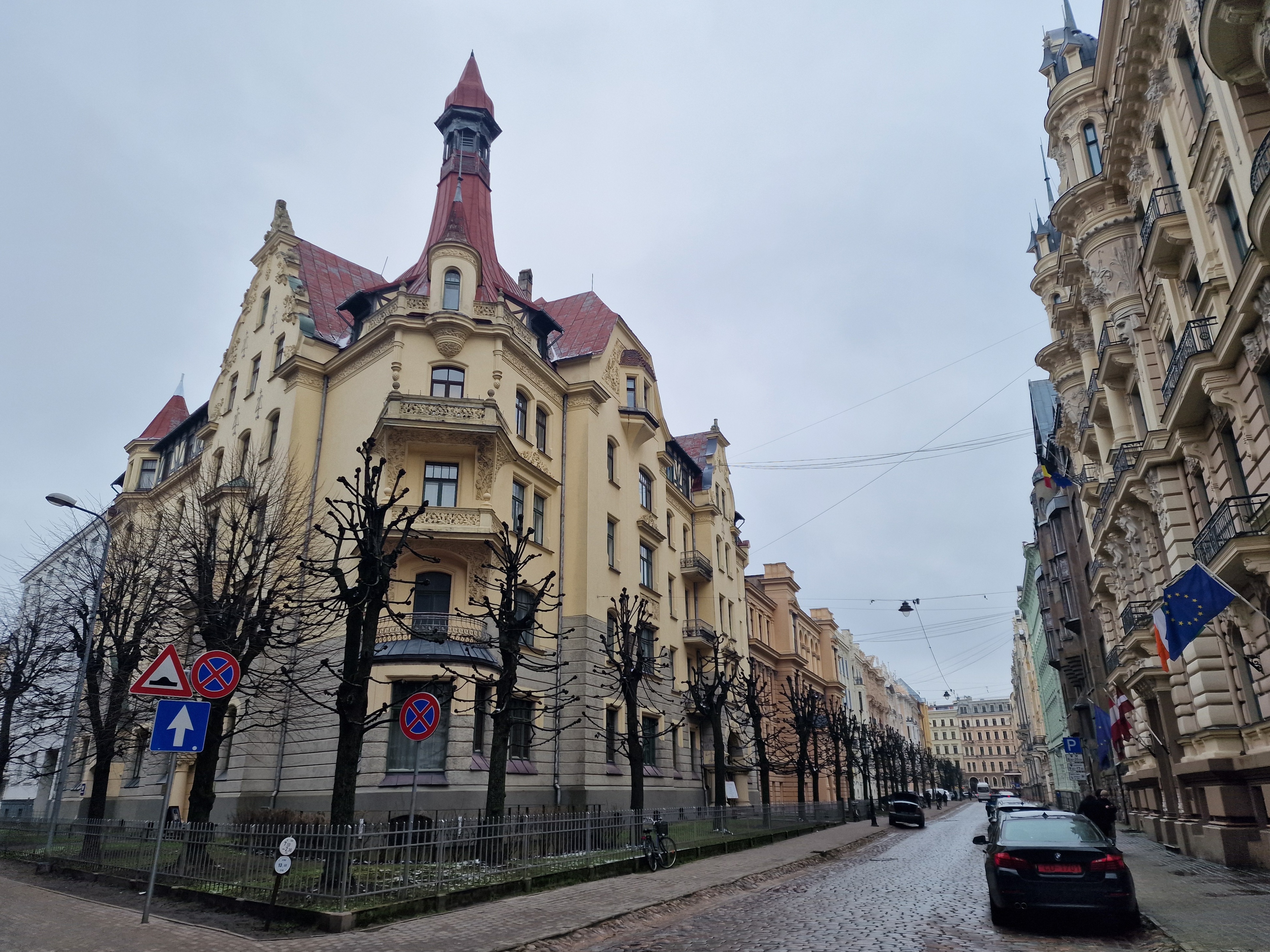
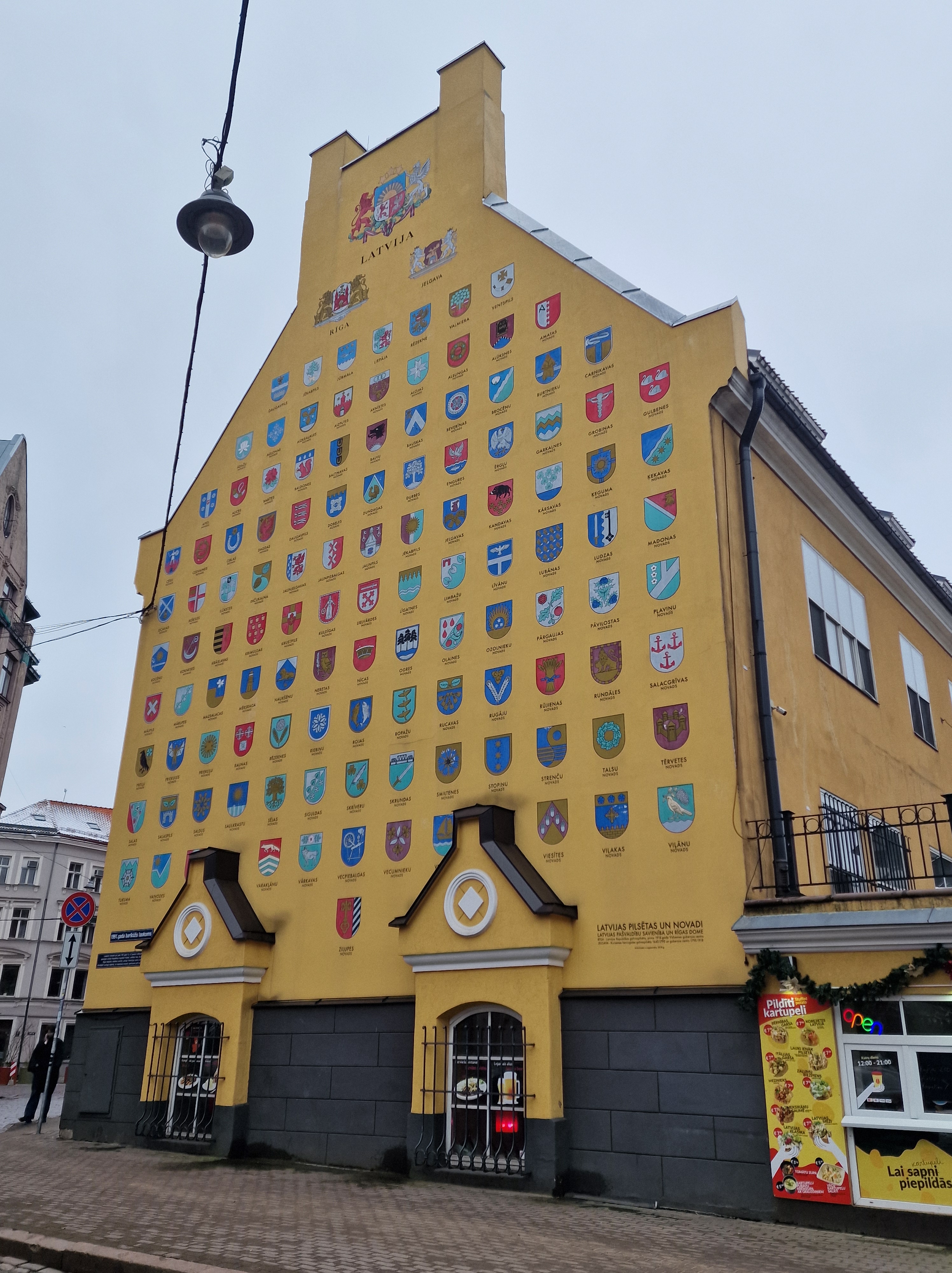
We headed over to Alberta Street, known as Riga’s Art Nouveu gem. The buildings are decorated with sculptures, balconies, columns, and other elements characteristic to this style. They survived World War II and decades of Soviet occupation, and you could definitely spend ages here just gazing up at the beautiful buildings.

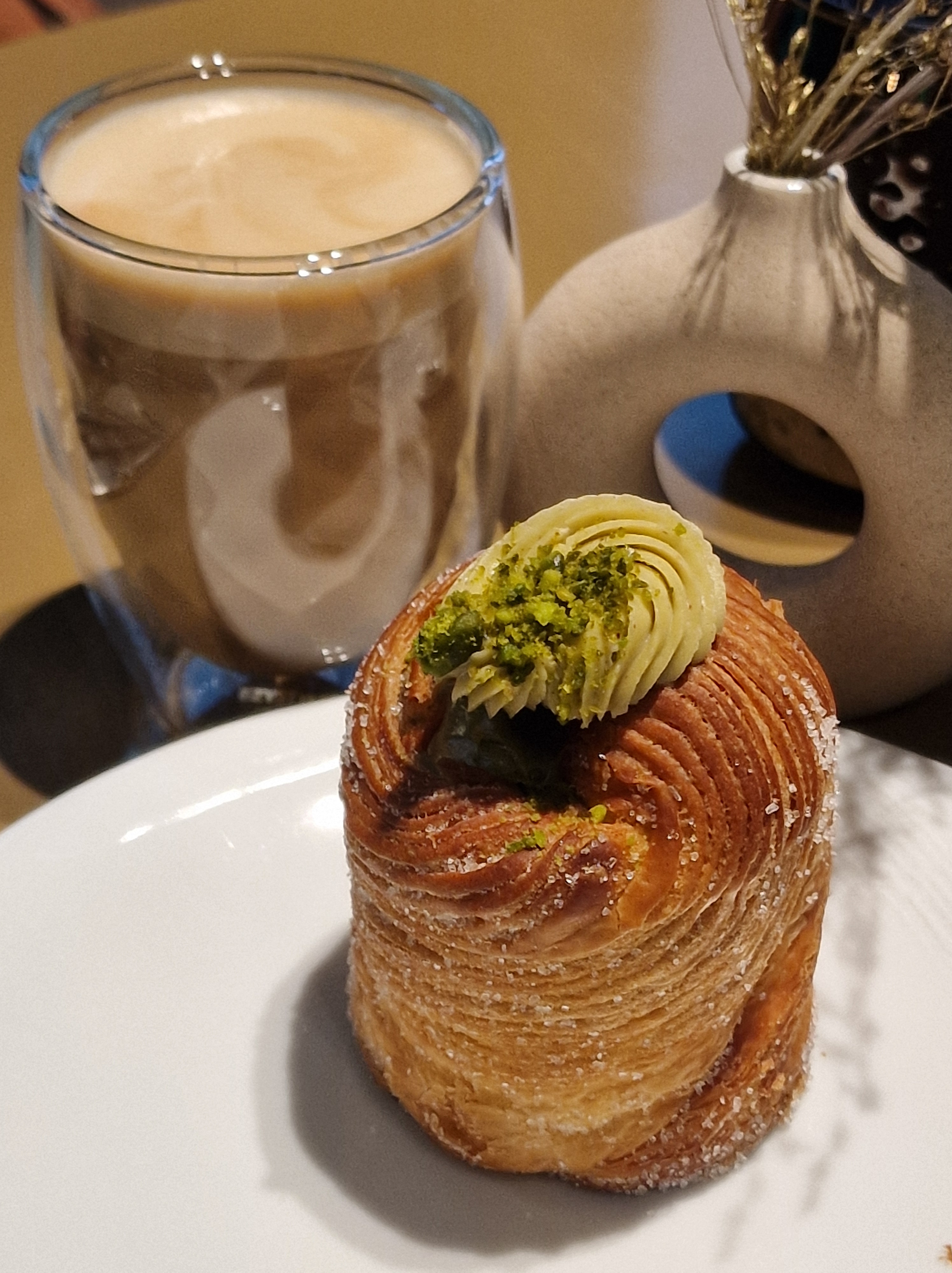
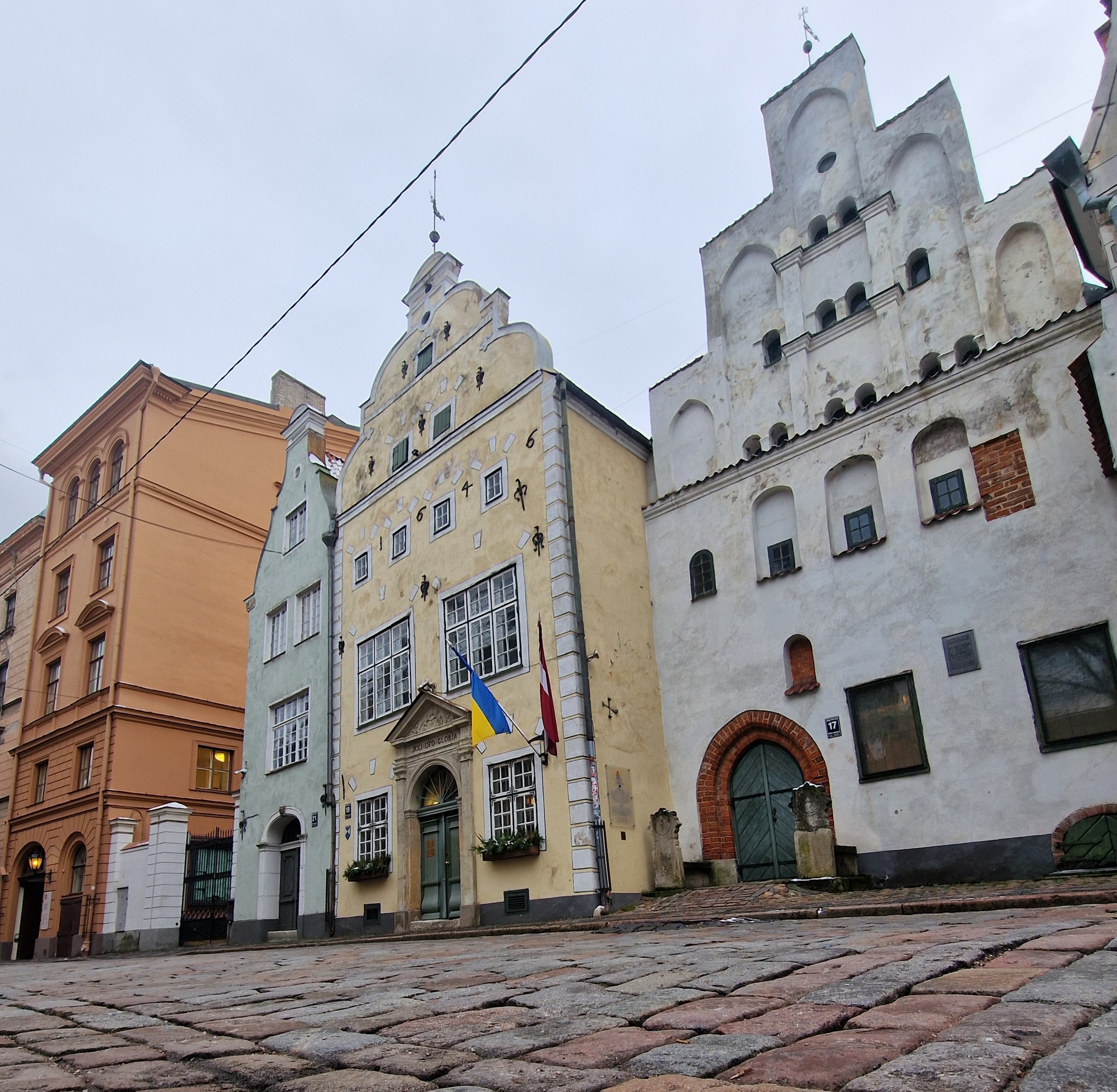
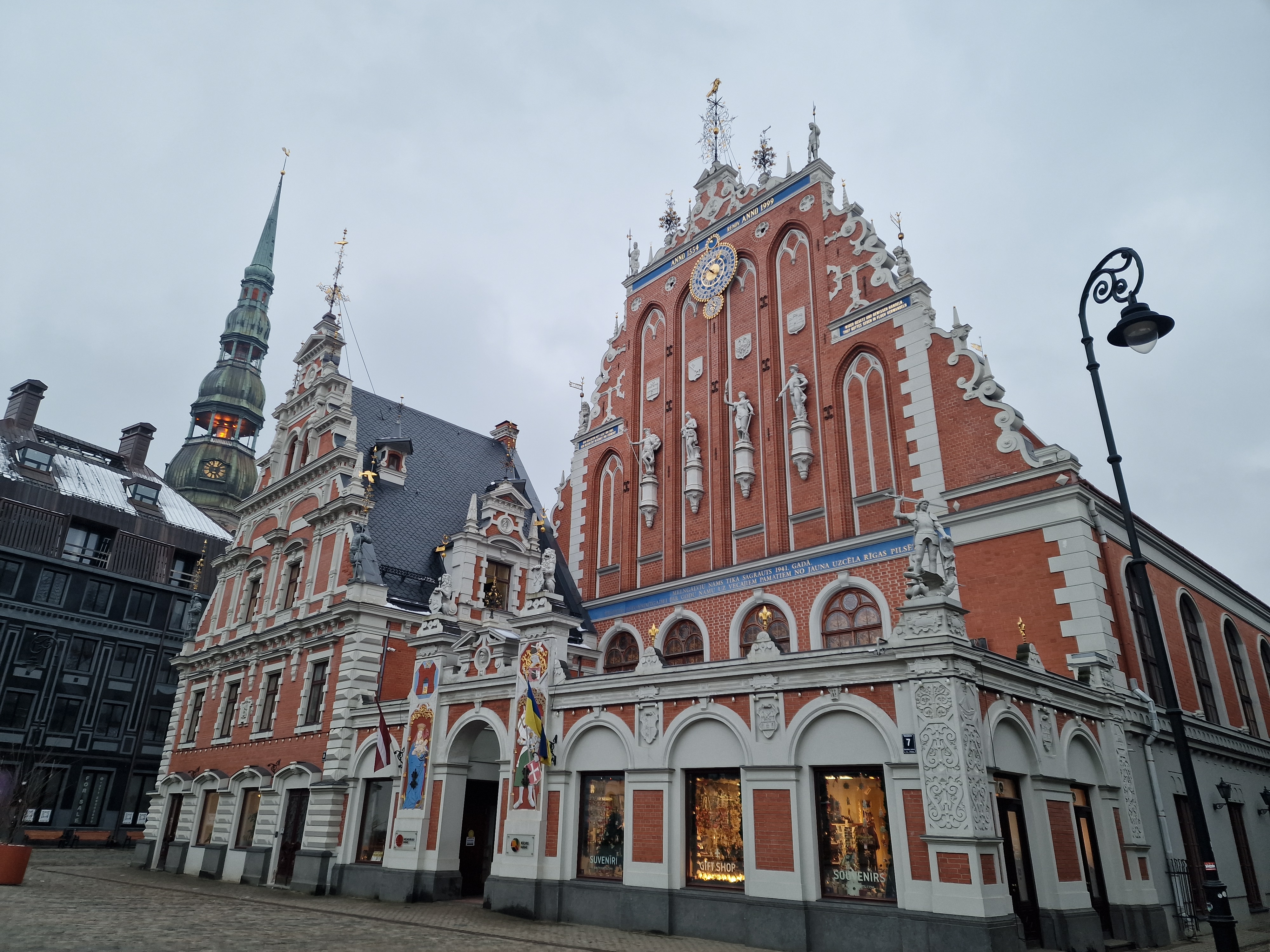
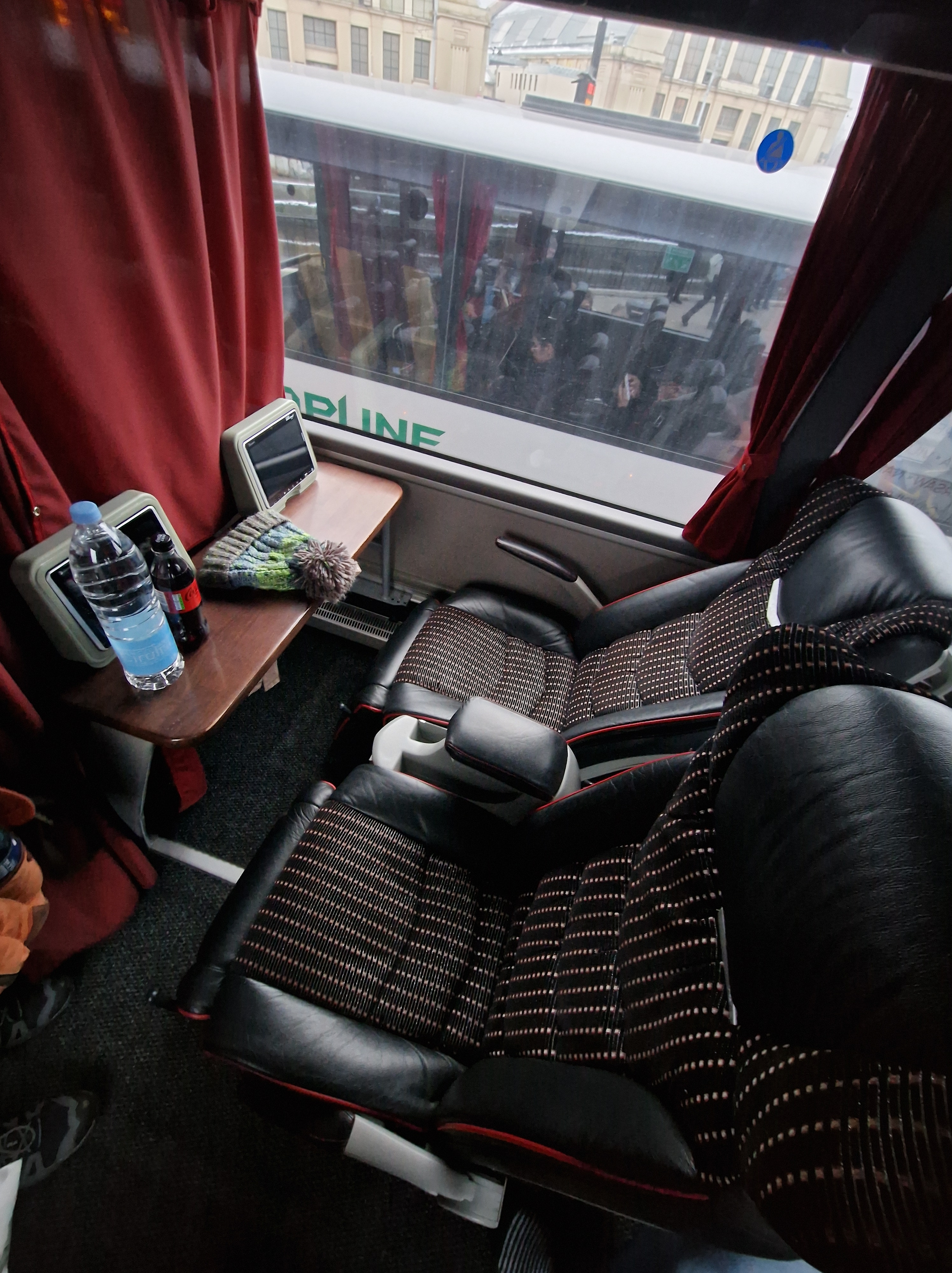
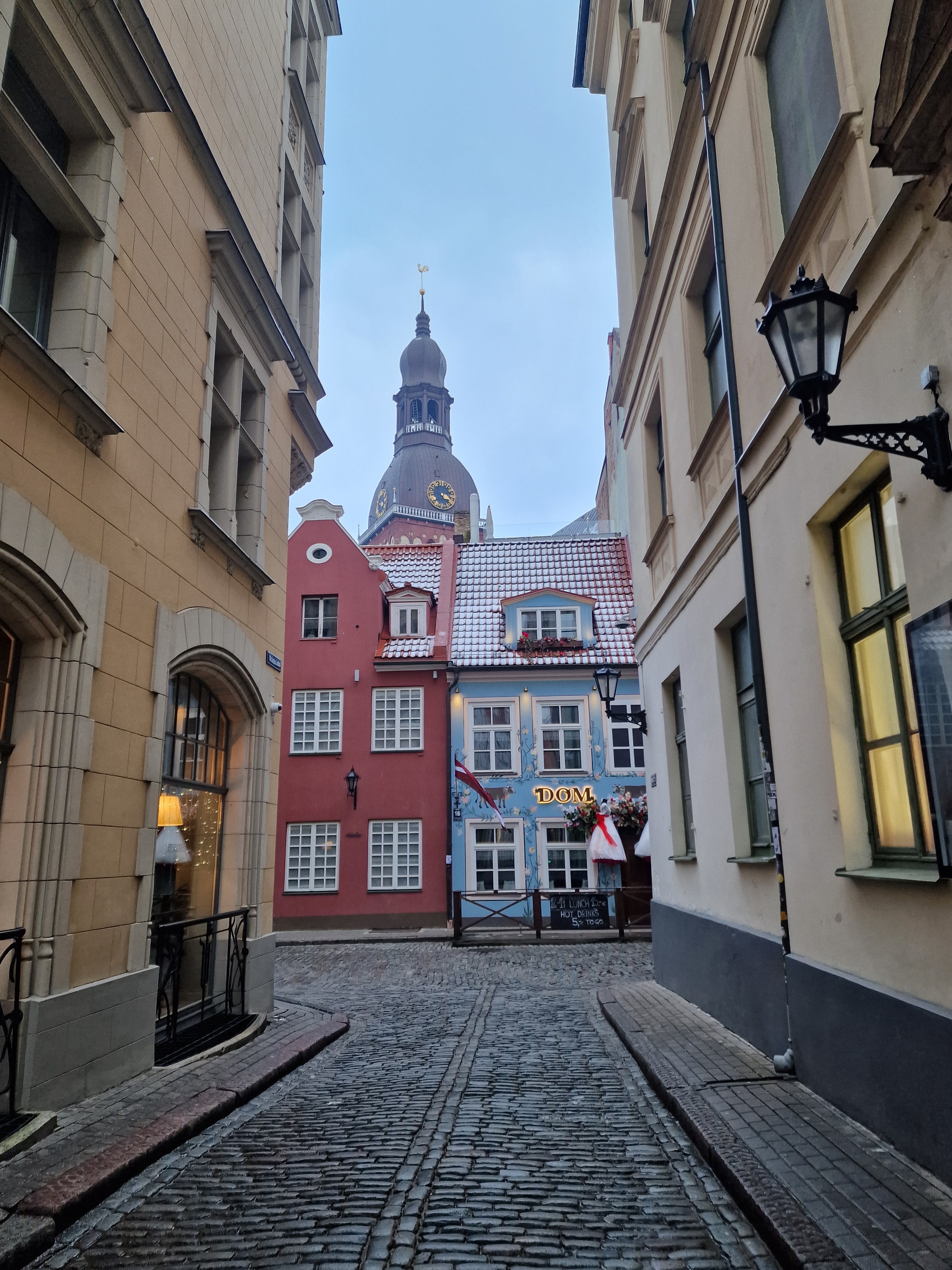
We spent the rest of our time in Riga just wandering around the old town, and stopping for a delicious treat from Cruffins before the next leg of our trip. As a treat, I booked us extra leg room and extendable seats in the Lux Express to Tallinn.

So is Riga worth the visit? It’s full of history, beautiful buildings, a ridiculous amount of bars/restaurants, easy to get around on foot and it would definitely be a perfect Christmas market destination. However for the time of year we went, there just wasn’t really any atmosphere, and if was very much like a ghost town. The old town felt very geared to tourists, and around the train station felt very uncomfortable. But 48hrs was the perfect amount of time and we would defo recommend it.

Vilnius 🇱🇹

What to do with 10 days off? Visit 4 different countries of course! We will be journeying through Lithuania, Latvia, Estonia and Finland – spending around 48 hours in each of their capital cities. 

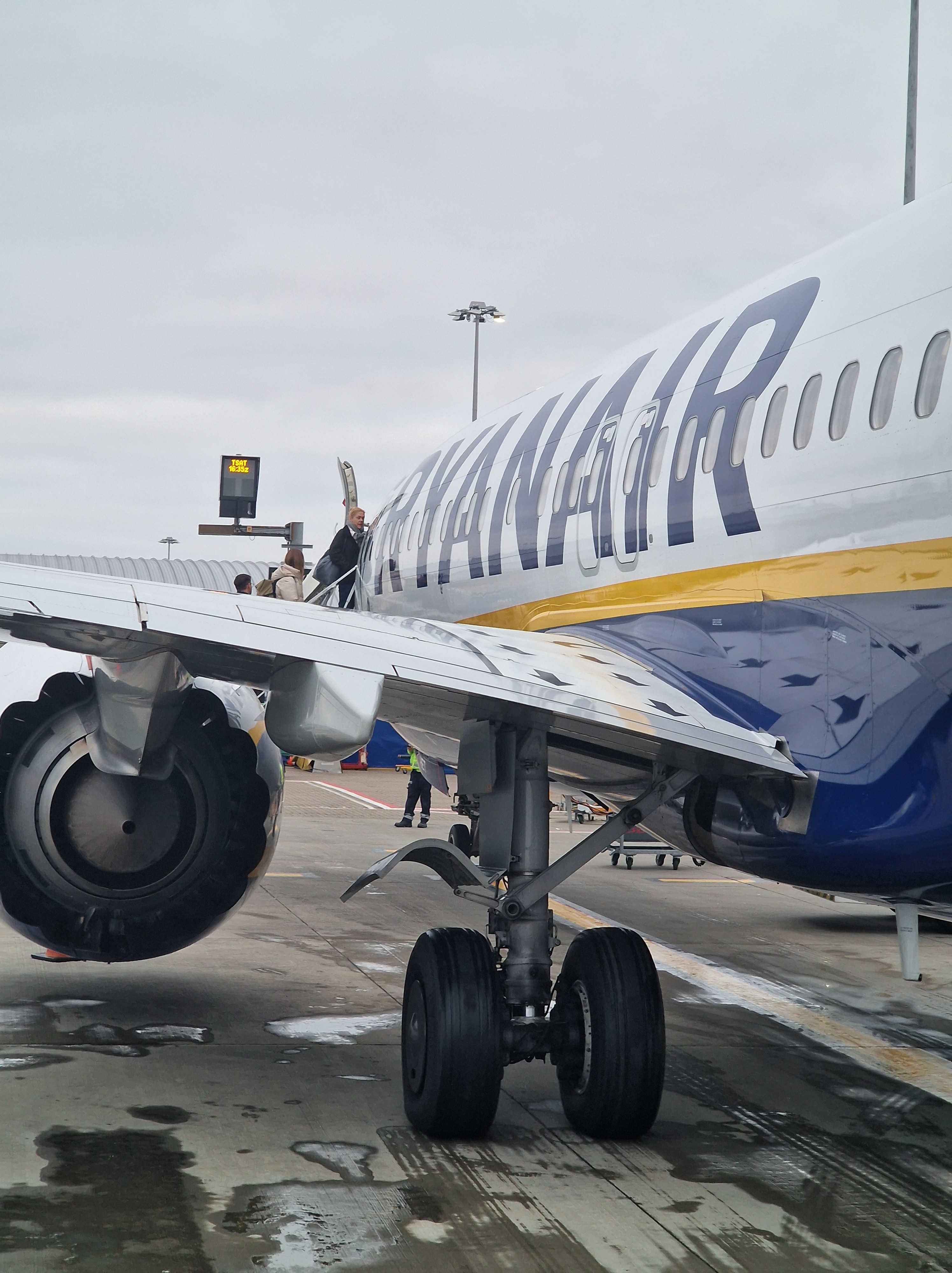
The drive to Stansted was so pain free that we had a whole hour before we could get into the car park – look at us getting somewhere early! We used the time wisely by having a Subway and a Starbucks (still extortionate services prices, but at least not as insane as airport prices). The midstay car park was very reasonable with plenty of parking spaces, and after a 10 minute shuttle bus, we were at the terminal building ready to start our adventure. Security was empty – but unfortunately my boots kept setting off various machines. After multiple shoe swabs and leg frisks, I was eventually allowed into the Duty Free for the obligatory cheeky squirt of the most expensive perfume. We had a few beverages and a ridiculously expensive bowl of nachos in Spoons, before boarding the delight that is Ryanair for our flight to Vilnius.

Everything went very smoothly, and after grabbing our bags, we got a Bolt to our hotel where we spent the next 2 nights.

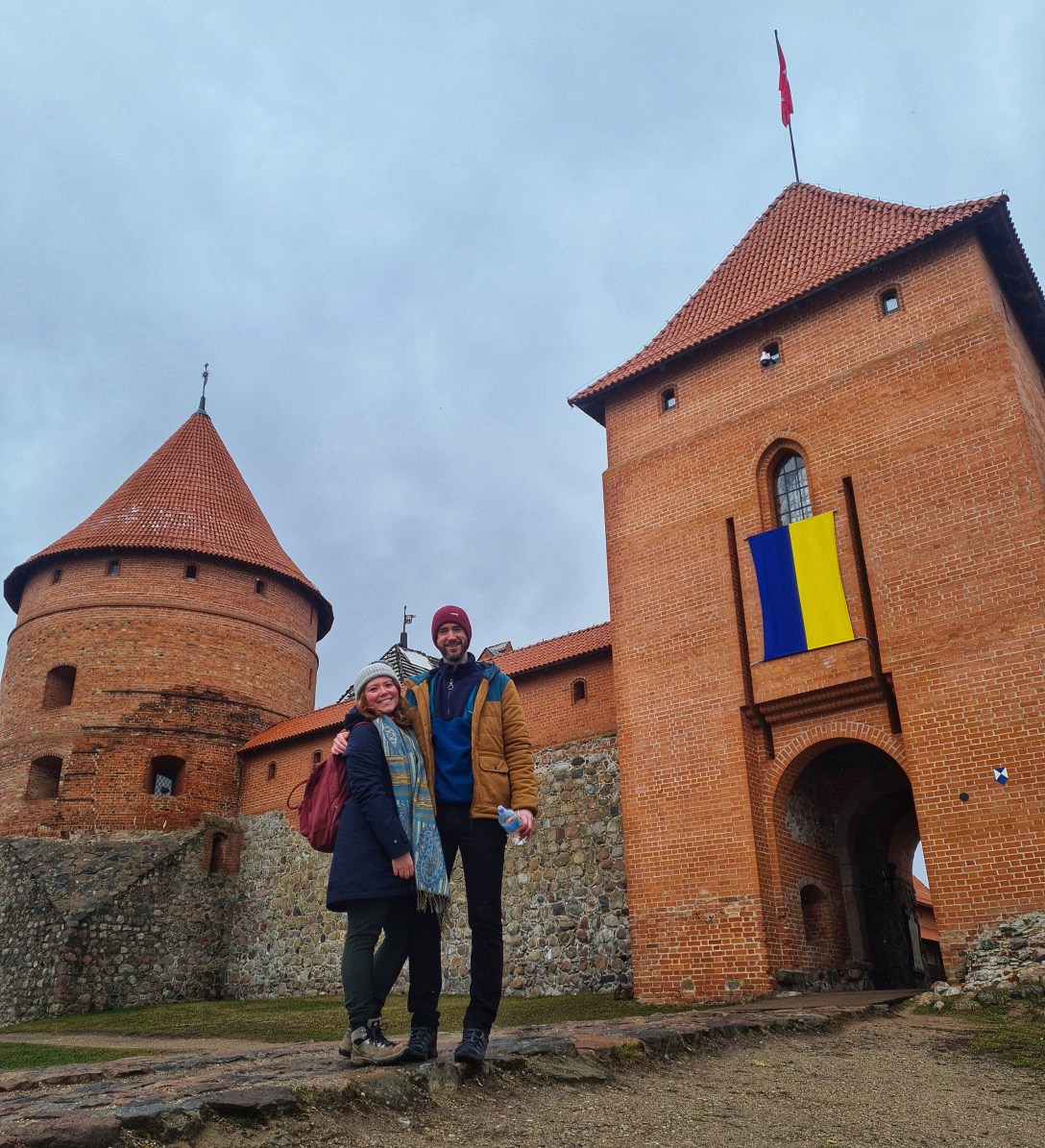
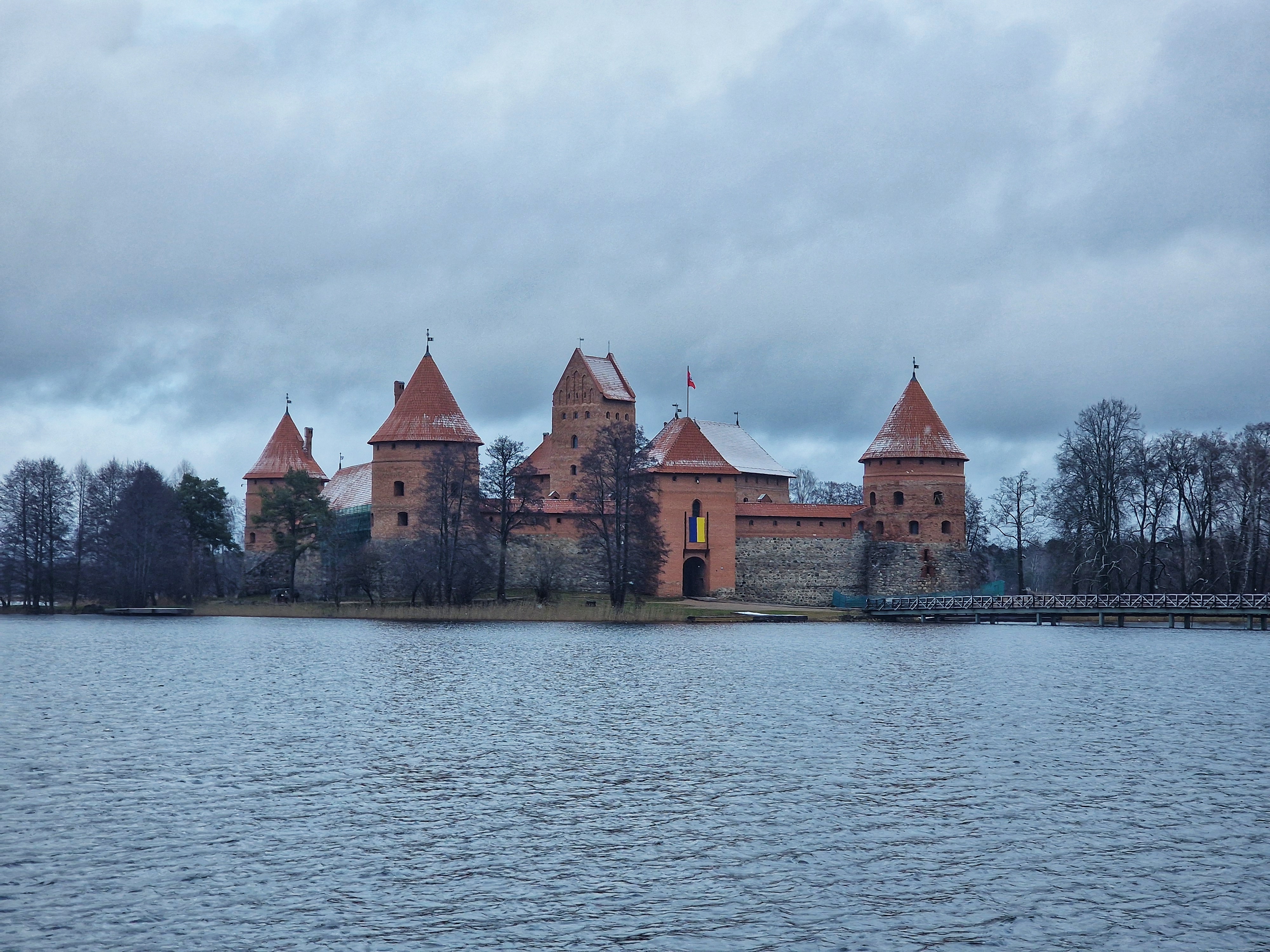
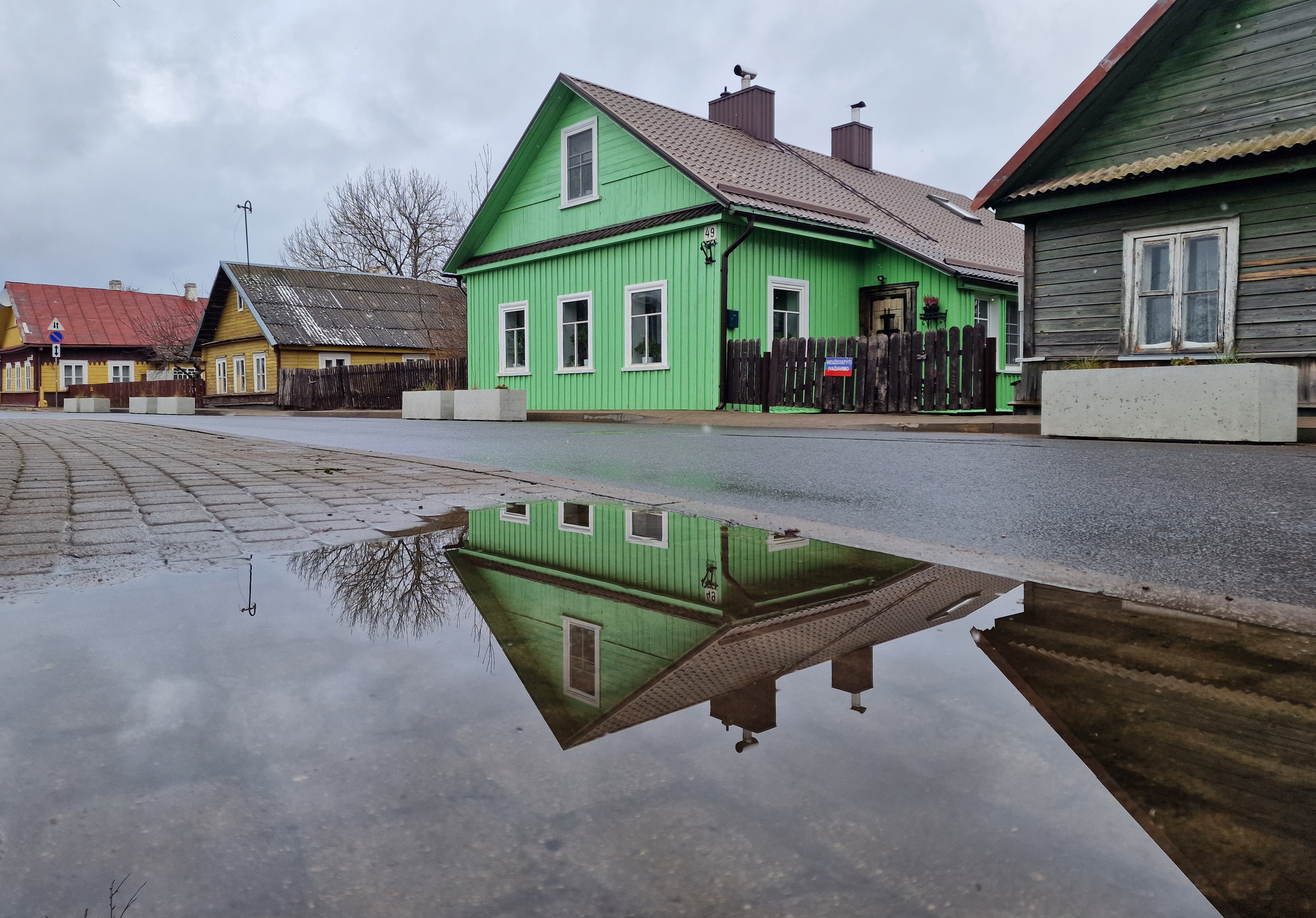
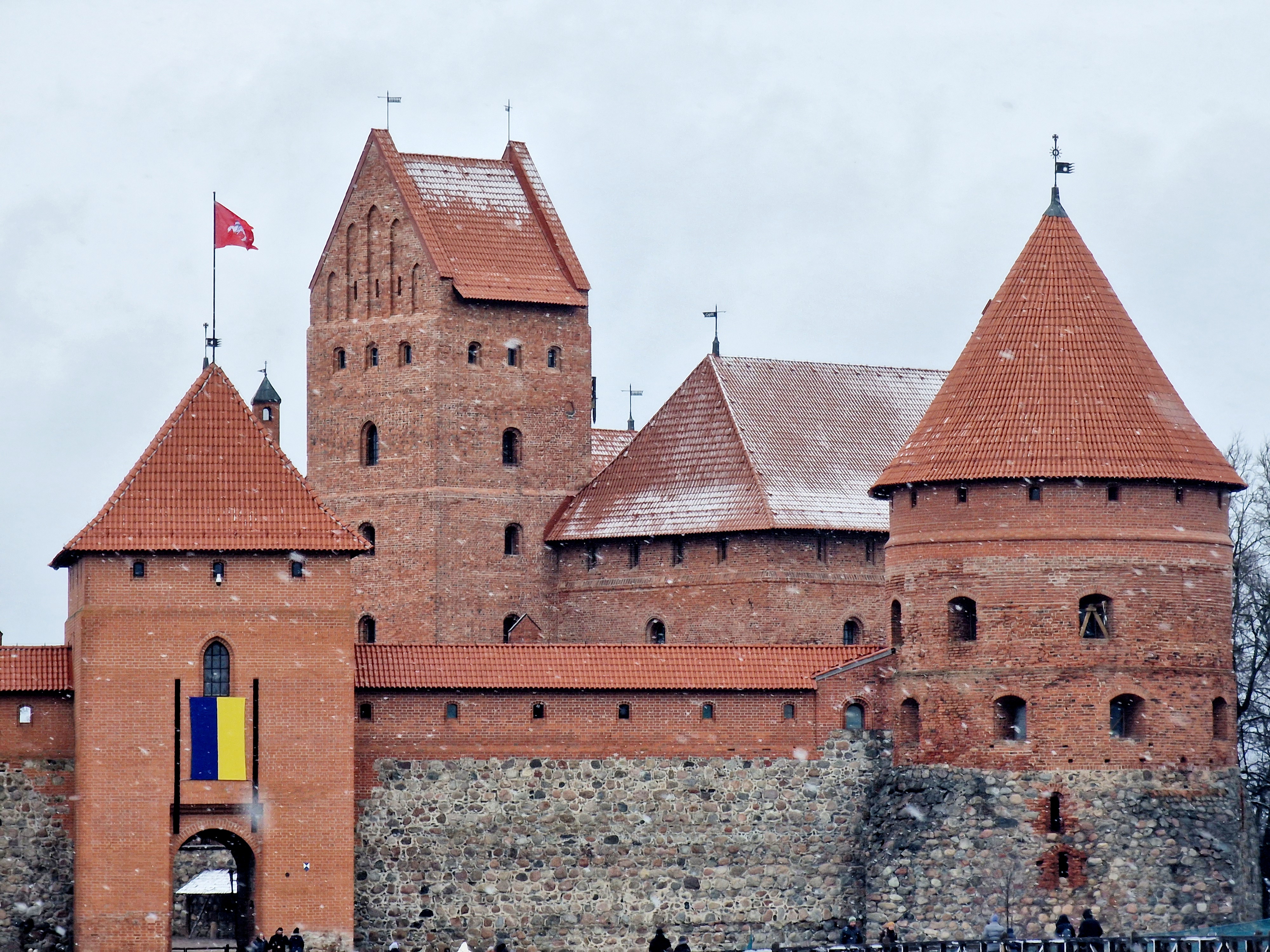
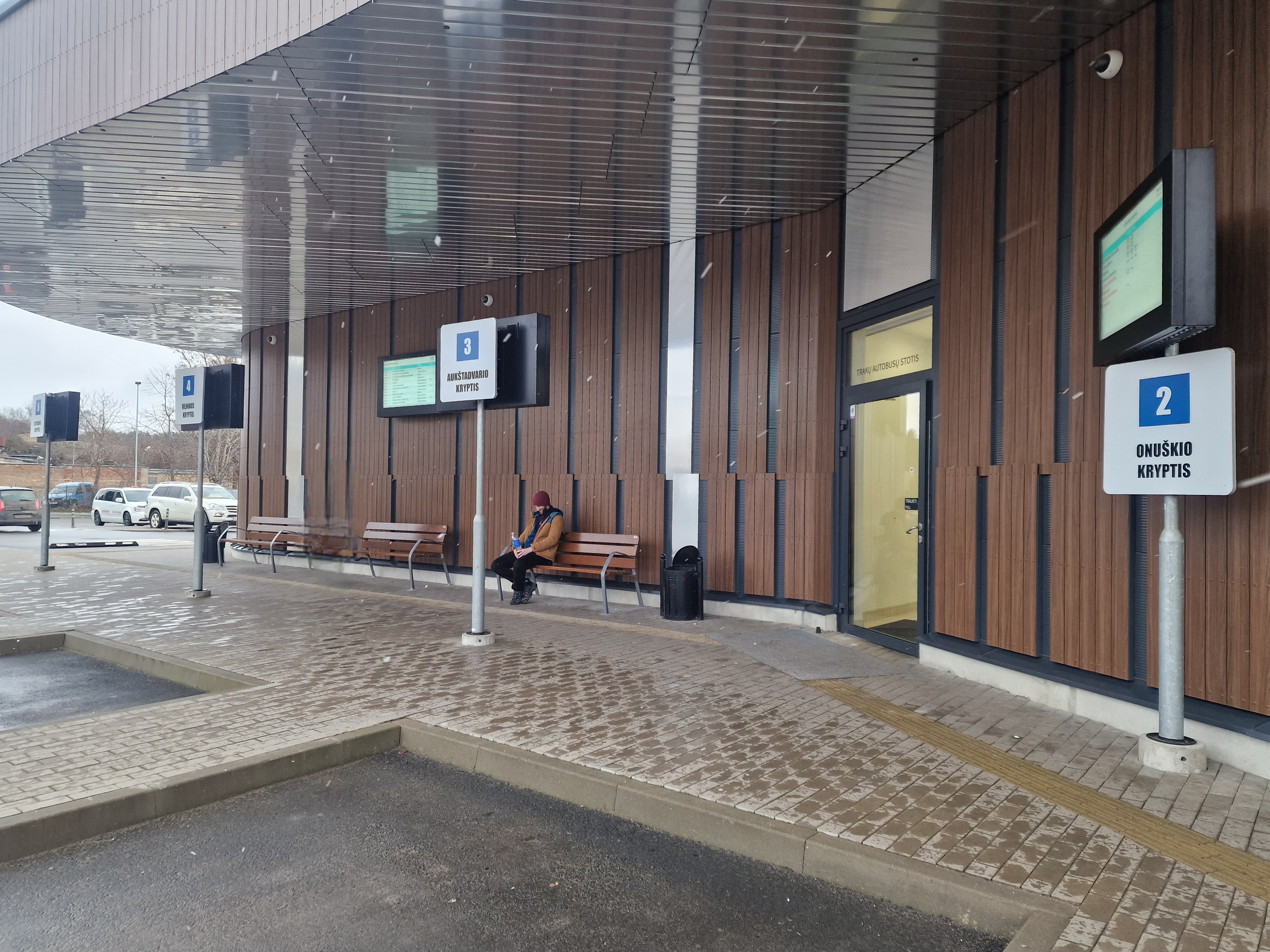
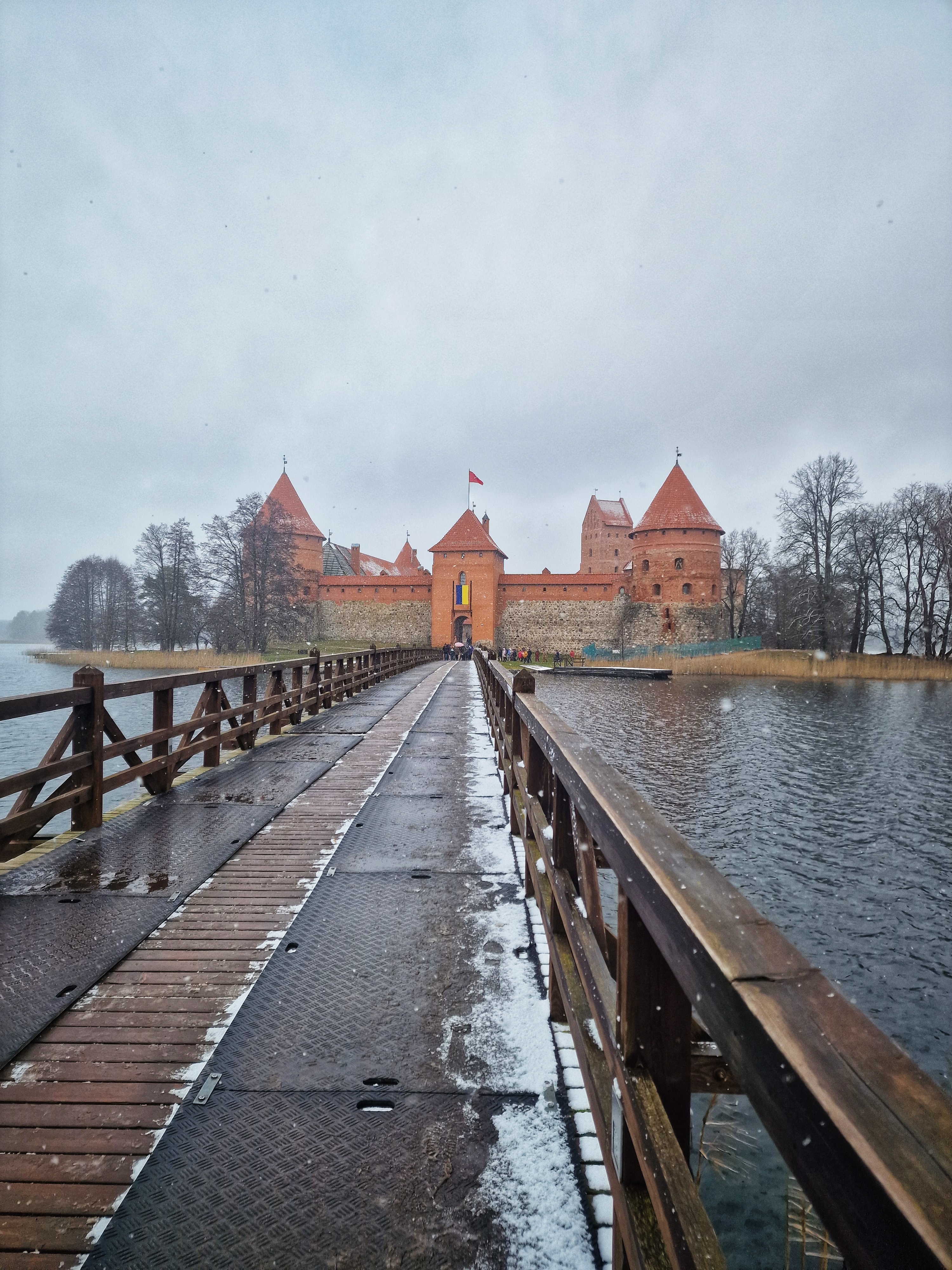
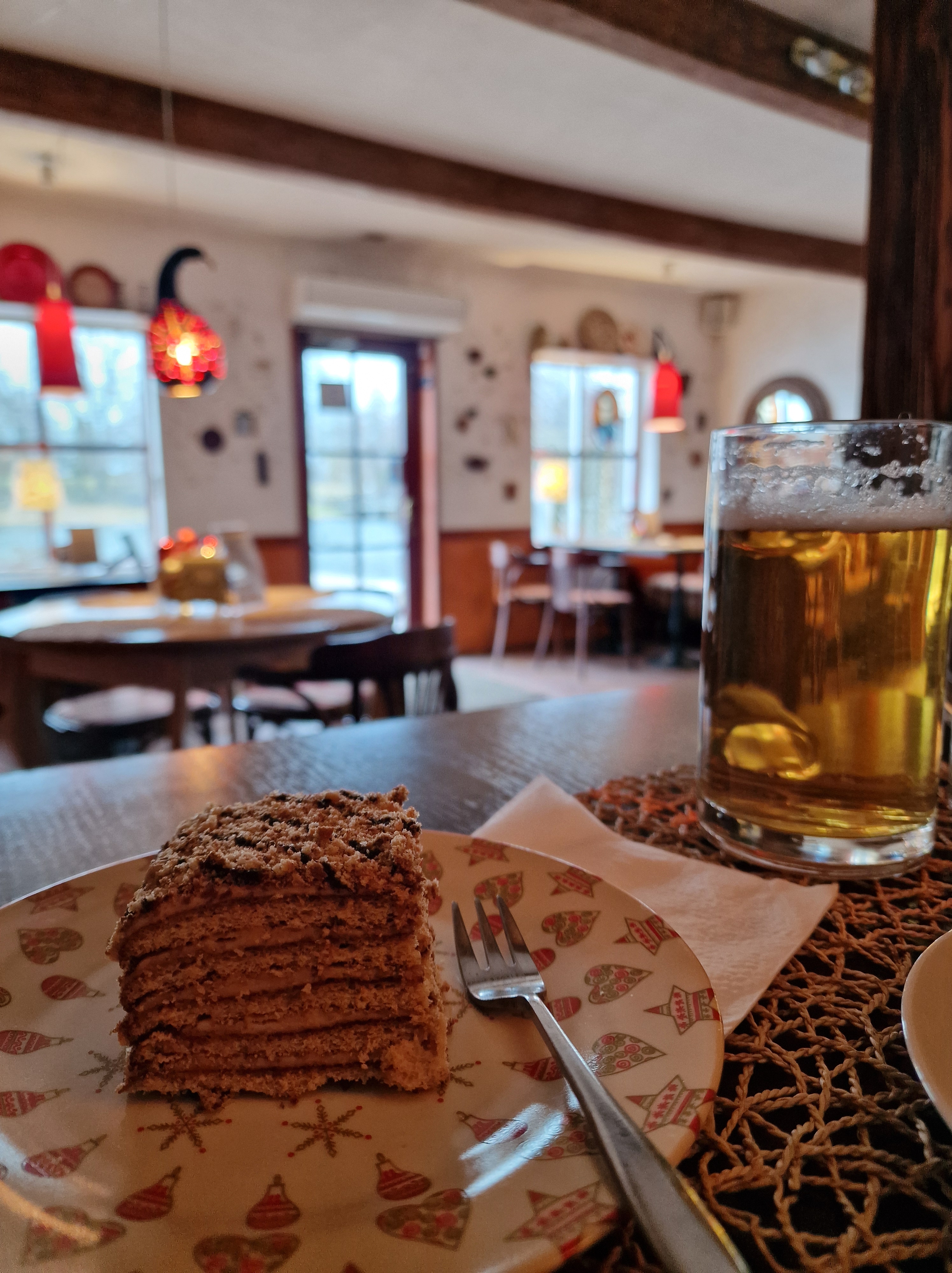
As Vilnius itself is quite small, for the first day we decided to take the bus to the well-preserved historical village of Trakai. The half hour bus, followed by a half hour walk past some bright coloured houses, makes it the perfect half day trip to the former capital of Lithuania. The main attractions is the island castle, and the cold, crisp, February Sunday also meant there was hardly any tourists about. As the snow began to fall, we crossed the wooden bridge to the castle standing proudly against the backdrop of winter. Whilst we could have ventured inside, we opted to explore the outside castle grounds instead. We could only imagine how the lake would transform into a watersport hotspot in the summer, but on this chilly day, it was a tranquil haven for a few local ducks. As the temperature continued to drop, we popped into a cafe for some hot wine, a beer, and of course, sample their homemade specialities of kibinai and honey cake. We headed back to the bus stop, but unfortunately didn’t realise the bus we had planned was weekday only.. Leaving us time to mooch around the local supermarket whilst we waited for the next one.

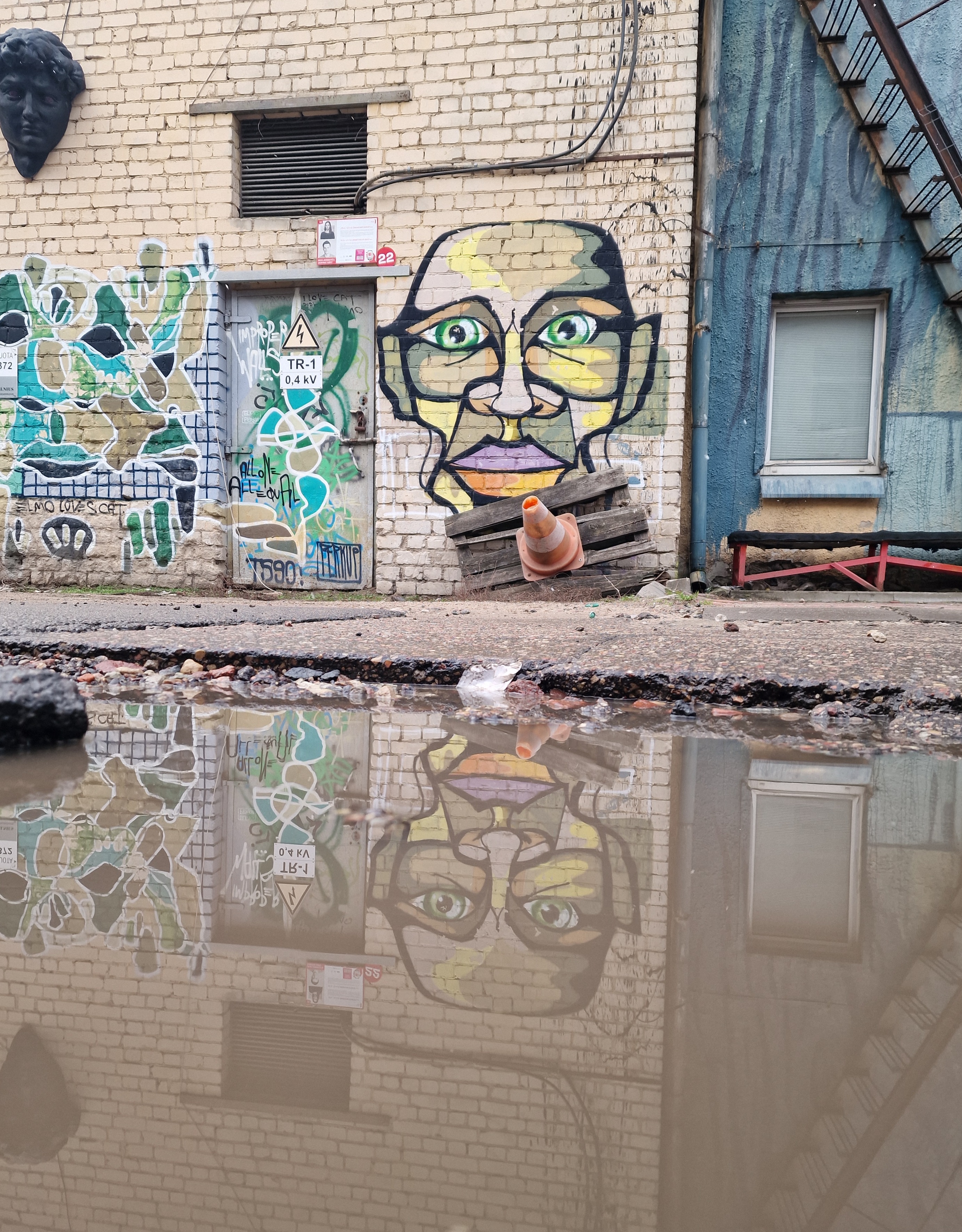
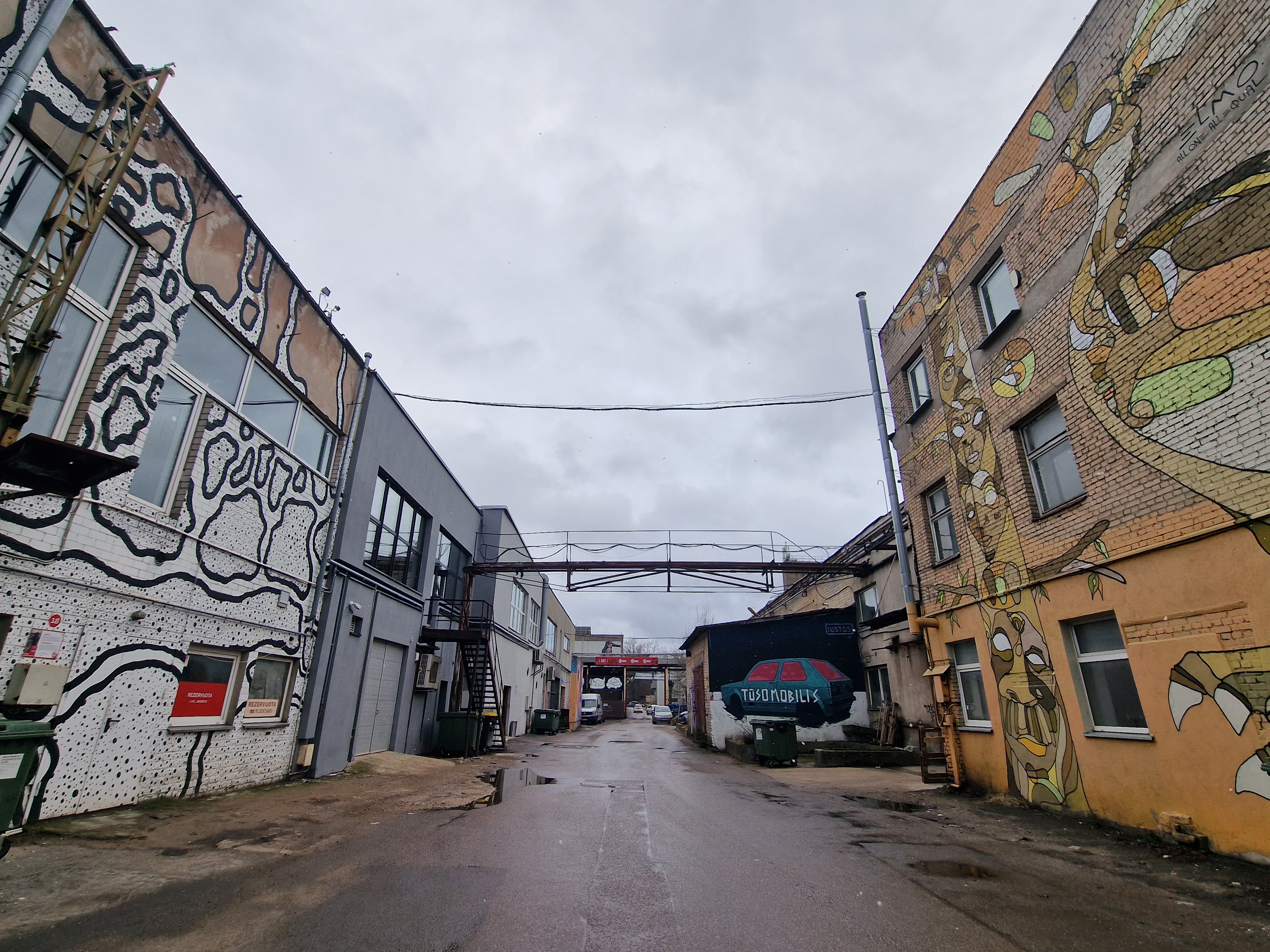
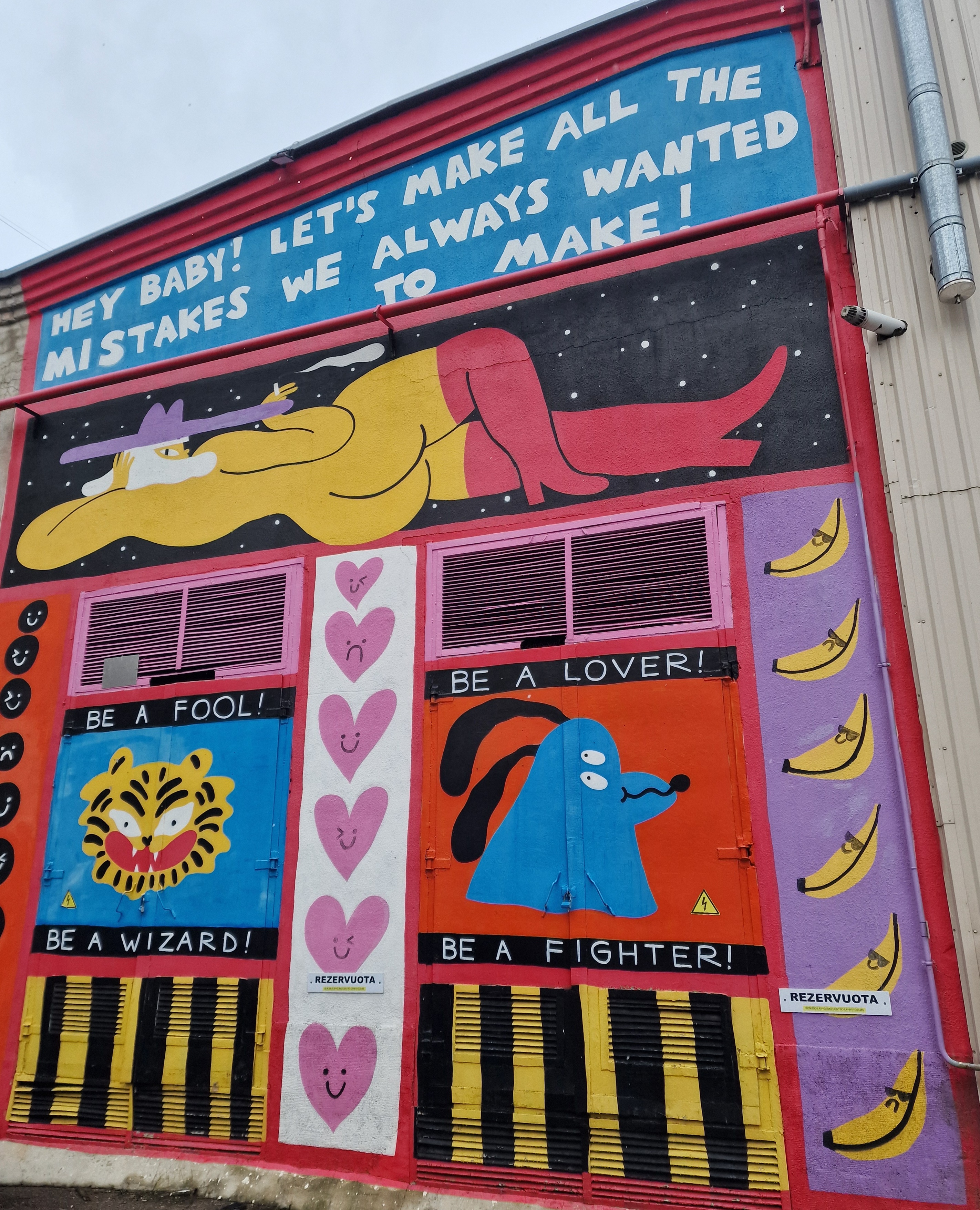
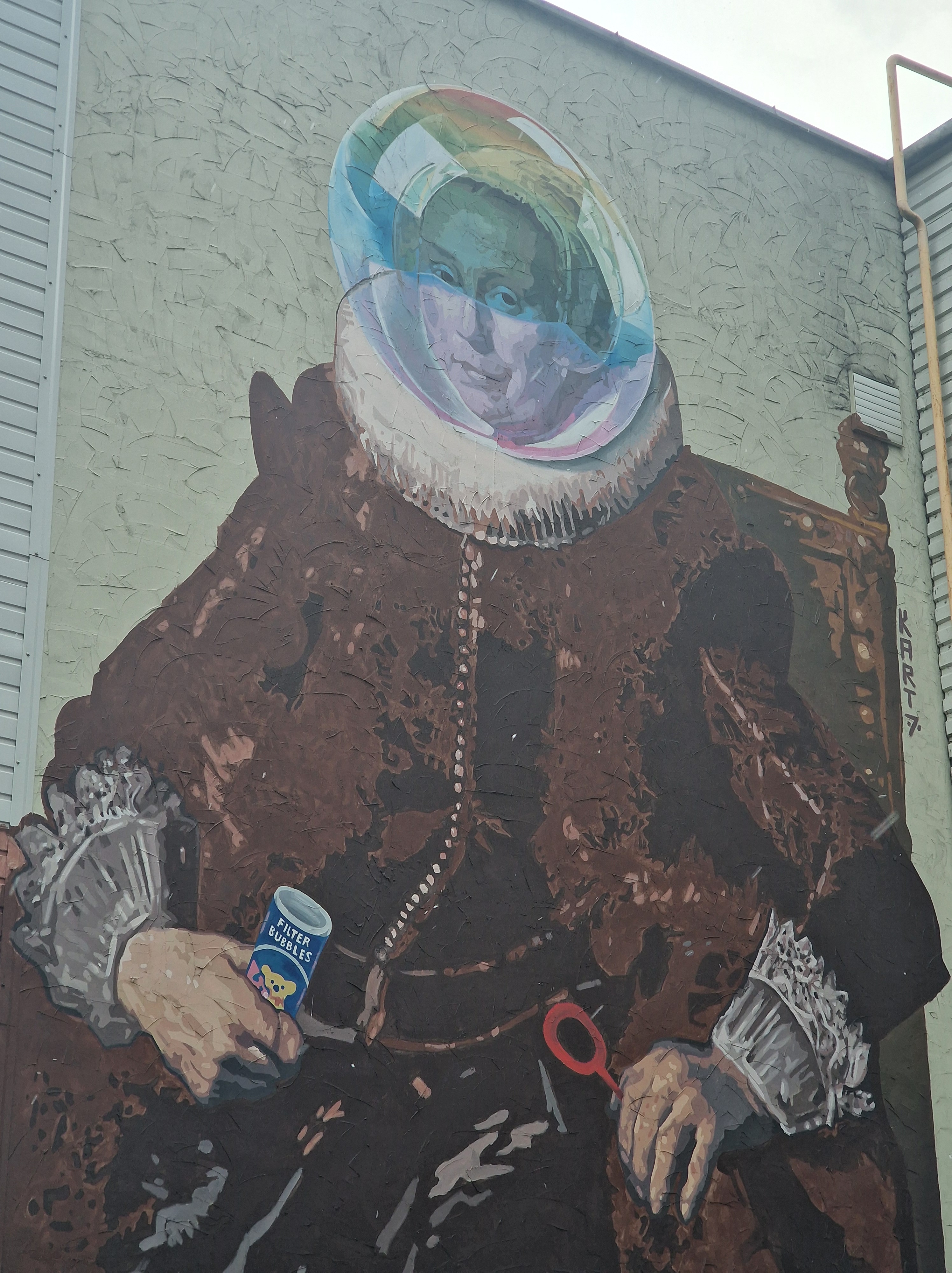
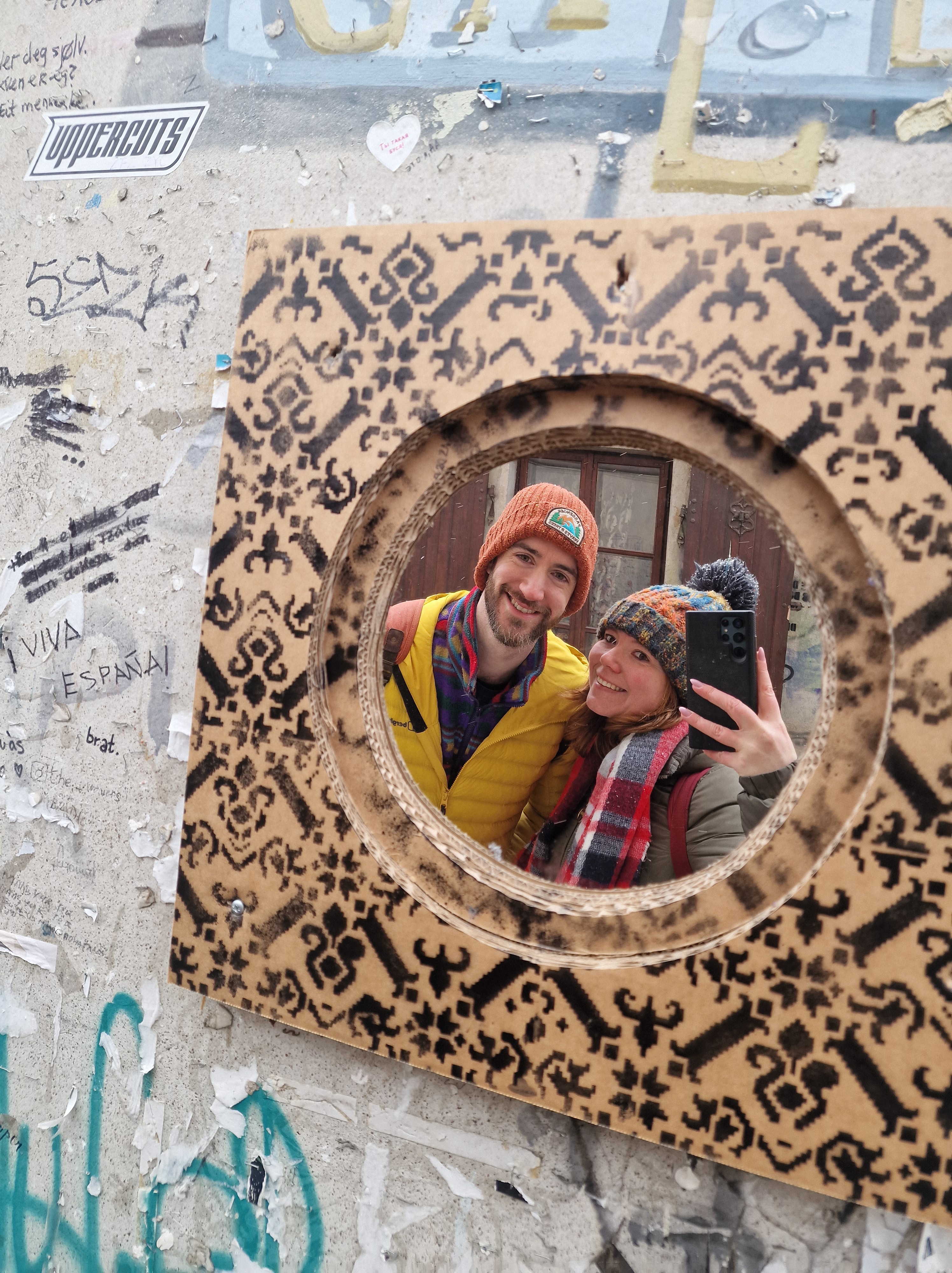
We always have a keen eye for weird and wonderful street art in the different places we visit, and just a short walk from the bus station is the Open Gallery. Open all year round, it has more than 50 pieces of art, and being located by a steel factory gives it that edgy and atmospheric vibe. 

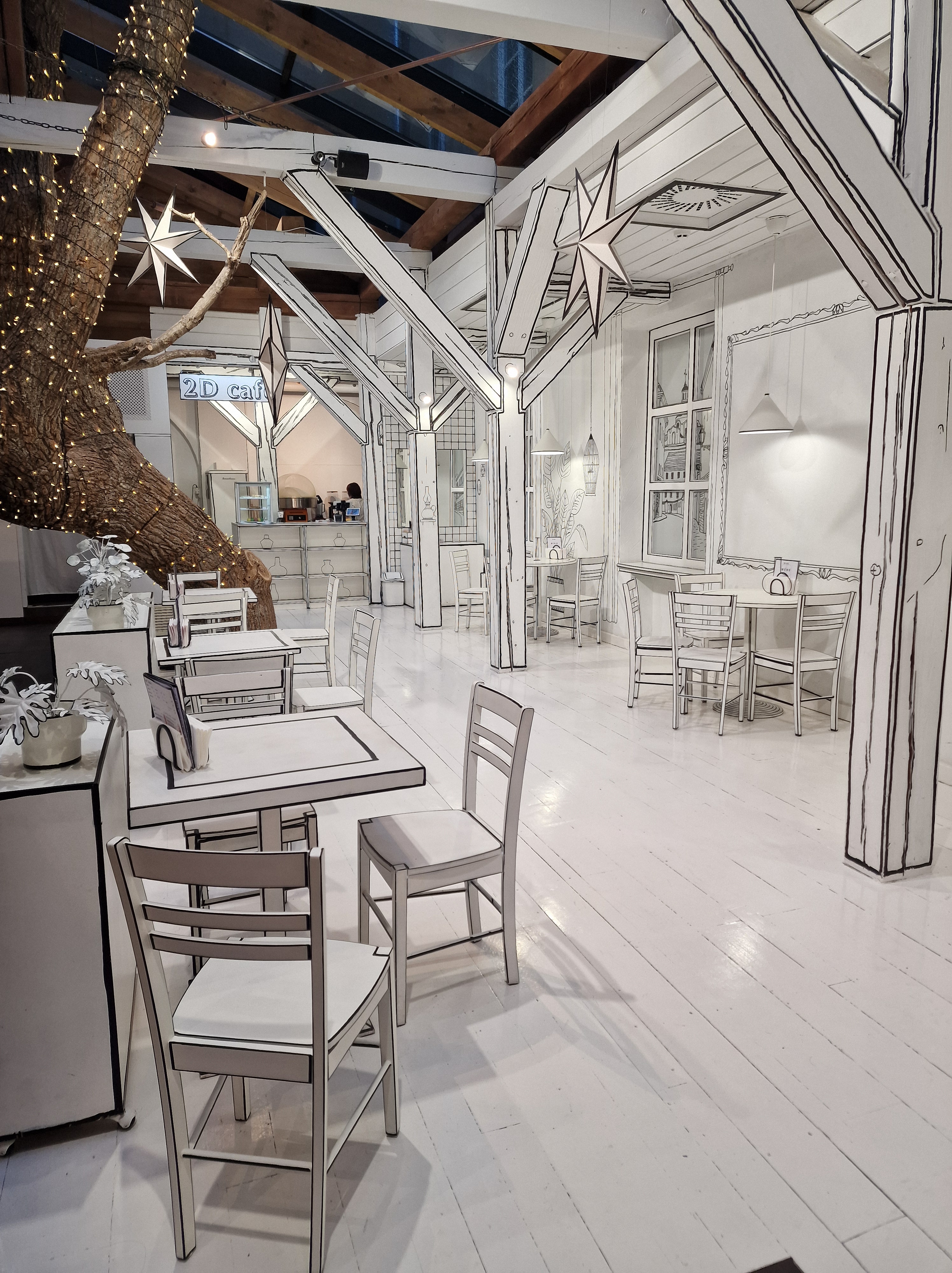
On our way back to the hotel, we decided to pop into the 2D cafe, located in the Museum of Illusion. Usually these sort of places are all about the Insta or Tiktok, but the coffee and cake was actually very nice! 

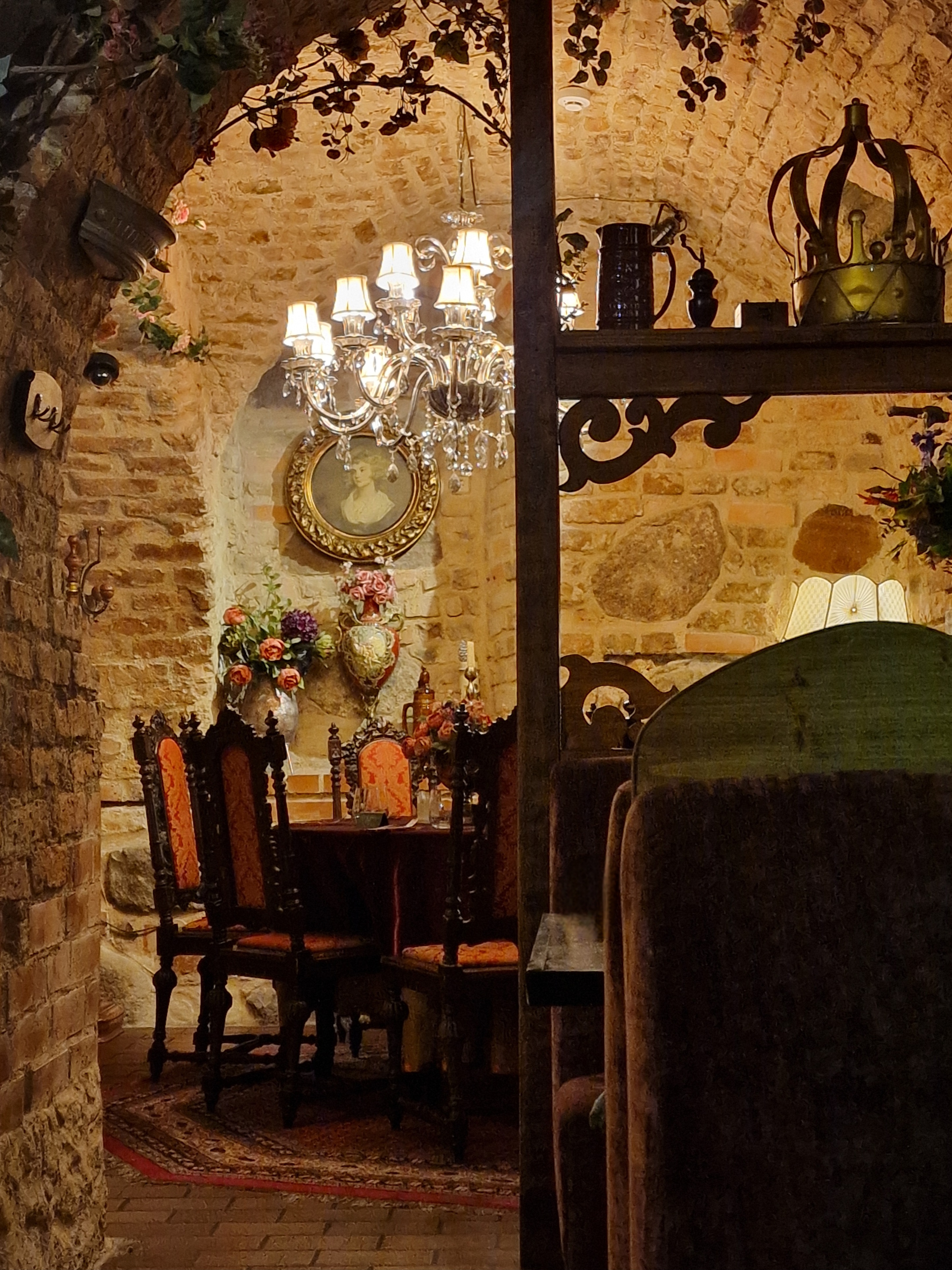
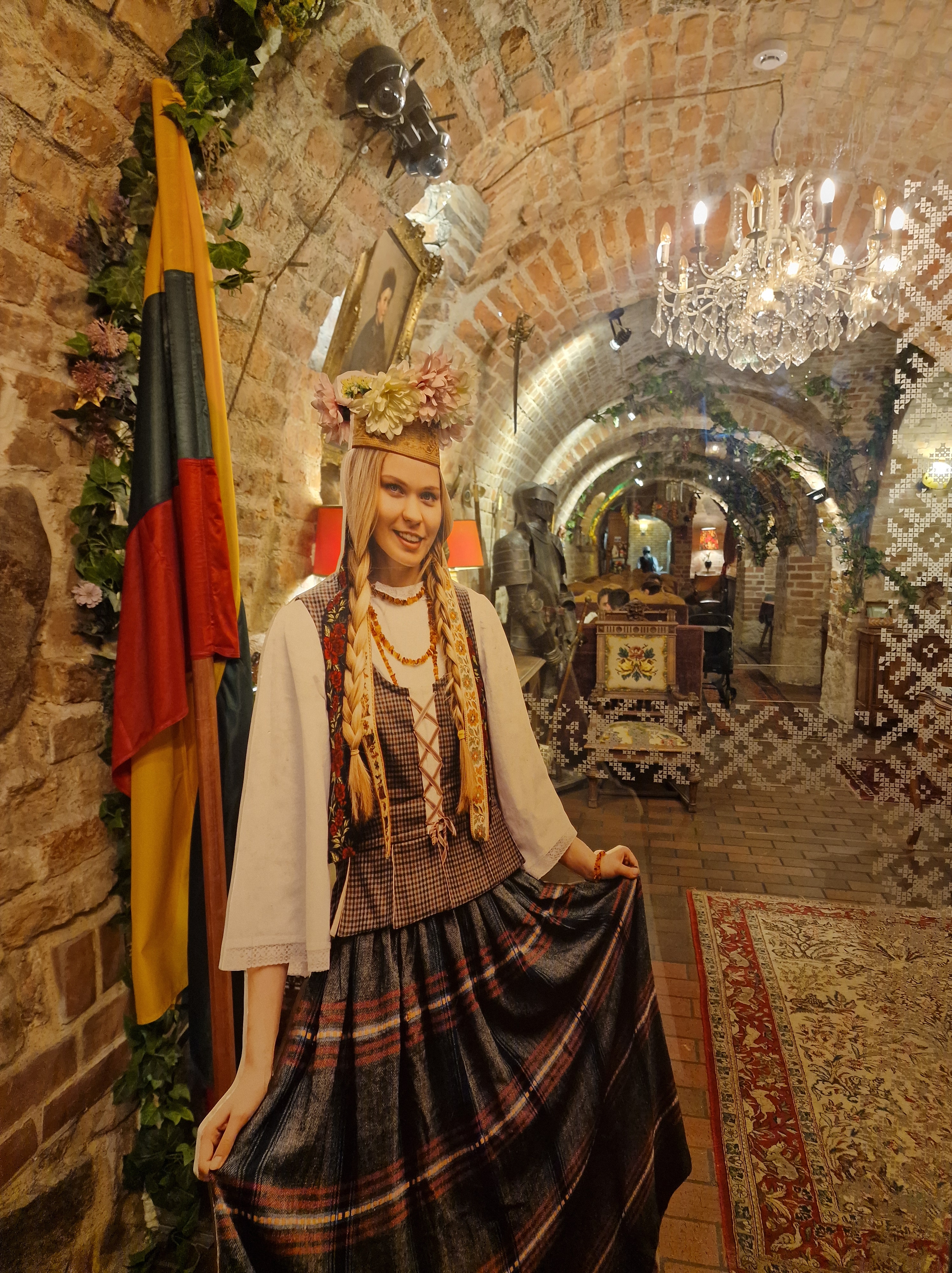
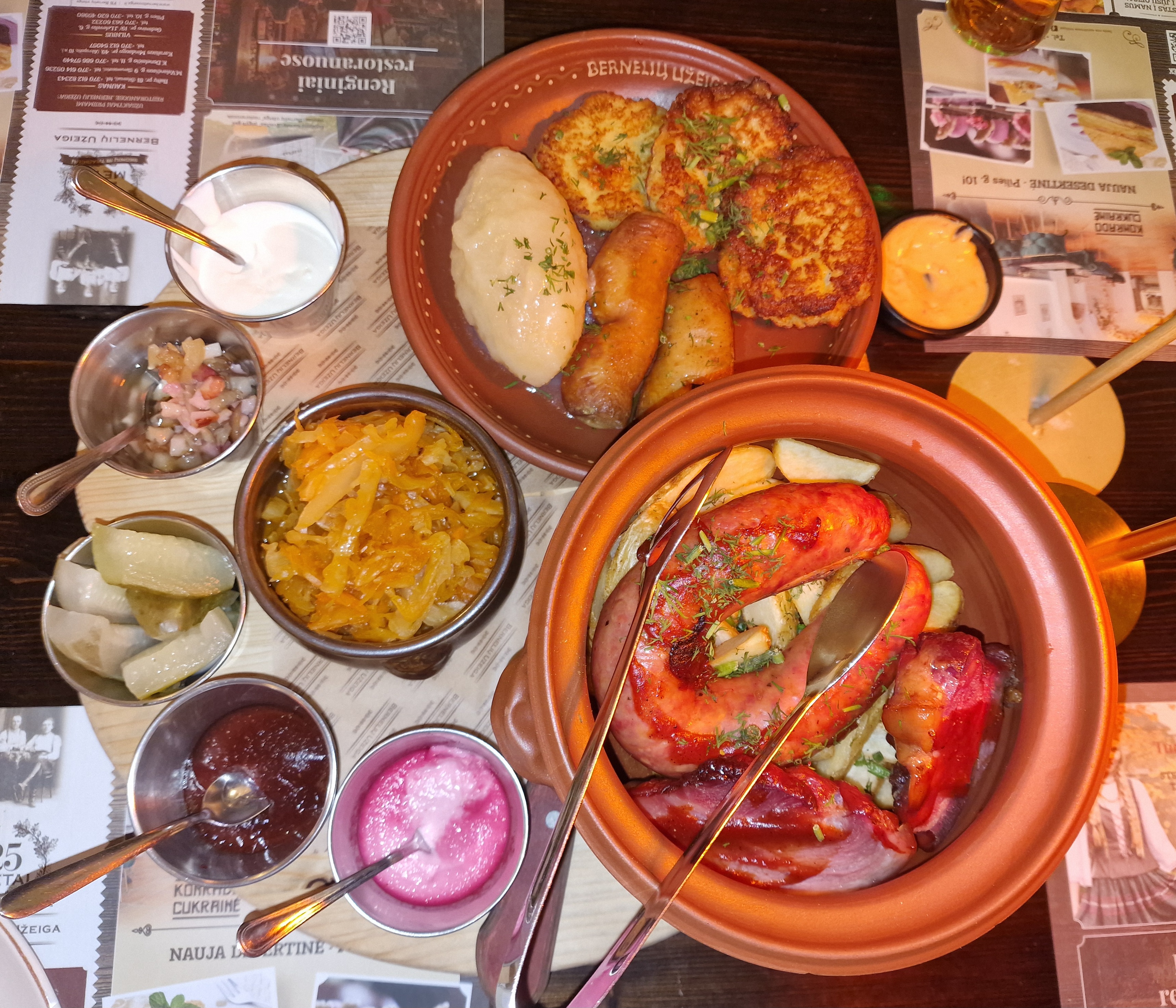
We love trying traditional food when we travel, so we were buzzing to find a restaurant that offered a sharing plate full of local dishes! The Farmers Feast was a treat, featuring potato dumplings, crispy potato pancakes, potato wedges (can you see the theme 😂), along with succulent sausages, smoked pork, and stewed cabbage. All of that for just €25! It was mostly a fantastic meal, though we did find the potato-stuffed baked sausage a bit of a letdown—it just didn’t do it for us. 

To finish off the evening, we had some drinks in a cute little bar whilst watching the following scene unfold: Hamilton and his 65-year-old dad trying their best to charm a couple of young Lithuanian women. The dad was really going for it with lines like, “I used to be a rock climber, so I’m good with my hands and know how to use rope!” Here’s hoping they managed to escape…

The next morning we woke up to a blanket of the white stuff! So we donned our warm clothes and headed out to explore Vilnius in the snow. But first, a trip to the opticians to get a contact lens pot for Mark. She didn’t speak English, and Mark doesn’t speak Lithuanian. Luckily, they both appreciate a game of Charades, and she soon realised what he was after.

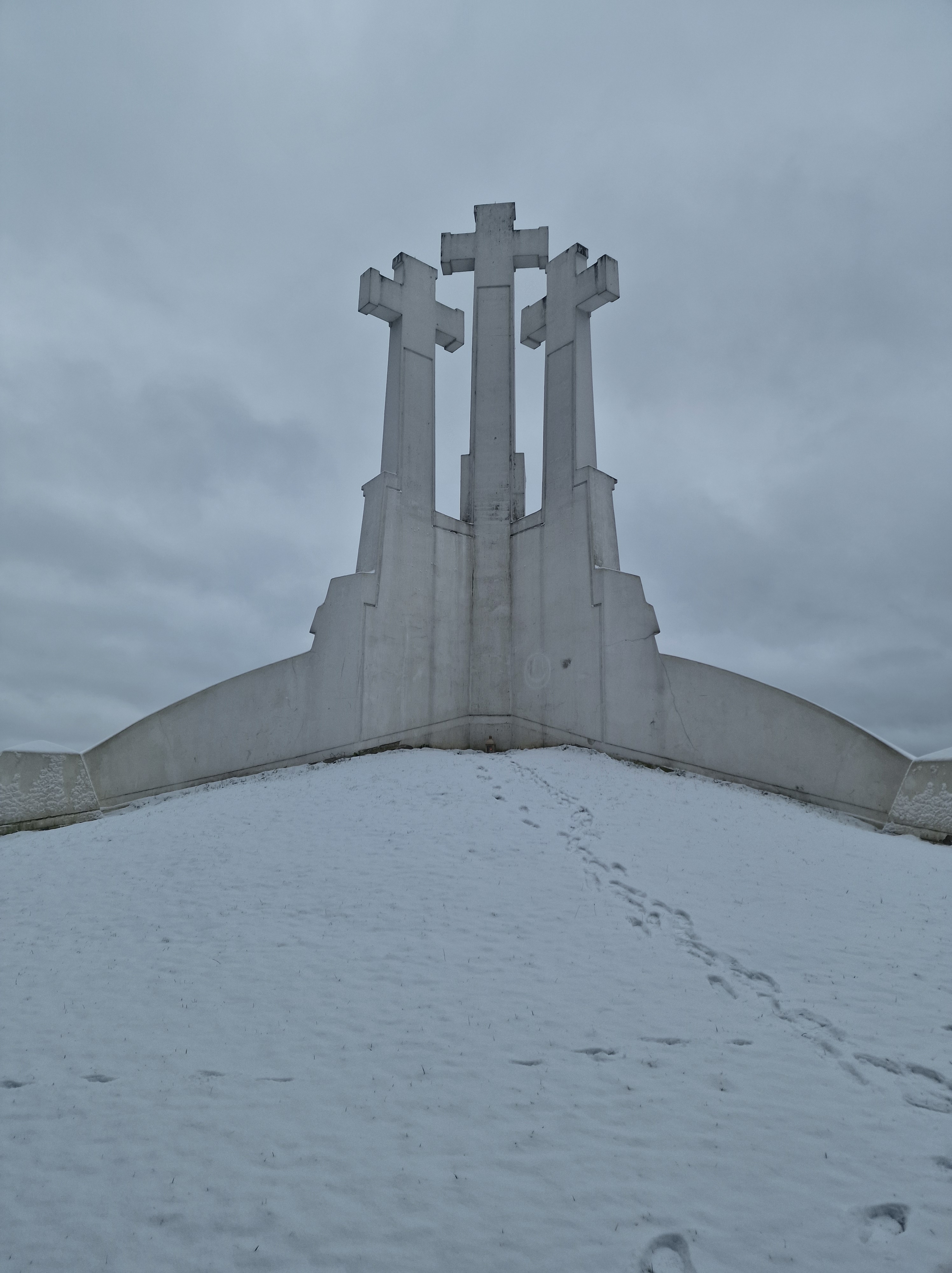
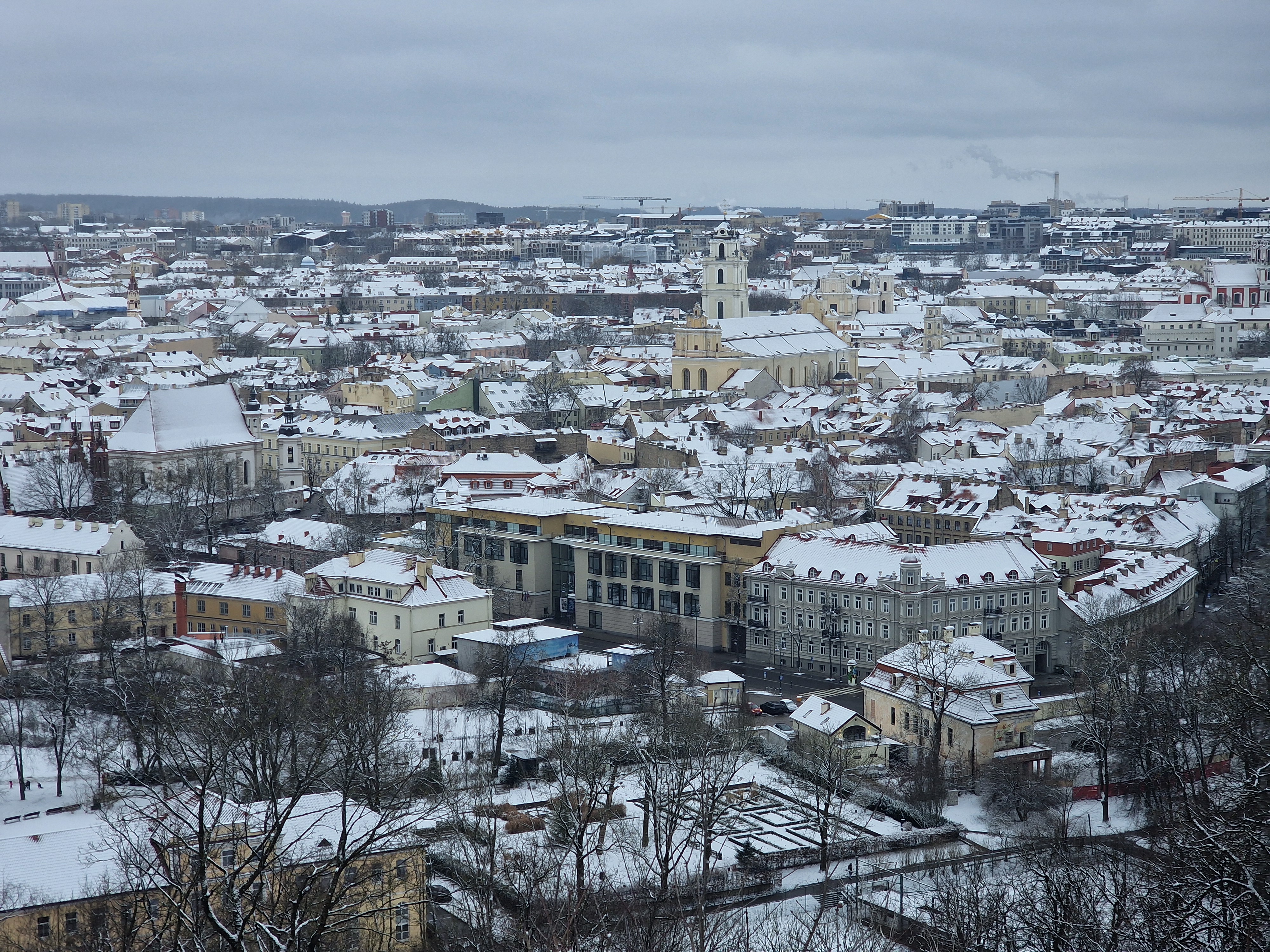
Three Crosses Hill – a prominent monument often illuminated in different colours to commemorate Lithuanian special events. Also great views across the city.

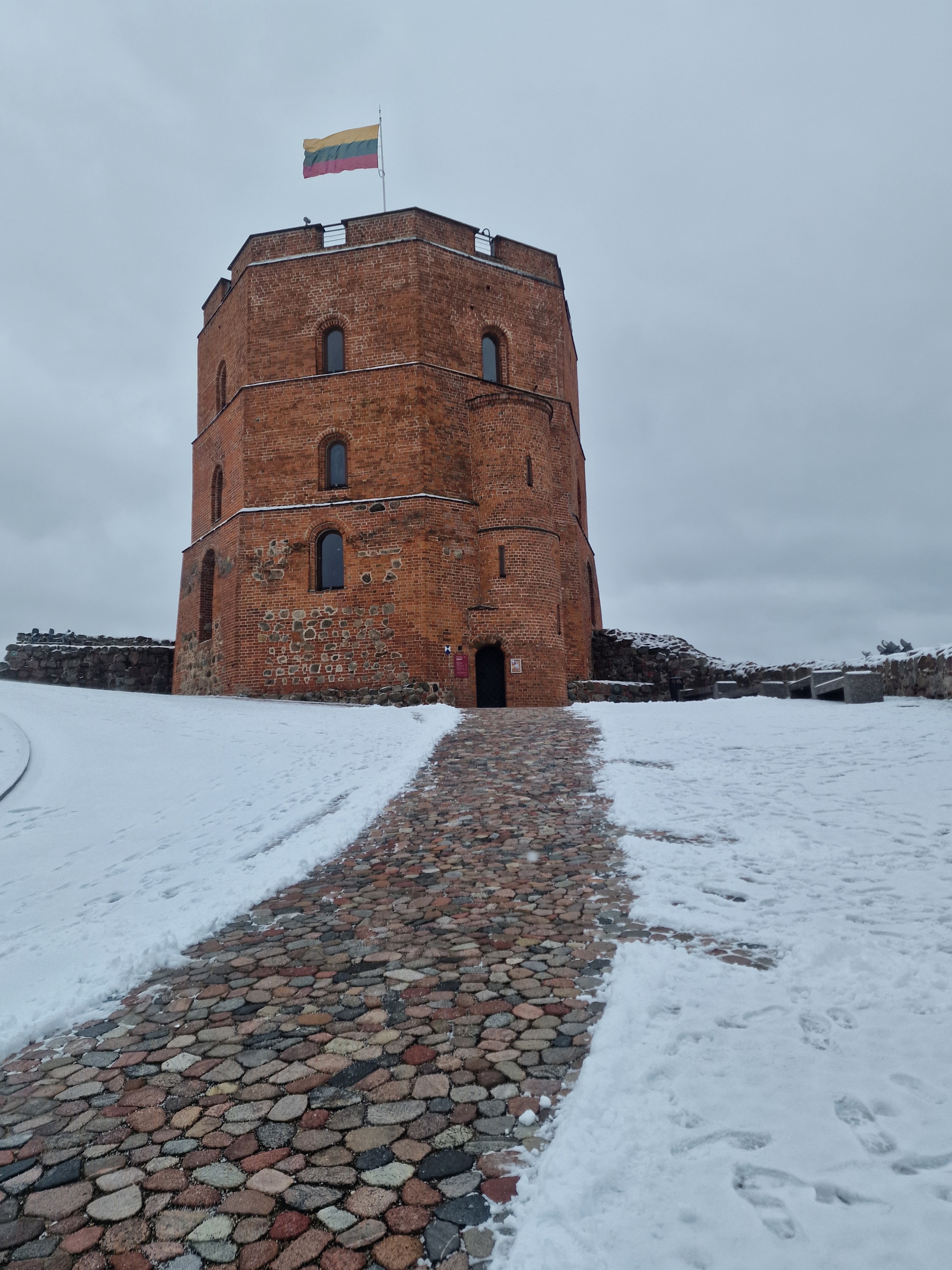
Gediminas’ Hill – one of the highest points in Vilnius old town with views over the Neris River. Didn’t realise there was a funicular to the top.. Fuming 😂

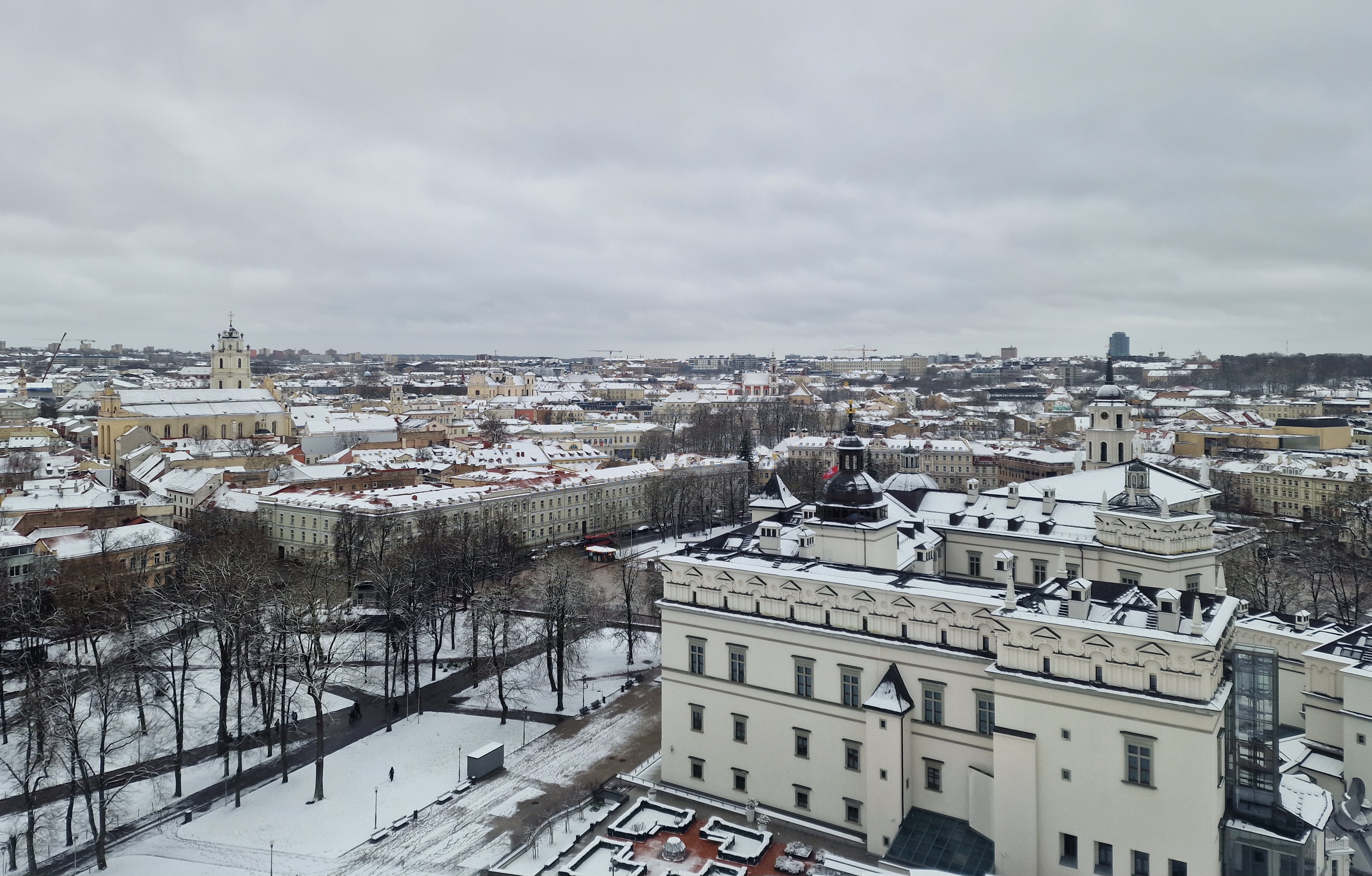
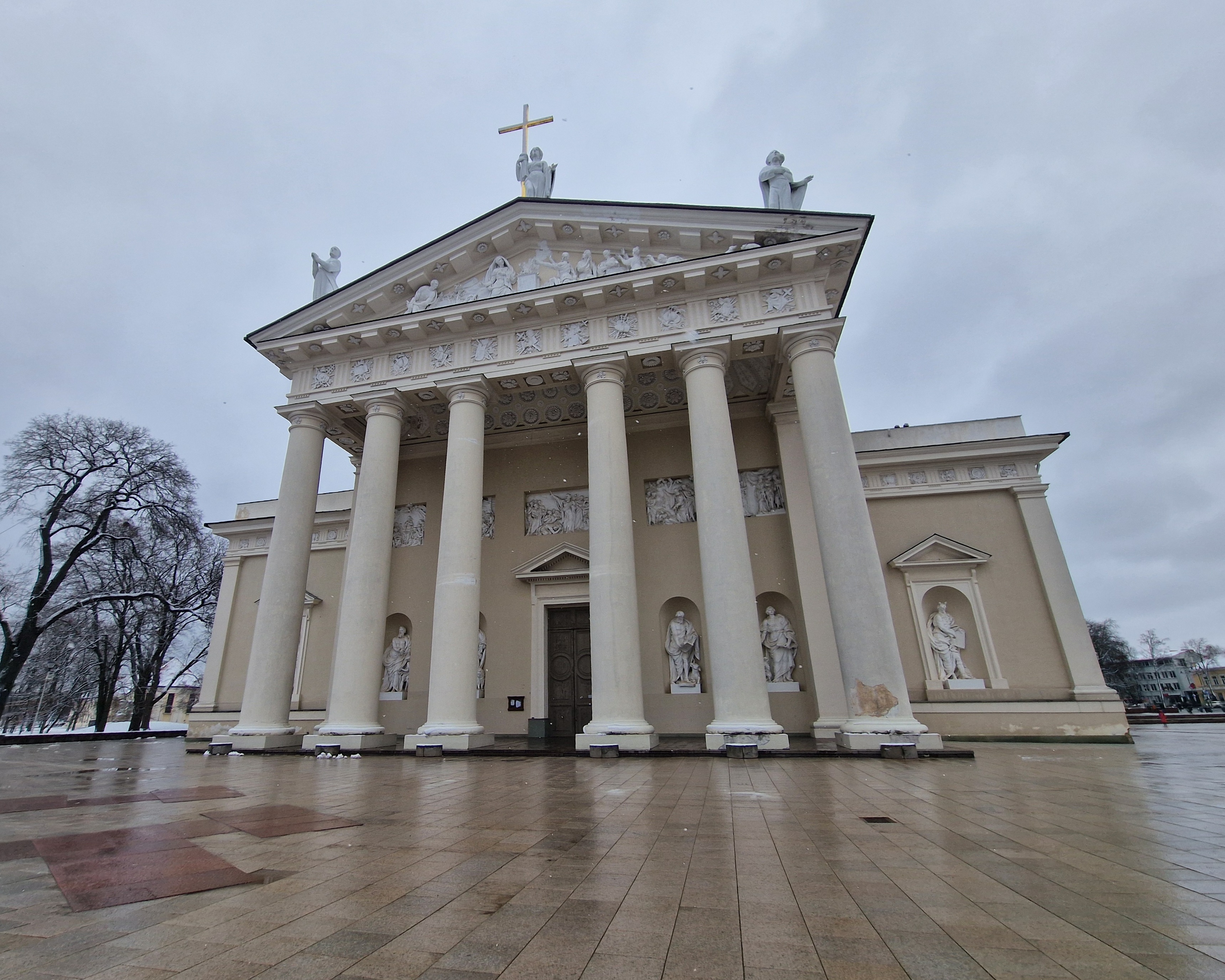
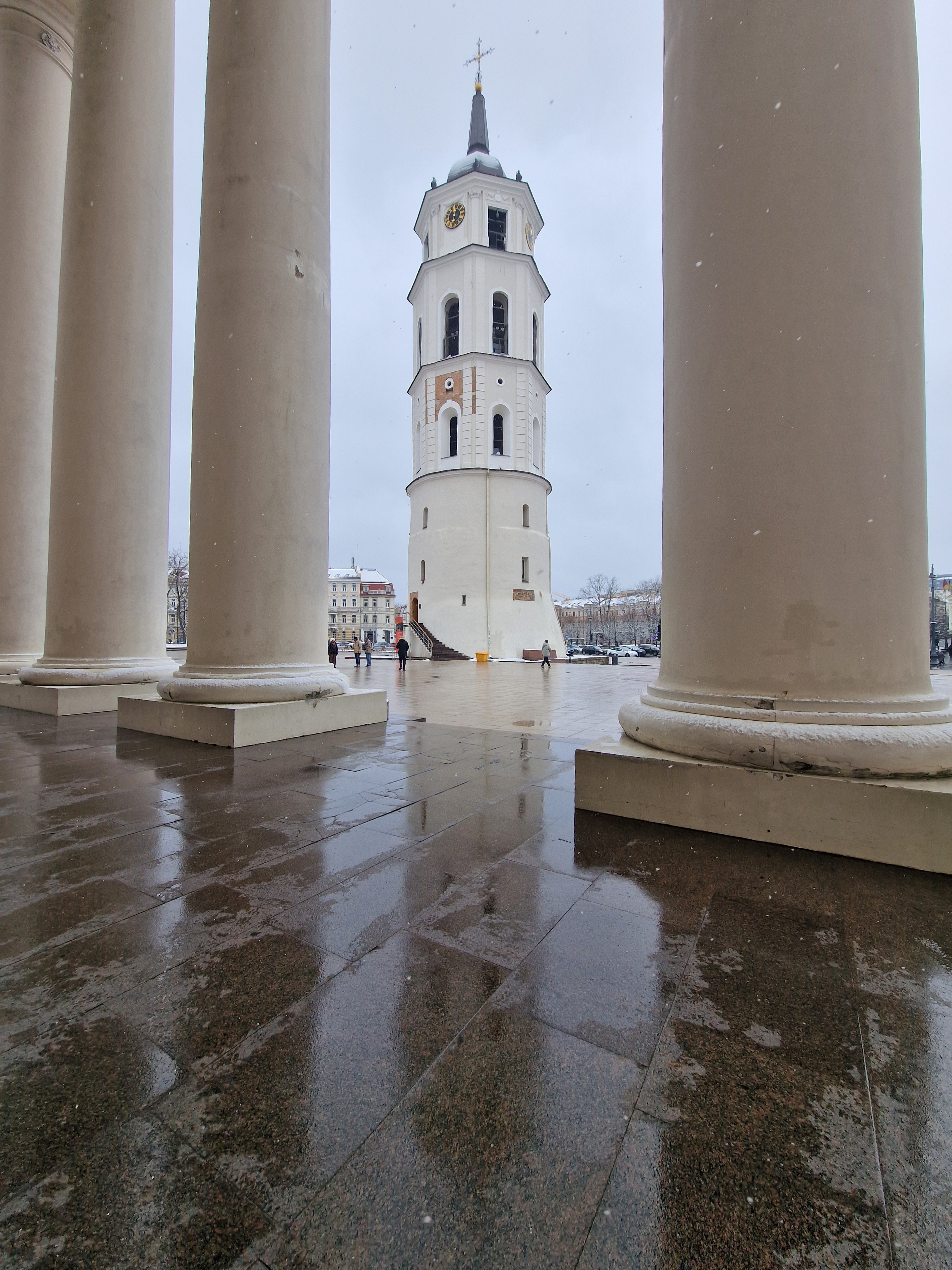
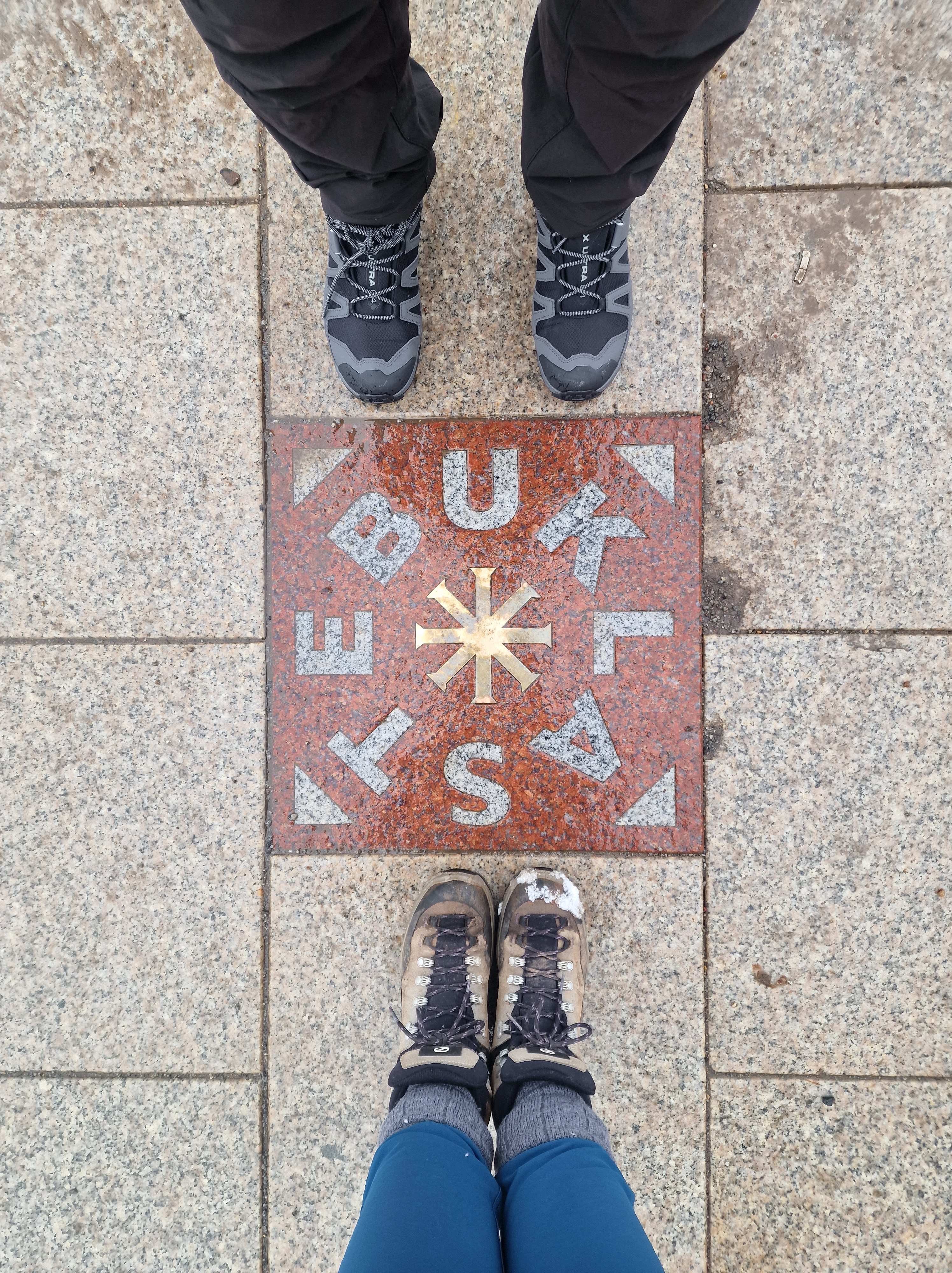
Cathedral square – home to the cathedral and bell tower. The cathedral is neoclassical style, resembling a Greek temple, and the tower is one of the cities oldest brick buildings. There is also the memorial plaque which marks the end of the longest ever human chain – in 1989, approximately two million people joined hands across Lithuania, Latvia and Estonia to make the Baltic Way.

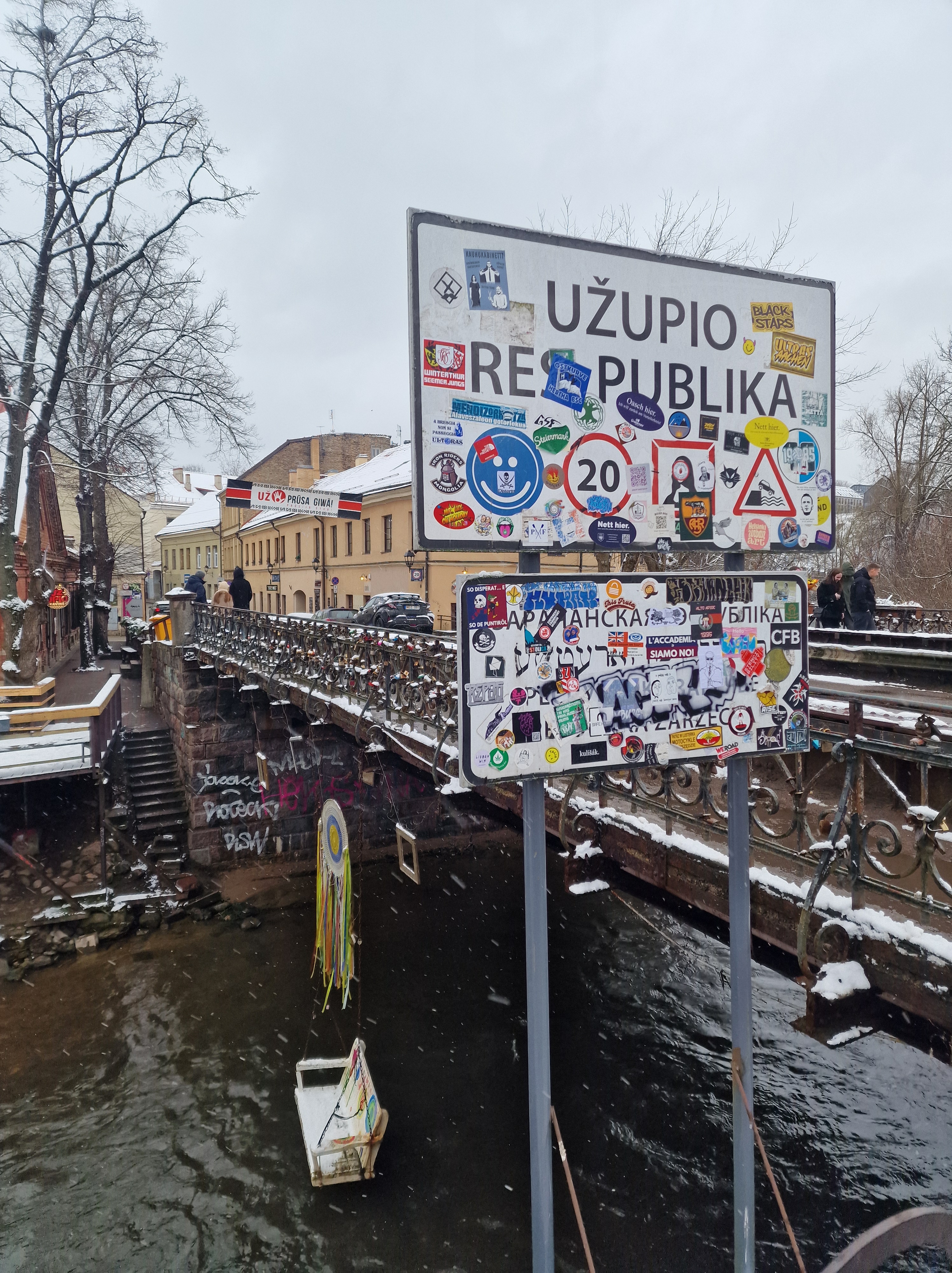
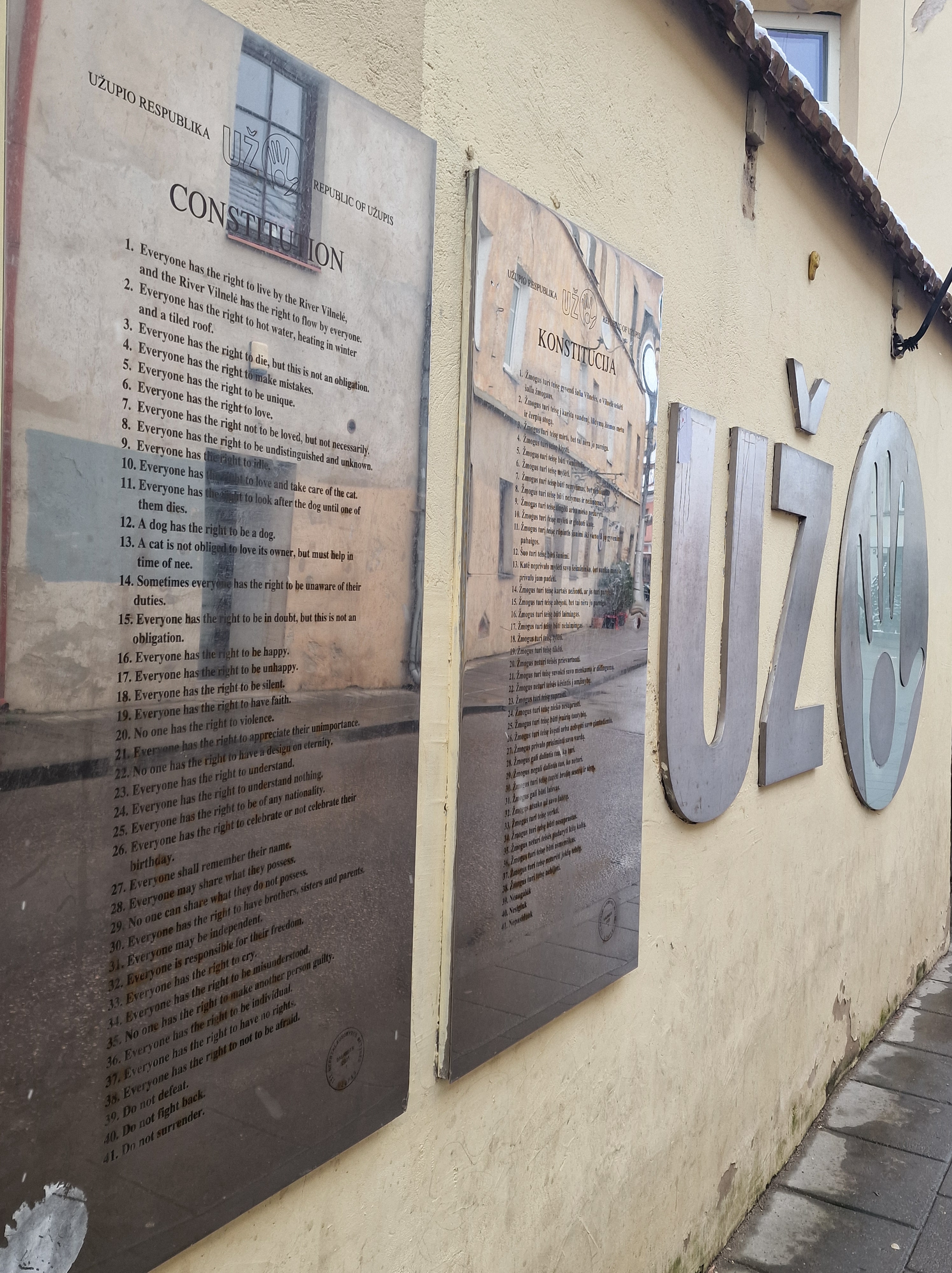
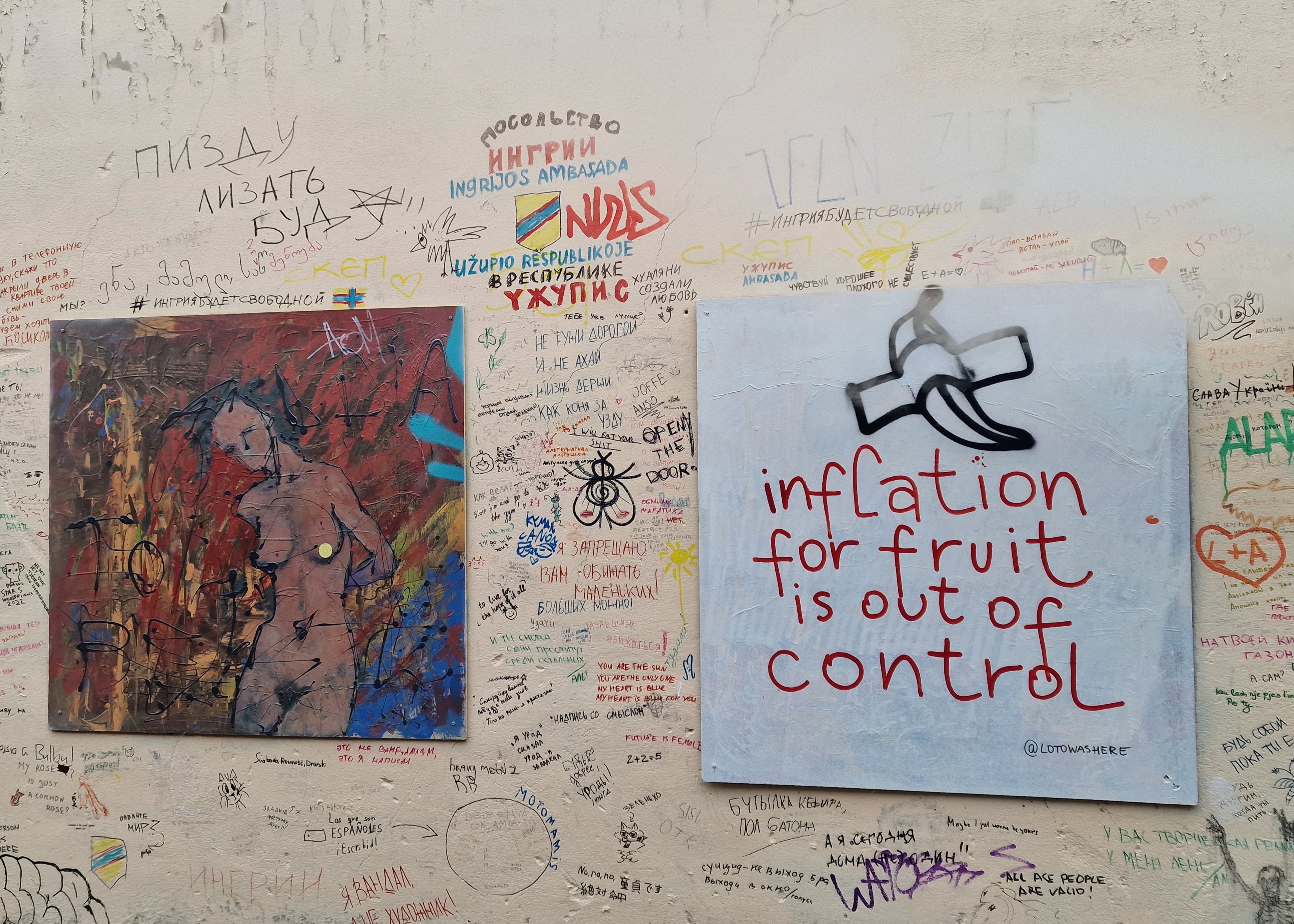
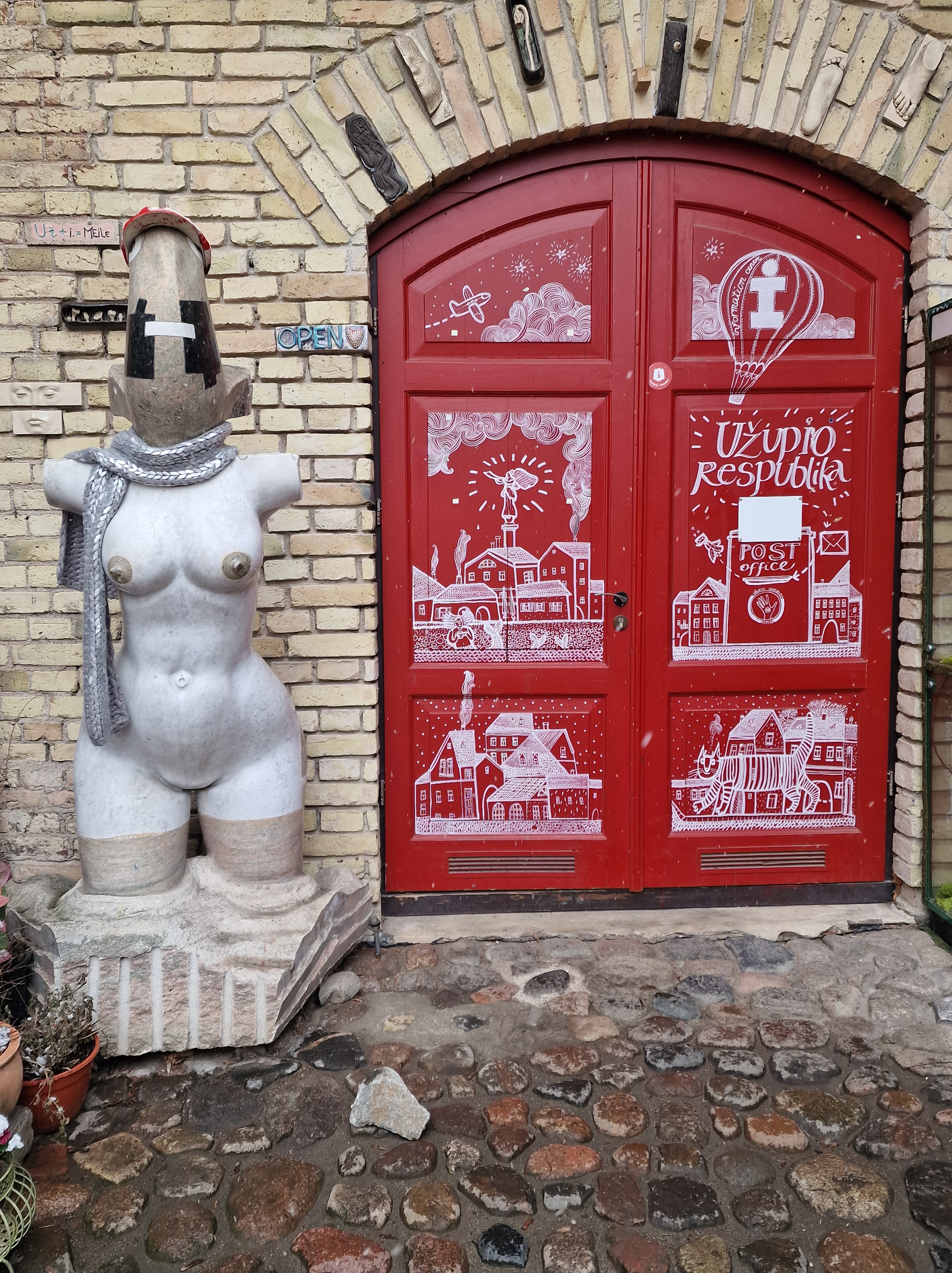
Užupis – the smallest district in Vilnius. On 1st April 1997, Užupis declared independence, and since then, the community celebrates independence day every year on April Fools Day. An independent republic has to have money, power, an anthem and constitution, and above all, a free spirit. You will find all of this in Užupis.

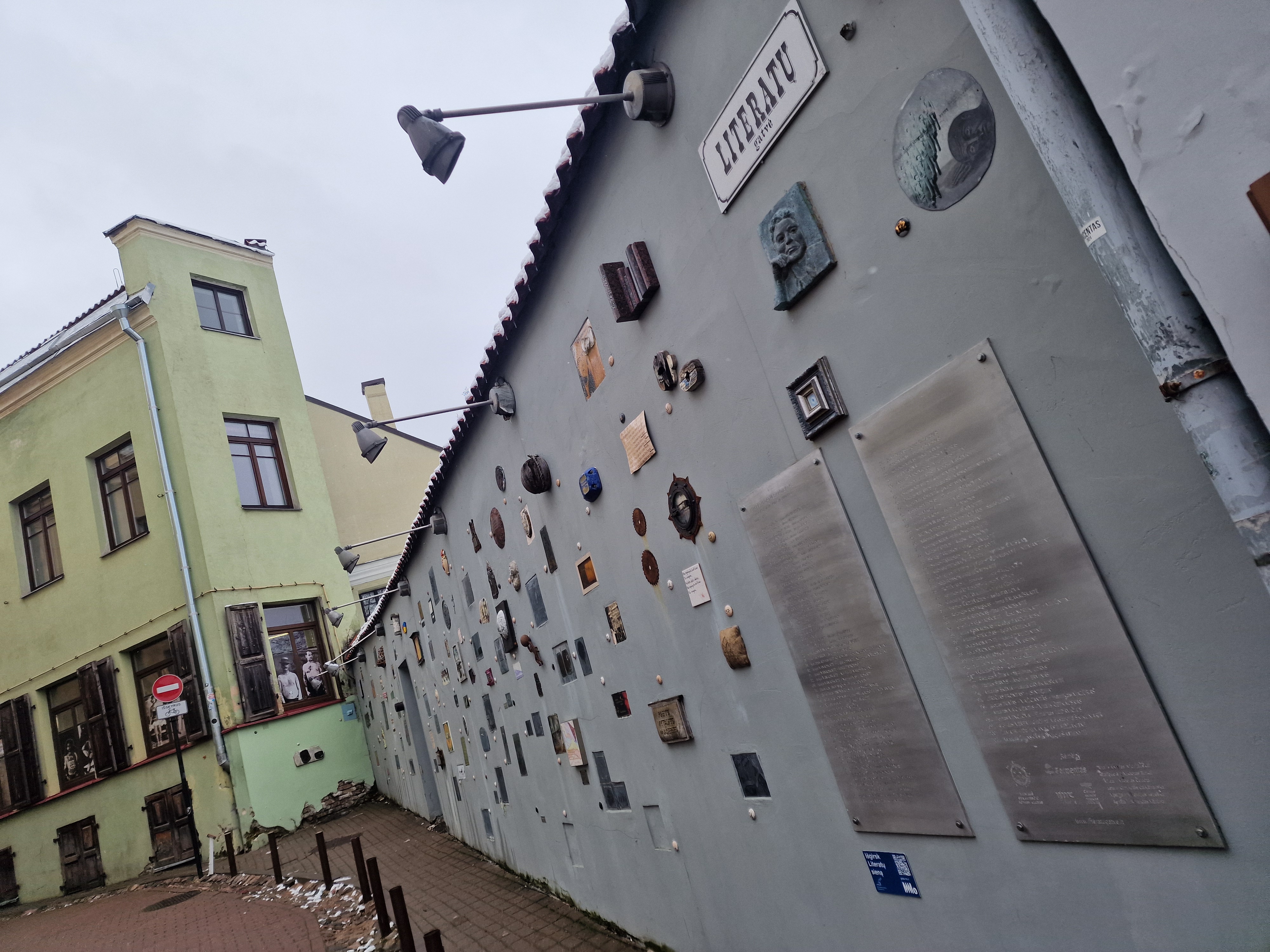
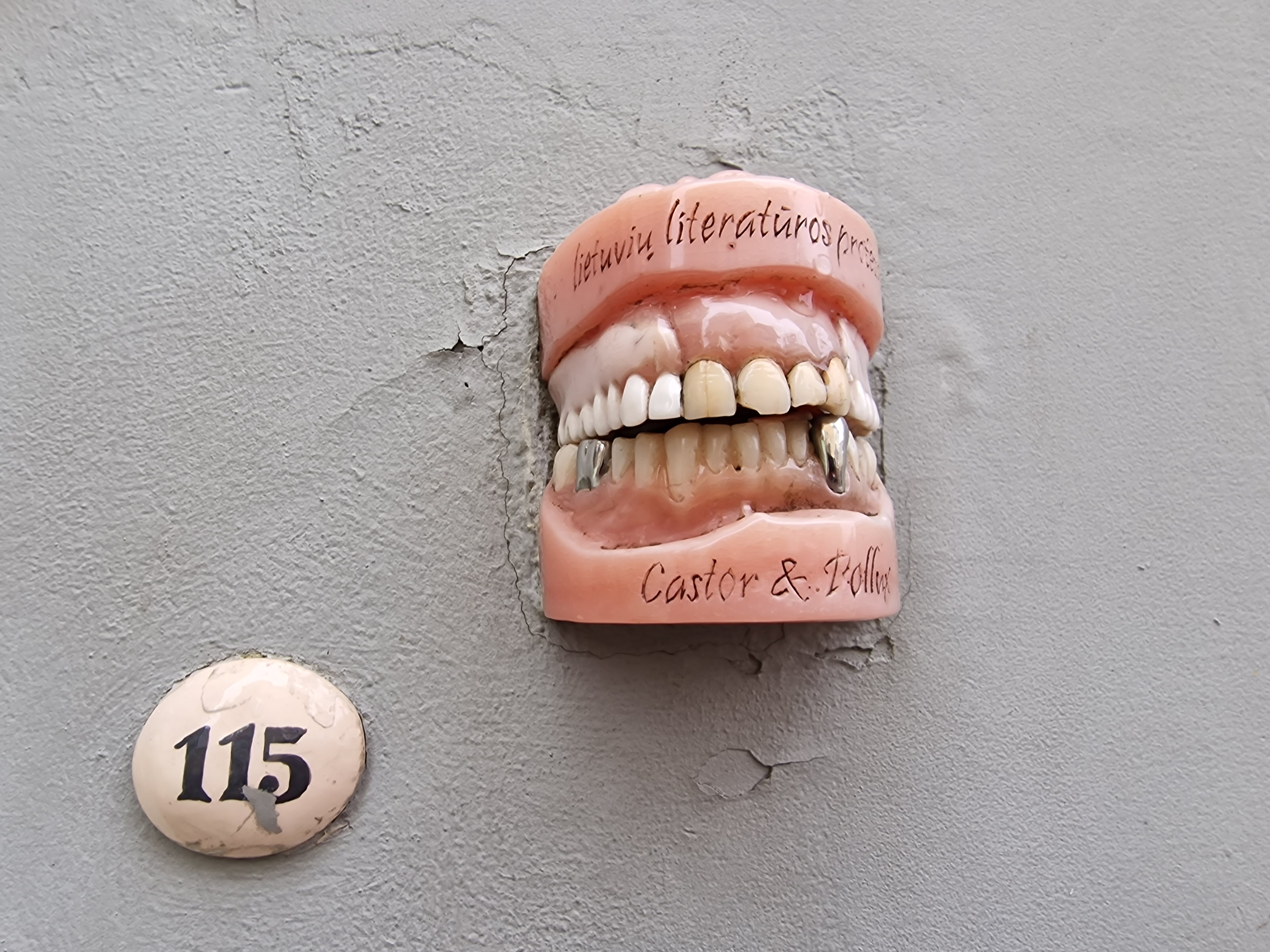
Literatų street – a short, narrow street mostly known for public display of decorative and artistic plaques. These are dedicated to writers who have lived and worked in Vilnius or otherwise have shared a connection with Vilnius and Lithuania.

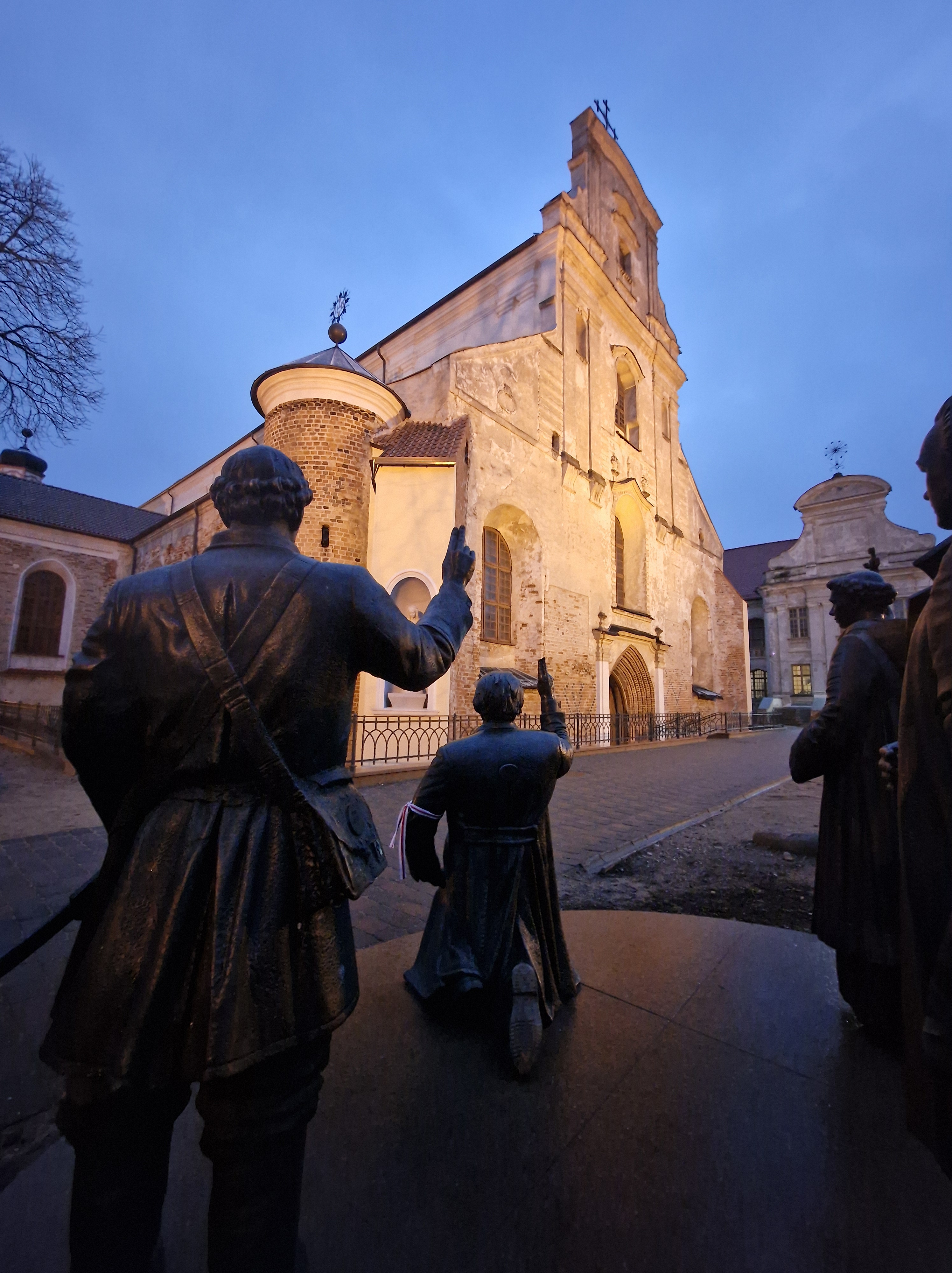
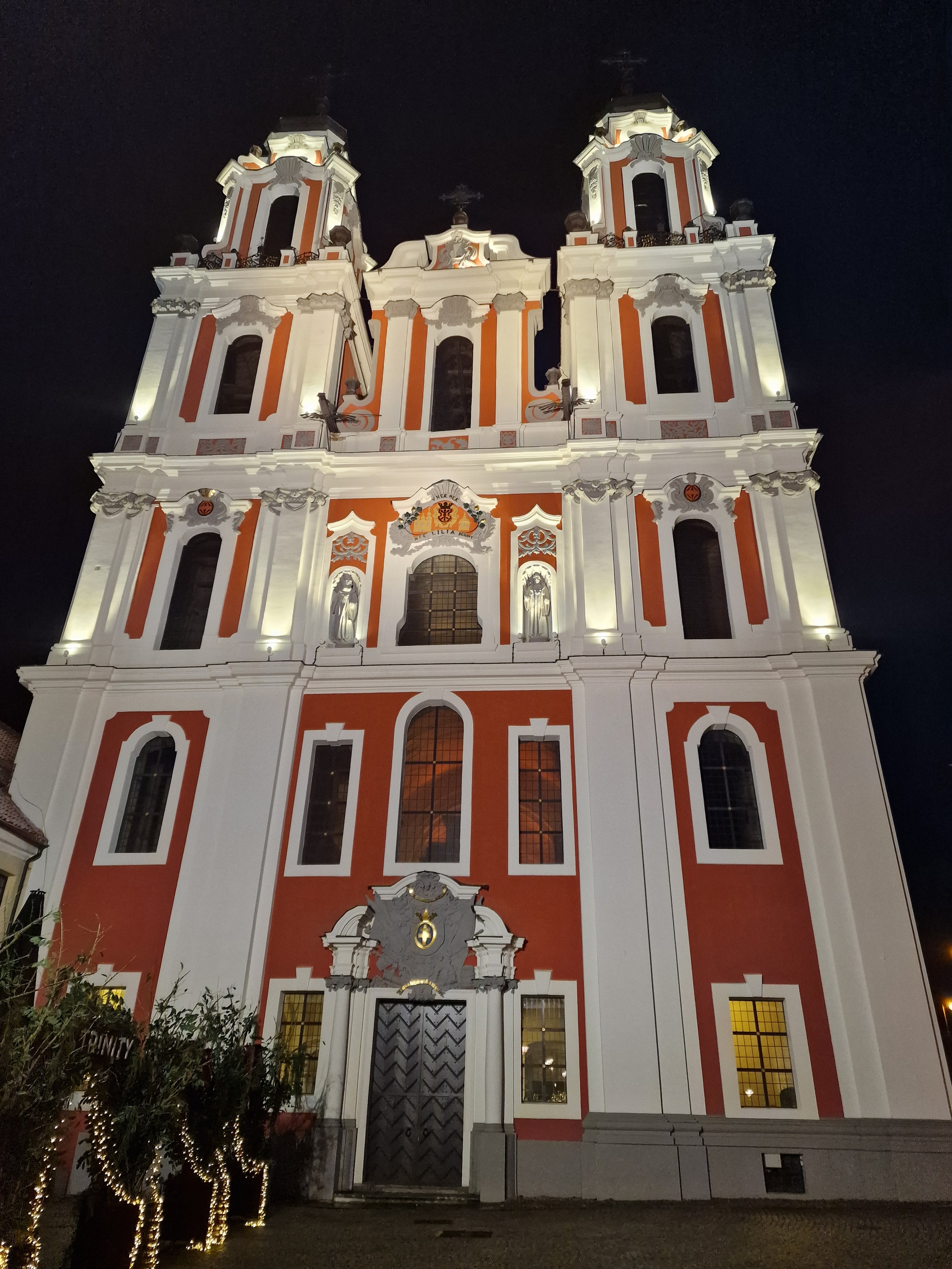
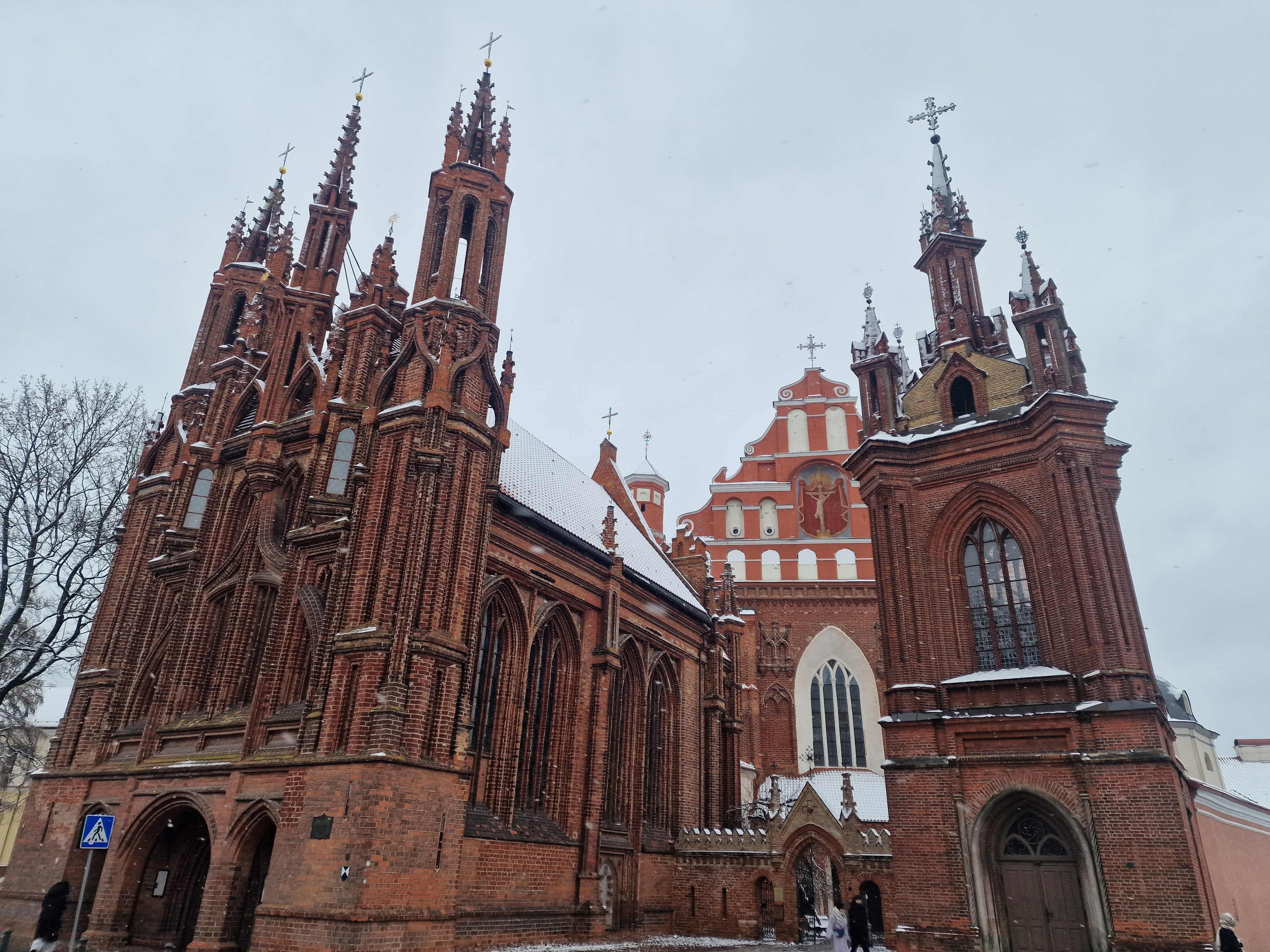
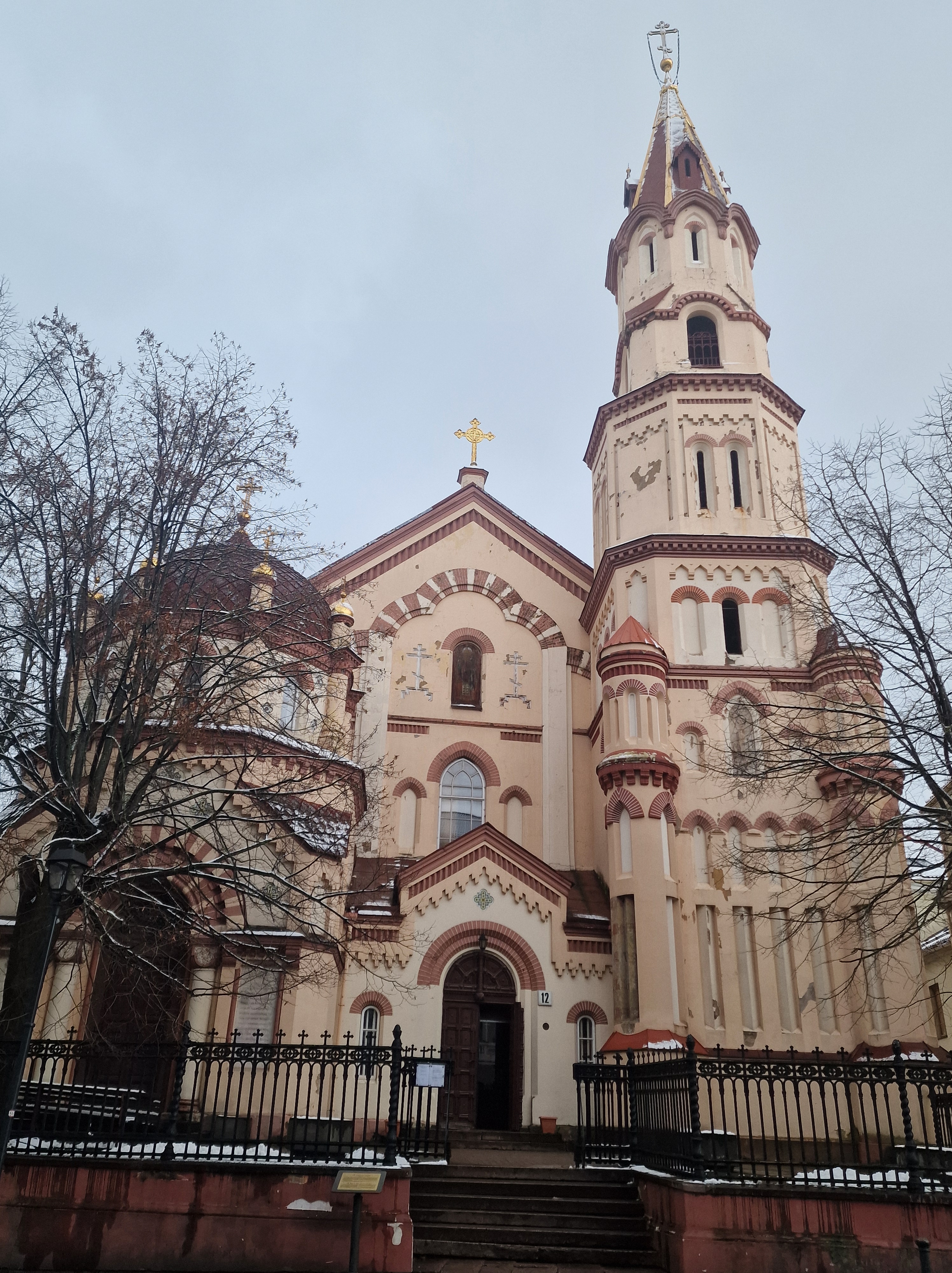
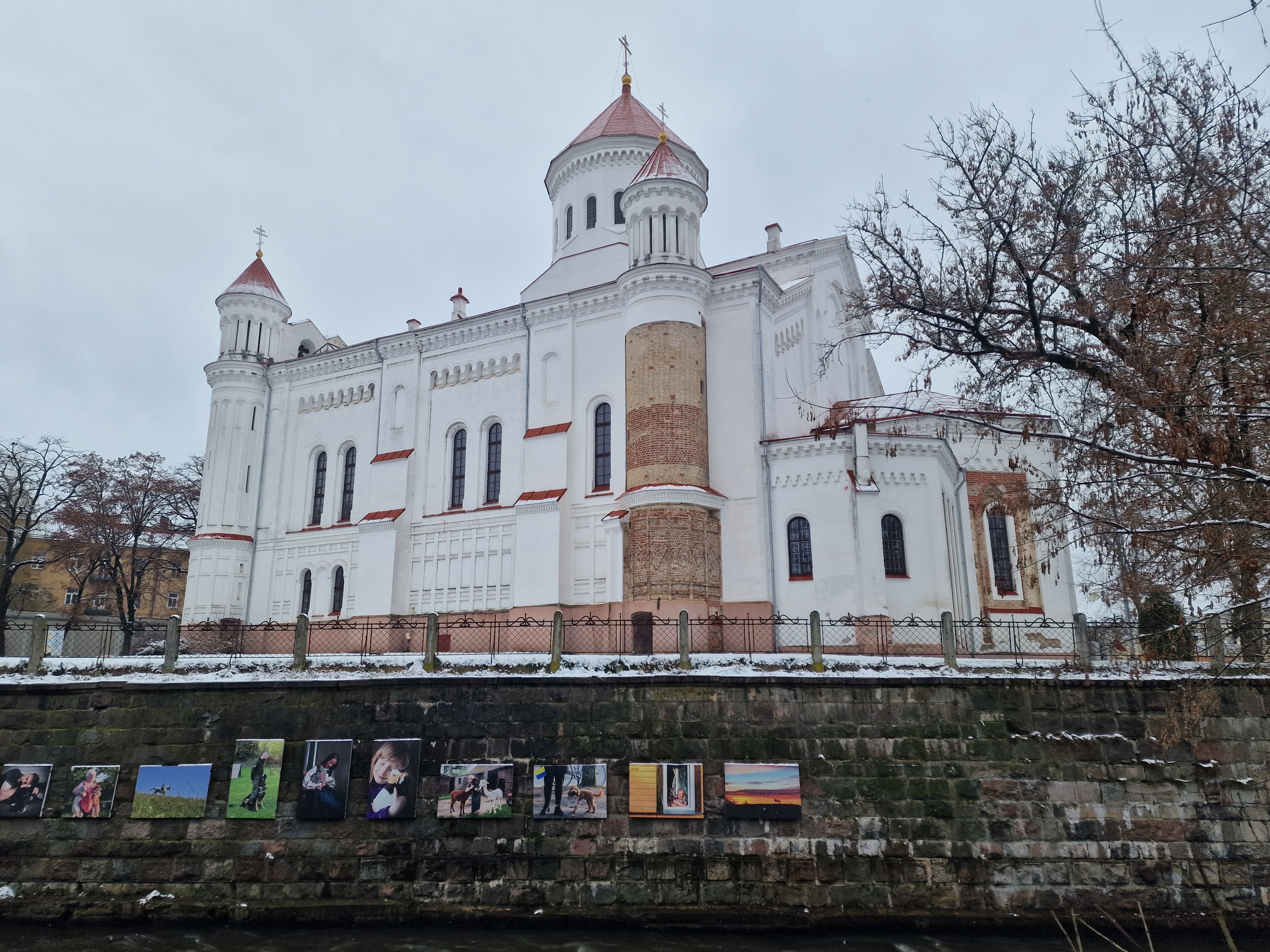
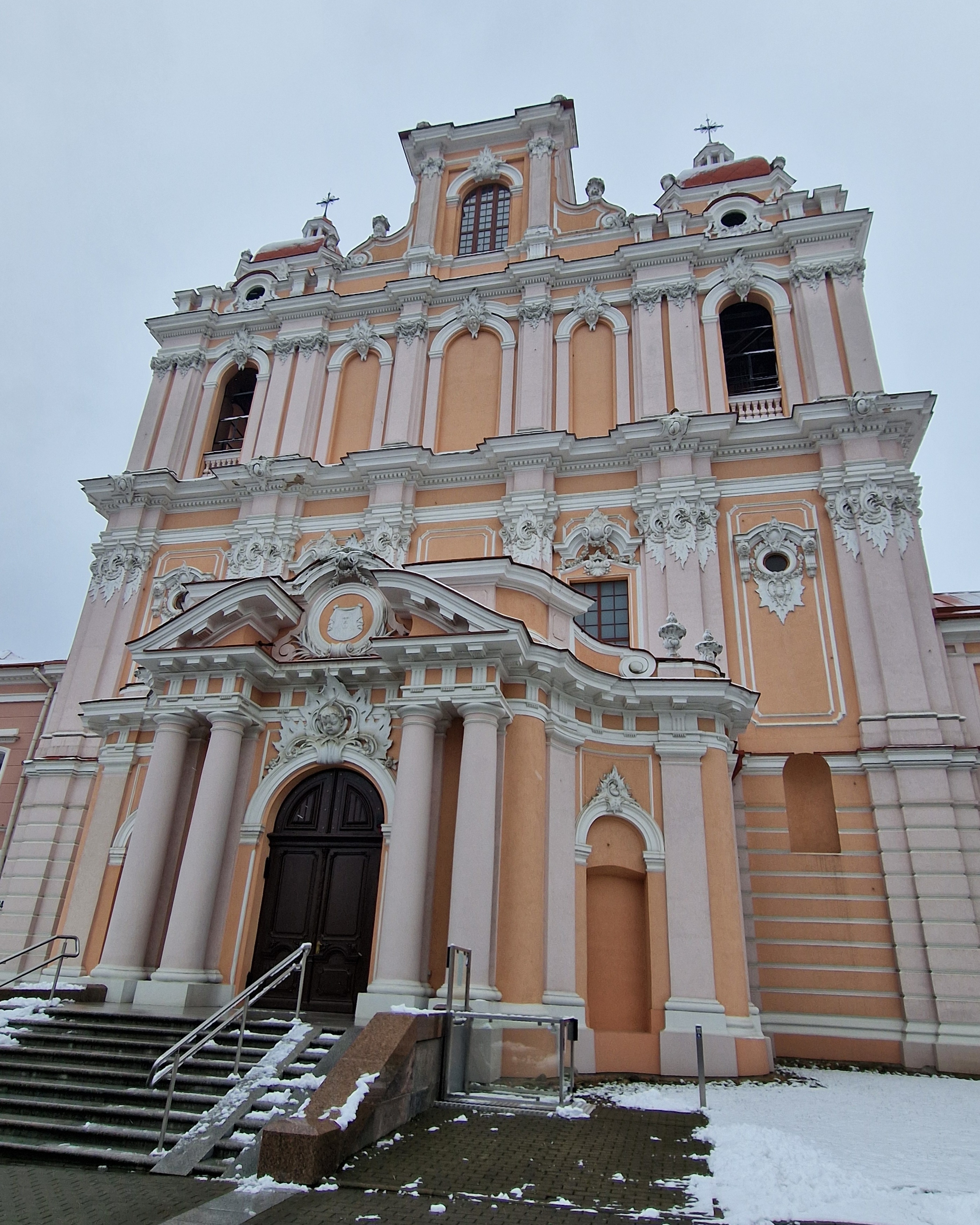
There’s a wealth of churches in Vilnius – 28 in the old town alone! Here is a selection…

It was time to head back to the hotel, grab the cases and get a Bolt to the coach station, ready to catch the Flixbus to Riga. 

If you find yourself with a few days off and are seeking an adventure with affordable flights to a budget-friendly city, consider adding Vilnius to your itinerary. It may not boast traditional beauty, but it certainly possesses a unique charm all its own. The city is clean, and while the locals might not have seemed particularly ‘warm’ towards us—perhaps influenced by their own history—we always felt a sense of safety wandering the streets. It’s a reminder of how different places can shape our experiences in unexpected ways.