
I came downstairs this morning to Santa asking Momma, ‘Is this wood too big?’.. luckily, he was referring to the driftwood he got from his morning beach walk to go in the garden.
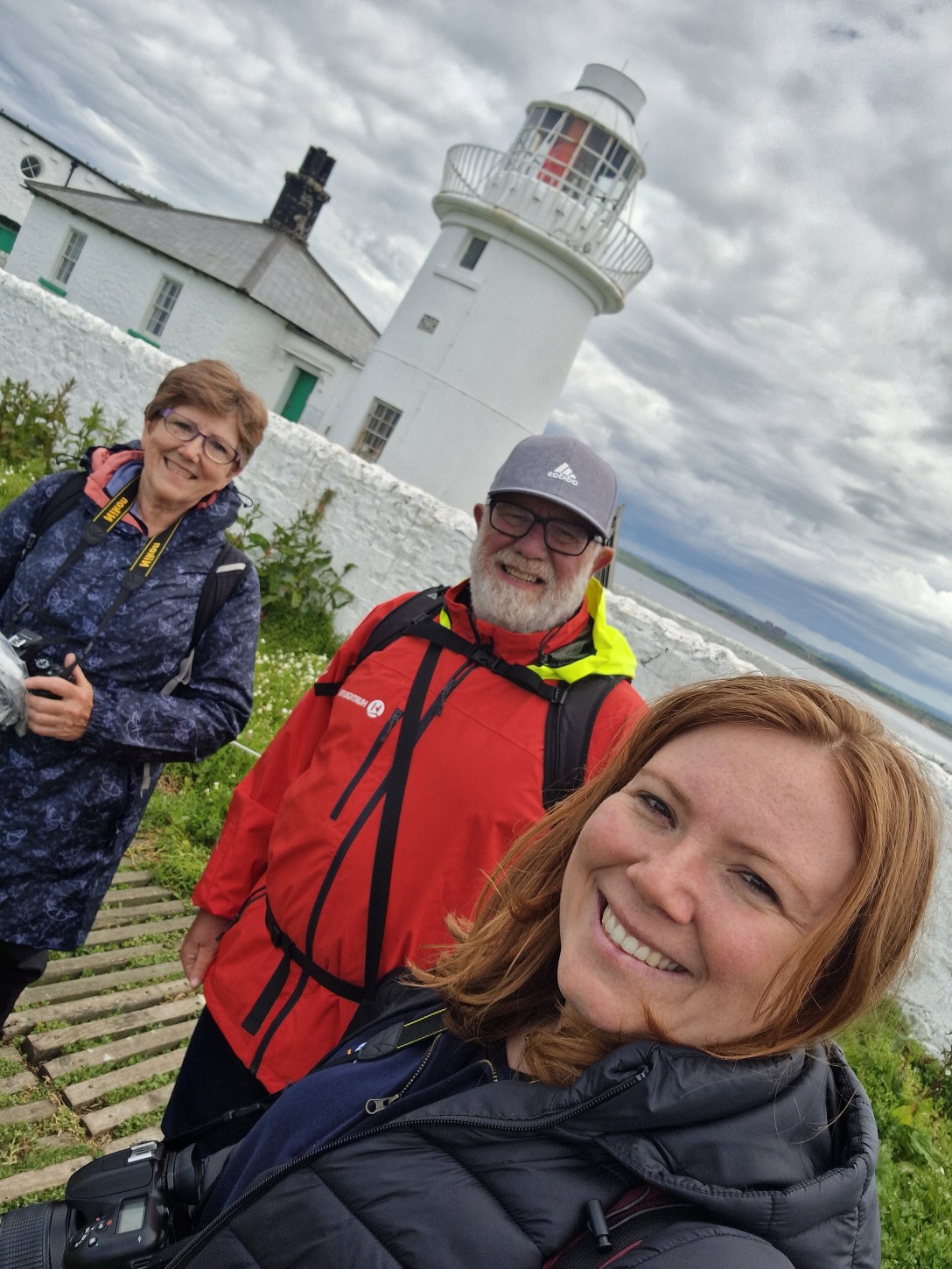
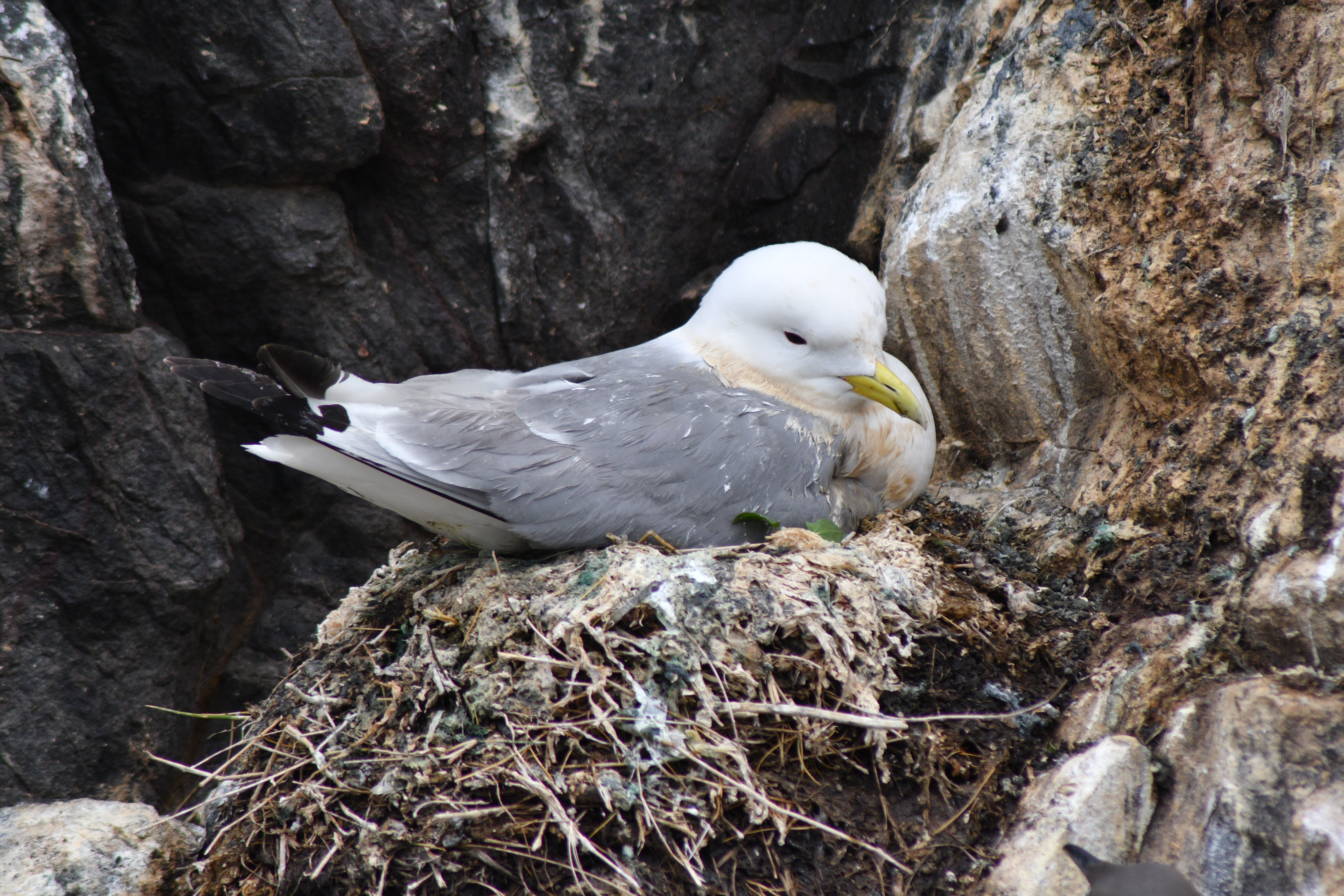
Inner Farne As we’re so close to Northumberland, it would be rude not to take a boat trip over to Inner Farne. We booked with Serenity and paid £30pp, with the additional landing fee being free as we’re National Trust members (13pp for non-members). The tour sails around all of the Farne Islands, then lands on the breeding seabird heaven that is Inner Farne. Momma was buzzing to be snapping away, especially after the camera incident whilst in Antarctica 😬 David Attenborough says this is one of his favourite places in the UK to see magnificent nature, and he’s certainly got that right! On our way to the islands, we were surrounded by many different species of birds bobbing on the sea and swooping in the skies above.
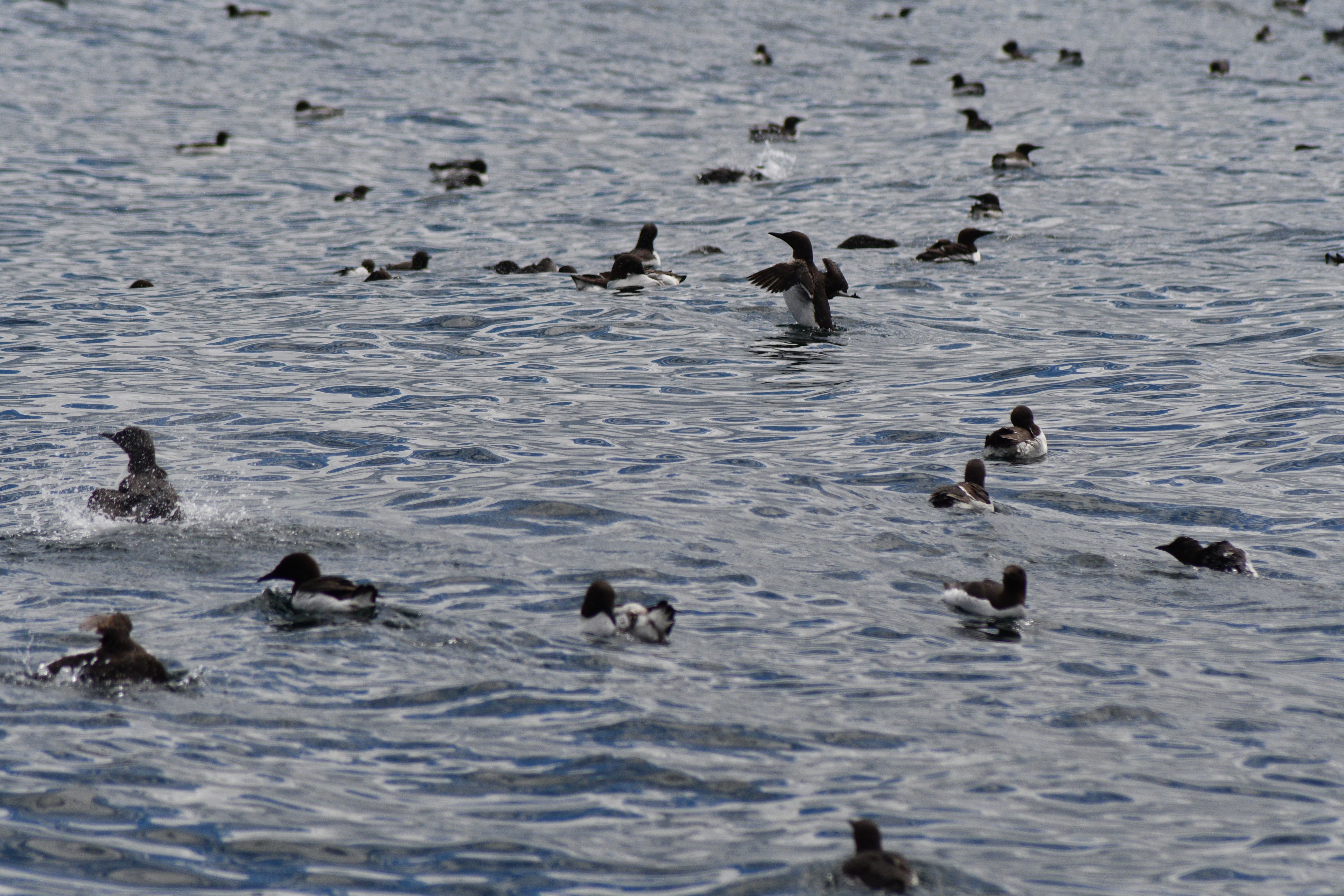
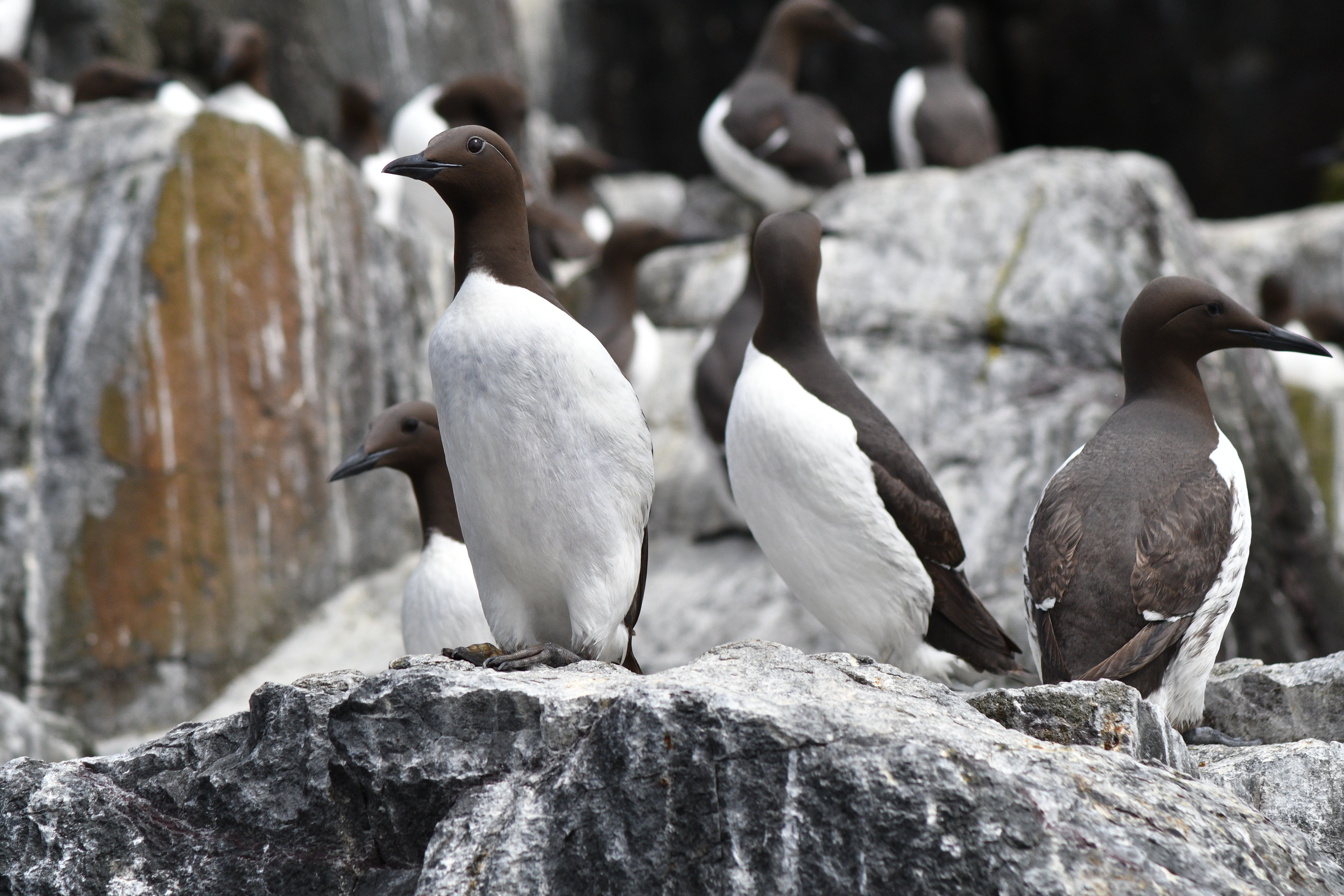
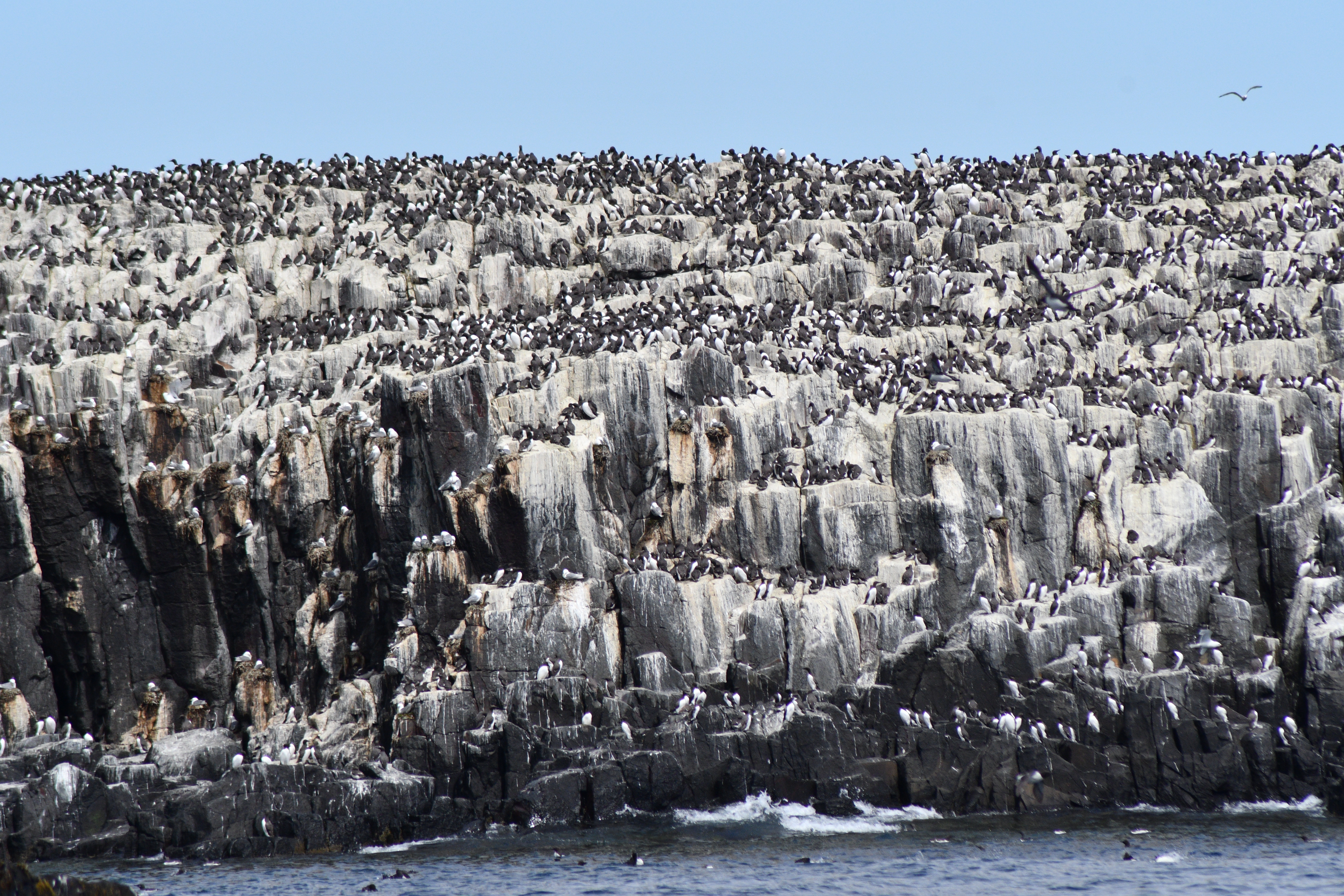
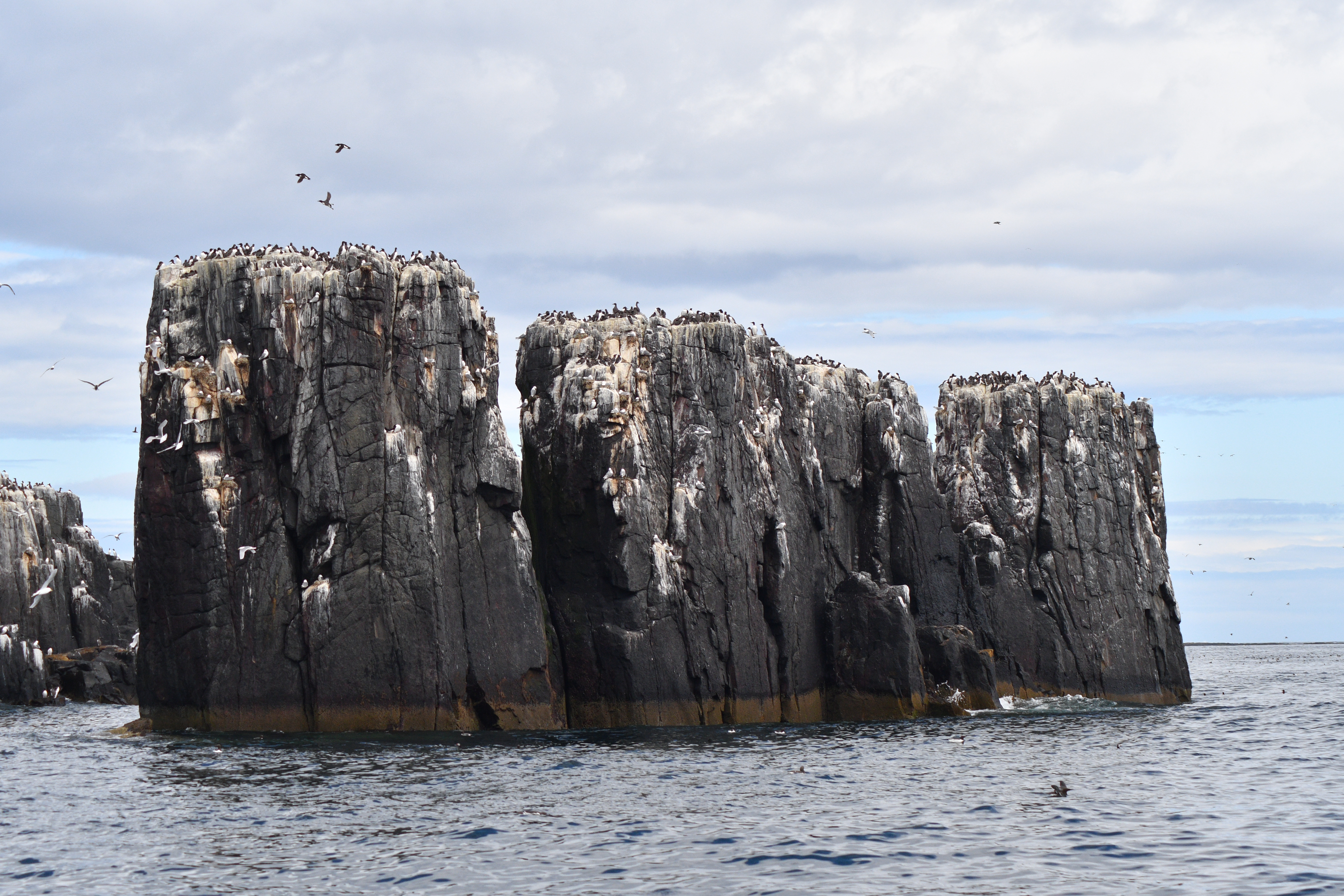
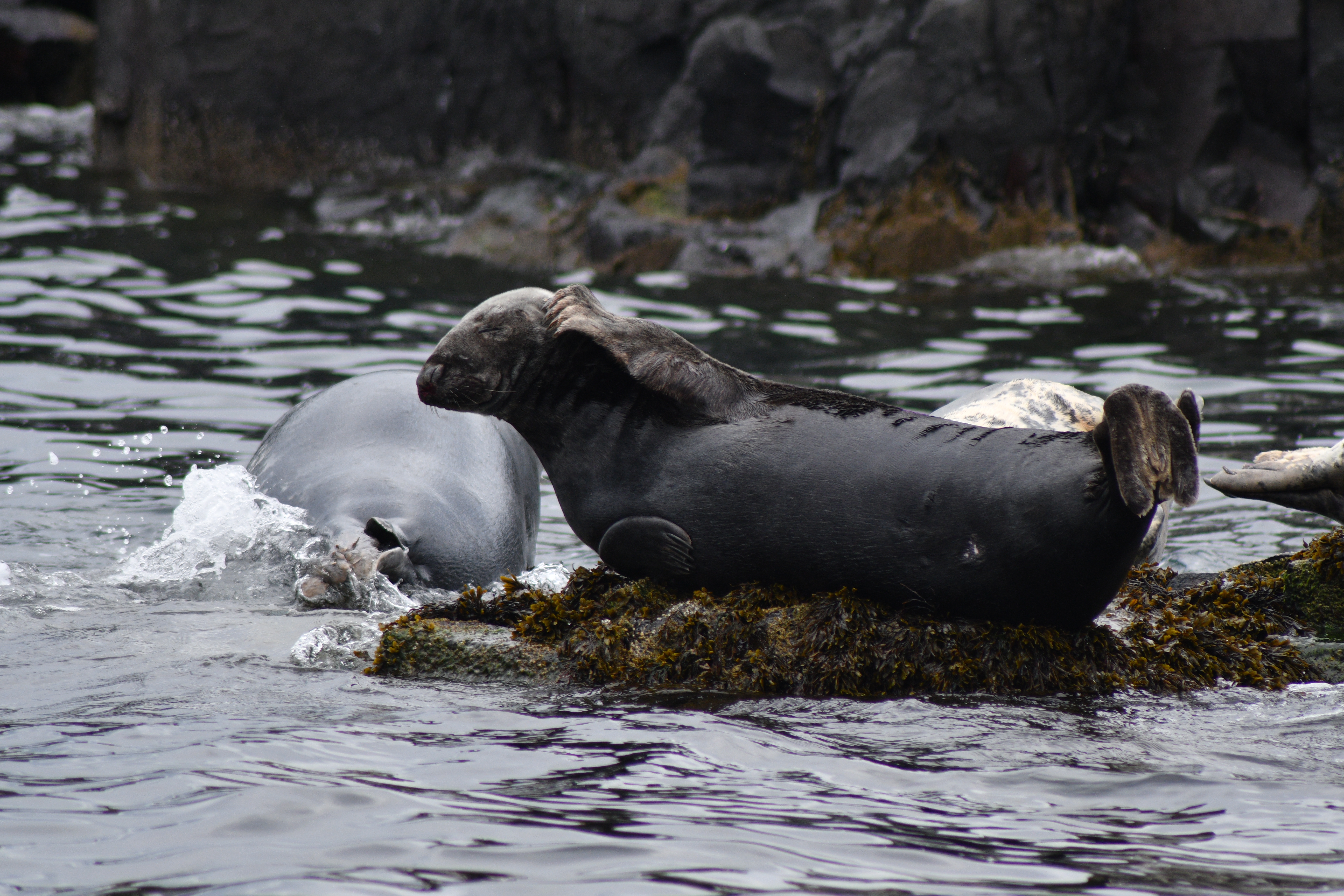
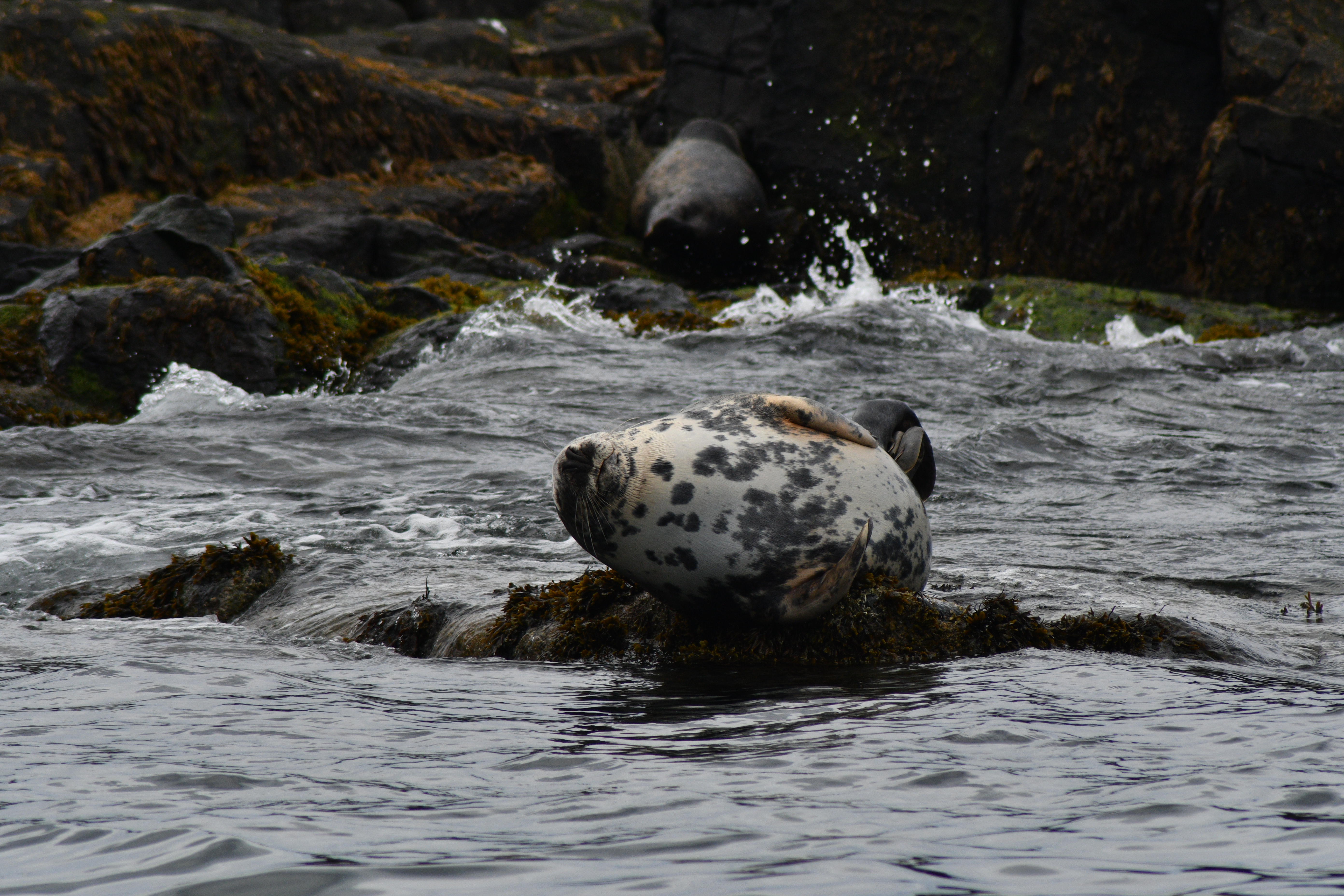
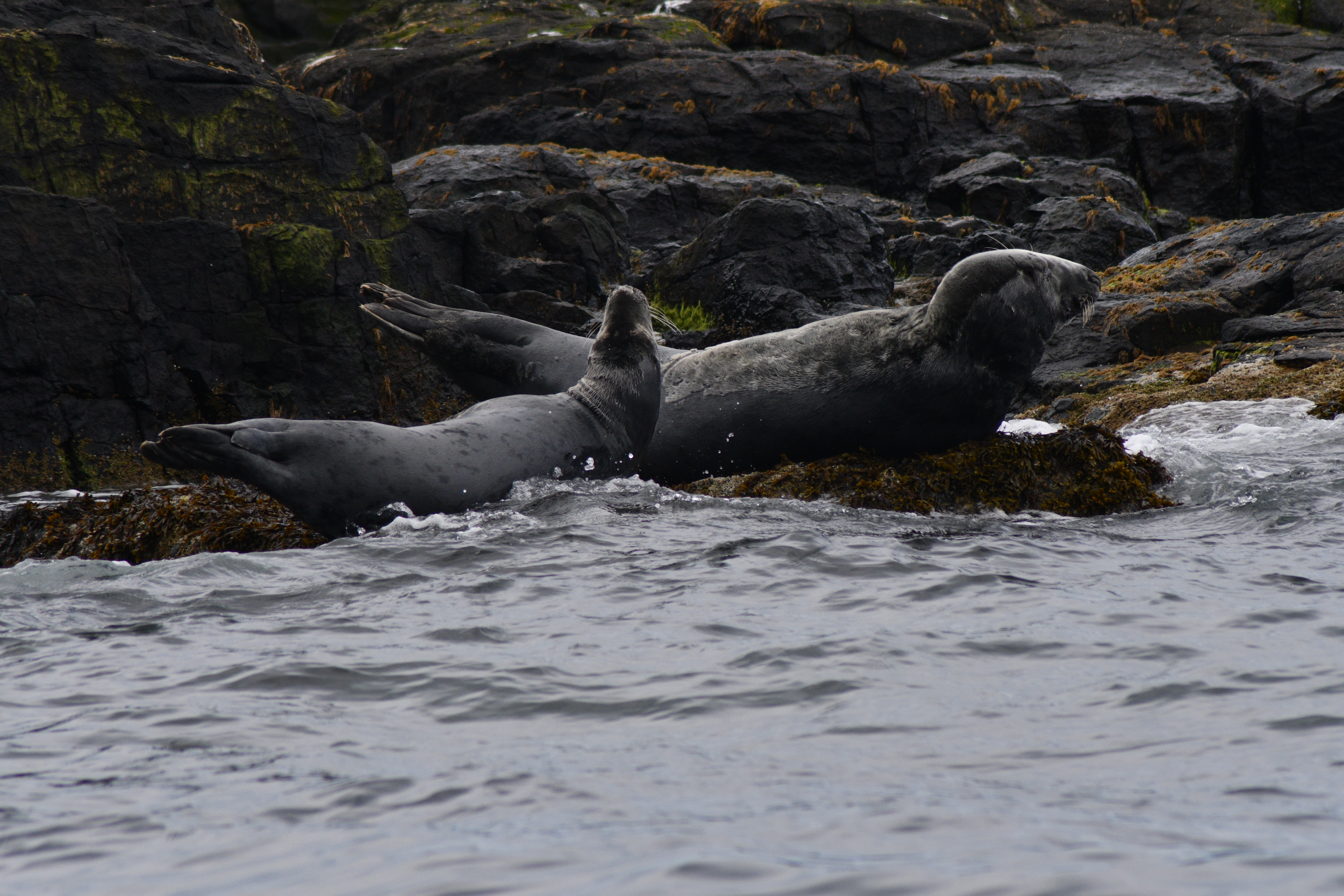
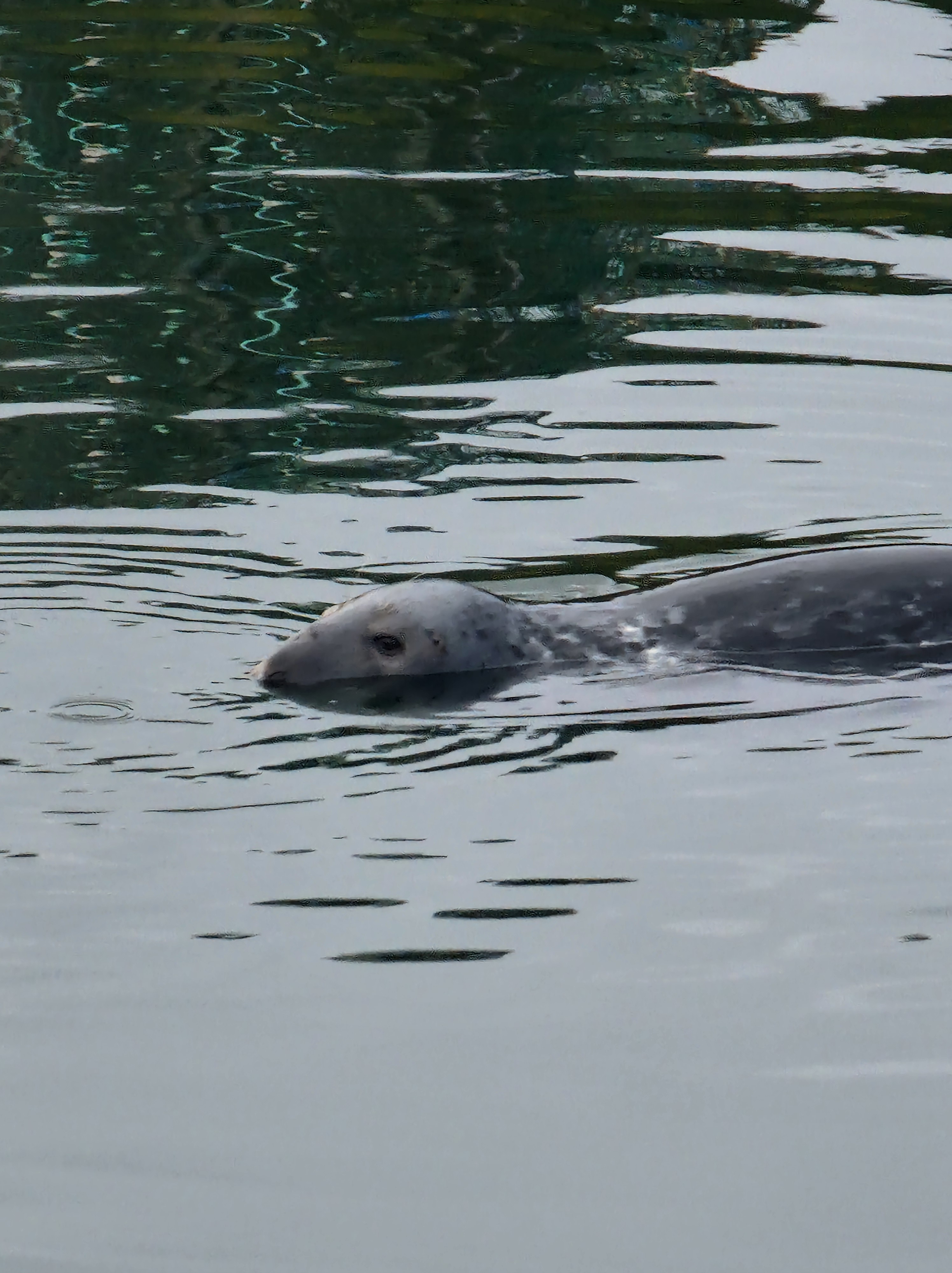
We sailed passed Staple Island which was overtaken by guillemots and kittiwakes, and then headed off to see the seals who were either lazing on the rocks or bobbing inquisitively in the sea. There are an estimated 3,000-4,000 Grey Seals in the Farne Islands!
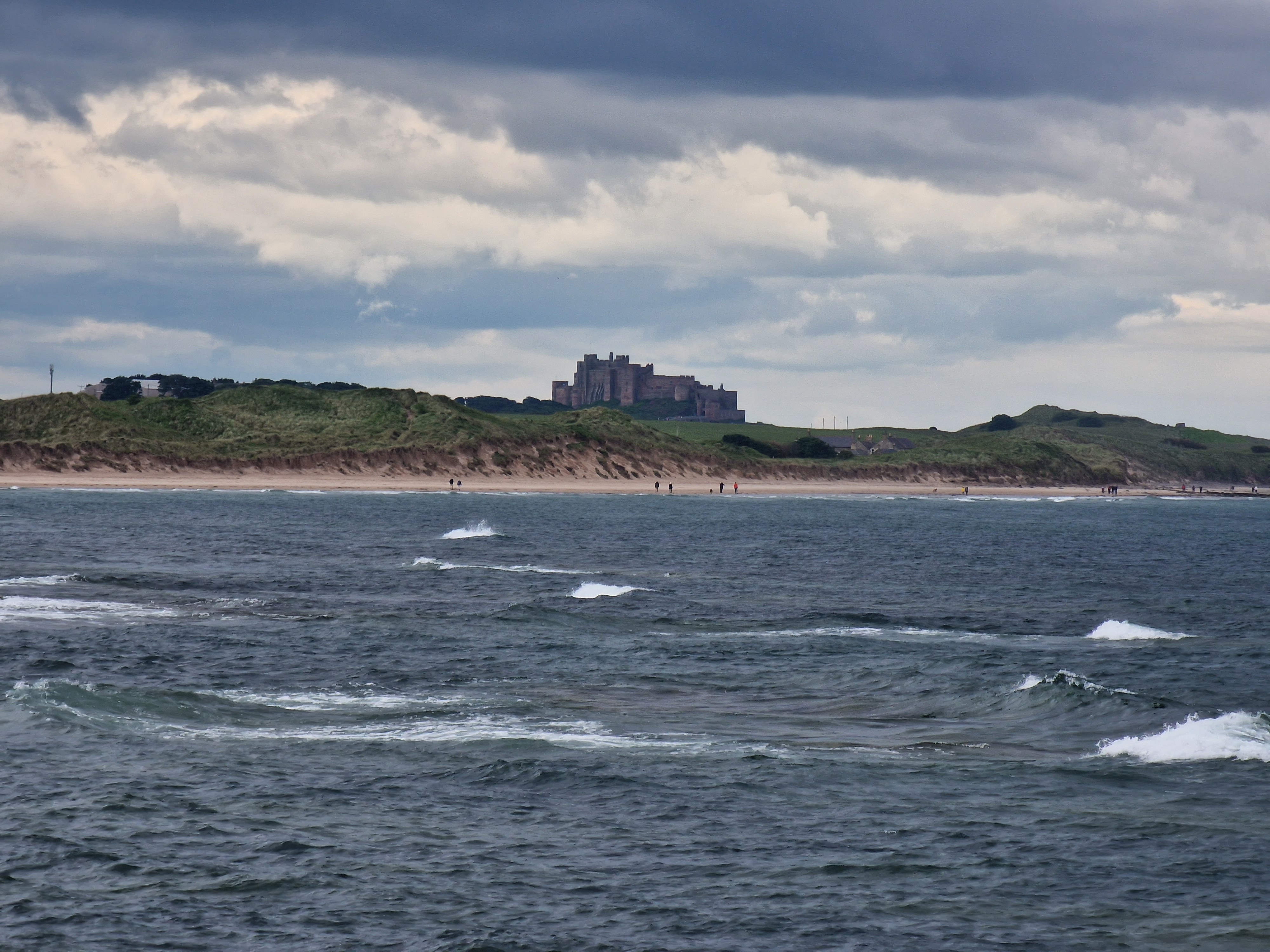
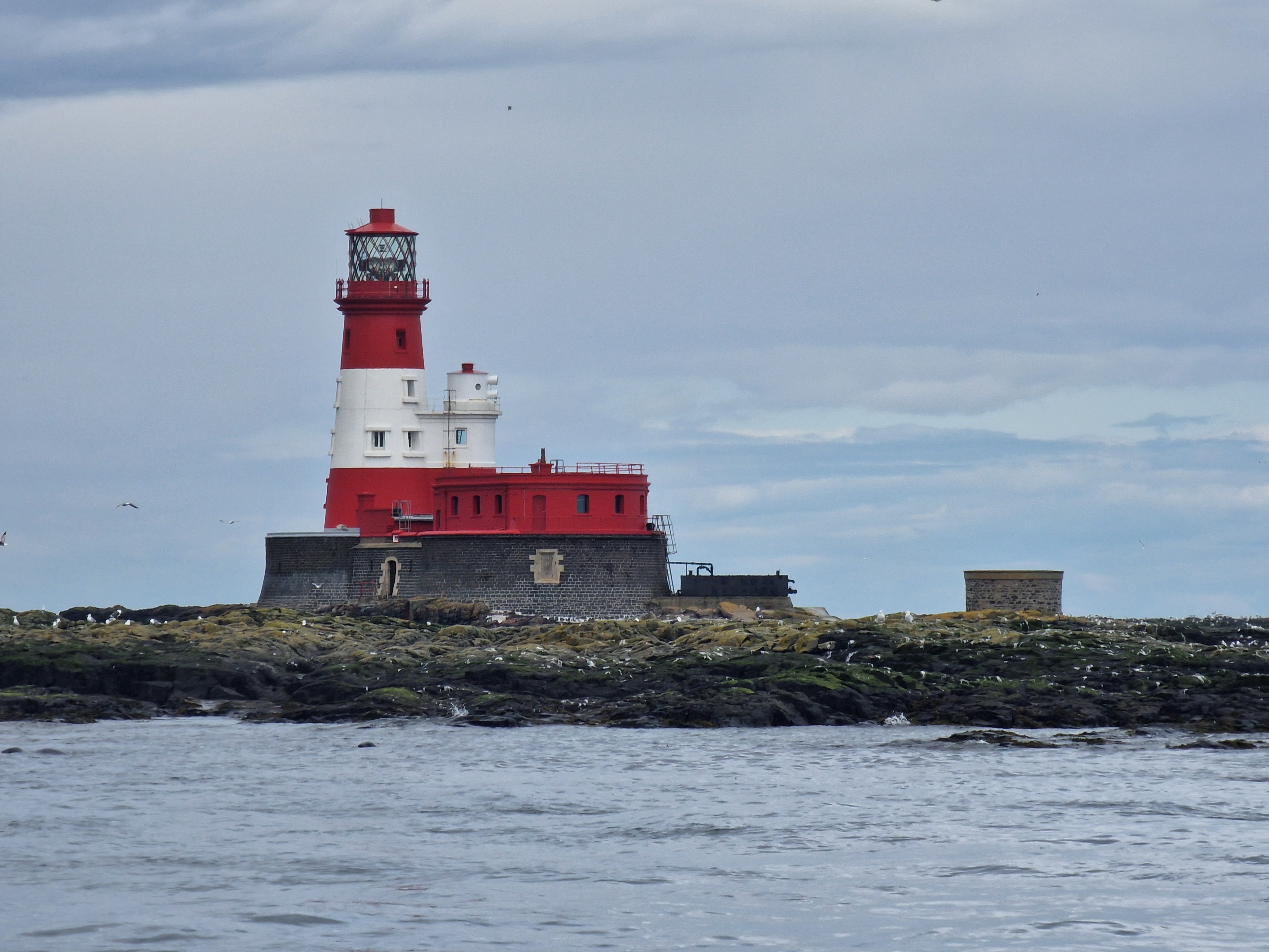
Next was Longstone Lighthouse, where Grace Darling lived. At the age of 22, she gained national notoriety for her bravery for the part she played in the rescue of survivors from a wrecked merchant ship in 1838. Along with her father, they saved nine people from the wreck of the ‘Forfarshire’ that ran into a horrendous storm on its way to Dundee.
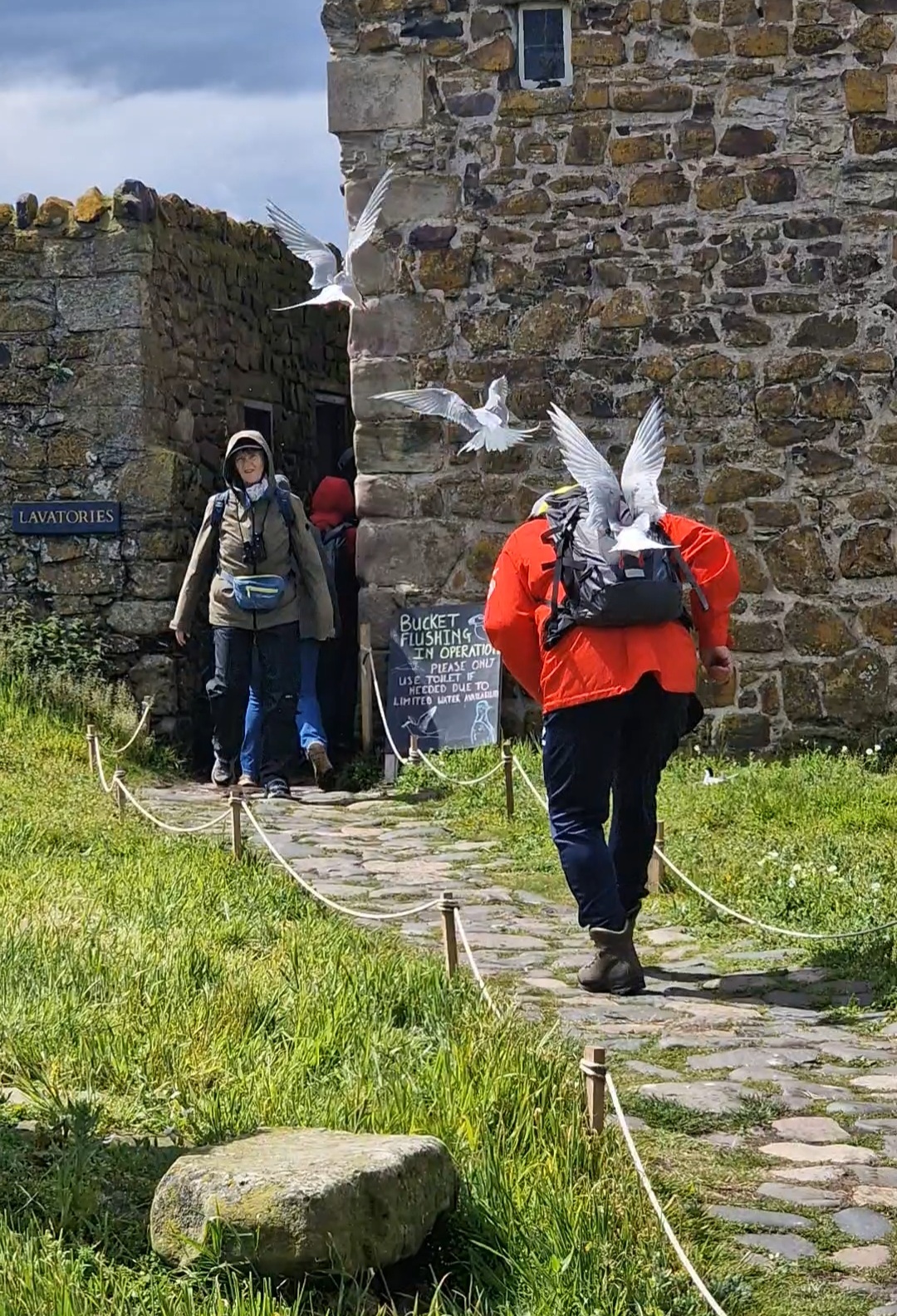
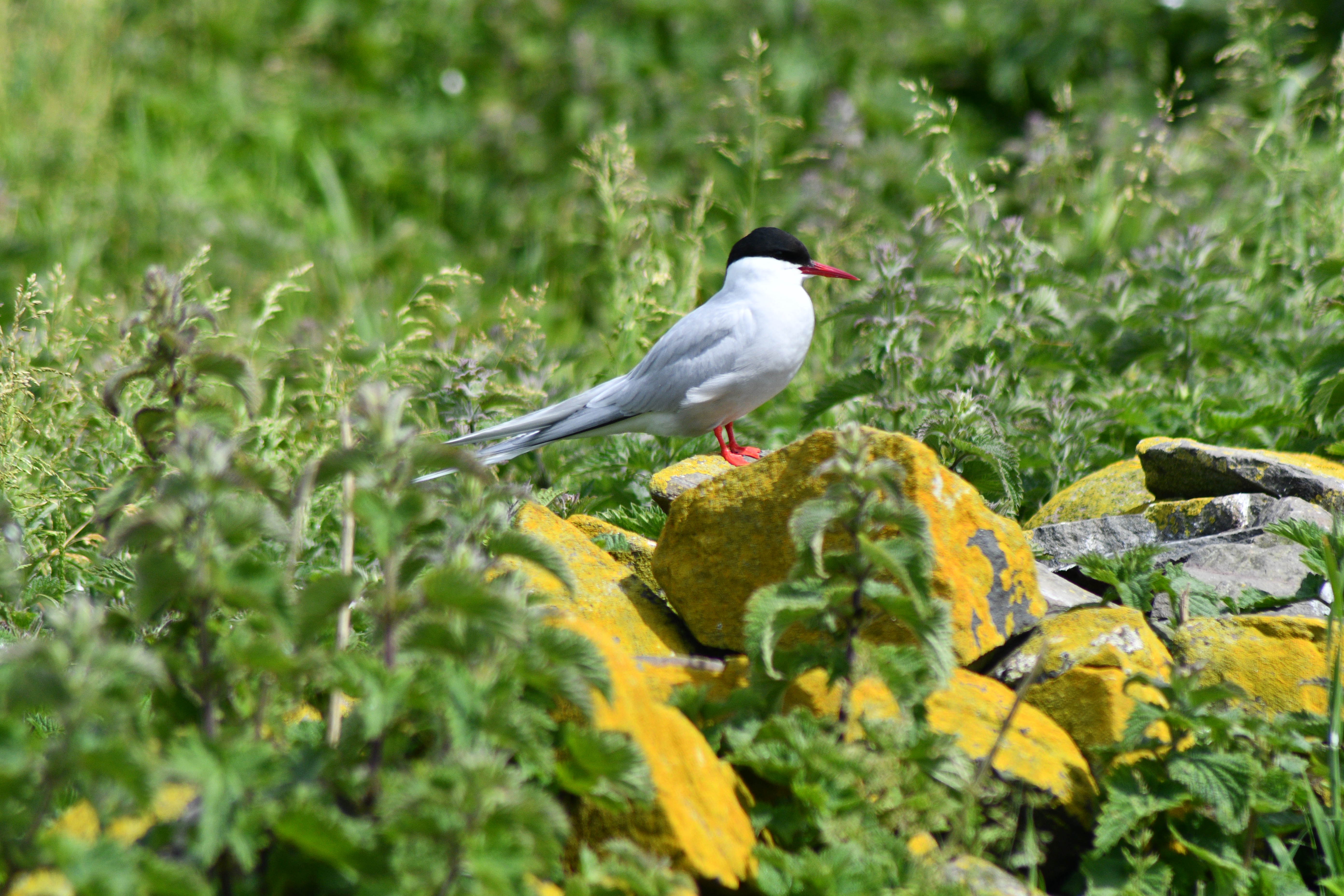
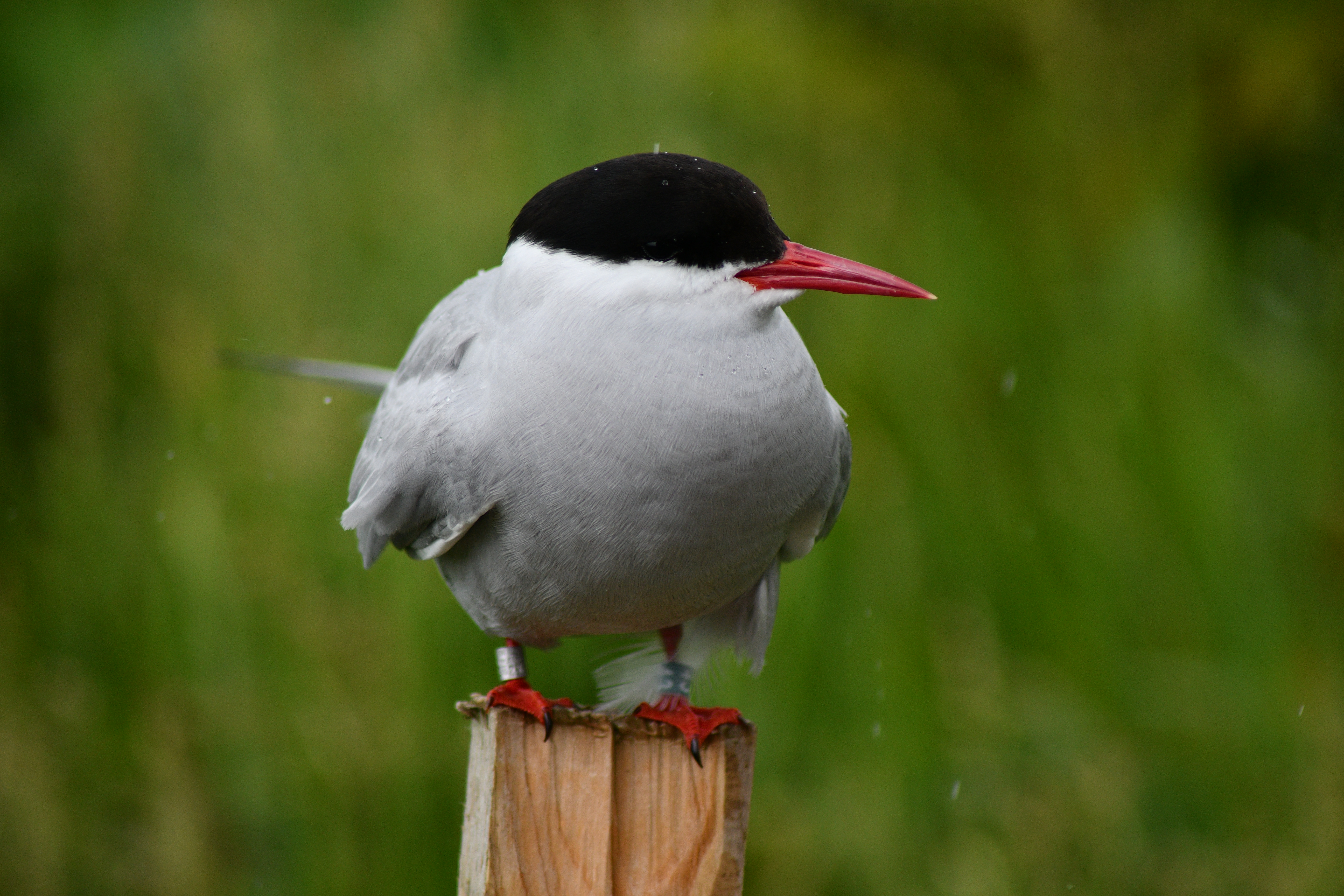
The landing on Inner Farne is 1 hour treat of seabirds.. but first you have to get past the Arctic Tern’s! Luckily, it was raining, which meant our heads were protected by our hoods.. they are incredibly territorial and are only trying to protect their young, but having them swoop, peck, and attack is absolutely terrifying at first! I don’t think any of us have ever walked to the toilet so fast!
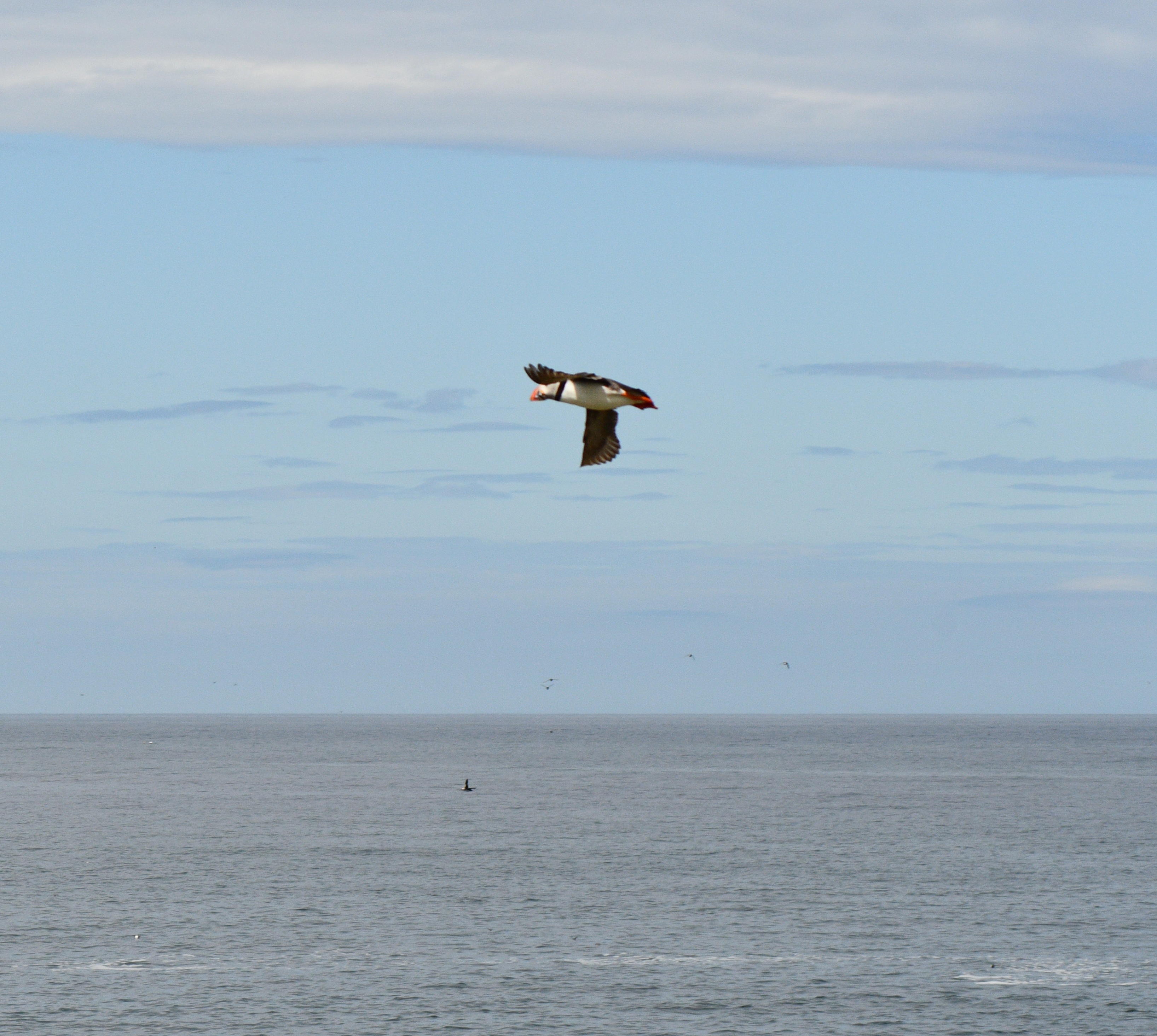
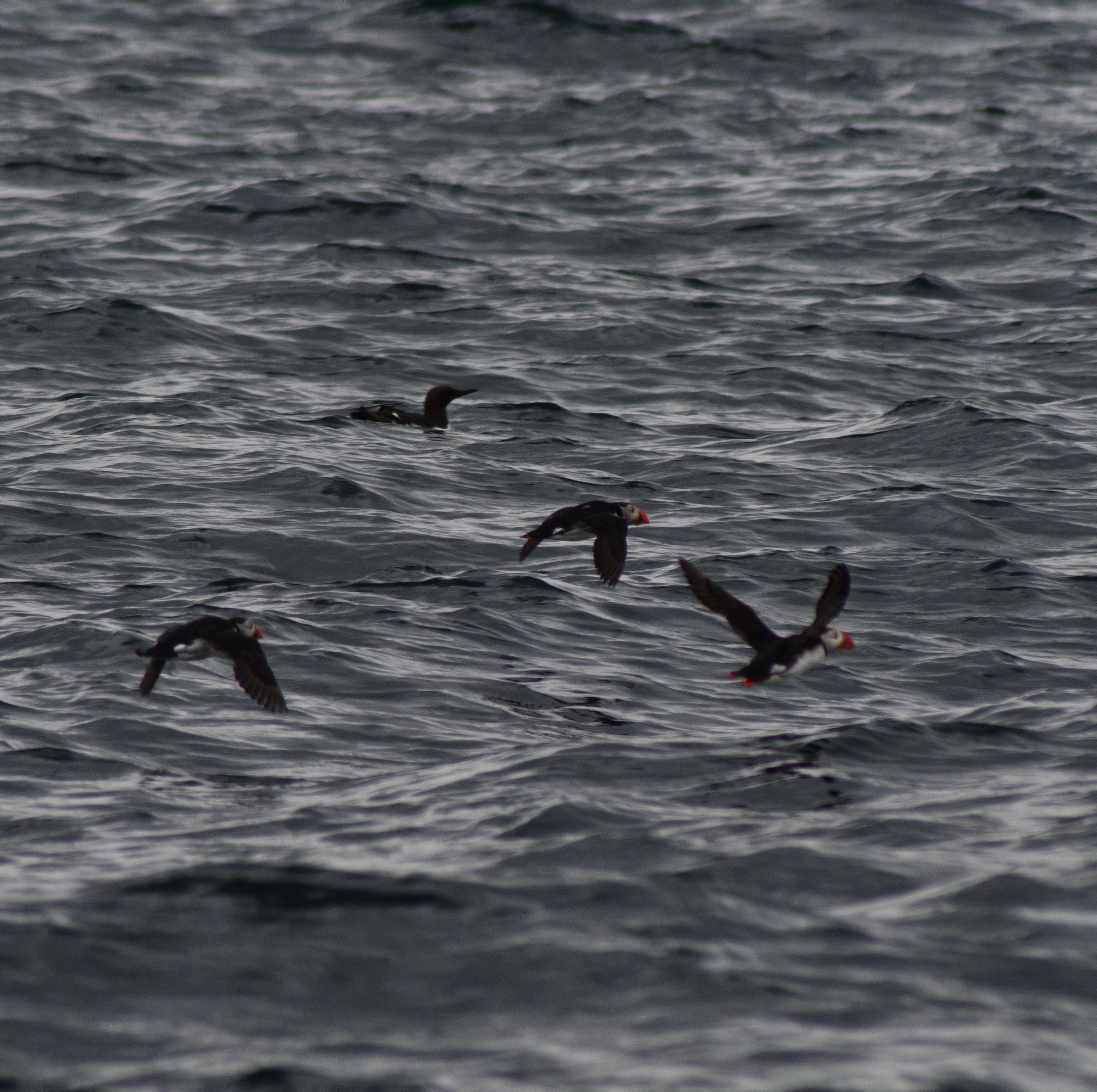
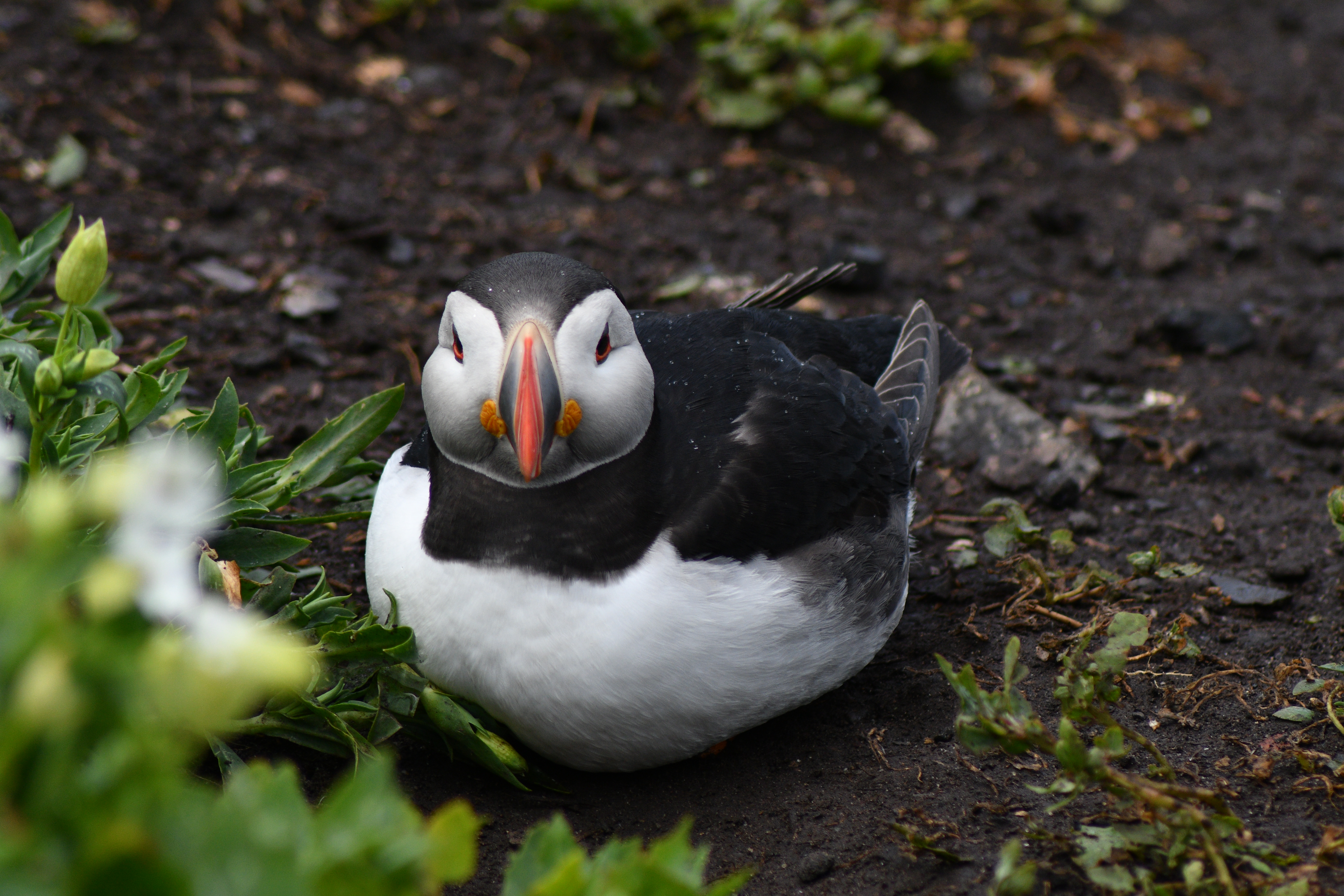
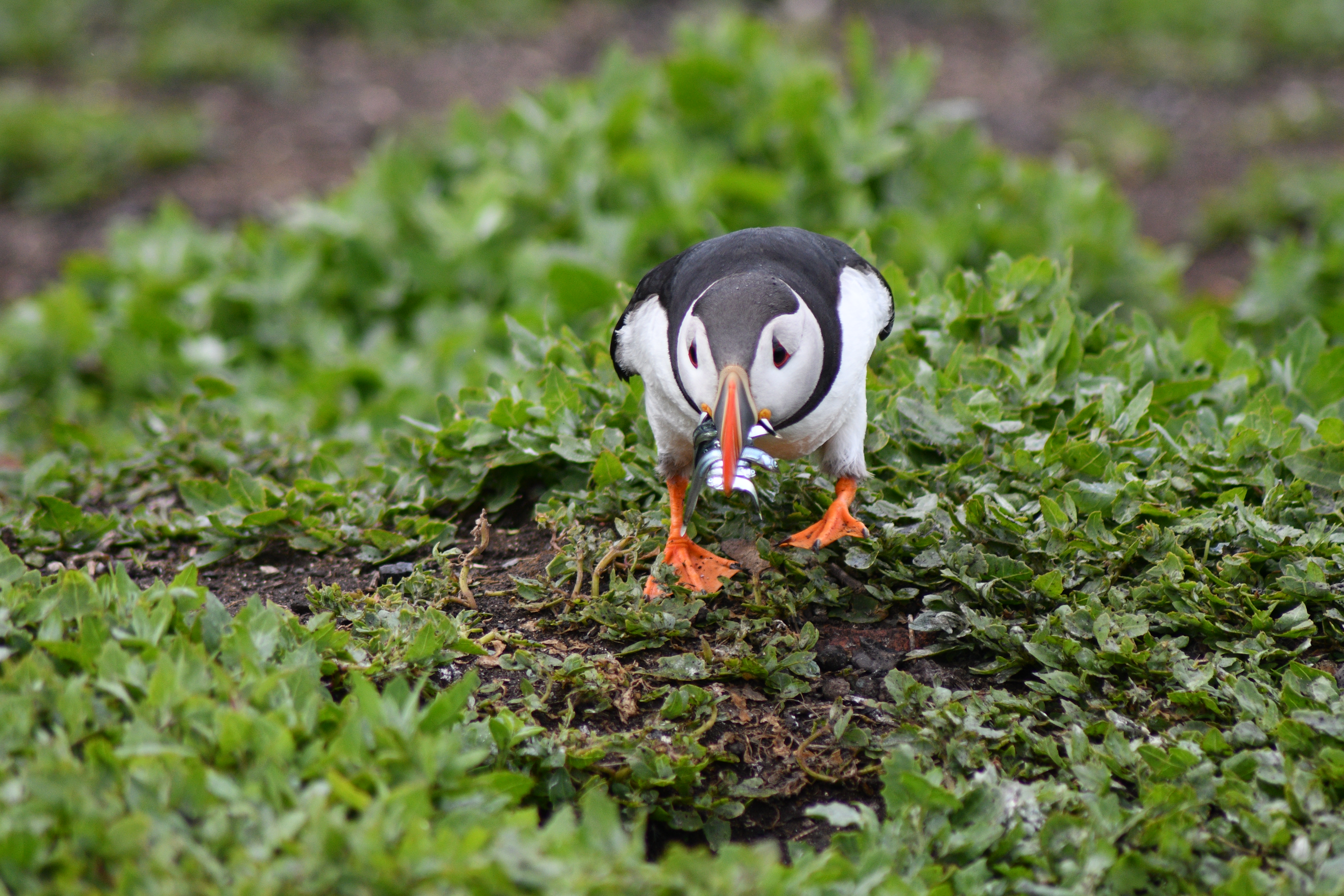
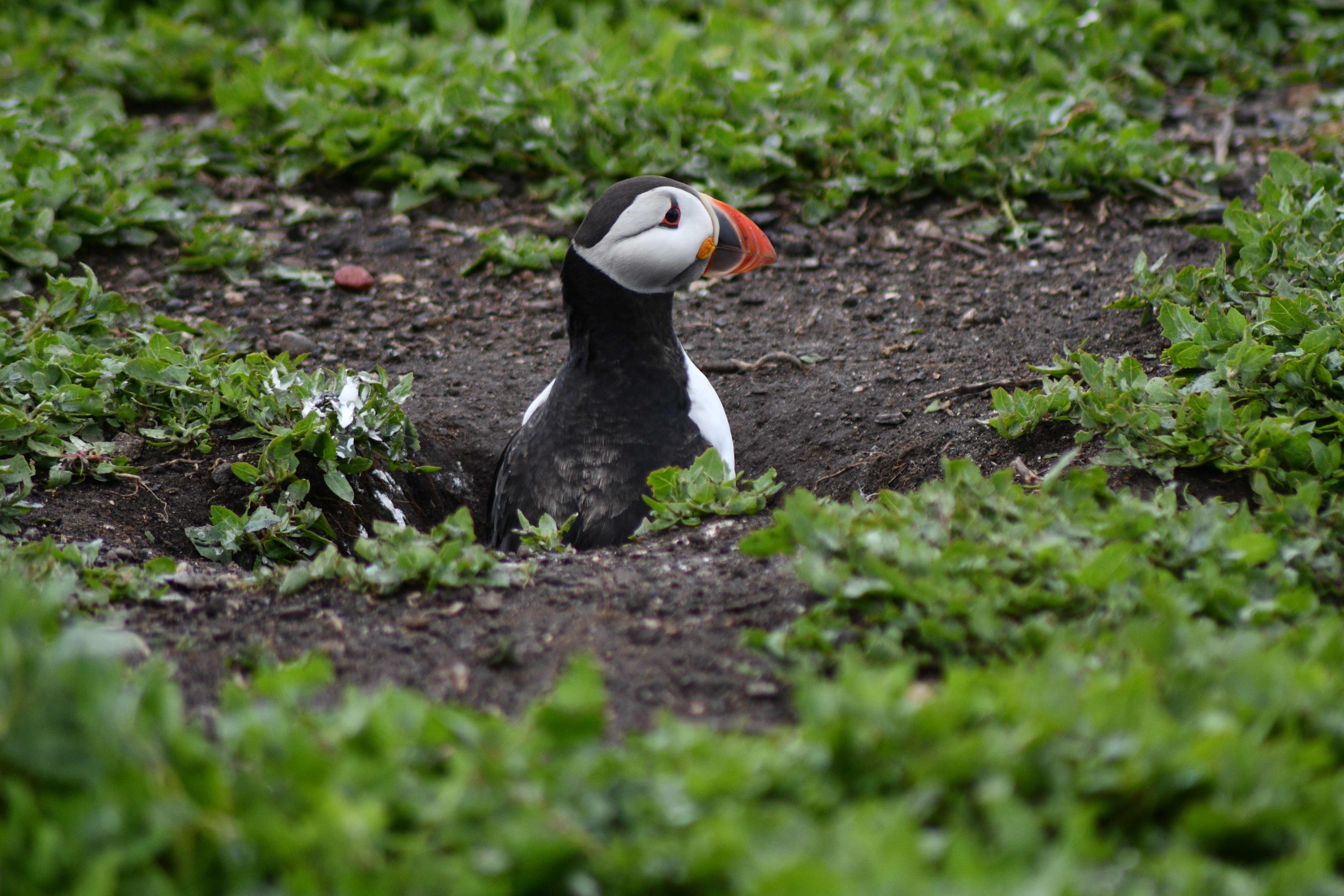
Puffins are the star of the show here, and they are absolutely everywhere! Seeing them running around with their bill full of sand eels is an absolute joy to watch. Every year, they return to the Farne Islands for a short window of breeding and raising their young. This is usually between April to late July with the peak time being between May and June.
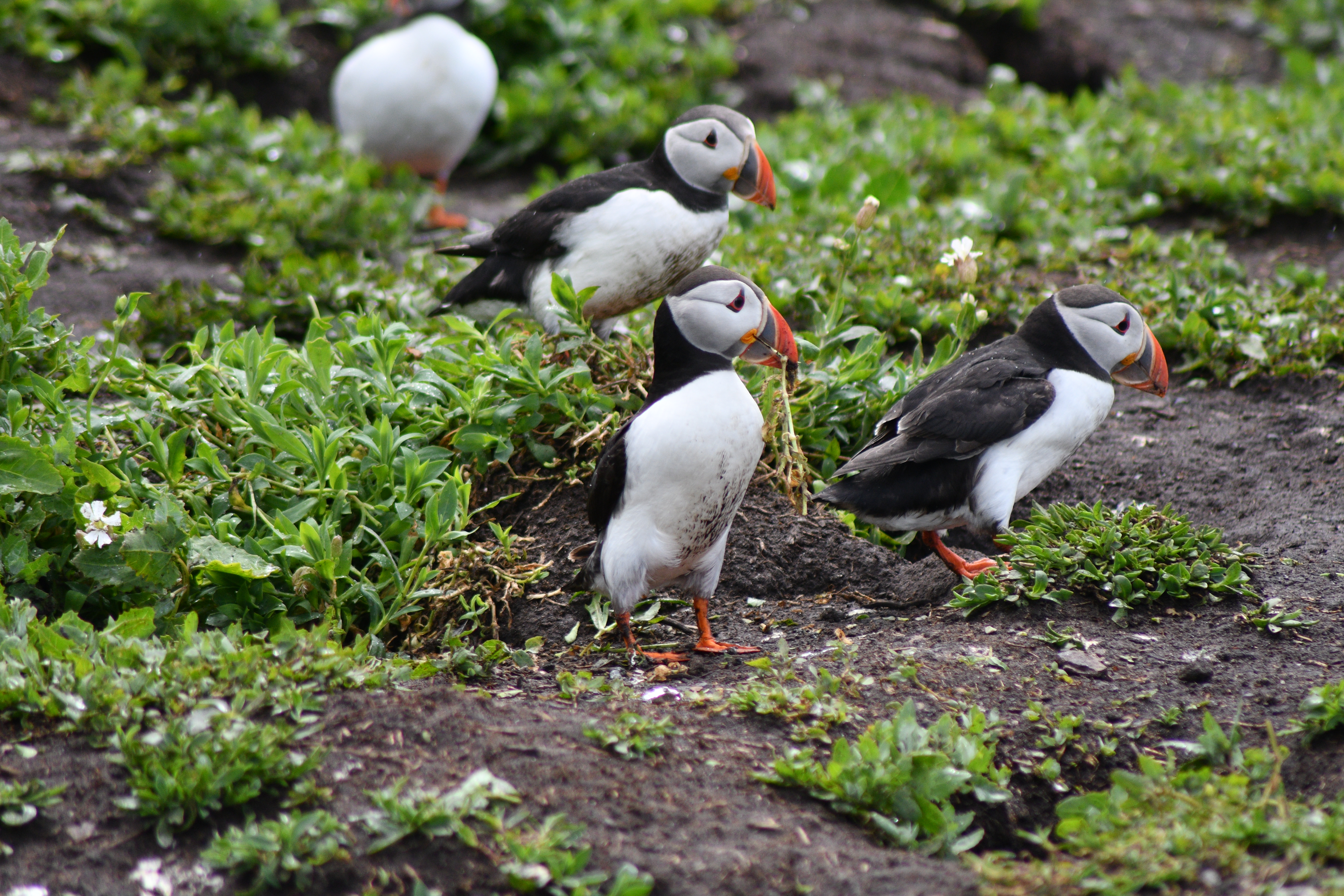
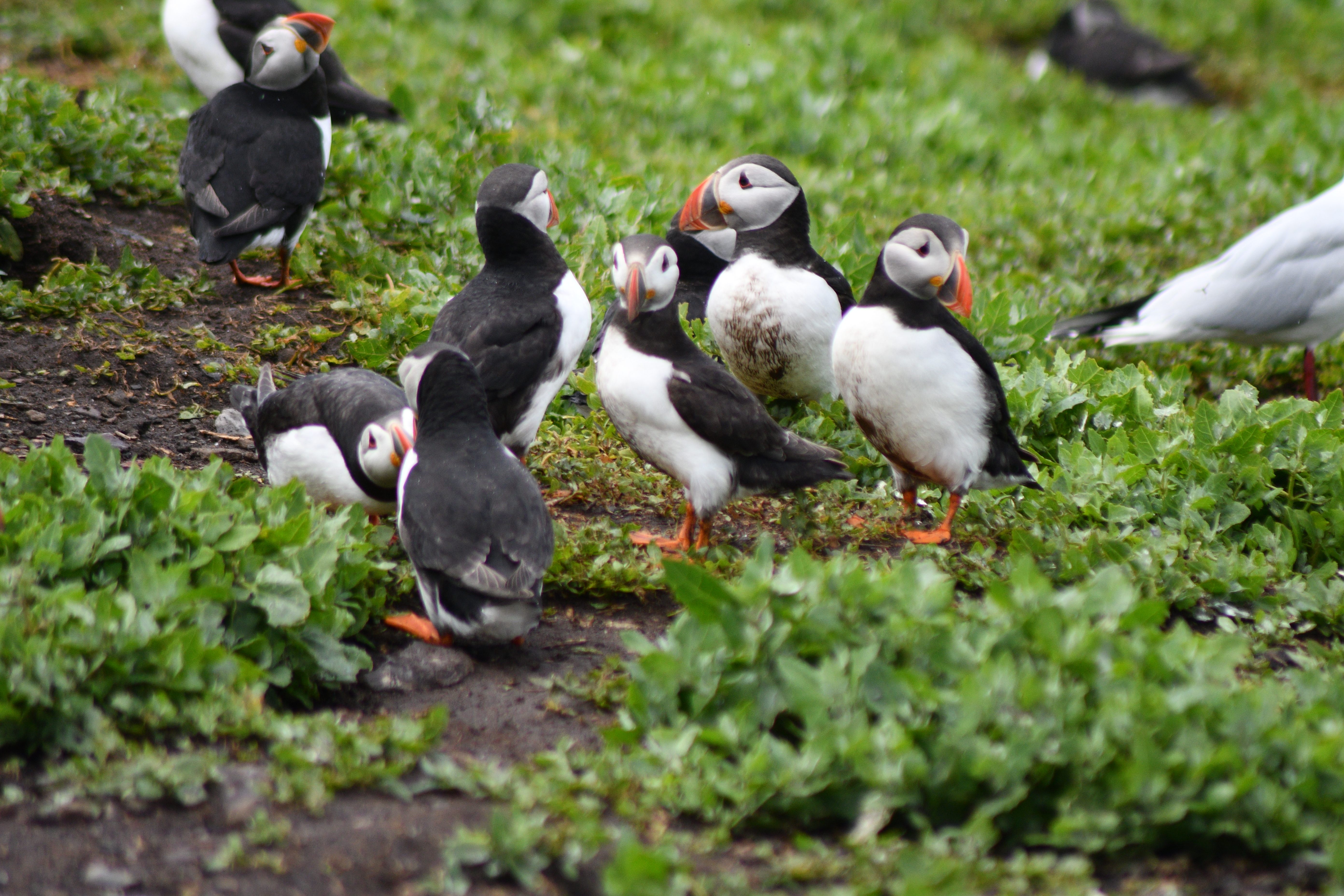
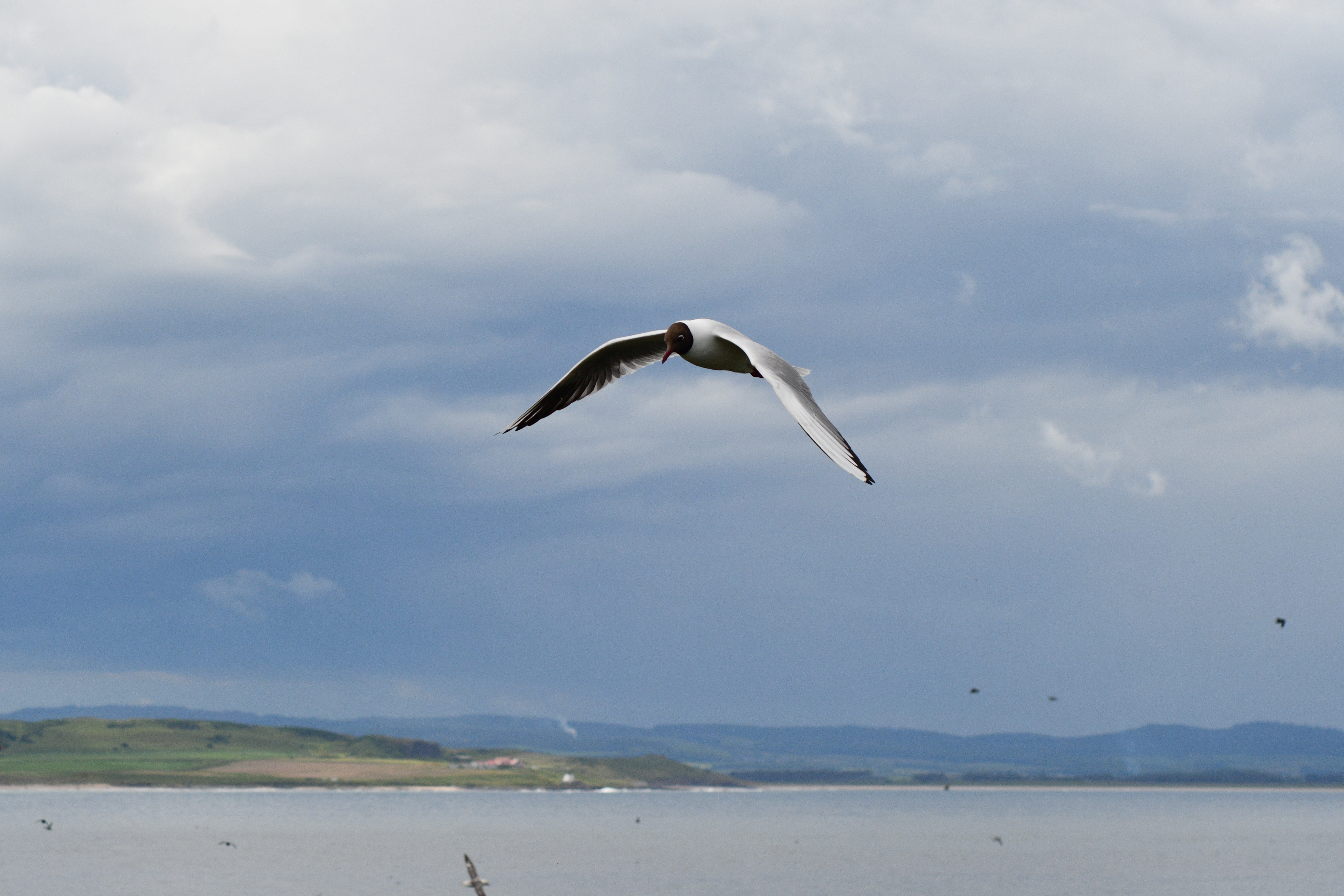
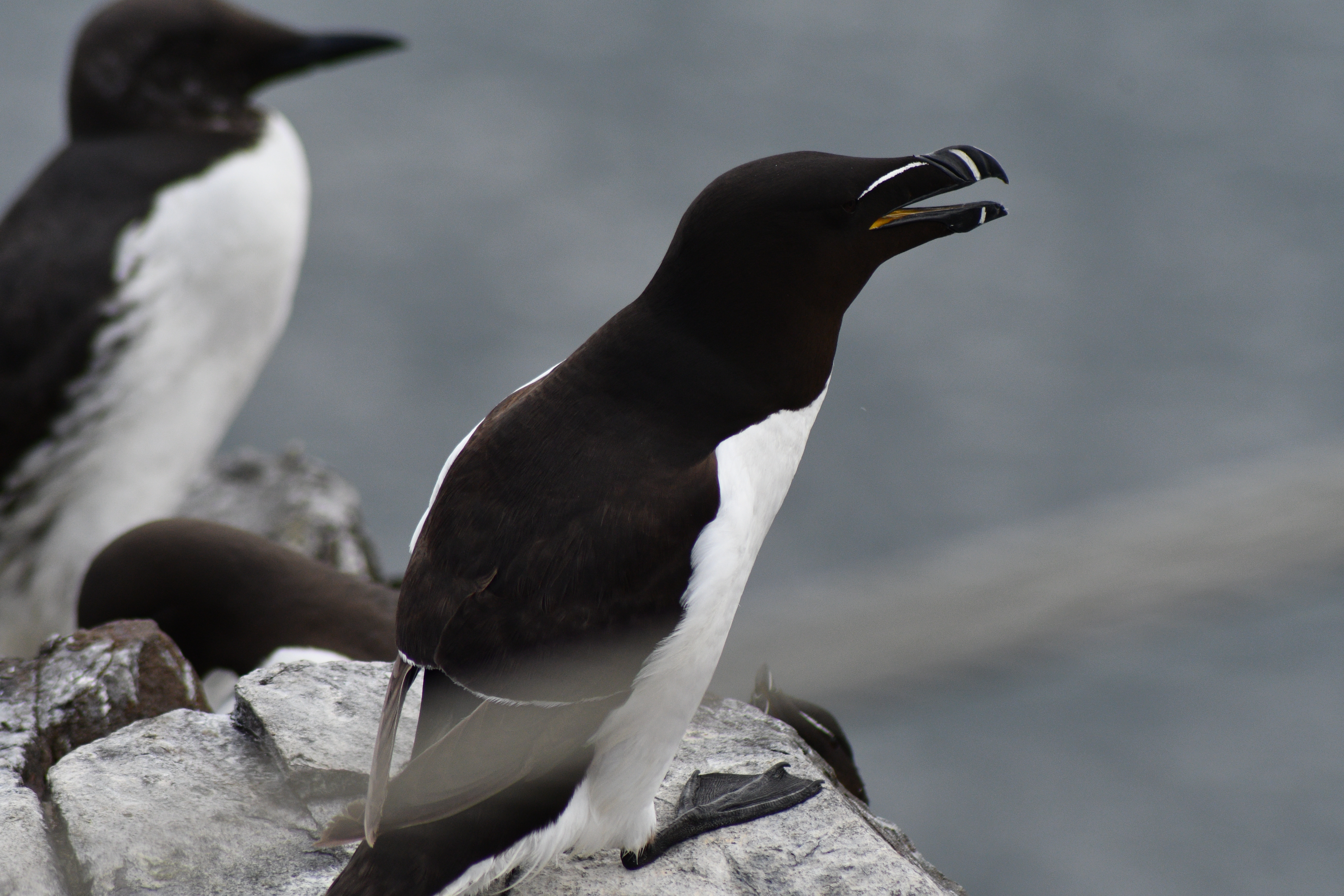
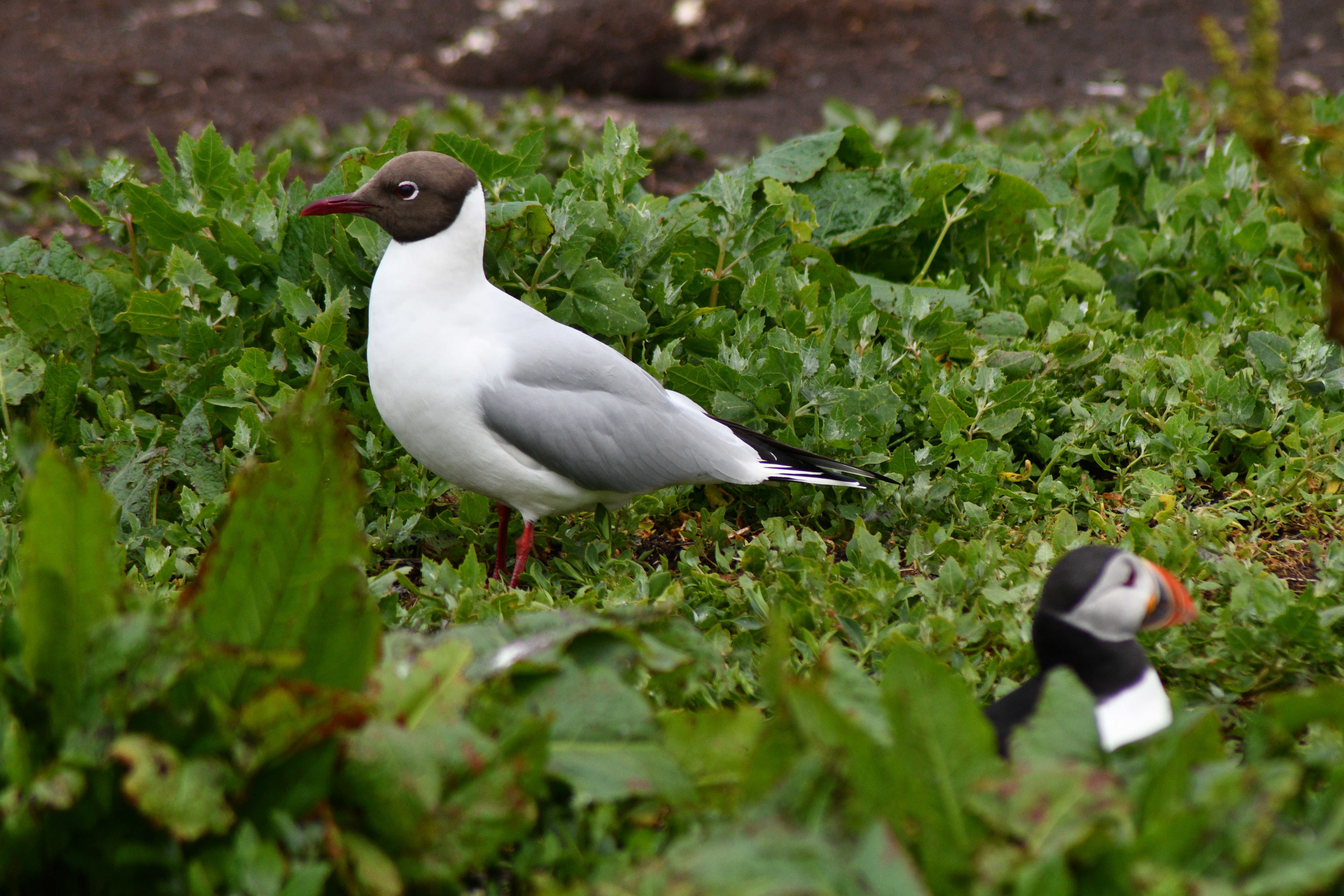
Other birds we saw inclide razorbills, black headed gulls, and my personal favourite – a shag.

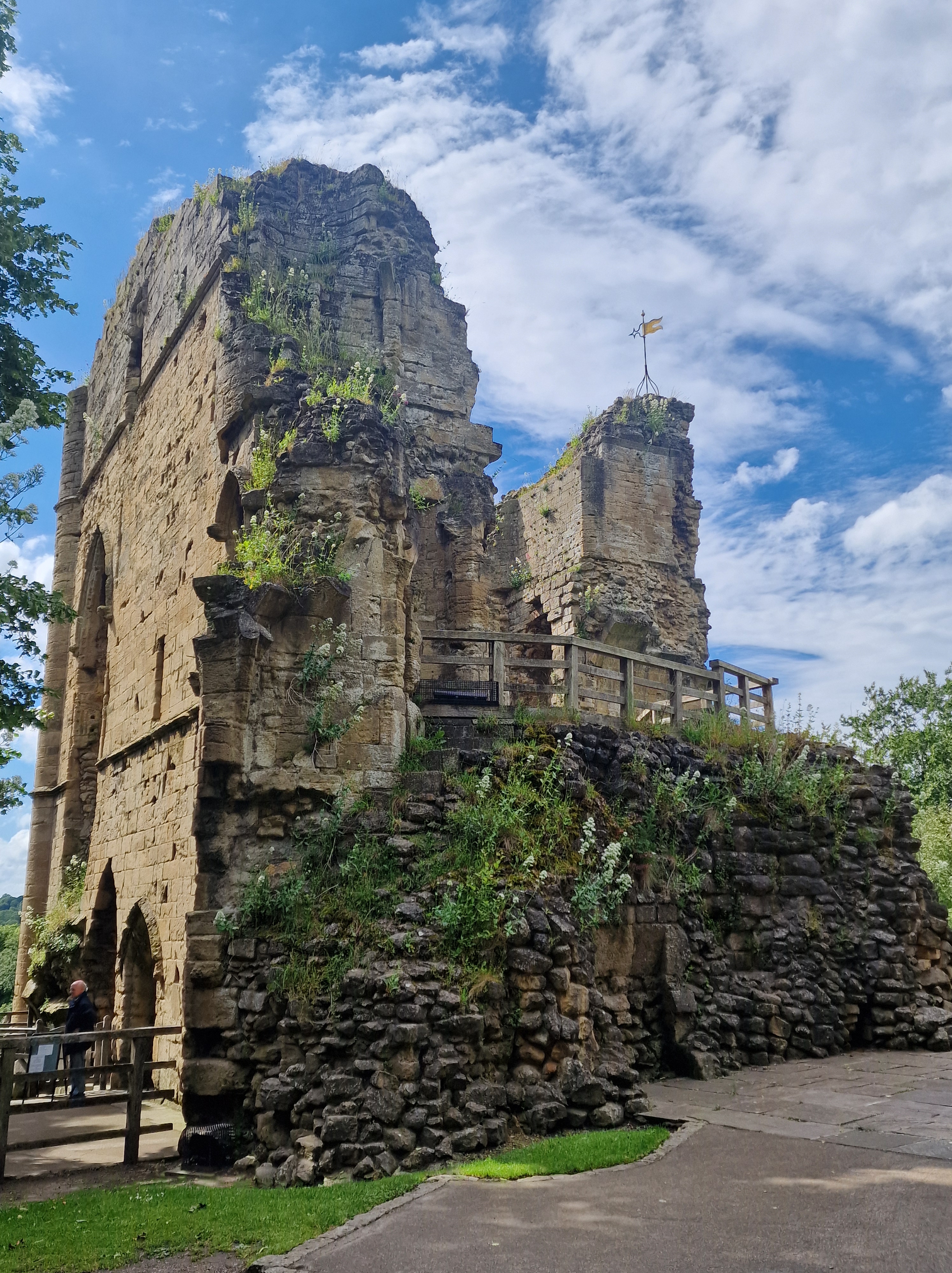
Twizel Before heading back to Eyemouth, we consulted the Alltrails and found a circular that included a castle, a viaduct and a bridge. Twizel Castle is Grade II listed, but all that remains now is a shell of a folly that has been overtaken by nature. Unfortunately it’s too dangerous to explore inside and is completely fenced off, but you can still get close enough to imagine what it would have been like back in 1415 when it was held by Sir John Heron.
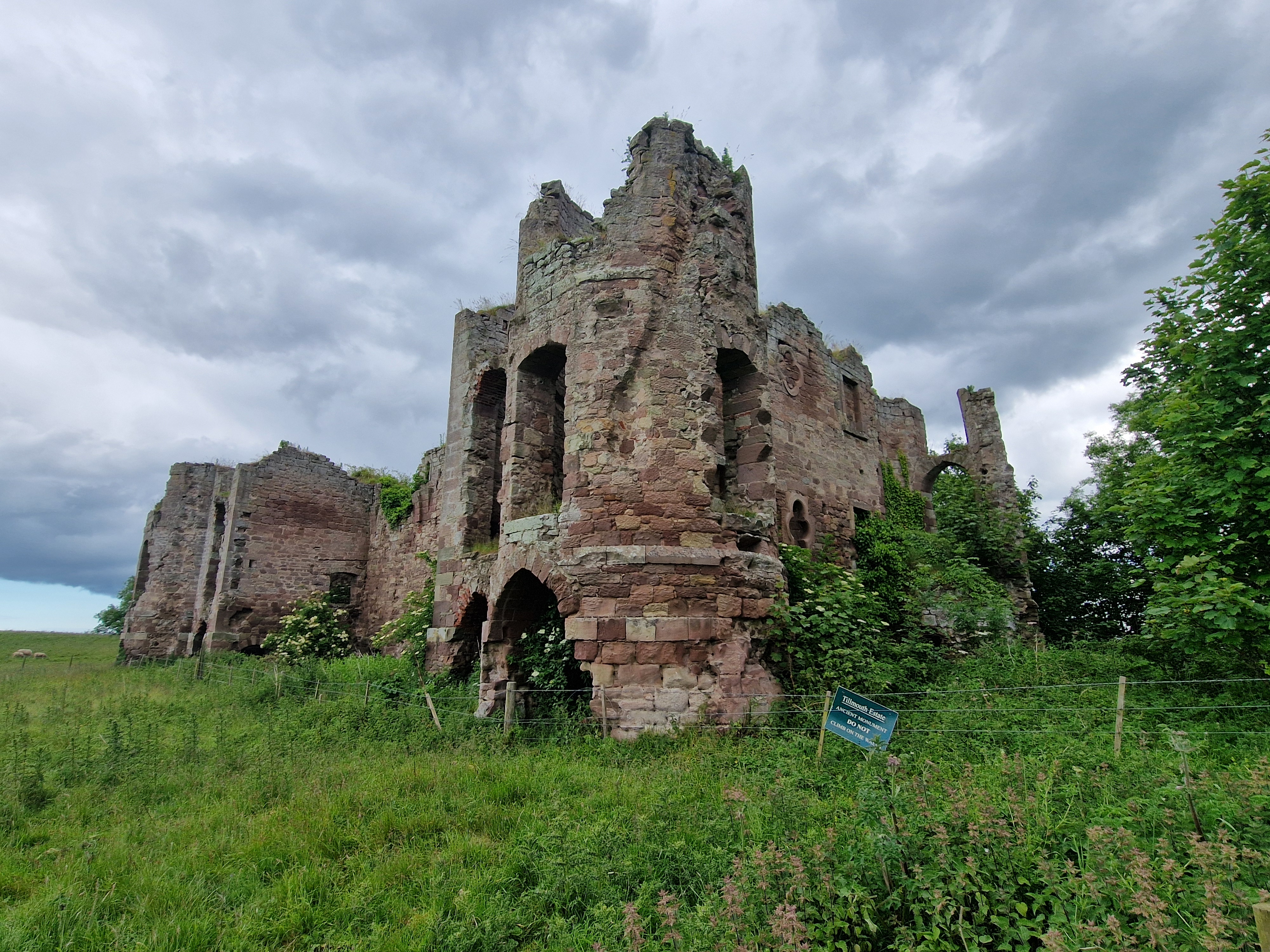
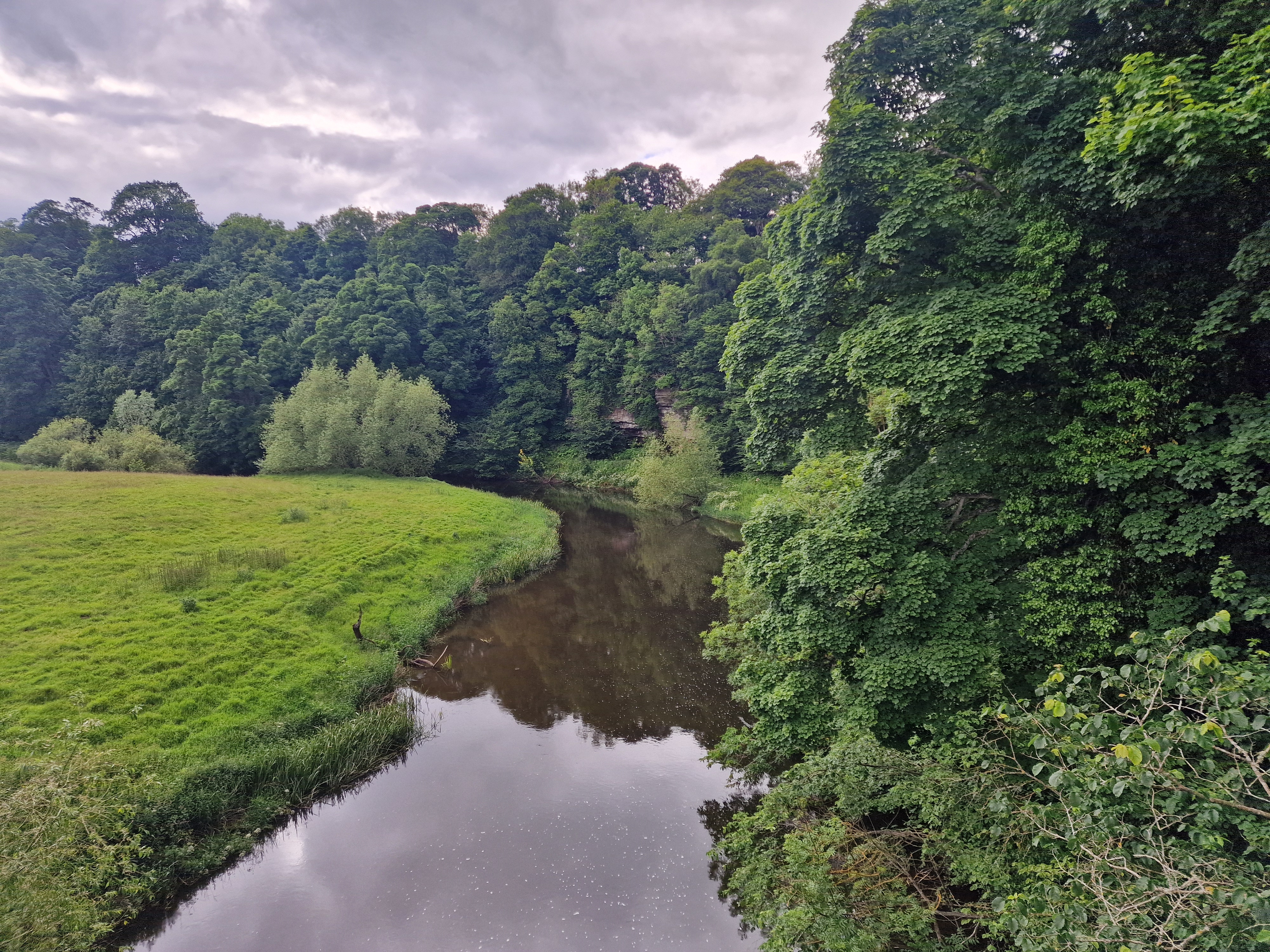
The walk continues along the River Tweed, before turning to following the River Till. It’s a very peaceful walk, with just the sound of the river and singing birds. The next highlight is the viaduct, which saw its last train in March 1965, and the track has since been removed. Unfortunately it’s very overgrown so difficult to appreciate it in all its glory.
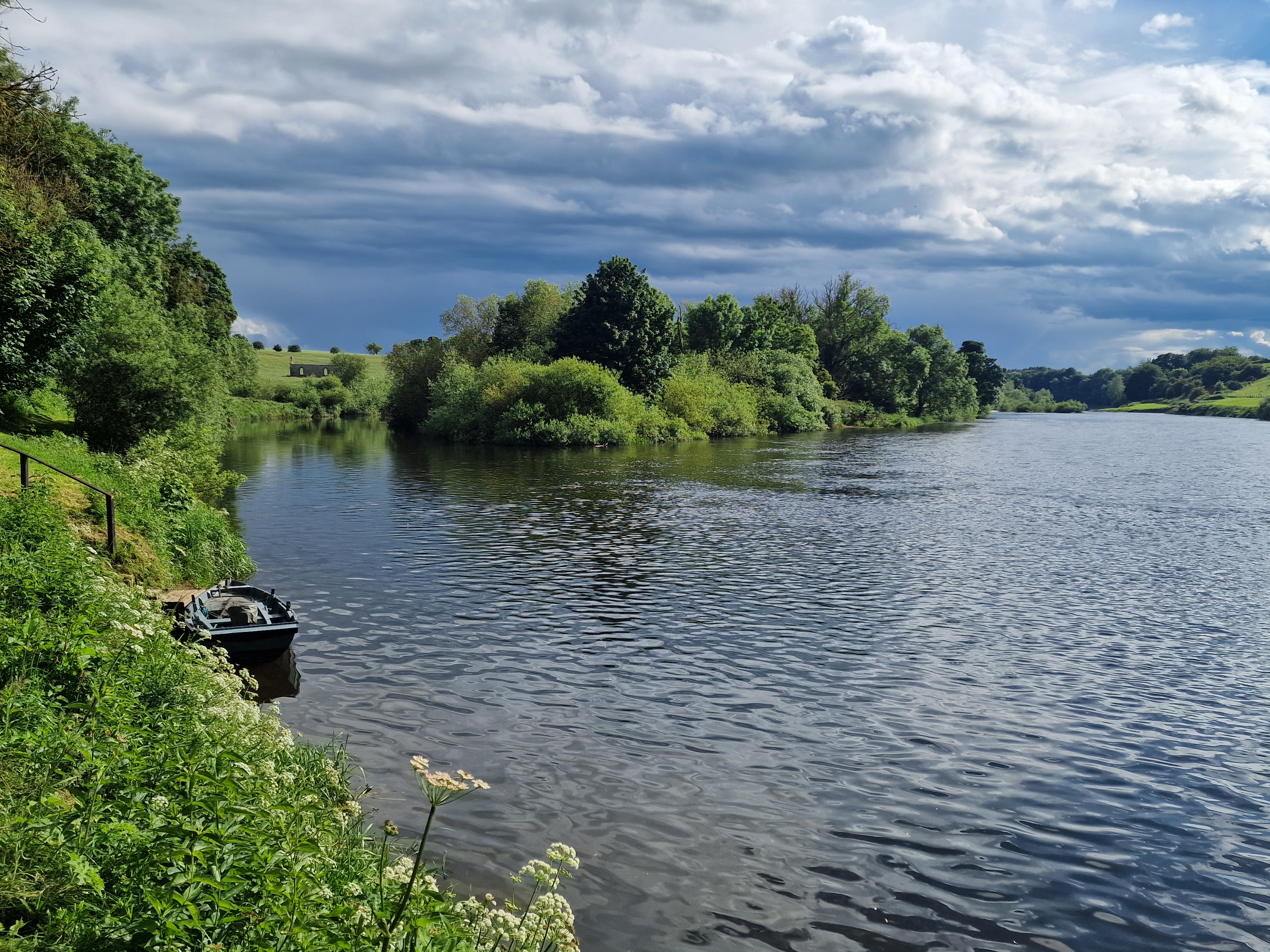
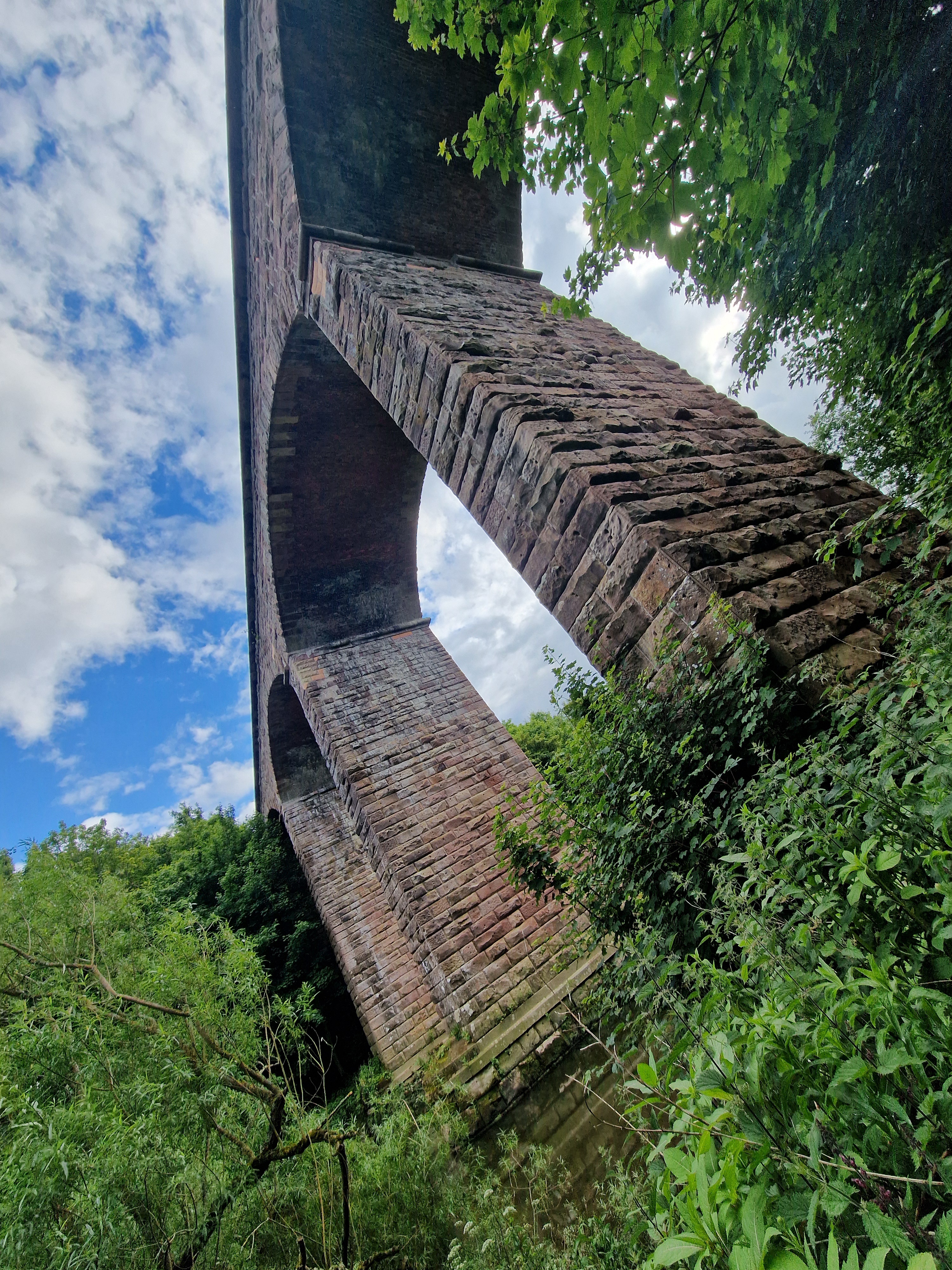
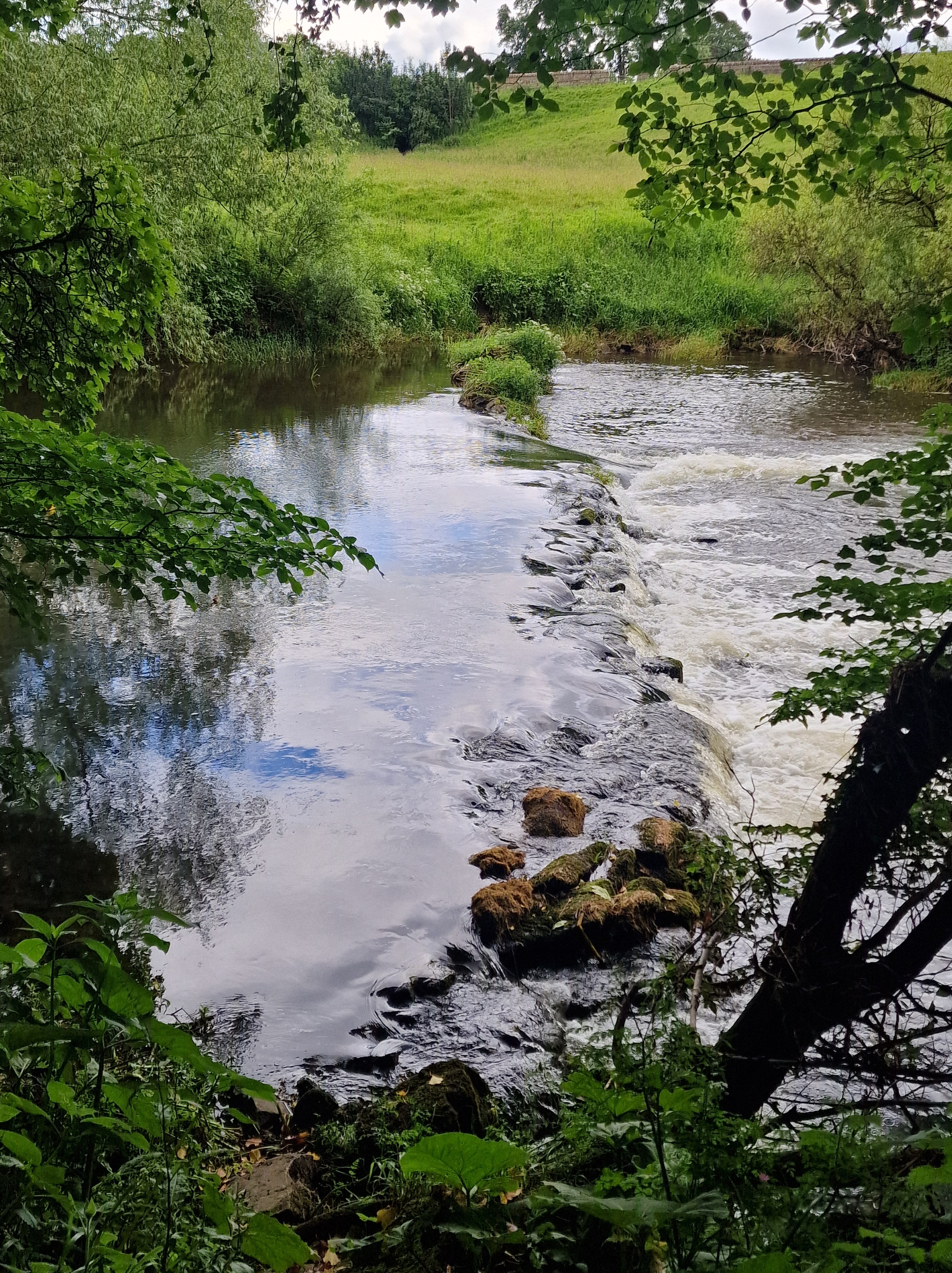
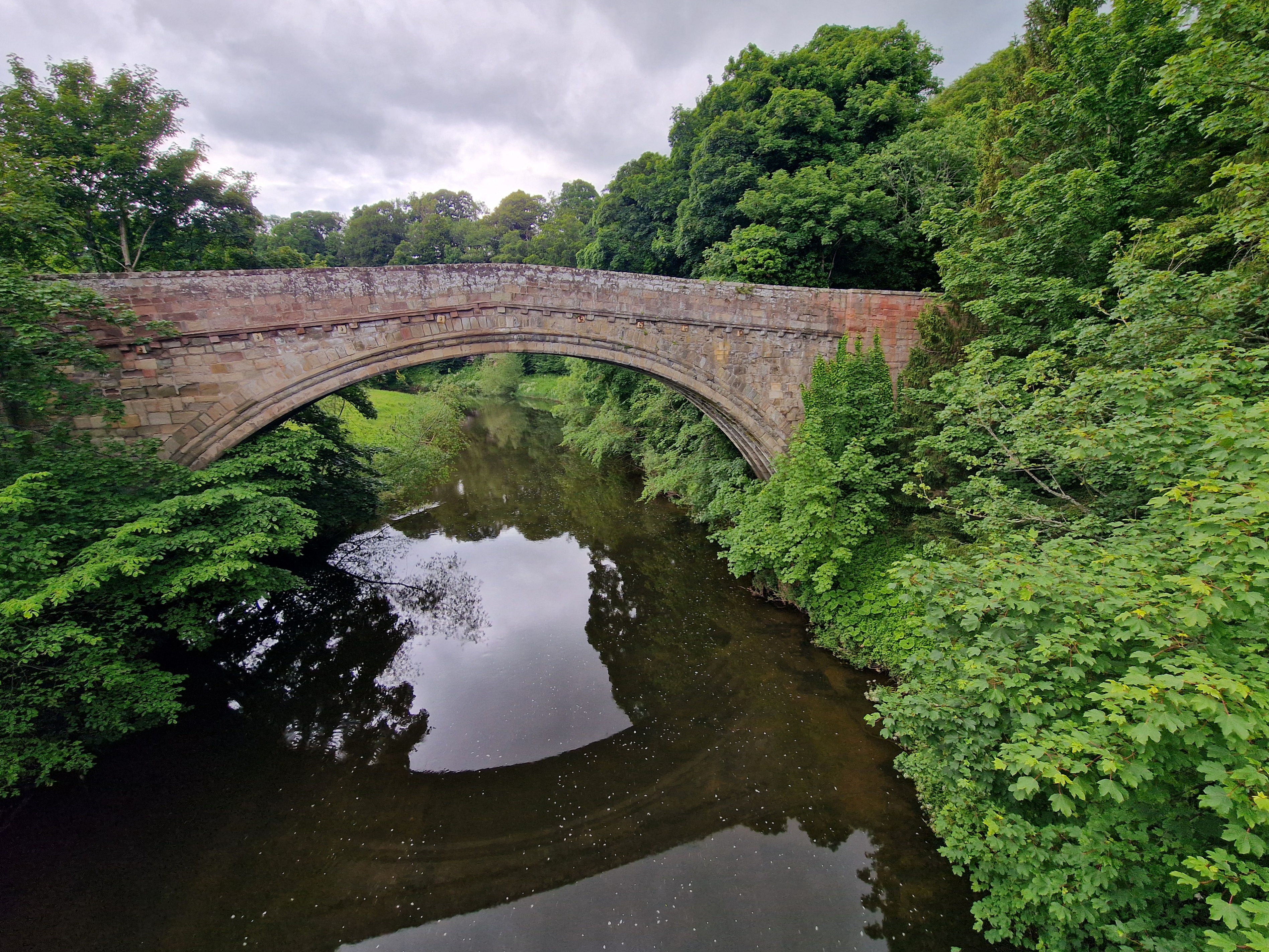
At the end of the walk we were treated to the Twizel Bridge – completed in 1511, this bridge was the largest single span arch in Britain (90 feet) and remained so until 1727. The bridge carried the main A698 road from Hawick to Berwick-upon-Tweed until 1983, when a modern bridge was completed immediately to the south.
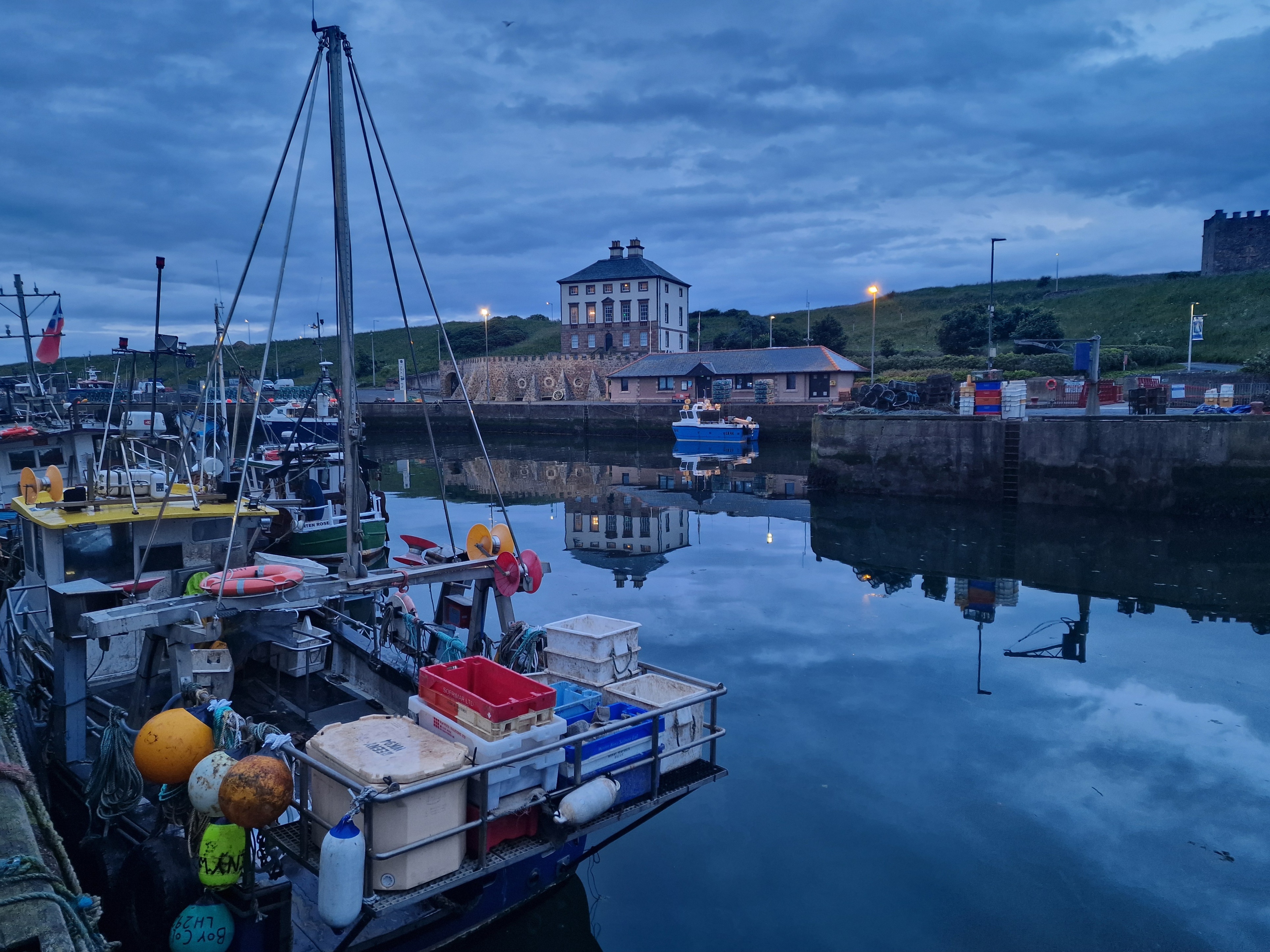
We finished off another fabulous day with a walk around Eyemouth and a big, dirty Chinese feast!








 The Travelling Ginger